Shaking kratom in a bottle remains one of the most convenient ways many people incorporate this traditional plant powder into their daily supplement routine. Yet that familiar frothy layer often appears, turning a quick mix into something less appealing. Understanding why foam forms and learning straightforward adjustments can transform your preparation into a smoother, more enjoyable experience.
The process starts with fine kratom powder meeting liquid and vigorous motion. Air incorporates rapidly, and natural compounds in the powder stabilize those bubbles, much like how protein powders or certain plant materials behave. The result is a persistent foam head that some find off-putting, even though it generally carries no impact on the material itself. With mindful techniques, you can significantly reduce or even eliminate this issue while keeping your routine efficient and consistent.
Understanding Why Foam Forms During Shaking Kratom
Foam develops primarily through mechanical agitation. When you add powder and liquid to a sealed bottle and shake, the rapid movement traps air pockets. Kratom powder contains natural polymers and fine particles that lower surface tension in the liquid, allowing bubbles to persist longer than they would in plain water.
This mirrors phenomena seen with other powdered supplements. The more energetic the shake, the greater the aeration. Factors such as water temperature, powder quantity, liquid type, and even the specific batch characteristics can influence the outcome. Some users notice variations across different vein colours or suppliers, though individual experiences differ.
Importantly, the foam itself is generally harmless and does not indicate spoilage or reduced quality. It usually dissipates within minutes if left undisturbed. For those who prefer drinking immediately, targeted adjustments make a noticeable difference.
Choosing the Right Bottle and Tools for Better Results
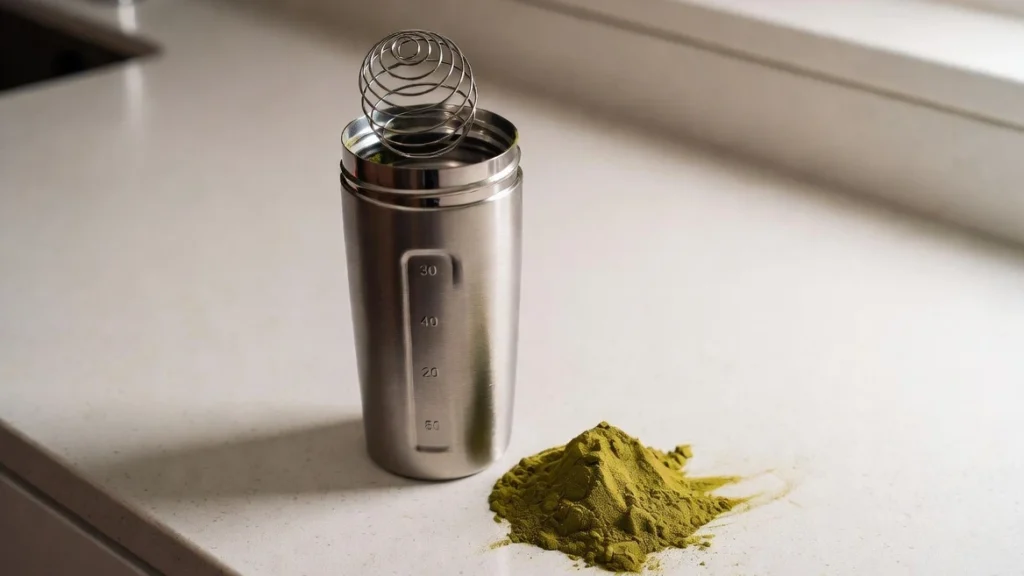
Your container plays a larger role than many realize. Standard narrow-neck water bottles can create more turbulence and trap air unevenly. Wider-mouth shaker bottles designed for supplements often perform better because they allow smoother liquid movement and frequently include a mixing ball or wire whisk.
A stainless steel or high-quality plastic shaker with a secure lid and built-in agitator helps break up clumps efficiently while reducing excessive foam compared to vigorous hand shaking alone. Look for bottles with measurement markings for consistent dosing and easy cleaning to maintain hygiene in your routine.
Avoid very small bottles that force overly intense shaking for proper mixing. A 16- to 24-ounce capacity often provides enough space for the liquid and powder to move freely without creating excessive froth.
Optimal Liquid Choices to Minimize Foam
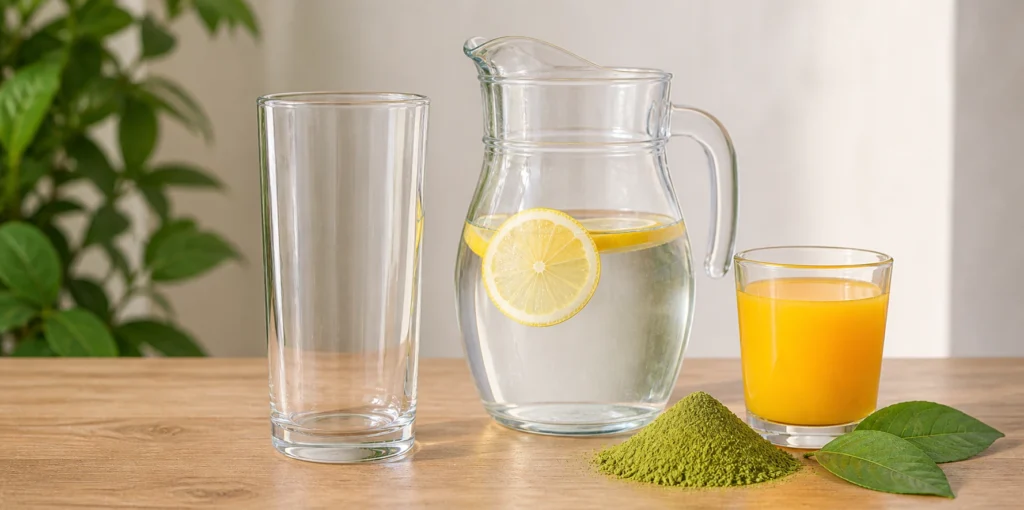
Choosing the right liquid can significantly reduce foam while improving taste and mixability. Here are the most effective options:
- Room temperature or warm water: Provides the best balance for easy dispersion and requires less aggressive shaking than cold water.
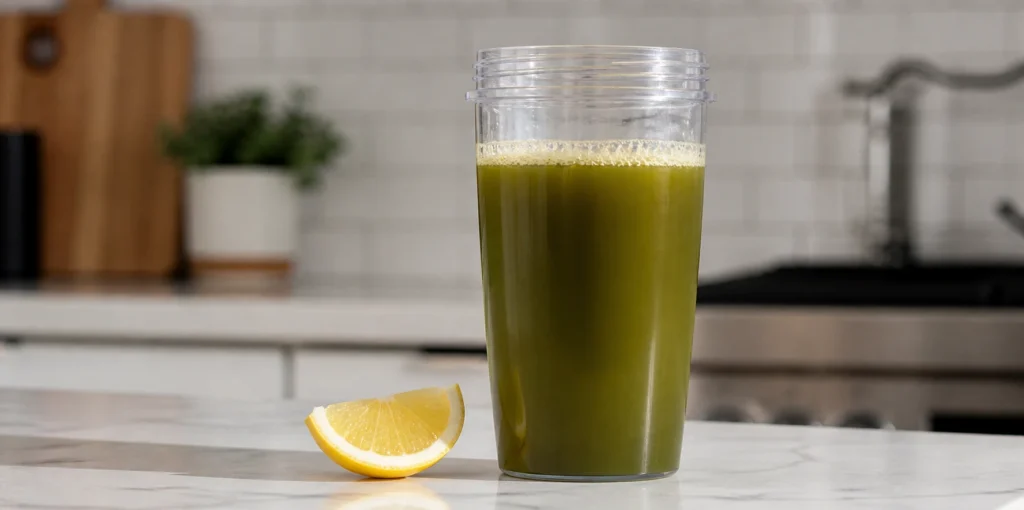
- Citrus juices (orange, lemon, or lime): Help mask bitterness and often produce less persistent foam due to their acidity and slight viscosity.
- Plant-based milks or coconut water: Create a creamier texture that can reduce surface foam while making the drink more palatable.
Highly carbonated beverages should be avoided entirely, as they dramatically increase foaming and may cause stomach discomfort.
Step-by-Step Techniques for Effective Shaking Kratom
Creating the Initial Paste
Start by placing your measured kratom powder into the bottle first. Add roughly one-third of your total liquid. Seal the bottle and perform gentle swirling or very short shakes. This step creates a smooth, lump-free paste and prevents the powder from clumping when more liquid is added.
Adding Remaining Liquid
Once the paste is smooth, slowly add the remaining liquid. This staged approach reduces the amount of air introduced compared to adding all liquid at once.
Proper Shaking Technique
Shake with moderate intensity for only 10 to 20 seconds. Use short bursts rather than one continuous vigorous shake. This provides sufficient mixing while keeping foam formation to a minimum.
Letting the Mixture Settle
After shaking, set the bottle aside for one to two minutes. Most remaining foam will naturally rise and dissipate on its own, leaving a much smoother drink ready to consume. For those who prefer minimal shaking, you can follow the paste stage with gentle stirring using a spoon or small whisk instead of shaking.
Temperature Considerations in Your Routine
Temperature influences both mixing quality and foam formation. Warm liquids (around 100-140°F or comfortably hot to the touch) help the powder suspend better and often require less shaking overall. Extremely hot temperatures are unnecessary and may affect sensitive compounds, so avoid boiling.
Cold preparations remain popular for refreshment, particularly in warmer months. When using cold liquid, allow extra settling time and consider the staged addition method. Adding ice after initial mixing can further help knock down any remaining foam through gentle agitation as the cubes move. Experimenting with temperature alongside liquid choice helps identify your ideal combination for consistent, low-foam results throughout the year.
Advanced Strategies for Consistent Low-Foam Preparation
Beyond basic adjustments, several additional practices support reliable outcomes:
- Pre-hydration of powder into a slurry for quick daily use.
- Using a precise scale for consistent dosing instead of volume scoops.
- Thorough daily cleaning of your shaker bottle to prevent residue buildup.
- Preparing slightly larger servings to improve the air-to-liquid ratio.
- Using alternative tools like silicone spatulas or low-speed electric frothers when you want to avoid shaking entirely.
These refinements help adapt the process to different lifestyles and schedules.
Integrating Shaking Kratom into a Balanced Daily Routine
A thoughtful supplement routine extends beyond mixing technique. Many people find success by establishing consistent timing paired with proper hydration and food as appropriate for their needs. Keeping preparation simple encourages adherence without unnecessary stress over minor details like foam. Tracking your results in a simple journal helps patterns emerge quickly. For frequent travelers, portable pre-portioned packets with a compact shaker bottle maintain convenience on the go.
Common Challenges and How to Overcome Them
Even with good techniques, occasional higher foam days occur. Fresh batches, humidity, or temperature changes can contribute. Patience and brief settling time usually solve the issue. If needed, a quick pour through a fine mesh strainer can remove stubborn foam. Taste management often pairs naturally with foam reduction. Combining the right liquids and sweeteners makes the entire experience more enjoyable.
Long-Term Benefits of Refined Preparation Methods
Investing time in better shaking kratom practices yields compounding advantages. Reduced foam means less waste, a desirable texture, and greater overall satisfaction. Many users report that gentler methods lead to a smoother daily routine and better consistency. Over time, these techniques become automatic, turning preparation into a quick and reliable habit.
Maintaining Quality and Freshness in Your Supplies
Proper storage in airtight containers away from light, heat, and moisture preserves freshness. Fresher powder generally mixes more predictably with less unexpected foaming. Buying in reasonable quantities ensures you use material while it is at its best.
Frequently Asked Questions
Q: Is the foam harmful or does it reduce the effectiveness of kratom?
A: The foam is not harmful and does not diminish potency. It is simply trapped air stabilized by natural compounds in the powder. The active components remain in the liquid regardless of the frothy layer. Letting the mixture settle or using the techniques in this guide allows you to enjoy your drink with minimal foam while receiving the full intended experience.
Q: What is the single most effective way to reduce foam when shaking kratom?
A: The staged liquid addition method delivers the biggest improvement for most people. Add a small amount of liquid first to create a smooth paste with gentle swirling, then add the rest and shake lightly. Combining this with room-temperature or warm liquid and a brief settling period often eliminates most foam without extra effort.
Q: How long should I shake the bottle when preparing my dose?
A: Limit shaking to 10–20 seconds of moderate effort after the initial paste forms. Shorter bursts with pauses work better than one long, vigorous session. Over-shaking introduces more air and creates additional foam. The goal is efficient mixing rather than maximum turbulence.
Q: Can I prepare my kratom drink ahead of time to save effort during busy days?
A: Yes, but with some limitations. You can pre-mix a slurry and store it briefly in the refrigerator, then dilute and lightly agitate when needed. For best freshness and consistency, prepare drinks the same day. Avoid storing fully mixed drinks for more than a few hours, as separation and texture changes can occur.
Q: Why does my kratom sometimes foam more than usual?
A: Variations often stem from powder freshness, humidity, liquid temperature, or batch differences. Finer powders and colder liquids tend to produce more foam. Environmental factors like high humidity can also play a role. Keeping notes on your preparations helps you identify and adjust for these patterns quickly.
Q: What should I do if I do not own a dedicated shaker bottle?
A: A regular wide-mouth bottle with a secure lid works well as a substitute. You can use a spoon or small whisk for initial mixing, then seal and perform gentle shakes. Adding a clean marble or stainless steel mixing ball can improve results. Focus on technique rather than specialized equipment for excellent outcomes.
Q: How do I clean my shaker bottle to prevent ongoing mixing issues?
A: Rinse immediately after use and wash thoroughly with warm soapy water daily. Use a bottle brush to reach all corners and remove any residue. Periodic deep cleaning with a vinegar solution prevents buildup that could contribute to future foaming or off tastes. Proper maintenance keeps your routine smooth and hygienic.
Final Thoughts on Mastering Your Shaking Kratom Routine
Reducing foam when shaking kratom comes down to thoughtful adjustments in technique, tools, liquids, and timing. By adding liquid strategically, moderating agitation, choosing appropriate temperatures, and allowing brief settling periods, most people achieve consistently smoother results.
These methods require minimal extra effort once learned yet deliver meaningful improvements in convenience and enjoyment. Your daily supplement preparation can become reliable, low-mess, and even satisfying, a small ritual that supports broader wellness goals.
Experiment gradually, observe what works under different conditions, and refine accordingly. With practice, shaking kratom transforms from a potentially frothy chore into an efficient, streamlined part of a balanced routine. The key lies in patience, consistency, and willingness to adapt small details for better overall experiences.