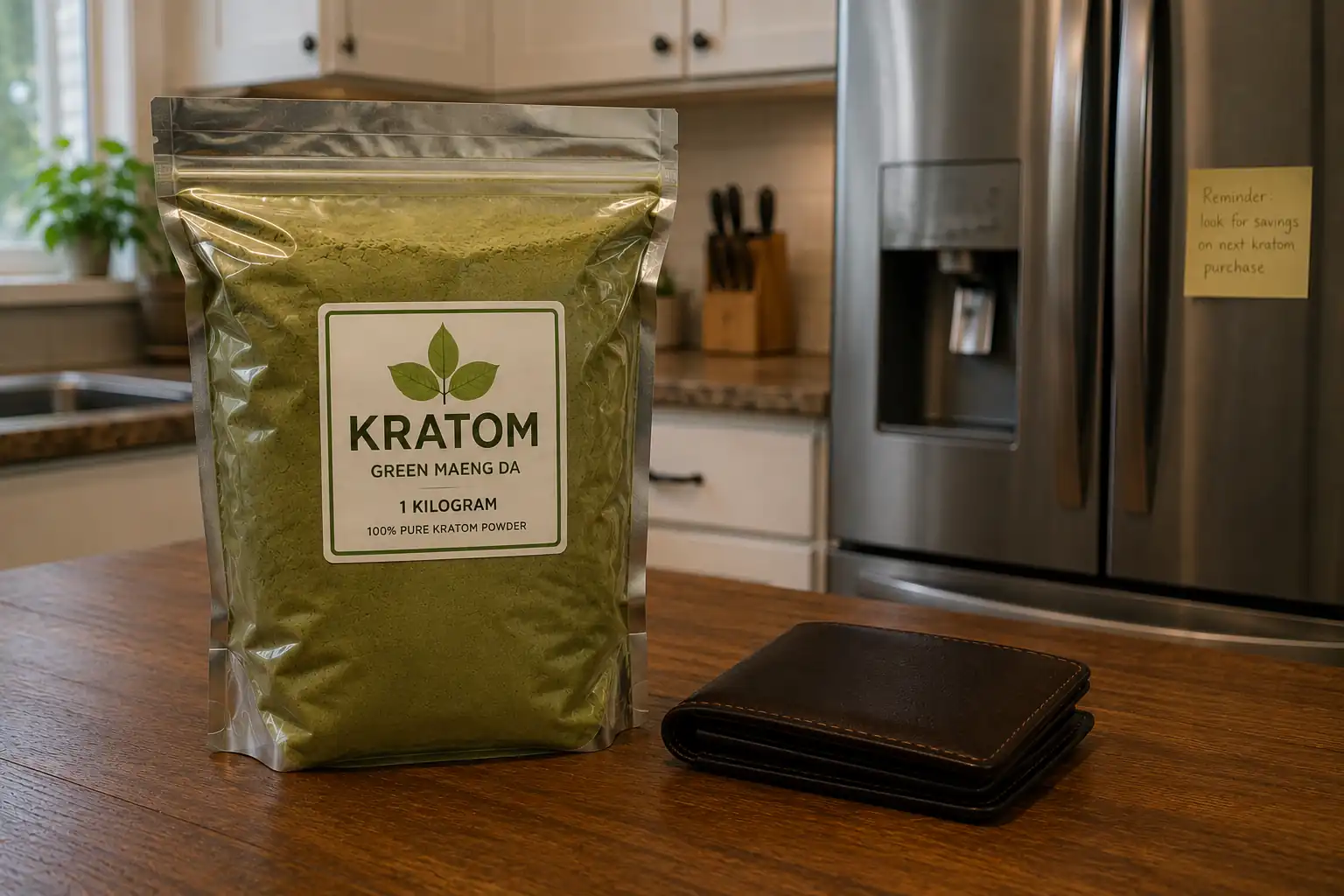
Building responsible daily kratom habits begins with a clear understanding of what consistency truly means in the context of plant-based wellness practices. Many people turn to kratom as part of their routine for its traditional associations with focus, calm, or physical comfort, yet the difference between casual use and a well-structured approach lies in deliberate intention. Responsible daily kratom habits emphasize awareness, moderation, and integration into a broader lifestyle rather than isolated consumption.
Understanding the Core of Daily Kratom Habits
The starting point for any lasting routine involves honest self-assessment. Before establishing daily kratom habits, take time to reflect on current lifestyle patterns, energy levels throughout the day, and overall goals. Ask what specific outcomes feel meaningful, whether greater steadiness during work hours, a sense of groundedness in the evening, or simply a consistent ritual that marks the transition between parts of the day. Writing these reflections down creates a baseline that later helps evaluate progress without relying on vague impressions. This preparatory step reduces the chance of forming habits that later feel mismatched to real needs.
Clarifying Personal Intentions
Once intentions are clearer, attention shifts to the practical details of selection and preparation. Quality matters greatly when incorporating any botanical into a regular schedule. Look for material that appears clean, properly dried, and free from unusual odours or discoloration. Consistency in the form chosen, powder, capsules, or another preparation, supports easier measurement and reduces variables that could disrupt a routine. Store the material in a cool, dry place away from direct light to maintain its integrity over time. These small environmental choices reinforce the seriousness of the habit and prevent degradation that might lead to inconsistent experiences.
Establishing Timing and Measurement for Daily Kratom Habits
Timing forms another cornerstone of responsible daily kratom habits. Rather than consuming at random moments, select windows that align with natural daily rhythms. For some, an early portion of the day pairs well with morning activities, while others prefer a midday or late-afternoon slot that bridges work and personal time. The key is regularity: the body and mind adapt more smoothly when the practice occurs at roughly the same hour each day. Pairing the moment with an existing cue, such as after a glass of water or before a short walk, strengthens the association and makes the habit feel automatic rather than effortful.
Precision in Daily Portions
Measurement precision cannot be overlooked. Using a reliable scale or pre-portioned amounts removes guesswork and helps maintain steady intake levels. Starting with smaller quantities allows observation of individual responses without overwhelming the system. Over successive days, slight adjustments can be made based on how the body responds, always favouring the lowest amount that meets the intended purpose. This measured approach protects against gradual escalation that often occurs when habits form without clear boundaries.
Supporting Lifestyle Elements Around Daily Kratom Habits
Hydration and basic nutrition play supporting roles that many overlook when focusing solely on the botanical itself. Drinking water consistently throughout the day helps the body process plant material more comfortably. Balanced meals that include protein, fiber, and healthy fats provide a stable foundation so that the daily practice does not occur on an empty or overly stimulated system. Simple additions such as herbal tea or a piece of fruit nearby can turn the moment of use into a fuller self-care pause rather than a hurried action.
Lifestyle integration further strengthens daily kratom habits. Physical movement, whether a short walk, stretching, or more vigorous exercise, complements the routine by supporting circulation and mental clarity. Adequate rest at night ensures recovery and reduces the temptation to use the botanical as a substitute for genuine fatigue management. Social connections and meaningful work provide context so that the habit occupies a balanced place rather than becoming the central focus of the day. When the practice sits alongside other positive behaviors, it gains resilience against disruption.
Here are practical ways to weave these elements into the routine:
- Keep a reusable water bottle visible and refill it at set intervals to encourage steady hydration throughout the day.
- Prepare simple balanced snacks the night before so they are ready when the daily moment arrives.
- Schedule a brief movement break immediately after the practice to reinforce the connection between the botanical and physical activity.
- Set a consistent bedtime window that allows for full rest, treating sleep as a non-negotiable part of the overall pattern.
- Choose one social or creative activity each week that occurs independently of the routine to maintain perspective.

Tracking Progress Within Daily Kratom Habits
Tracking progress transforms daily kratom habits from passive repetition into an active learning process. A simple notebook or digital note works well for recording the time, amount, surrounding activities, and any noticeable shifts in mood, focus, or physical sensation. Over weeks, patterns emerge that reveal what works best under different conditions, busy days versus quieter ones, for example. Reviewing these notes periodically offers objective feedback and prevents reliance on memory alone, which can be unreliable. The act of writing also creates a brief moment of mindfulness that deepens the overall experience.
Listening to Body Signals
Listening closely to bodily signals remains essential throughout the development of any routine. Some days the usual amount may feel unnecessary, while on others a slight reduction or temporary pause feels more appropriate. Honouring these internal cues prevents the habit from becoming rigid. Sleep quality, stress levels, and physical activity all influence how the body interacts with kratom in Canada, so remaining flexible keeps the practice responsive rather than automatic. If certain days bring diminished returns or unwanted restlessness, adjusting the schedule or taking a short break demonstrates responsibility rather than inconsistency.
Ongoing Education and Adaptation for Daily Kratom Habits
Education continues even after the initial structure is in place. Reading reliable information from established botanical resources, understanding traditional cultural contexts in Southeast Asia where the plant has long been known, and staying aware of personal legal considerations all contribute to informed use. Conversations with others who share similar interests can offer perspective, provided those exchanges remain grounded and free from exaggeration. The goal is steady knowledge growth rather than accumulation of unverified claims.
Common challenges arise as routines mature. One frequent difficulty involves the gradual normalization of higher amounts as familiarity increases. Counter this by periodically returning to the original measured baseline and assessing whether the same sense of benefit remains. Another challenge is the tendency to rely on the practice during every moment of stress rather than developing additional coping tools.
Sustainability over months and years depends on periodic review. Every few weeks, pause to evaluate whether the current approach still aligns with original intentions. Life circumstances change, new work demands, seasonal shifts, or evolving personal priorities, and the habit should adapt accordingly. Some individuals find value in cycling different preparations or incorporating rest days to maintain sensitivity. Others discover that certain periods of the year call for reduced frequency. These adjustments reflect maturity rather than failure.
Building Psychological Strength Around Daily Kratom Habits
The psychological dimension of daily kratom habits deserves equal attention. Framing the practice as a deliberate act of self-regard rather than a compulsive necessity changes its emotional tone. Gratitude for the plant’s traditional role and respect for its potency encourage measured engagement. Avoiding language of dependence or necessity in self-talk helps preserve autonomy. When the routine feels like a choice rather than an obligation, motivation remains intrinsic and more durable.
Environmental design supports consistency. Preparing the space where the habit occurs, clearing clutter, ensuring good lighting, or placing a favourite cup nearby, signals that the moment matters. Removing competing distractions during that window protects focus and prevents multitasking that dilutes the experience. Over time, the physical setting itself becomes a cue that reinforces the desired pattern.
Community and accountability can play constructive roles without requiring public disclosure. Sharing intentions with a trusted friend or simply committing the plan to paper creates a gentle form of external structure. Some people find value in joining moderated discussion spaces where experiences are shared thoughtfully. The emphasis remains on mutual support for responsible approaches rather than comparison or competition.

FAQ
Q: How long does it usually take to establish consistent daily kratom habits?
A: Most people notice a basic sense of routine within two to three weeks of steady practice. Full comfort and automaticity often develop over four to six weeks as timing, measurement, and supporting lifestyle elements settle into place. Individual progress varies based on existing daily structure and commitment to review.
Q: What should I do if I miss a day or two in my routine?
A: Simply resume the next day at the usual measured amount and time without trying to compensate. Missing occasional days is normal and does not undo progress. Use the interruption as a chance to note any differences in how you feel, then return to the established pattern.
Q: How can I keep my daily kratom habits steady while traveling?
A: Prepare measured portions in advance and pack them in a simple, secure container. Choose a consistent daily window that fits the new schedule as closely as possible, and prioritize hydration and rest. Returning to the home routine afterward helps re-anchor the habit quickly.
Q: When is it appropriate to reassess or adjust my daily kratom habits?
A: Reassess every few weeks or whenever life circumstances change noticeably. Signs that adjustment may help include reduced effectiveness at the same amount, changes in sleep or stress patterns, or a sense that the routine no longer aligns with current goals. Small, deliberate changes keep the practice responsive and sustainable.
Q: How does tracking improve the quality of daily kratom habits over time?
A: Regular notes on timing, amount, and personal response create clear patterns that memory alone cannot provide. Reviewing these records helps identify what works best under different conditions and supports informed decisions about when to maintain, reduce, or pause the routine.
Conclusion
Responsible daily kratom habits develop through self-knowledge, precise action, and ongoing adaptation. They grow from deliberate choices rather than impulse and strengthen through careful observation. By attending to preparation, timing, measurement, lifestyle support, tracking, flexibility, education, and regular review, individuals create patterns that serve their well-being instead of controlling it.
The process itself becomes an exercise in mindfulness, offering lessons in consistency and care that extend beyond any single botanical. When approached with steady intention, these habits support a more balanced and considered way of moving through each day.
Disclaimer
The information in this essay is provided strictly for general educational and informational purposes only and does not constitute medical advice, health guidance, diagnosis, treatment recommendations, or any form of endorsement. Kratom (Mitragyna speciosa) is not authorized by Health Canada for human consumption, sale as a food, dietary supplement, natural health product, or drug, and is not intended for ingestion or any internal use.
Health Canada has warned that kratom may pose serious health risks, including potential liver toxicity, heart problems, seizures, nausea, drowsiness, dependence, and other adverse effects. No product containing kratom has been assessed or approved by Health Canada for safety, quality, or efficacy.
This content makes no recommendations regarding use of any kind. The author and publisher accept no responsibility or liability for any actions, decisions, health outcomes, legal consequences, or other results arising from reliance on or interpretation of the material presented here. Readers are solely responsible for complying with all applicable laws and for seeking advice from qualified healthcare professionals regarding any health-related matters.