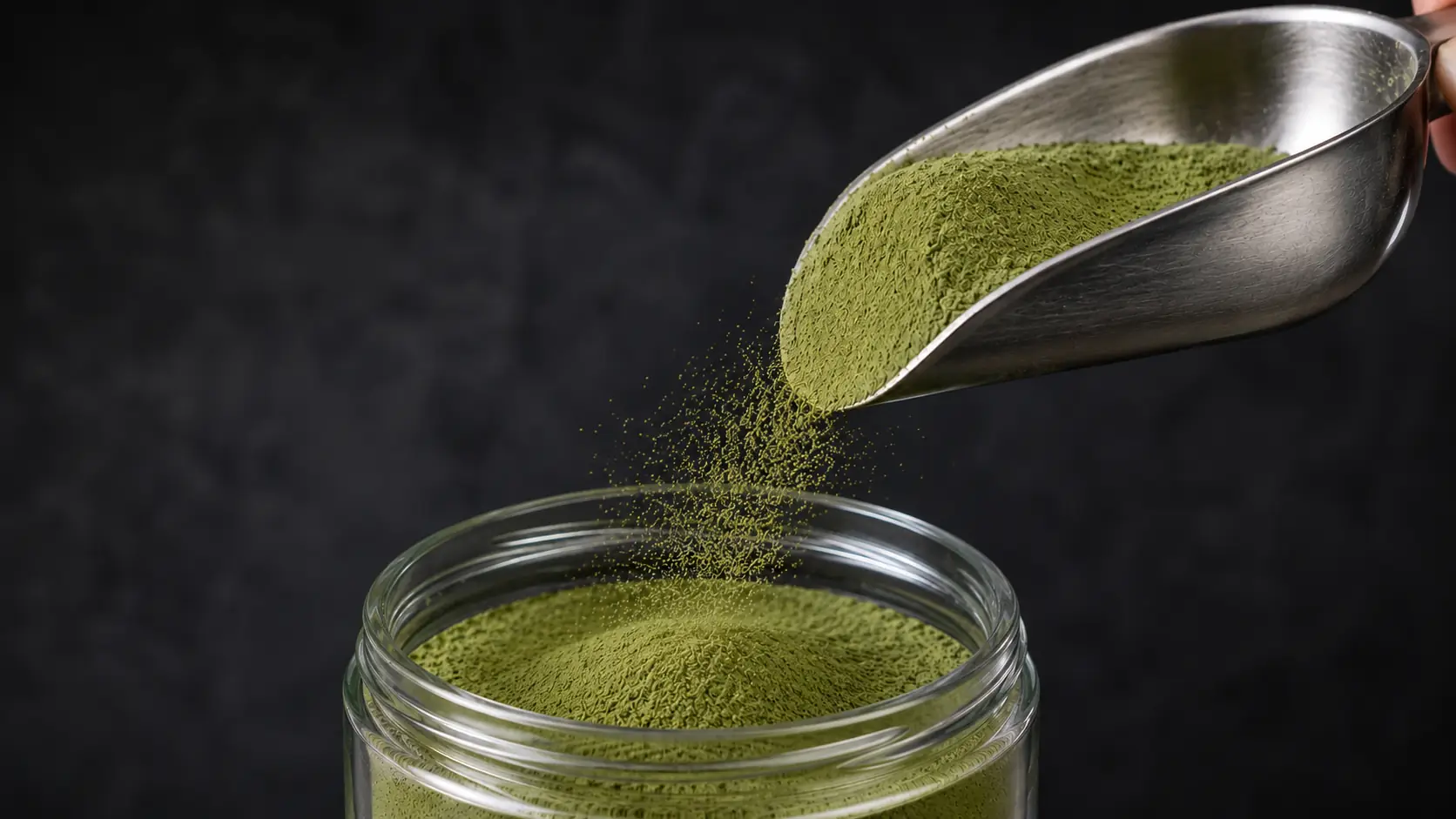
Kratom supplementation has become a go-to for those seeking natural ways to support energy, mood, and overall wellness. Sourced from the leaves of the Mitragyna speciosa tree in Southeast Asia, kratom is valued for its versatile effects, which can range from uplifting to calming based on dosage. While kratom offers distinct benefits, pairing it with specific vitamins and minerals can amplify its effects, creating a balanced approach to health.
Understanding how to integrate vitamins and minerals with kratom supplementation requires knowledge of their roles in the body and their synergy with kratom’s active compounds. By selecting the right nutrients, you can enhance energy, promote relaxation, and support long-term vitality.
Understanding Kratom’s Role in Wellness
Kratom contains alkaloids like mitragynine and 7-hydroxymitragynine, which interact with the body to produce effects ranging from increased focus to relaxation. Used for centuries in places like Thailand and Indonesia, kratom has gained global popularity for its potential to boost mood, ease discomfort, or enhance productivity. However, its effectiveness is closely tied to the body’s nutritional health.
Vitamins and minerals support critical functions like energy production, stress management, and immune health. When combined with kratom supplementation, these nutrients can enhance the plant’s benefits while promoting overall wellness. For example, certain vitamins support neurotransmitter production, amplifying kratom’s mood-enhancing effects, while minerals like magnesium promote relaxation, aligning with kratom’s calming properties. Below, we explore the top nutrients to consider for a well-rounded kratom routine.
Magnesium: The Calming Mineral
Magnesium is a vital mineral involved in over 300 bodily processes, including muscle relaxation, nerve signaling, and energy metabolism. For those using kratom to manage stress or unwind, magnesium is a natural complement. It helps calm the nervous system, reducing tension and enabling relaxation, which pairs well with kratom’s sedative effects at higher doses.
This mineral also promotes healthy sleep, making it ideal for evening kratom use. Additionally, magnesium supports electrolyte balance, which is important for hydration and muscle health, especially if kratom use involves physical activity. You can find magnesium in foods like spinach, almonds, and whole grains, but supplements like magnesium citrate or glycinate provide a consistent dose. By promoting calm and supporting muscle function, magnesium enhances kratom supplementation, helping you feel balanced and at ease.
B Vitamins: Powering Energy and Mood
B vitamins are essential for energy production, brain function, and mood regulation, making them a cornerstone of kratom supplementation. This group, including B1 (thiamine), B6 (pyridoxine), and B12 (cobalamin), helps convert food into energy, which can enhance kratom’s stimulating effects at lower doses. For those using kratom to boost focus or productivity, B vitamins provide the fuel to stay sharp.
Vitamin B6 plays a key role in producing serotonin and dopamine, neurotransmitters that influence mood and mental clarity. Pairing B6 with kratom may amplify its mood-lifting potential, fostering a positive outlook. B12 supports red blood cell production, ensuring efficient oxygen delivery to combat fatigue and sustain energy.
A B-complex supplement, which includes a balanced mix of B vitamins, is a convenient way to incorporate these nutrients. Foods like eggs, salmon, and fortified cereals are also rich sources. By boosting energy and mood, B vitamins create a synergistic effect with kratom supplementation, helping you feel vibrant and engaged.

Vitamin D: The Mood and Immune Booster
Known as the sunshine vitamin, vitamin D supports immune function, mood regulation, and bone health. In regions like Canada, where sunlight is scarce during winter, many people have low vitamin D levels. Pairing vitamin D with kratom supplementation can enhance wellness, especially for those using kratom to support mood or energy.
Vitamin D influences serotonin production, which may complement kratom’s mood-lifting effects, promoting feelings of calm or happiness. It also strengthens the immune system, helping you stay resilient during stressful times. Additionally, vitamin D aids calcium absorption, supporting bone health for those engaging in physical activities alongside kratom use.
Sun exposure is the best natural source, but supplements in the form of D3 (cholecalciferol) are widely used to maintain optimal levels. By supporting mood and immunity, vitamin D enhances kratom supplementation, fostering greater vitality.
Ashwagandha: The Stress-Busting Adaptogen
Ashwagandha, a staple in Ayurvedic medicine, is an adaptogenic herb that helps the body manage stress. For those using kratom to promote relaxation or enhance mood, ashwagandha is a natural partner. It reduces cortisol, the stress hormone, by calming down the system without drowsiness, which aligns with kratom’s calming effects.
Beyond stress relief, ashwagandha supports cognitive function and energy levels, enhancing kratom’s stimulating properties at lower doses. It also aids muscle recovery, making it ideal for those using kratom alongside exercise or physical work. Ashwagandha’s ability to balance stress responses makes it a versatile addition to kratom supplementation.
Start with a lower dose and consult a healthcare provider to ensure compatibility. Ashwagandha’s stress-reducing properties make it an ideal complement to kratom, supporting a focused and calm mind.
L-Theanine: The Focus and Calm Enhancer
L-theanine, an amino acid found in green tea, promotes relaxation without sedation, making it a valuable addition to kratom supplementation. For those using kratom to enhance focus during work or study, L-theanine supports a calm yet alert mental state by increasing alpha brain waves. This aligns with kratom’s ability to promote mental clarity at lower doses.
L-theanine also modulates caffeine’s effects, which some pair with kratom for an energy boost. By reducing caffeine’s jittery side effects, L-theanine promotes sustained focus, ideal for tasks requiring concentration. It may also enhance kratom’s mood-lifting potential by supporting calming neurotransmitters like GABA.
Green tea provides a natural source, but supplements offer consistency. By creating a focused yet relaxed state, L-theanine enhances the cognitive benefits of kratom supplementation, helping you stay productive and composed.
Turmeric and Curcumin: Inflammation Fighters
Turmeric, a golden spice containing curcumin, is known for its anti-inflammatory and antioxidant properties. For those using kratom to manage discomfort or support physical activity, turmeric is a powerful ally. Curcumin reduces inflammation in joints and muscles, complementing kratom’s potential to ease physical tension.
Curcumin also supports brain health by protecting against oxidative stress, enhancing mental clarity and mood, which aligns with kratom’s mood-boosting effects. Additionally, turmeric promotes digestive health, which can help those experiencing mild digestive discomfort from kratom use.
A supplement with 500-1,000 mg of curcumin, combined with black pepper for better absorption, is common. Turmeric can also be added to meals or smoothies. By reducing inflammation and supporting overall health, turmeric enhances kratom supplementation, helping you feel comfortable and energized.

Calcium: Strengthening Bones and Muscles
Calcium is essential for bone health, muscle function, and nerve signaling. For those using kratom for physical activity or to manage discomfort, calcium supports muscle recovery and strength, complementing kratom’s effects. It also helps maintain healthy blood pressure, contributing to cardiovascular wellness.
Kratom use, especially at higher doses, may affect hydration or muscle function, making calcium an important nutrient. Dairy, leafy greens, and fortified plant milks are rich sources, but supplements like calcium citrate provide a reliable dose. By supporting bone and muscle health, calcium enhances the physical benefits of kratom supplementation, helping you stay active and resilient. Consult a healthcare provider to determine the right dose, especially when combining with other supplements.
Antioxidants: Shielding Against Stress
Antioxidants like vitamins C and E protect the body from oxidative stress caused by free radicals. For those using kratom to boost mood or energy, antioxidants support overall health by reducing cellular damage. Vitamin C, found in citrus fruits and bell peppers, supports immune function and collagen production, while vitamin E, found in nuts and seeds, protects cell membranes. These nutrients enhance kratom’s potential to promote vitality by supporting the body’s resilience. By incorporating antioxidants into your kratom supplementation routine, you can support long-term wellness and vitality.
Building a Balanced Kratom Supplementation Plan
Creating an effective kratom supplementation routine involves assessing your nutritional needs and lifestyle. Evaluate your diet to identify nutrient gaps. For example, if greens are scarce in your diet, magnesium or calcium supplements may help. If sunlight exposure is limited, prioritize vitamin D. Choose high-quality supplements from reputable sources for purity and effectiveness.
Timing is key when pairing supplements with kratom. B vitamins or L-theanine in the morning can enhance kratom’s stimulating effects, while magnesium or ashwagandha in the evening supports relaxation. Avoid taking multiple supplements at once without guidance, as they may interact. Consulting a healthcare professional ensures your routine is safe and tailored.
A nutrient-rich diet, regular exercise, and adequate sleep form the foundation of any supplementation plan. When combined with kratom and targeted nutrients, these habits create a holistic approach to wellness, maximizing the benefits of your routine.
Consulting a Healthcare Professional
Before adding supplements to your kratom routine, consult a healthcare professional. They can assess your health, review potential interactions, and recommend appropriate doses. This is crucial if you take medications or have underlying conditions. A professional can also guide you on the best supplement forms, such as magnesium glycinate for absorption or vitamin D3 for efficacy. Working with a healthcare provider ensures your kratom supplementation routine is safe and effective, empowering you to achieve your wellness goals with confidence.

FAQ
Q: How do vitamins and minerals enhance kratom’s effects?
A: Vitamins and minerals support bodily functions like energy production, mood regulation, and muscle health, which align with kratom’s effects. For example, B vitamins boost energy, complementing kratom’s stimulating properties, while magnesium promotes relaxation, enhancing its calming effects.
Q: Can I take all these supplements at once with kratom?
A: Combining multiple supplements with kratom should be done cautiously. Taking them together may cause interactions or digestive discomfort. Space out doses (e.g., B vitamins in the morning, magnesium at night) and consult a healthcare professional for a safe plan.
Q: Are there foods I should eat to support kratom supplementation?
A: A nutrient-rich diet enhances kratom supplementation. Include foods like leafy greens for magnesium, citrus fruits for vitamin C, dairy for calcium, and nuts for vitamin E. Whole foods provide a balanced foundation for your routine.
Q: How do I know if I need these supplements with kratom?
A: Assess your diet, lifestyle, and health goals. If you lack sun exposure, vitamin D may help. If stress is high, ashwagandha could be beneficial. A healthcare provider can run tests to identify deficiencies and tailor your supplementation plan.
Q: Can kratom supplementation replace a healthy diet?
A: No, kratom supplementation and nutrient supplements should complement, not replace, a healthy diet. Whole foods provide a broad range of nutrients that work together to support wellness, enhancing kratom’s benefits.
Q: How long does it take to notice benefits from combining supplements with kratom?
A: Benefits vary by individual and nutrient. Some, like L-theanine, may enhance focus within hours, while others, like vitamin D, may take weeks to build up in the body. Consistency and proper dosing are key for noticeable results.
Conclusion
Kratom supplementation, when paired with the right vitamins and minerals, offers a powerful way to enhance your well-being. Nutrients like magnesium, B vitamins, vitamin D, ashwagandha, L-theanine, turmeric, calcium, and antioxidants each contribute uniquely to energy, mood, and physical health. By thoughtfully integrating these nutrients, you can amplify kratom’s effects while promoting overall vitality. Success lies in balance, mindfulness, and professional guidance. Nourish your body with a varied diet, high-quality supplements, and healthy habits. By embracing a holistic approach, you can unlock the full potential of kratom supplementation, building a foundation for lasting wellness.