Certain plant medicines banned around the world continue to spark debate because their restrictions stem from a complex intersection of historical events, political priorities, and scientific caution rather than straightforward evidence of danger alone. For thousands of years, indigenous communities have turned to specific plants for physical healing, emotional balance, and spiritual connection. Yet many of these same plants (peyote, ayahuasca, iboga, kratom, and others) remain heavily restricted or outright prohibited in most countries today.
This situation did not arise by accident. The story of why certain plant medicines are banned involves centuries of cultural clash, colonial control, international treaty obligations, domestic politics, and evolving ideas about safety and public health.
Ancient Traditions Meet Colonial Suspicion
Long before modern drug laws existed, plant medicines formed the backbone of healing systems across continents. Here are some key examples of their traditional roles:
- In North America, members of various Native tribes have used the peyote cactus (Lophophora williamsii) in ceremonial contexts for spiritual insight, emotional healing, and even to support recovery from alcohol dependency.
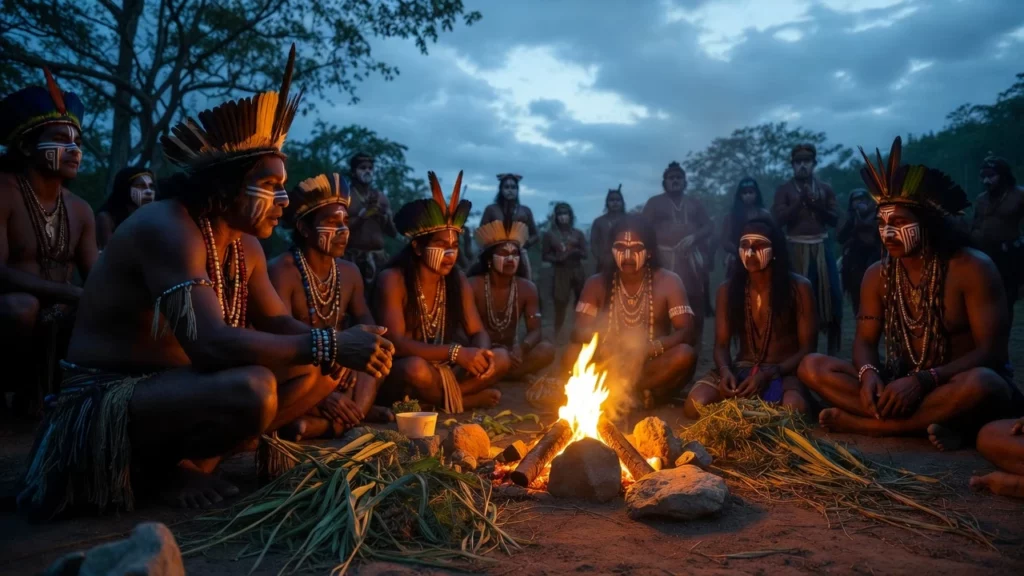
- In the Amazon basin, indigenous groups prepare ayahuasca from the Banisteriopsis caapi vine combined with Psychotria viridis leaves, using the brew in guided ceremonies to address trauma, gain wisdom, and strengthen community bonds.
- In Central Africa, the Bwiti tradition relies on iboga (Tabernanthe iboga) root bark for initiation rites and personal transformation.
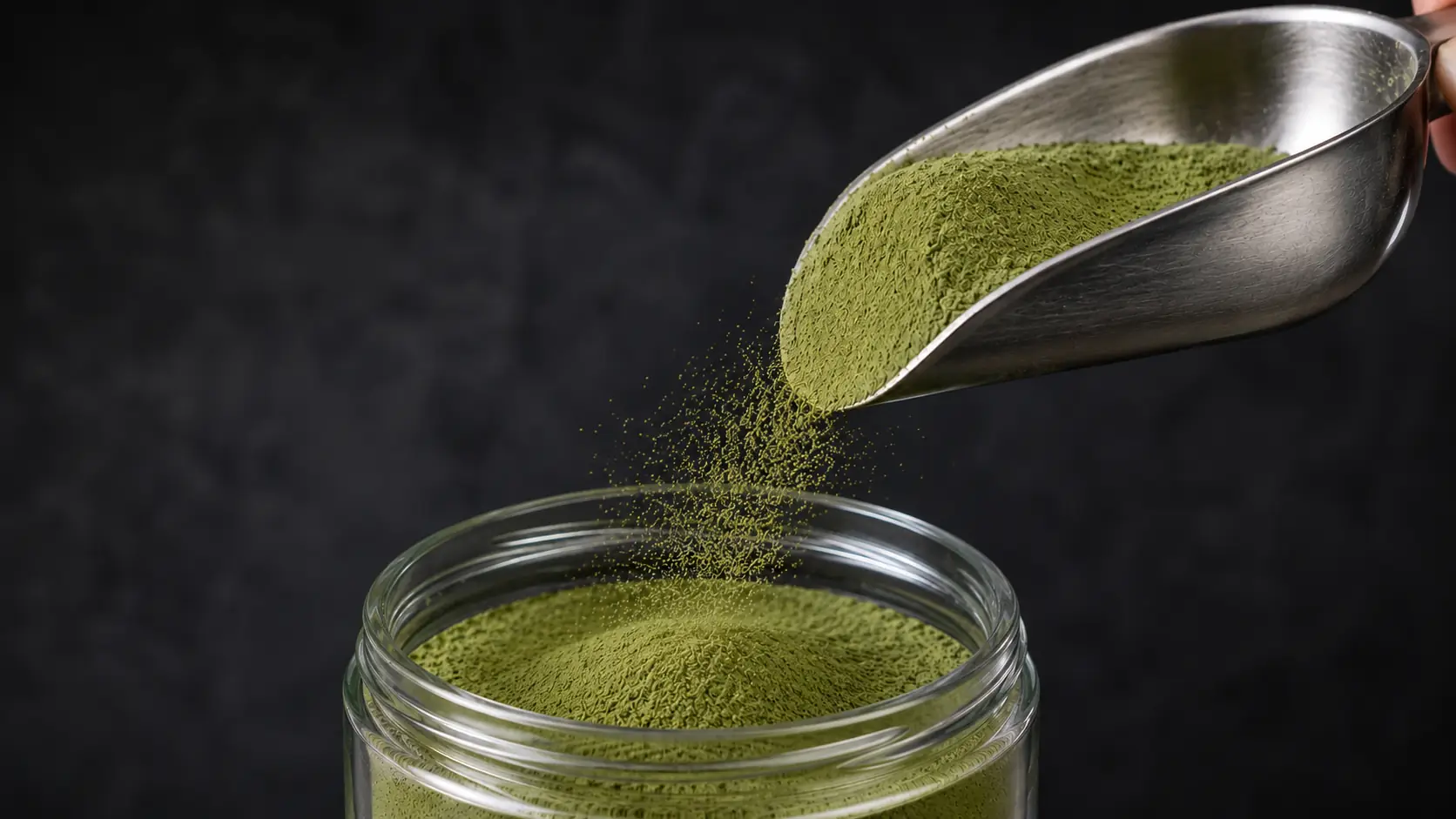
- Across Southeast Asia, workers and rural communities have chewed fresh kratom leaves for centuries to increase stamina, ease discomfort, and create social connection.
These plants were never viewed simply as recreational substances. They existed within sophisticated cultural frameworks that integrated physical, mental, and spiritual health. When European colonial powers expanded across the globe, however, they frequently encountered these traditions with suspicion or hostility.
Colonial authorities often labeled indigenous healing practices as primitive, superstitious, or even dangerous. Missionaries and administrators sought to replace native systems with European medicine and Christian beliefs. In some regions, bans on sacred plants served as tools of cultural suppression, helping to erode traditional authority structures and assert dominance. This colonial mindset created an enduring pattern: many plants that had been safely used for generations in their cultural context were reframed as threats when viewed through a Western lens.
The Birth of Global Drug Control
The modern framework for why certain plant medicines are banned took shape in the early 20th century. Initial international agreements focused on controlling the opium trade and coca-derived products, leading to the 1912 International Opium Convention. These early efforts laid groundwork for a system that would eventually expand far beyond narcotics.
In 1961, the United Nations adopted the Single Convention on Narcotic Drugs, which classified cannabis, coca leaf, and opium poppy under strict international control. A decade later, the 1971 Convention on Psychotropic Substances extended restrictions to a wider range of psychoactive compounds, including mescaline (found in peyote), psilocybin (from certain mushrooms), DMT (a component of ayahuasca), and others. These substances were placed in the most restrictive schedules, based on assessments of abuse potential, dependence liability, and lack of recognized medical use at the time.
Although the conventions primarily targeted isolated active compounds rather than whole plants in most cases, many governments interpreted the rules to prohibit the plants themselves. Some countries negotiated reservations allowing limited traditional or religious use. Mexico and Peru, for example, preserved rights related to peyote and ayahuasca, but export, commercial trade, and widespread access remained heavily restricted. The International Narcotics Control Board has clarified that plants like peyote cactus, Banisteriopsis caapi (used in ayahuasca), and iboga are not directly scheduled under the conventions when used in traditional contexts, yet national laws often apply broader prohibitions.

Politics and Moral Panic in the 20th Century
Domestic politics played an enormous role in solidifying these bans. During the mid-20th century, rising recreational use of psychedelics and cannabis in Western societies triggered widespread concern. Governments responded with aggressive prohibition policies, often fueled by moral panic about youth culture, social disorder, and perceived threats to traditional values.
In the United States, the 1970 Controlled Substances Act created five schedules, placing many plant-derived psychedelics in Schedule I, the strictest category, indicating no accepted medical use and high abuse potential. This classification system influenced legislation in dozens of other countries. While religious exemptions later emerged (such as for peyote in the Native American Church following legal challenges), most plant medicines remained tightly controlled outside narrow exceptions.
Kratom, which gained broader attention more recently, illustrates how political and regulatory dynamics continue to shape restrictions. Although not scheduled under the 1971 convention, several countries and U.S. states have imposed bans or severe limitations based on concerns about dependence, safety in unsupervised use, and potential for abuse. As of 2026, kratom remains federally unscheduled in the U.S., but high-potency extracts face increased scrutiny from agencies like the FDA.
Scientific Caution and the Challenge of Research
Scientific considerations also contribute to why certain plant medicines remain banned. Many contain potent alkaloids capable of producing profound changes in perception, mood, and physiology. Regulators express legitimate worries about risks such as psychological distress in unprepared users, interactions with medications, or the potential for dependence in certain contexts.
At the same time, the very existence of prohibitions has historically limited rigorous scientific study. Until recently, obtaining permission to research Schedule I substances was extremely difficult in many countries, creating a feedback loop: limited research meant limited evidence of safety or benefit, which in turn reinforced restrictive policies.
Over the past two decades, attitudes have slowly shifted. Renewed interest in psychedelics for treating conditions like depression, PTSD, and addiction has led to increased clinical trials in controlled settings. The DEA has significantly increased production quotas for research compounds like psilocybin and DMT in 2026, reflecting growing scientific demand. Some jurisdictions have adjusted policies for cannabis and begun exploring regulated access to other plant-derived compounds. Yet international treaties continue to create significant barriers to sweeping reform.
Emerging Shifts: Decriminalization, Exemptions, and Future Prospects
Recent years have brought notable changes that highlight evolving perspectives on plant medicines.
Advances in the United States
Key developments include:
- Colorado becoming the first state to decriminalize ayahuasca, DMT, and iboga for adult use through the 2022 Natural Medicine Health Act (Proposition 122), with potential expansion to additional substances like mescaline planned for supervised therapeutic contexts around 2026.
- Oregon and Colorado advancing regulated psilocybin programs, with Oregon’s Measure 109 establishing supervised services and Colorado implementing healing centers.
- Cities in Washington state (such as Jefferson County) decriminalizing certain natural psychedelics, prioritizing enforcement elsewhere.
Religious Exemptions and Traditional Protections in Canada
Canada presents a nuanced picture. Ayahuasca, containing DMT (a Schedule III substance), is generally restricted, but notable exceptions include:
- Health Canada granting Section 56 exemptions to several Santo Daime churches (such as Céu do Montreal, Céu de Toronto, Céu da Divina Luz do Montreal, Église Santo Daime Céu do Vale de Vida, and others, now numbering around six or more as of recent years) allowing them to import, possess, and use ayahuasca as a sacrament in religious ceremonies under strict conditions (often renewable every two years).
- Peyote enjoying a specific exemption under the Controlled Drugs and Substances Act: while mescaline is scheduled, the whole peyote cactus (Lophophora williamsii) is explicitly not prohibited, meaning it can be legally possessed, grown, sold, and used in Canada (as long as mescaline is not extracted).
- Kratom remaining in a gray area: it is not listed as a controlled substance, so personal possession and use are not illegal, but it cannot be sold or marketed for human consumption without Health Canada authorization.
- Psilocybin and related compounds staying tightly controlled federally, with no broad decriminalization, though limited exemptions exist for therapy in research or special access cases.
Global Trends and Advocacy Efforts
Globally:
- Countries like Mexico and Peru maintain protections for traditional use.
- Nations such as the Netherlands and Belgium tolerate limited access in specific settings.
- Advocacy groups increasingly emphasize religious freedom, indigenous rights, and therapeutic potential, leading to task forces, pilot programs, and research initiatives in places like California, Minnesota, and beyond.
These developments suggest a gradual move away from blanket prohibition toward more nuanced regulation, focusing on supervised use, cultural respect, and evidence-based policy. However, federal and international frameworks still impose substantial hurdles, and progress varies widely by region.

Cultural Rights and the Path Forward
The persistence of bans on certain plant medicines also reflects broader questions of cultural justice. Indigenous communities argue that restrictions often ignore the context in which these plants have been safely used for centuries. They point to the importance of ceremony, guidance from experienced practitioners, and integration within community life, elements frequently absent in Western recreational or self-medication scenarios.
Increasingly, advocates call for policies that respect traditional knowledge, recognize indigenous stewardship, and allow controlled, culturally appropriate access while still protecting public health. Legal victories based on religious freedom and indigenous rights have created narrow pathways in some places, but comprehensive change remains slow due to entrenched treaty obligations and differing national priorities.
Frequently Asked Questions
Q: Are all plant medicines banned for the same reasons?
A: No. Bans vary by plant, country, and historical context. Some stem from colonial-era suppression of indigenous practices, others from international treaties targeting specific psychoactive compounds, and many are reinforced by modern concerns about safety, dependence, or recreational misuse. For example, peyote often receives religious exemptions, while kratom faces scrutiny primarily due to its opioid-like effects at higher doses.
Q: Why do international treaties still control these plants if some are used safely in traditional settings?
A: The 1961 and 1971 UN conventions were created during a period of global concern over narcotics and emerging recreational drug use in Western countries. They prioritize uniform control to prevent diversion and abuse, even though they allow limited traditional reservations. Changing these treaties requires consensus among member states, which has proven difficult despite evolving scientific and cultural perspectives.
Q: Can individuals legally use these plants in Canada today?
A: It depends on the plant. Kratom is not controlled, so personal possession and use are generally allowed, though sale for consumption is not authorized. Peyote (the whole cactus) is explicitly exempt from prohibition. Ayahuasca is restricted but permitted for certain religious groups via Section 56 exemptions. Psilocybin and iboga remain tightly controlled with only limited research or special-access exceptions.
Q: Is research on these plant medicines becoming easier?
A: Yes, gradually. In recent years, regulatory bodies in the U.S. and elsewhere have increased quotas for research materials, and more clinical trials are underway for therapeutic uses of psilocybin, DMT, and others. However, international scheduling and national laws continue to create significant bureaucratic and funding barriers.
Q: Will these bans ever be lifted completely?
A: Complete lifting is unlikely in the near term due to entrenched international obligations and public health concerns. However, many experts predict continued movement toward decriminalization, regulated therapeutic access, religious exemptions, and protections for traditional use, especially as evidence of benefits in controlled settings grows and cultural recognition increases.
Final Thoughts
The question of why certain plant medicines are banned cannot be reduced to a single factor. Colonial legacies created early suspicion, international treaties established rigid global controls, domestic politics amplified prohibitionist responses, and scientific caution has sustained many restrictions even as evidence evolves.
Today, the landscape shows signs of gradual movement toward greater nuance: more research, religious exemptions, decriminalization efforts in select regions, and recognition of cultural heritage. Yet the core prohibitions endure for most of these plants in much of the world. Understanding this history encourages a more balanced perspective: one that honors both the profound value these medicines hold for many communities and the legitimate concerns about safety in a modern, globalized world.