Imagine wandering through the dense, humid rainforests of Southeast Asia, where towering trees with glossy green leaves hide secrets used by locals for generations. At the heart of this lush landscape stands the Mitragyna speciosa tree, better known as the kratom tree. Its leaves, when harvested and dried, form the basis of a variety of products that people turn to for different reasons.
Among these, black vein kratom stands out as one of the more mysterious and potent options. If you’ve ever wondered what black vein kratom really is, you’re not alone. This strain has sparked curiosity among those exploring natural plant options, thanks to its deep colour and reported intensity.
Understanding Black Vein Kratom: A Distinctive Strain
Defining Black Vein Kratom
Black vein kratom refers to a specialized form of kratom derived primarily from red vein leaves that undergo extended processing. Unlike the more common white, green, or red varieties, black vein kratom achieves its dark hue through deliberate fermentation or drying techniques. This process enhances certain properties, making it a go-to for those seeking deeper relaxation.
The Kratom Plant and Its Harvest
To truly grasp black vein kratom, it helps to start with the plant itself. The kratom tree thrives in tropical climates, reaching heights of up to 50 feet with branches that spread wide to capture sunlight. Its leaves are oval-shaped, about four to eight inches long, and feature prominent veins running through the center. These veins aren’t just structural; they play a role in transporting nutrients and alkaloids, the natural compounds responsible for the leaf’s effects. Harvesting happens selectively, with pickers choosing leaves at specific stages of maturity to influence the final product.
In regions like Indonesia and Thailand, where kratom has deep cultural roots, farmers have honed these practices over centuries. They climb the trees or use long poles to reach the upper leaves, ensuring minimal damage to the plant for future yields. Once picked, the leaves are cleaned and prepared for drying, a step that can vary widely. For black vein kratom, this preparation goes further, involving steps that darken the material and shift its profile. But before diving into that, let’s consider why someone might seek out this particular type. Often, it’s the promise of a more pronounced calming influence that draws people in, especially after trying milder options.
As we explore further, keep in mind that experiences with black vein kratom can differ based on factors like dosage, individual body chemistry, and even the time of day it’s used. Many describe it as an evening companion, helping to unwind after a demanding routine. Yet, its rarity means not everyone encounters it right away. With that foundation, let’s trace its story back to where it all begins.
The Roots of Kratom: Origins in Southeast Asia
Cultural History of Kratom
Kratom’s journey starts in the steamy lowlands of Southeast Asia, a region where biodiversity meets human ingenuity. Native to countries such as Indonesia, Thailand, Malaysia, and Papua New Guinea, the Mitragyna speciosa tree has been part of local life since at least the early 1800s. Historical accounts from Thai villages paint a picture of labourers chewing fresh leaves to combat fatigue during long days in rice fields or rubber plantations. The plant’s energizing qualities at low amounts made it a staple for endurance, while higher portions offered a soothing respite from aches.
Over time, kratom wove itself into traditional remedies. In Malaysian folklore, it appeared in poultices for wounds and teas for digestive unease. Indonesian communities, particularly on Borneo, valued it for easing the strains of manual work. These uses weren’t random; they stemmed from keen observations of how the leaves interacted with the body.
Regional Influences on Kratom Varieties
The tree prefers well-drained soil rich in nutrients, often growing wild near riverbanks where seasonal floods enrich the earth. This environment contributes to the leaf’s robust alkaloid content, varying slightly by locale. Borneo, for instance, yields leaves with a fuller body, attributed to the island’s volcanic soils. In contrast, Thai varieties might carry a sharper edge from the drier, hillier terrains. These geographical nuances laid the groundwork for the diverse forms we see today.
As colonial influences spread in the 19th century, European botanists documented kratom, noting its relation to the coffee family. This connection explains the mild stimulation some feel, akin to a gentle caffeine lift but with added layers. By the mid-20th century, kratom faced restrictions in its homeland due to concerns over productivity in labour forces. Thailand banned it in 1943, pushing its use underground.
Yet, in Indonesia, it flourished unregulated, allowing farmers to refine harvesting methods passed down through families. Elders taught younger generations to select leaves by hand, avoiding mechanical tools that could bruise them. This careful approach preserved the plant’s vitality, ensuring sustainable yields from the same groves year after year. Understanding this history adds depth to appreciating black vein kratom, as its processing builds on these time-tested traditions. It’s not just a product; it’s a continuation of cultural wisdom adapted for modern needs.
How Black Vein Kratom Emerges: Harvest and Processing
Harvesting Red Vein Leaves for Black Vein Kratom
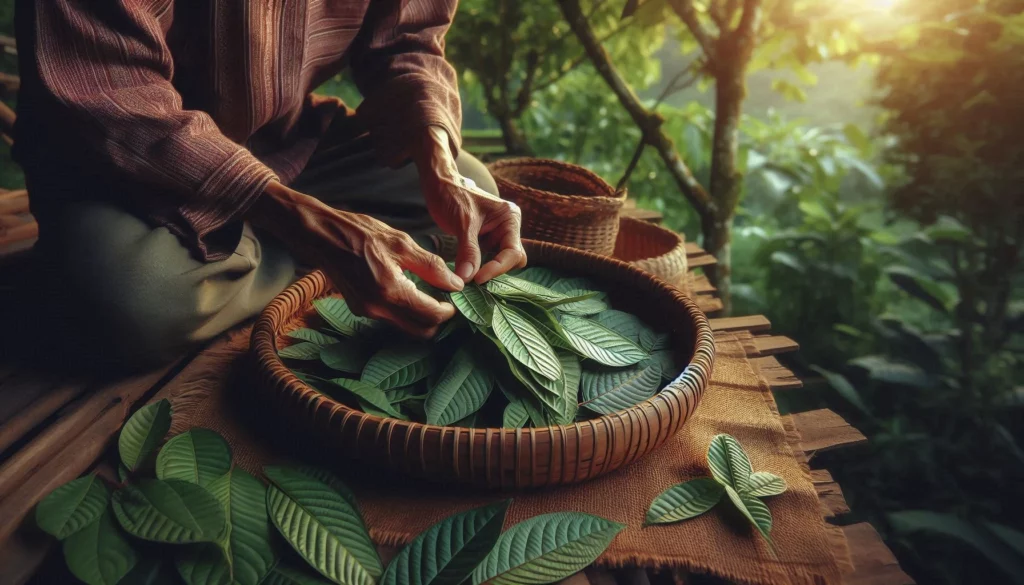
Turning fresh kratom leaves into black vein kratom involves more than simple drying; it’s an art form refined over generations. The process begins with red vein leaves, harvested when the plant reaches peak maturity. At this stage, the veins have shifted to a reddish tone, signaling higher concentrations of certain compounds. Pickers target the middle canopy, where leaves receive optimal sun without scorching. They twist the stems gently to avoid tearing, collecting them in woven baskets to prevent crushing.
The Fermentation Process
Once gathered, the leaves head to shaded drying areas, often under large tarps or in barns to control humidity. For standard red kratom, this might last a day or two, followed by grinding into powder. Black vein kratom, however, takes a longer path. Producers pack the leaves into airtight bags or barrels, allowing natural moisture to trigger fermentation. This step, sometimes repeated two or three times, mimics aging in fine wines, where controlled breakdown enhances flavours and strengths.
During fermentation, enzymes break down chlorophyll, darkening the leaves to a near-black shade. The process spans three to seven days per cycle, with workers monitoring temperature to avoid mold, ideally keeping it around 80 to 90 degrees Fahrenheit. Stirring occurs periodically to ensure even exposure. Some artisans add humidity by misting lightly, accelerating the transformation without overdoing it. This isn’t roasting, as heat above 120 degrees can degrade delicate elements; instead, it’s a slow, ambient evolution.
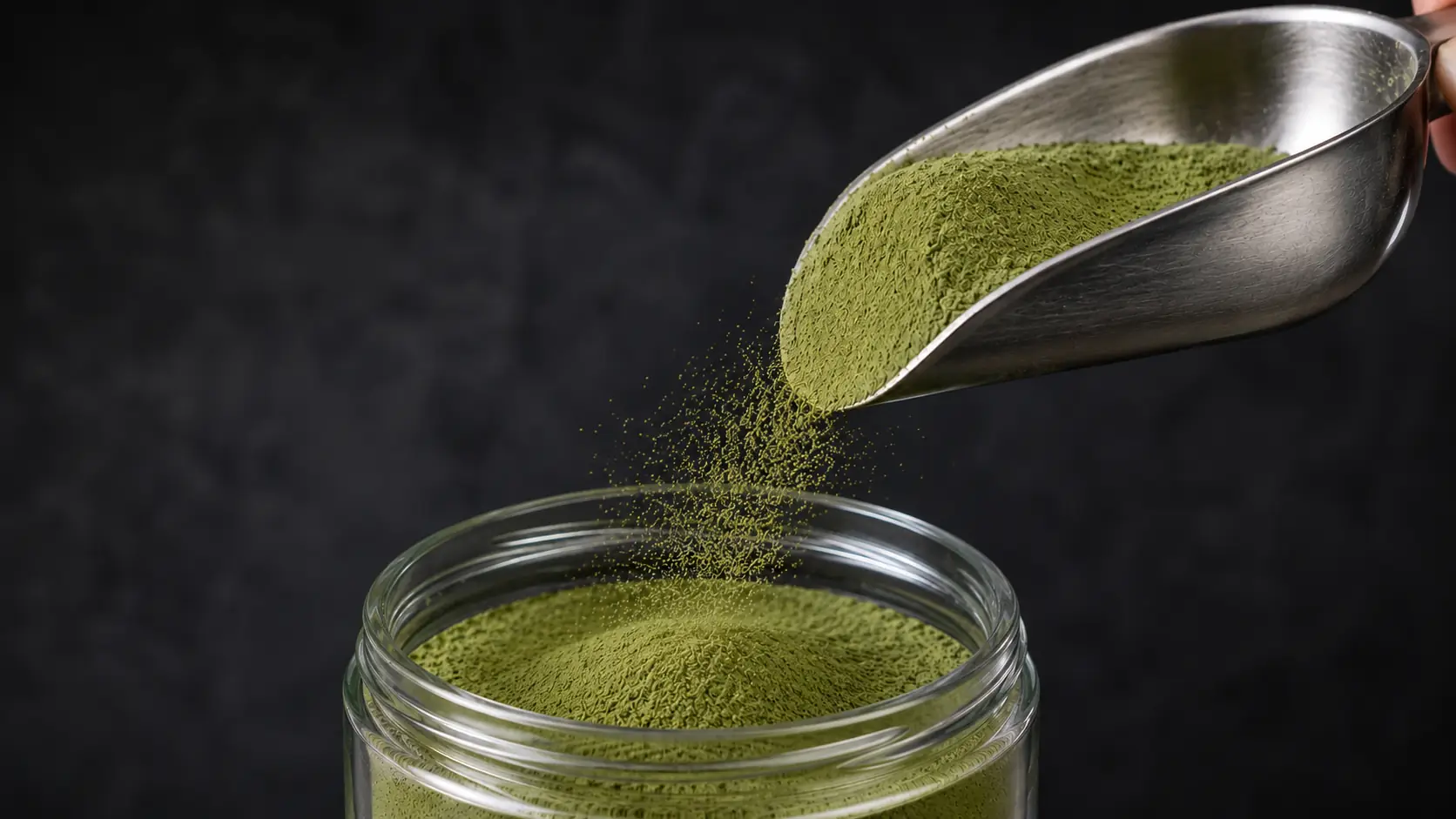
After fermenting, the leaves undergo final sun-drying to halt the process and preserve the new profile. The result is a deeper, richer material with veins that appear blackened. Grinding follows, yielding a fine powder or crushed form ready for use. Variations exist, with some blending in green leaves for subtlety, but the core remains rooted in red vein bases. This method isn’t universal; only select farms specialize in it, contributing to its scarcity.

The Unique Profile: What Sets Black Vein Kratom Apart
Distinct Effects of Black Vein Kratom
In the spectrum of kratom varieties, black vein kratom carves a niche with its intensified character. While white vein options shine for morning clarity and green for midday balance, black leans into evening repose. Its fermentation amplifies relaxing qualities, creating a smoother transition into rest compared to unprocessed reds. Users often note a velvety onset, like sinking into a warm bath after a brisk walk.
This distinction arises from the processing’s impact on natural elements. The extended fermentation boosts certain relaxing compounds compared to regular fermented kratom, leading to a more consistent feel. Picture it as a bolder cousin to red strains, familiar yet elevated. For those navigating busy lives, this can mean better boundaries between work and unwind time. It’s less about a sharp buzz and more about a gentle anchor.
Sensory Effects of Black Vein Kratom
Diving into the effects of black vein kratom reveals a tapestry of sensations meant for simple relaxation. Many first-timers describe a subtle wave of ease washing over tension points, starting in the shoulders and easing downward. This isn’t abrupt; it unfolds gradually, inviting deeper breaths and looser limbs. For evening rituals, it complements dim lights and soft music.
At moderate levels, it nurtures a sense of presence, quieting the mental chatter that lingers from the day. Some liken it to the hush after a storm, clear yet comforting. Physical comforts follow, with reports of softened edges around daily strains. It’s this blend of mental hush and bodily softness that positions it as a nighttime ally.
Timing and Pairing for Optimal Experience
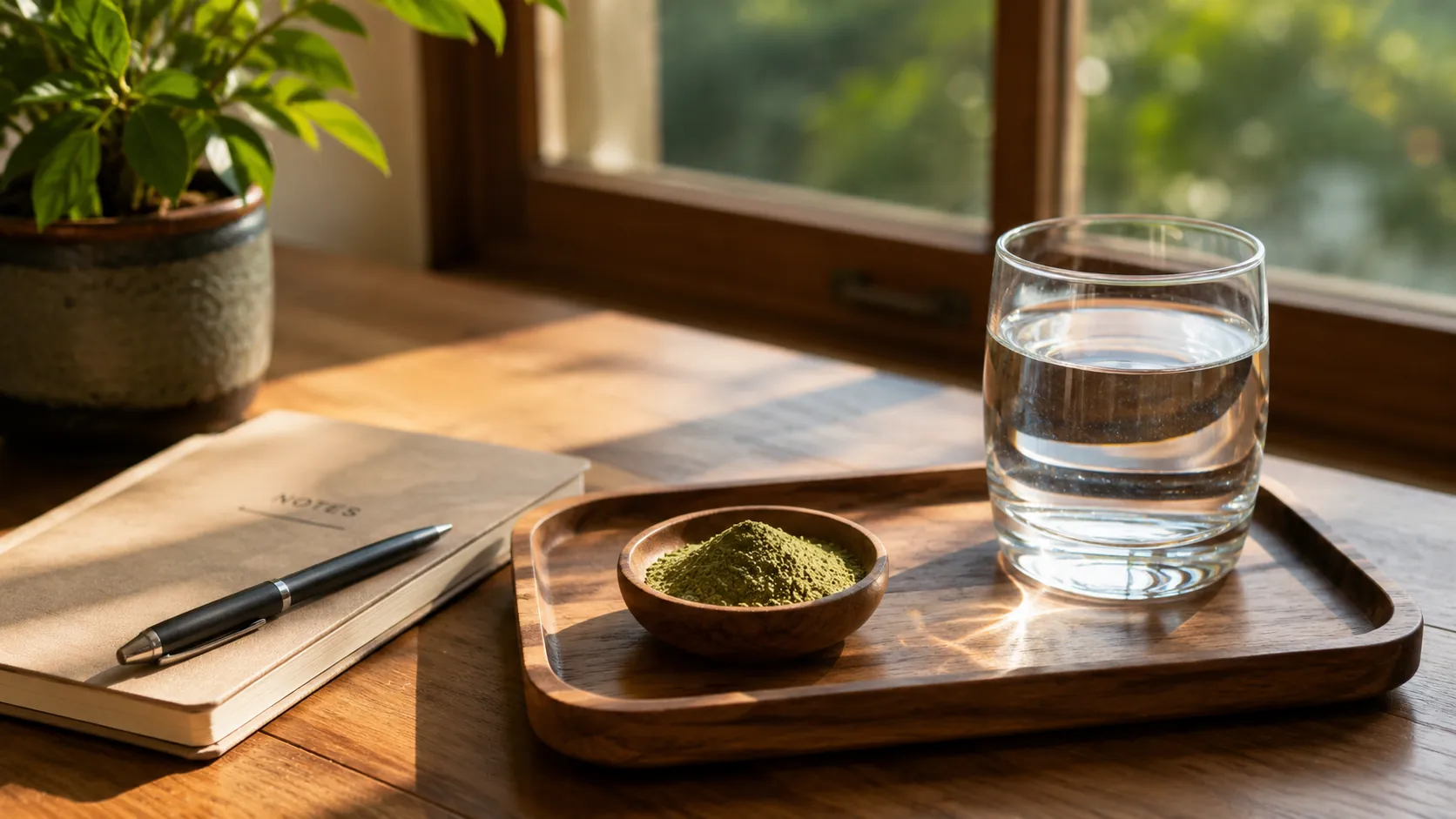
Duration plays a part too. Onset hovers around 20 to 40 minutes, peaking smoothly before a gentle fade. This arc suits those winding down without abrupt shifts. Pairing with hydration enhances clarity, as the body appreciates steady support. Over time, patterns emerge: consistency in timing builds familiarity, allowing fine-tuning for personal rhythms. Blends with other elements, like herbal teas, can soften its profile further, adding floral notes to the earthy base. Here, experimentation meets intuition, crafting moments of peaceful serenity.
Everyday Applications: Fitting Black into Your Routine
Incorporating black vein kratom into daily life often centers on transition phases. After a full afternoon, a small portion might signal a shift to personal time, easing the handover. It’s popular among creatives seeking flow without distraction, or active folks recovering from exertion. The key lies in alignment, using it when rest is needed, not as a constant. For mood support, it shines in reflective practices, like journaling before going to bed. Portioning thoughtfully prevents overwhelm, keeping benefits forefront. Hydration and light movement amplify positives, turning routine into ritual.
Don’t sleep on adding black vein kratom to your next weekend! A tiny dose can be your secret weapon for a relaxing movie marathon or a slow morning with a good book, giving you that cozy, relaxed edge. Pair it with a cup of tea or a stretch session to for variety, and you’ve got a laid-back ritual that feels just right for unwinding.

Frequently Asked Questions About Black Vein Kratom
Q: What makes black vein kratom different from other kratom strains?
A: Black vein kratom is derived from red vein leaves but undergoes a unique fermentation process that darkens the leaves and enhances their relaxing properties. Unlike white strains, which offer energy, or green strains, which provide balance, black vein kratom focuses on deep calm, making it ideal for evening use.
Q: Is black vein kratom stronger than red vein kratom?
A: The strength of black vein kratom depends on the user and dosage, but its fermentation often amplifies its calming effects compared to standard red vein kratom. It’s considered more potent for relaxation, though individual responses vary.
Q: Can beginners use black vein kratom safely?
A: Beginners can use black vein kratom, but starting with a low dose is key to gauge its effects. Its potency calls for mindful use, paired with hydration and a relaxed setting to optimize the experience.
Q: Where is black vein kratom typically sourced from?
A: Black vein kratom is primarily sourced from Indonesia where farmers use traditional methods to harvest and ferment red vein leaves for this unique strain.
Q: How should I store black vein kratom to maintain its quality?
A: Store black vein kratom in a cool, dark, airtight container to preserve its freshness and potency. Avoid exposure to heat, moisture, or sunlight, which can degrade its quality over time.
Reflections on the Journey with Black Vein Kratom
Black vein kratom carries a quiet clarity. From rainforest origins to gentle fermentation, it reflects nature’s subtle balance. Its calming, grounding presence invites you to pause. Approach it with curiosity and care, letting your own experience guide you. In a hurried world, plants like this can help steady the day. Whether for occasional calm or a gentle daily rhythm, black vein kratom offers a simple path to ease.