Kratom, a tropical plant native to Southeast Asia, has captured the interest of wellness enthusiasts for its varied effects, from gentle stimulation to soothing relaxation. These effects arise from alkaloids like mitragynine and 7-hydroxymitragynine, which interact with the body in unique ways. Another group of compounds in kratom leaves, tannins, may play a subtle role in how these alkaloids are absorbed. While tannins in kratom are not the primary focus, their potential to influence alkaloid absorption could shape the user experience. Understanding this relationship provides valuable insights for those seeking to deepen their connection with this fascinating plant.
Understanding Tannins in Plants
Tannins are polyphenolic compounds found in many plants, including kratom (Mitragyna speciosa). If you have tasted the puckering bitterness of strong black tea or red wine, you have experienced tannins. In nature, these molecules serve as a defense mechanism, deterring herbivores with their astringent flavour and protecting plants from pathogens or environmental stress. Tannins bind to proteins and other molecules, creating a bitter taste or inhibiting harmful microbes.
In kratom leaves, tannins vary in concentration based on factors like strain, growing conditions, and harvest timing. They contribute to the earthy, slightly bitter taste of kratom tea or powder. While their flavour is noticeable, their potential to interact with alkaloids, the compounds responsible for kratom’s effects, makes them particularly noteworthy for users. This interaction may influence how kratom’s active components are processed in the body.
The Role of Alkaloids in Kratom
To understand the potential role of tannins, we first need to consider alkaloids. These nitrogen-containing compounds drive kratom’s effects. Mitragynine, the most abundant alkaloid, provides stimulation at lower doses and relaxation at higher ones. 7-hydroxymitragynine, though less prevalent, is more potent and contributes to kratom’s pain-relieving and sedative properties. The effectiveness of these alkaloids depends on their bioavailability, or how much of the compound reaches the bloodstream and becomes active.
Absorption occurs primarily in the digestive system, where alkaloids must dissolve and pass through the gut lining. Factors such as preparation method, dosage, and individual physiology influence this process. Tannins in kratom leaves may add complexity, potentially affecting how alkaloids are absorbed and experienced.

How Tannins in Kratom Might Influence Absorption
When you consume kratom, whether as tea, powder, or capsules, the alkaloids must navigate the digestive tract to produce their effects. Tannins, with their unique chemical properties, may influence this process in several ways. Although the exact mechanisms are not fully understood, their interactions with alkaloids, digestive enzymes, and the gut environment suggest a potential role in shaping kratom’s effects.
Binding and Solubility Dynamics
Tannins are large, complex molecules that can bind to other compounds, including alkaloids. This binding may alter the solubility of alkaloids, affecting how readily they dissolve in the digestive tract and enter the bloodstream. For example, tannins might form complexes with alkaloids, creating larger structures that are less water-soluble. This could slow the release of alkaloids in the stomach, potentially leading to a delayed onset of effects but a more gradual, sustained experience.
Alternatively, tannins might stabilize alkaloids under certain conditions, making them more accessible to digestive processes. The outcome likely depends on factors like tannin concentration, the specific alkaloids present, and the preparation method. For users, this variability suggests that tannins in kratom could subtly shift the intensity or duration of effects, though further research is needed to confirm these dynamics.
Interactions with Digestive Enzymes
The digestive system relies on enzymes to break down compounds, including alkaloids. Tannins are known to bind to proteins, including enzymes like amylase or protease, which could influence their activity. By interacting with these enzymes, tannins might slow the breakdown of kratom’s components, leading to a more gradual release of alkaloids. This could result in a smoother, less intense experience for some users, though the effect is likely subtle.
In kratom tea, where tannins are extracted into the water, this interaction may be more pronounced. A longer steeping time increases tannin content, which could further modulate enzyme activity and alkaloid release. Users experimenting with tea might notice differences in effect based on brewing duration, potentially due to tannins’ influence.
Effects on the Gut Environment
Tannins may also affect the gut’s pH and microbial balance, both of which play a role in alkaloid absorption. The stomach’s acidic environment and the intestines’ alkaline conditions influence how alkaloids are ionized and absorbed. Tannins, being mildly acidic, could subtly shift the pH in the digestive tract, potentially affecting alkaloid bioavailability.
Additionally, tannins have antimicrobial properties that may influence the gut microbiome. A balanced microbiome supports digestion and nutrient absorption, including alkaloids. While the impact of tannins on gut bacteria is not fully studied in the context of kratom, their antimicrobial effects might create a more favorable environment for alkaloid uptake in some cases. However, this effect is likely minor and varies between individuals.
Tannins and Kratom Preparation Methods
The way kratom is prepared can significantly affect its tannin content and, potentially, alkaloid absorption. Different methods extract or retain tannins to varying degrees, which may influence the user experience.
Kratom Tea
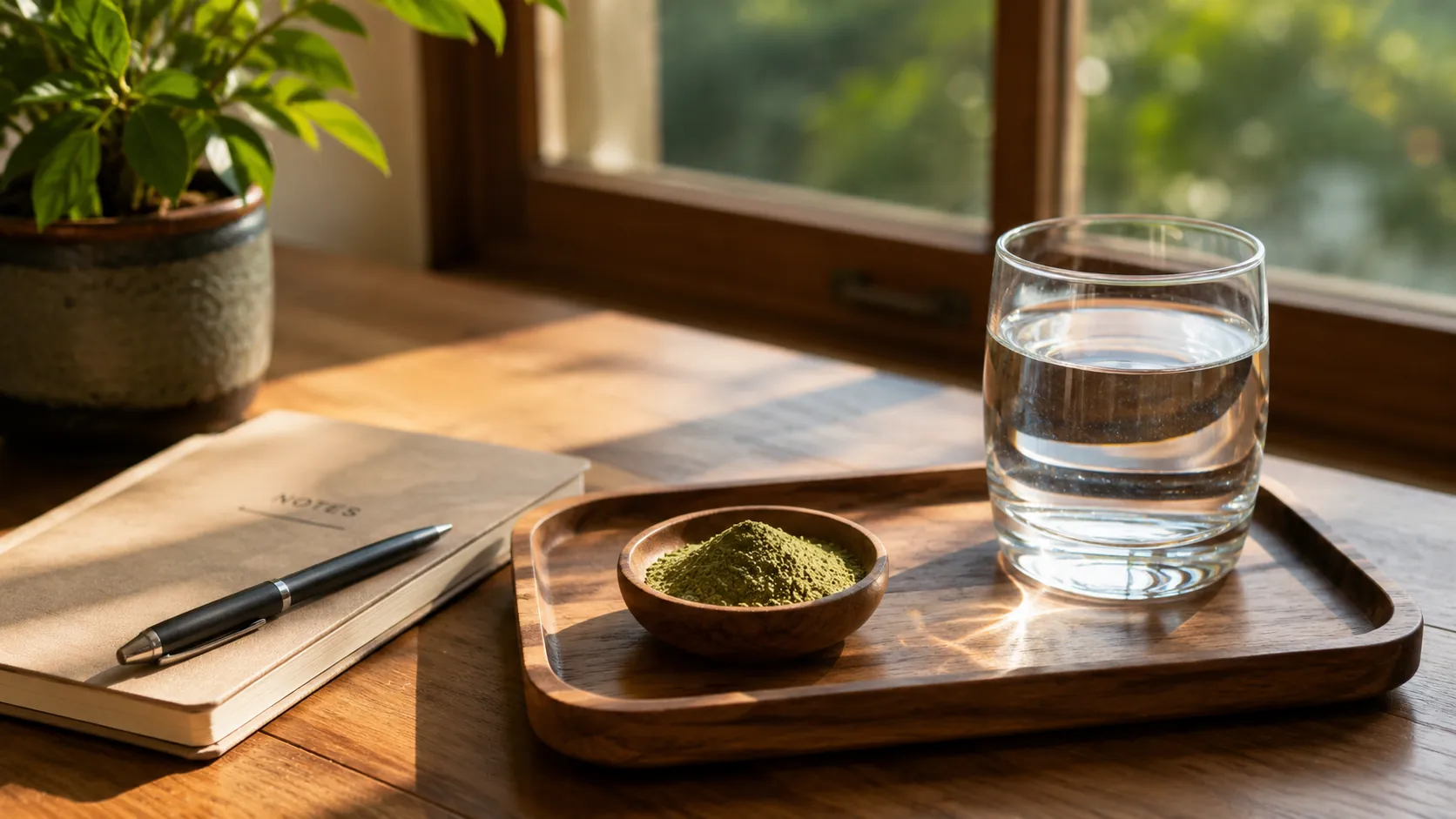
Brewing kratom tea is a traditional method in Southeast Asia. Hot water extracts both tannins and alkaloids, with longer steeping times increasing tannin concentration. A quick five-minute steep may yield lower tannin levels, potentially allowing faster alkaloid absorption. A 15- to 20-minute steep, however, increases tannins, which might slow alkaloid release and extend the duration of effects. Users can adjust brewing times to explore how tannins in kratom shape their experience.
Capsules
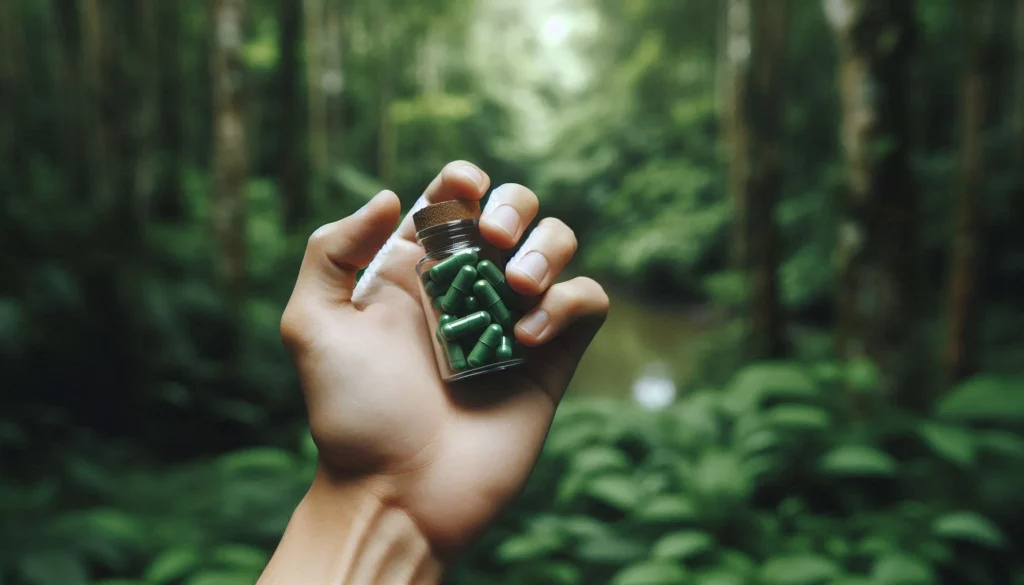
Kratom capsules encase powder in a dissolvable shell, delaying the release of tannins and alkaloids until the capsule dissolves. This slower release might lead to a more gradual onset of effects compared to tea or powder. For those sensitive to kratom’s bitterness, capsules offer a tannin-inclusive experience without the astringent taste.
Kratom Powder
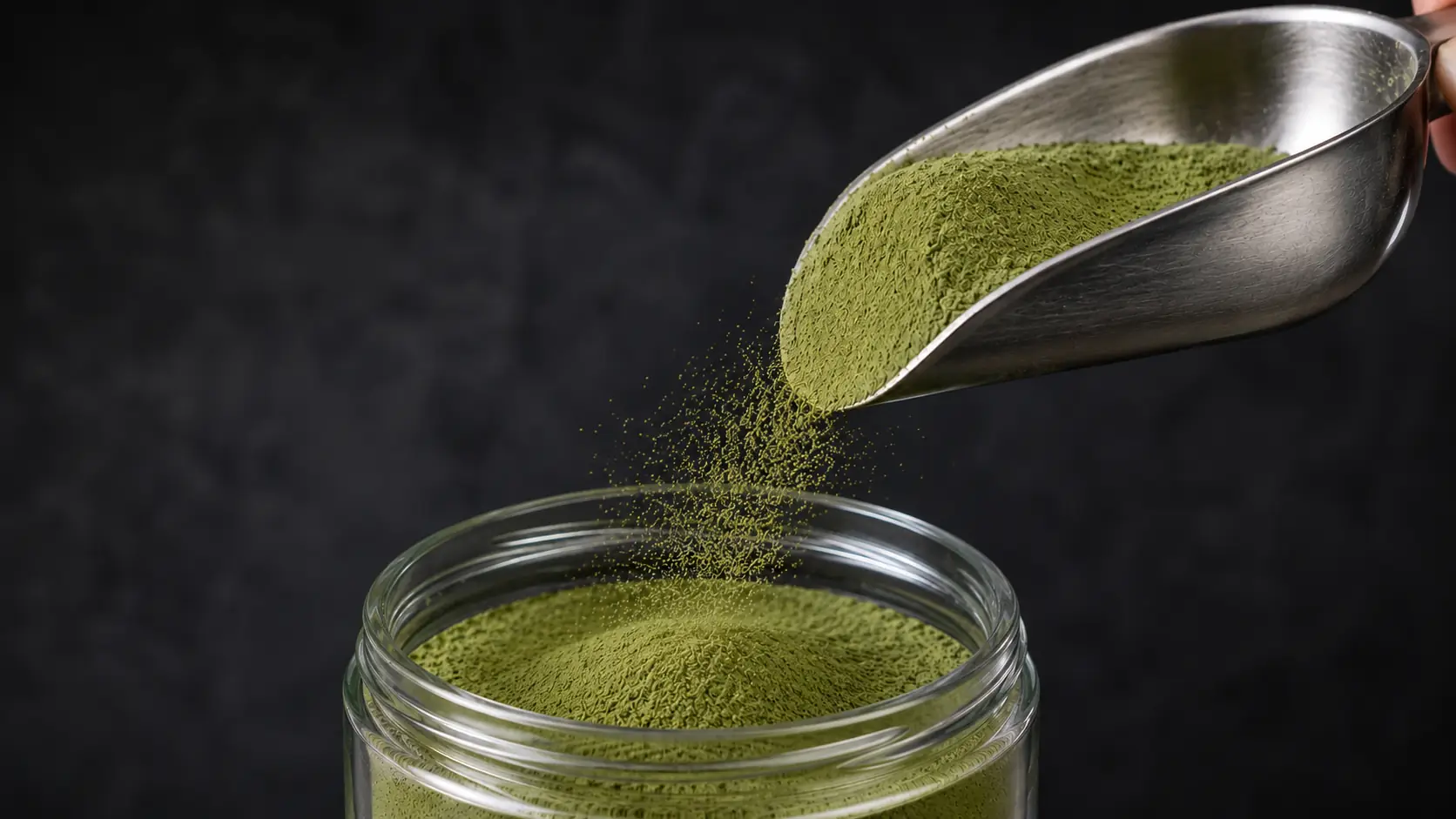
Consuming kratom powder directly, often mixed with water or juice, delivers tannins and alkaloids without extraction. The full tannin content in the powder may bind to alkaloids in the stomach, potentially delaying absorption compared to tea. This method ensures all plant compounds are ingested, which might result in a more complex effect profile for some users.

Practical Tips for Kratom Users
While the influence of tannins in kratom on alkaloid absorption is not fully definitive, understanding their potential role can help users optimize their experience. Here are some practical considerations:
Experiment with Strains
Kratom strains like Red Bali or Green Maeng Da vary in tannin and alkaloid content due to differences in growing conditions or harvest timing. Older leaves may have higher tannins, potentially leading to a slower alkaloid release. Trying different strains can help you identify which ones align with your preferences.
Fine-Tune Preparation
For a potentially faster effect, brew kratom tea with a short steep to reduce tannin extraction. For a possibly longer-lasting experience, use a longer steep or consume powder directly. Individual responses to tannins vary, so start with small doses to gauge your reaction.
Support Digestive Health
Since tannins might affect the gut environment, maintaining healthy digestion can support alkaloid absorption. A balanced diet, adequate hydration, and probiotics may enhance how your body processes kratom. Consuming kratom with food can reduce potential digestive discomfort from tannins.
Be Cautious of Interactions
Tannins might bind to medications or supplements in the gut, potentially reducing their absorption. If you take medications, consult a healthcare professional before using kratom to avoid interactions.
Tannins in the Context of Plant Medicine
Tannins are common in many medicinal plants, valued in traditional practices for their astringent and antimicrobial properties. In kratom, their potential to influence alkaloid absorption adds complexity to its use. Southeast Asian traditions, such as chewing fresh leaves or brewing tea, likely leveraged tannins’ effects intuitively. Modern users can combine this wisdom with emerging insights to refine their approach.
Optimizing Tannins and Alkaloids
To explore the potential effects of tannins in kratom, try these approaches:
- Test small doses: Start with 1 to 2 grams to see how tannins and alkaloids affect you, then adjust accordingly.
- Vary preparation methods: Experiment with tea steeping times or powder to observe differences in tannin influence.
- Stay hydrated: Tannins can be astringent, so drink plenty of water to support digestion.
- Track your response: Note how different strains and methods feel, as tannin effects vary by individual.
FAQ
Q: What are tannins in kratom, and why do they matter?
A: Tannins in kratom are polyphenolic compounds that give the plant its bitter taste. Found in the leaves, they may influence alkaloid absorption by interacting with digestive processes, potentially affecting how kratom’s active compounds, like mitragynine, reach the bloodstream. Understanding their role helps users choose preparation methods that suit their needs.
Q: How do tannins in kratom affect the taste of kratom tea?
A: Tannins contribute to the astringent, earthy flavour of kratom tea. A longer steeping time extracts more tannins, intensifying the bitterness. Users can reduce this by steeping for shorter periods or adding sweeteners like honey to balance the taste while still consuming tannins.
Q: Can tannins in kratom cause side effects?
A: In some users, high tannin intake may lead to digestive discomfort, such as nausea or constipation, especially with large doses of kratom powder or tea. Starting with small amounts and staying hydrated can help minimize these effects.
Q: Do all kratom strains have the same tannin content?
A: No, tannin levels vary across kratom strains due to factors like growing conditions, harvest timing, and leaf maturity. Older leaves often contain more tannins, which may influence alkaloid absorption differently than younger leaves. Experimenting with strains can help users find their preference.
Q: How can I reduce the impact of tannins in kratom if I find them unpleasant?
A: To lessen tannins’ astringency, try brewing kratom tea with a shorter steep time (five minutes or less) or use capsules to avoid the taste altogether. Mixing kratom powder with juice or smoothies can also mask the bitterness while delivering tannins and alkaloids.
Q: Are tannins in kratom beneficial beyond absorption?
A: Tannins may offer antioxidant properties, potentially reducing oxidative stress, and their antimicrobial effects could support gut health. While these benefits are not fully confirmed for kratom, they align with tannins’ roles in other plants and may add secondary value.
Q: Where can I find high-quality kratom to ensure consistent tannin levels?
A: Source kratom from reputable vendors like Pharmakeia, which offers lab-tested products with clear strain and origin details.
Conclusion
When exploring tannins and alkaloids, they reveal the nuanced complexity of kratom’s effects. Tannins in kratom may subtly influence how alkaloids are absorbed, shaping the timing and intensity of the experience.
By understanding these interactions and experimenting with preparation methods, users can customize their kratom journey to their unique needs. Ultimately, a deeper understanding of kratom’s botanical intricacies empowers users to engage with this plant thoughtfully and responsibly.