When preparing kratom powder, the way you incorporate it into a liquid can make a noticeable difference in the final consistency and ease of consumption. Many people who use kratom regularly debate shaking vs stirring kratom as the preferred technique for mixing. This choice influences how well the powder disperses, whether clumps form, and overall how enjoyable the process becomes. Shaking tends to provide more vigorous agitation through rapid motion, while stirring offers controlled, steady movement. Understanding these differences helps users achieve a smoother mixture without frustration.
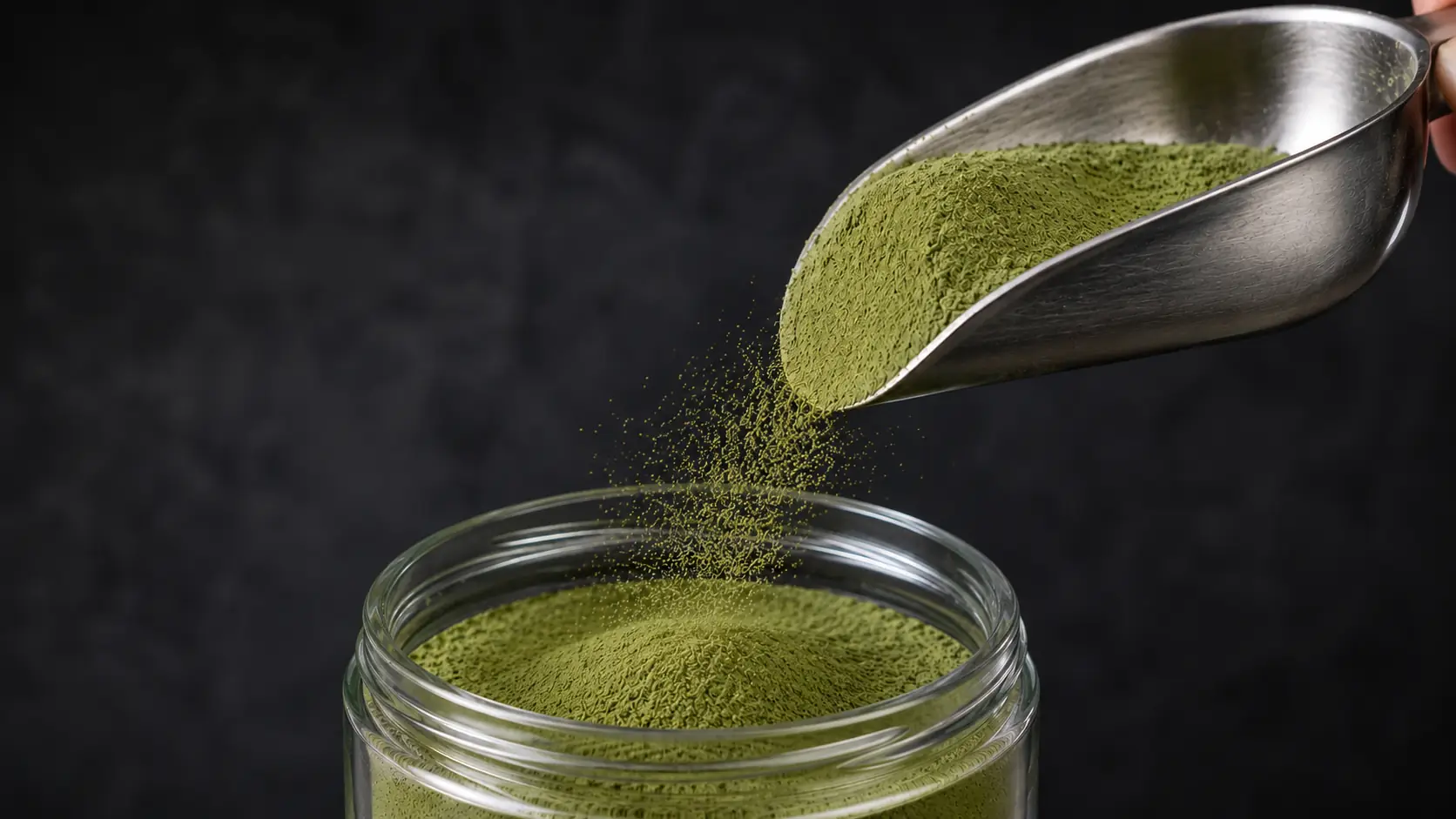
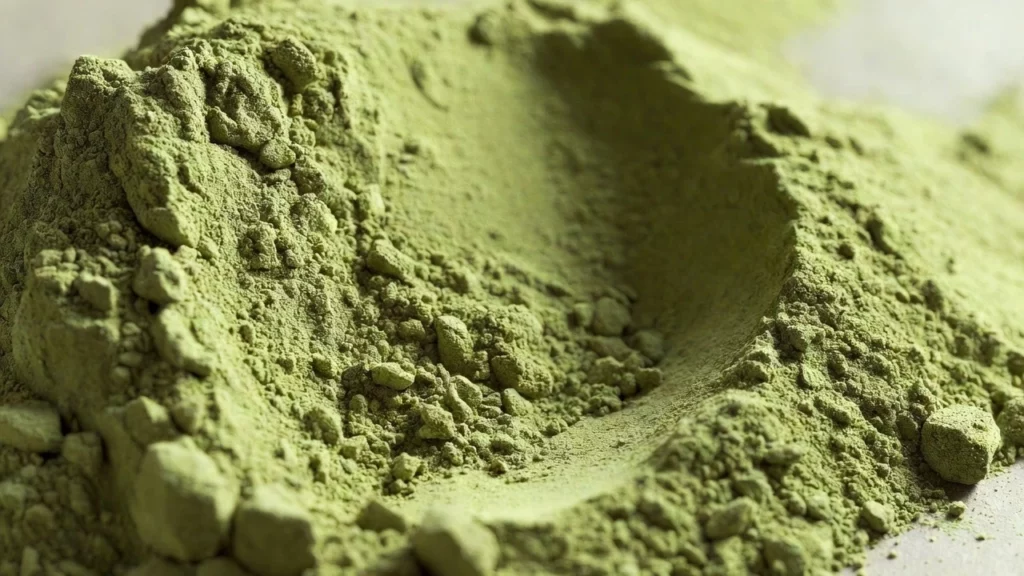
Kratom powder consists of fine particles that are partially hydrophobic. This means the powder naturally repels water to a degree, causing it to float or form clumps when first added to liquid. Effective mixing breaks up these clumps and distributes the particles evenly throughout the beverage. The agitation method directly affects how quickly and thoroughly this happens.
Why Agitation Matters in Kratom Preparation
Agitation refers to any mechanical action that moves the liquid and powder together to promote dispersion. Without sufficient agitation, kratom powder can settle at the bottom, stick to the sides of the container, or create pockets of undissolved material. This leads to an uneven experience where some sips are stronger than others, or the powder remains gritty.
The primary goal of mixing is uniform suspension. Kratom alkaloids, the active compounds in the leaves, are not highly water-soluble under neutral conditions. Most users work with room-temperature or slightly warm water, juice, or other beverages where full dissolution is not the aim. Instead, the focus is on even distribution to avoid swallowing dry powder or dealing with sediment.
Shaking and stirring represent two common, accessible approaches. Shaking involves sealing the mixture in a container and applying forceful, back-and-forth or circular motions. Stirring uses a spoon, whisk, or similar tool in an open vessel with repeated circular or figure-eight movements. Each has distinct mechanics that affect the outcome.
How Shaking Works for Kratom Mixing
Shaking delivers high-energy agitation in a short time. When you place kratom powder and liquid in a bottle or shaker cup and shake vigorously, the contents experience rapid acceleration and deceleration. This creates turbulence, shear forces, and collisions between particles and the container walls.
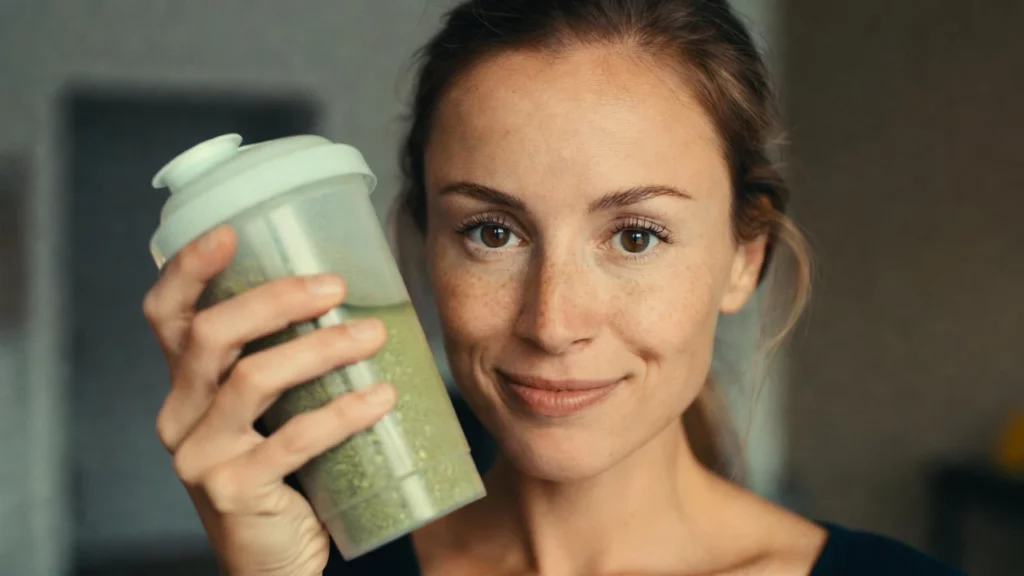
Many users prefer shaker bottles with built-in mixing balls or wires. These additions bounce around during shaking, physically breaking apart clumps and preventing re-agglomeration. A typical recommendation is to shake for 30 to 90 seconds, depending on the volume and powder amount. The sealed environment prevents spills, making it convenient for on-the-go preparation.
The vigorous motion excels at incorporating hydrophobic powders. The intense movement forces liquid into contact with powder surfaces quickly, reducing floating layers. Shaking often results in a more homogeneous mixture with fewer visible clumps. It is particularly effective for thicker liquids like smoothies or when adding kratom to protein shakes, where density differences can complicate dispersion.
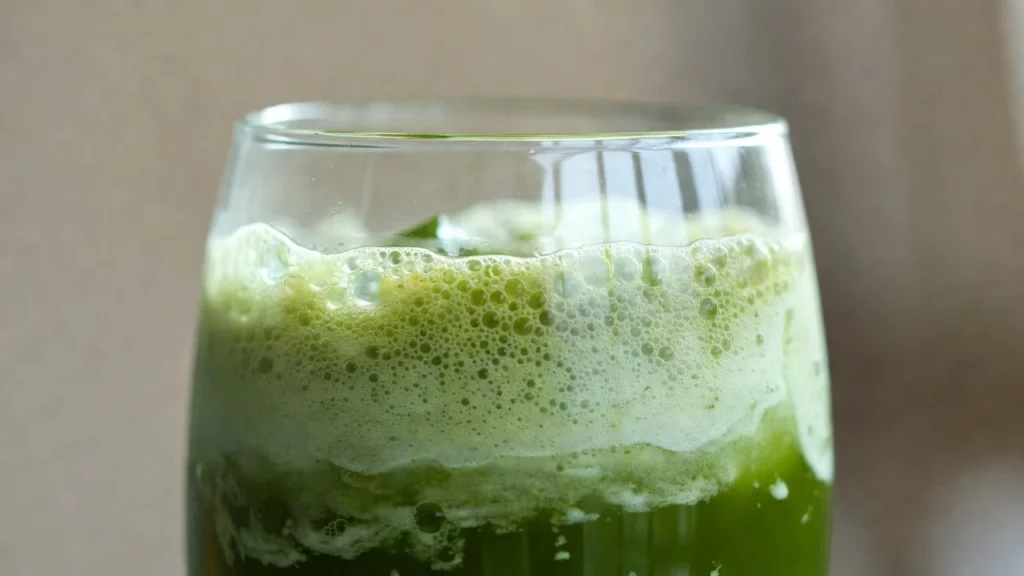
However, shaking is not without drawbacks. Over-shaking can introduce excessive air, leading to foam that some find unappealing. In very cold liquids, shaking might not warm the mixture enough to improve flow. The force can also cause minor splashing inside if the container is not filled properly, though a good seal minimizes this.
The Mechanics of Stirring Kratom Powder
Stirring provides a more gentle, deliberate form of agitation. Using a spoon or stir stick, you create consistent circular patterns or side-to-side motions in an open glass or mug. This method allows precise control over speed and direction, letting you target stubborn clumps directly.
Stirring works well for smaller batches or when using hot liquids, as heat can slightly improve particle wetting. Many people start by adding a small amount of liquid to the powder to form a paste, then gradually incorporate more while stirring continuously. This “paste method” reduces initial clumping by ensuring all powder contacts liquid early.
The controlled nature of stirring makes it ideal for those who prefer to watch the process and adjust as needed. It avoids introducing too much air, resulting in a calmer surface with less foam. Stirring also pairs nicely with techniques like adding citrus juice or other acids first, as you can mix them thoroughly before adding the full liquid volume.
On the downside, stirring requires more time and effort to achieve the same level of uniformity as shaking. Without enough persistence, clumps can persist, especially with finer powders. Arm fatigue can set in during longer sessions, and it’s less practical in portable scenarios, since an open container risks spills.
Comparing Shaking vs Stirring Kratom: Key Differences in Results
When directly comparing shaking vs stirring, several practical differences emerge based on how users typically prepare kratom.
- Clumping reduction favours shaking in most cases. The high kinetic energy dislodges particles more effectively than manual stirring. Shaking often leaves a smoother suspension with minimal sediment after settling.
- Speed of mixing leans toward shaking. A solid 60-second shake can outperform several minutes of stirring for dispersion quality. This makes shaking appealing for quick routines.
- Uniformity throughout the drink shows variation. Shaking distributes powder more evenly across the entire volume due to chaotic motion. Stirring can achieve good results, but may leave slight gradients if not thorough.
- Foam and aeration differ noticeably. Shaking introduces bubbles, which can create a frothy top layer. Some users enjoy this texture, while others find it off-putting. Stirring keeps the mixture flatter and less aerated.
- Portability and convenience tilt toward shaking. A sealed bottle allows mixing anywhere without tools. Stirring needs a utensil and stable surface.
- Control and customization favour stirring. You can pause, add ingredients incrementally, or adjust technique on the fly. Shaking is more all-or-nothing once the container is closed.
- Suitability for different liquids varies. Thicker beverages like yogurt-based drinks or smoothies benefit from shaking’s power to overcome viscosity. Thinner liquids like water or juice respond well to either, though stirring suffices for small amounts.
These differences highlight that neither method is universally superior. The best choice depends on context, personal preference, and specific setup.
Factors That Influence Mixing Effectiveness Beyond the Method
Several variables interact with agitation technique to determine the final mixture quality. Particle size of the kratom powder plays a role. Finer powders tend to clump more due to higher surface area and static attraction. Coarser or micronized versions may disperse easier regardless of method. Liquid temperature affects wetting. Warmer liquids reduce surface tension, helping powder incorporate faster. Cold drinks often require more agitation, where shaking gains an advantage.
Acidity of the liquid impacts behaviour. Adding lemon juice, citrus, or vinegar lowers pH, which can enhance alkaloid solubility slightly and make particles less prone to floating. This benefits both methods but gives stirring more time to leverage the effect. Volume and ratio matter. Higher powder-to-liquid ratios increase clumping risk, demanding stronger agitation like shaking. Dilute mixtures mix more easily with gentle stirring. Container shape influences results. Wide-mouth glasses suit stirring for easy access. Narrow bottles or shakers optimize shaking by maximizing turbulence.
Practical Tips for Better Results with Shaking
To maximize shaking effectiveness, start with liquid in the container, then add powder slowly to avoid dry pockets. Seal tightly and shake in bursts if foam builds excessively. Use a container at least twice the liquid volume for better movement. Incorporate a mixing ball for enhanced breakup of clumps. After shaking, let it sit briefly to allow large bubbles to rise, then tap gently to release them.
Many find that shaking in a protein shaker bottle yields consistent results with minimal residue on the sides. Experimenting with shake duration helps find the sweet spot where the mixture looks uniform without over-aeration.
Practical Tips for Better Results with Stirring
For optimal stirring, begin with a small liquid amount to create a thick paste, breaking clumps manually before diluting. Use a wide spoon or mini whisk for better leverage. Stir in figure-eight patterns to cover the entire volume. Continue mixing between sips if drinking slowly to prevent settling. The paste approach proves particularly reliable for open containers. It minimizes floating powder and ensures even starting distribution. Adding powder in stages while stirring prevents overload.
Combining Approaches for Hybrid Mixing
Some users blend both techniques for the best outcome. For example, start with stirring to wet the powder and form a paste, then transfer to a sealed bottle for final shaking. This combines initial control with vigorous dispersion. Alternatively, shake first for quick uniformity, then stir gently to knock down foam or incorporate extras like ice or fruit. Hybrid methods often yield the smoothest texture with the least effort overall.
Common Mistakes to Avoid in Kratom Mixing
Avoid dumping powder directly onto the liquid surface without agitation, as this promotes floating mats. Do not under-agitate, leading to uneven doses. Over-shaking can create excessive foam that alters mouthfeel. Using too small a container restricts motion during shaking. Ignoring temperature or acidity can make mixing harder than necessary. Rushing the process often results in persistent clumps that affect the experience.
Frequently Asked Questions
Q: Which method is better for reducing clumping when using cold water?
A: Shaking usually performs better with cold water. The vigorous motion overcomes the higher surface tension and lower particle wetting that occurs at lower temperatures. Stirring can work but often requires significantly more time and effort to break apart the same clumps.
Q: Does shaking kratom introduce too much oxygen and affect the quality?
A: Excessive shaking can add air and create foam, but it does not meaningfully degrade kratom quality in typical home preparation. The foam usually settles within a minute or two. If foam is a concern, shake in shorter bursts or let the mixture rest briefly before drinking.
Q: Can I use an electric frother or blender instead of shaking or stirring?
A: Yes, electric frothers and blenders provide even stronger agitation and often produce very smooth results. They combine elements of both methods with greater power. However, they may introduce more foam or heat the mixture slightly, so they suit users who want maximum uniformity and do not mind the extra equipment.
Q: Why does kratom powder float even after mixing well?
A: Floating occurs because of the powder’s hydrophobic nature and air trapped between particles. Even with good agitation, some particles may remain on the surface temporarily. Stirring or shaking again briefly, or waiting a short time, usually resolves this as the particles become fully wetted.
Q: Is the paste method only useful with stirring?
A: The paste method works best with stirring because it allows precise control while gradually adding liquid. However, you can form a paste first by stirring, then transfer to a shaker bottle for final vigorous shaking. This hybrid approach leverages the strengths of both techniques.
Q: How long should I shake or stir to get a good mix?
A: Shaking typically takes 30 to 90 seconds of vigorous effort for most 8–16 oz servings. Stirring often requires 2 to 5 minutes of steady effort, depending on the amount of powder and liquid temperature. The visual cue is a uniform appearance with no obvious dry pockets or heavy sediment.
Q: Does finer kratom powder change which method I should choose?
A: Finer powders clump more easily due to increased surface area and electrostatic attraction. Shaking tends to handle fine powders more effectively by providing the energy needed to separate them. Stirring still works but may need the paste method and extra patience to avoid persistent clumps.
Q: Will shaking or stirring change the taste or texture noticeably?
A: Shaking can produce a slightly frothier texture due to incorporated air, which some people find smoother while others prefer the flatter consistency from stirring. Taste remains largely the same since the active compounds are distributed evenly in both cases, though better mixing reduces gritty pockets that can concentrate bitterness.
Wrapping Up the Discussion on Shaking vs Stirring
Ultimately, shaking vs stirring boils down to trade-offs in energy, control, and outcome. Shaking offers fast, thorough dispersion, ideal for busy lifestyles or thicker mixes. Stirring provides precision and simplicity for relaxed, customizable sessions. Both methods achieve the core goal of even suspension when applied thoughtfully. By considering factors like liquid type, powder fineness, and personal setup, anyone can select or combine approaches for optimal results.
Mastering this aspect of preparation enhances reliability and satisfaction. Whether opting for vigorous shakes or steady stirs, the effort invested in proper agitation pays off in a smoother, more predictable experience every time.