Seasonal herbalism is a timeless practice that aligns our bodies with the rhythms of nature, harnessing the unique properties of plants to support health and vitality throughout the year. By choosing herbs that resonate with the energy and needs of each season, we can nurture our physical, emotional, and mental well-being in harmony with the natural world. This approach is rooted in centuries-old traditions, drawing from the wisdom of herbalists who understood that plants offer distinct gifts depending on the time of year.
What Is Seasonal Herbalism?
Seasonal herbalism is the practice of using herbs in alignment with the cycles of the seasons to support the body’s changing needs. As the earth transitions through spring’s renewal, summer’s abundance, autumn’s preparation, and winter’s rest, our bodies respond to these shifts with unique physical and emotional demands. Herbalists have long recognized that certain plants are particularly potent or beneficial during specific times of the year, either because of their growth cycles or their ability to address seasonal challenges.
This practice is both an art and a science, blending observation of nature with an understanding of how herbs interact with the human body. For example, spring herbs often support detoxification as the body awakens from winter, while winter herbs focus on warmth and immune support. By attuning ourselves to these natural rhythms, we can cultivate a deeper connection to the environment and enhance our resilience year-round.
Why Seasonal Herbalism Matters
Living in sync with the seasons creates a sense of balance and connection to the earth. Modern life often disconnects us from these cycles, with climate-controlled environments and year-round access to foods and herbs that blur seasonal distinctions. However, our bodies still respond to seasonal changes, whether it’s the urge to eat lighter in spring or the need for warmth in winter. Seasonal herbalism helps us honour these natural shifts, supporting our health with plants that are at their peak or best suited to the season’s challenges.
This approach also encourages sustainability. By using herbs that are locally abundant or harvested at their prime, we reduce reliance on out-of-season imports and support ecological balance. It’s a way to live more intentionally, fostering a relationship with the land and its offerings.
Spring: Awakening and Renewal
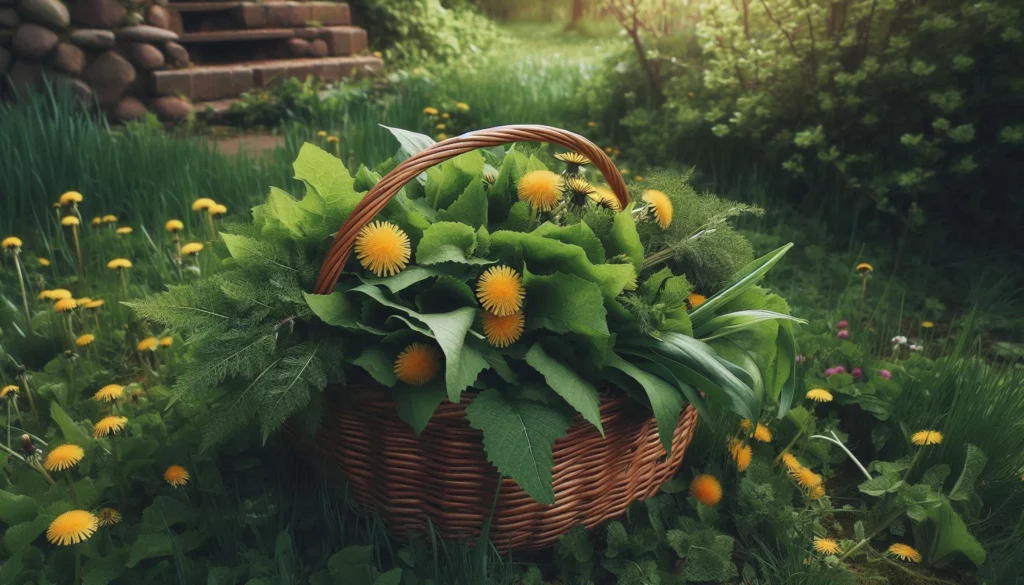
Spring is a season of rebirth, where the earth awakens from its winter slumber, and our bodies crave vitality and cleansing. After months of heavier foods and reduced activity, spring invites us to lighten our systems, support liver function, and embrace the energy of new beginnings. The herbs of this season are often bitter, pungent, or nutrient-rich, helping to stimulate digestion, clear stagnation, and boost energy.
Dandelion: The Liver’s Ally
Dandelion is a quintessential spring herb, often seen as a pesky weed but revered in herbalism for its detoxifying properties. Its bitter leaves and roots stimulate the liver, aiding in the elimination of toxins accumulated over winter. Dandelion is rich in vitamins and minerals, particularly potassium, which supports kidney health and fluid balance. Incorporate dandelion leaves into salads for a nutrient-packed meal or brew the roots into a tea for a gentle cleanse. Foraging for dandelion in early spring, when the leaves are young and tender, is a delightful way to connect with this abundant plant.
Nettle: Nature’s Multivitamin
Stinging nettle is another spring superstar, bursting with vitamins A, C, and K, as well as iron and calcium. Its nourishing qualities make it ideal for replenishing the body after winter’s depletion. Nettle also acts as a natural antihistamine, helping to ease spring allergies. Brew nettle leaves into a tea or add them to soups for a mineral-rich boost. Be sure to harvest nettle with gloves to avoid its stinging hairs, which lose their irritant properties when cooked or dried.
Cleavers: Lymphatic Support
Cleavers, with their sticky, delicate leaves, are a lesser-known spring herb that supports the lymphatic system. This system plays a key role in detoxification, and cleavers help move stagnant lymph, reducing puffiness and promoting clear skin. Blend cleavers into a juice with cucumber for a refreshing spring tonic or infuse them into a tea. Their mild, green flavor makes them an easy addition to daily rituals.
Practical Spring Herbal Practices
To embrace spring’s energy, start your day with a cup of dandelion root or nettle tea. Incorporate fresh, wild greens like dandelion or chickweed into salads or smoothies for a nutrient boost. If foraging isn’t an option, look for dried herbs from local markets or trusted suppliers. Spring is also a great time to start an herb garden, planting perennials like mint or thyme that will return each year.
Summer: Abundance and Cooling
Summer brings warmth, long days, and vibrant energy, but it also challenges the body with heat, sun exposure, and increased activity. The herbs of summer are often cooling, hydrating, and soothing, helping to balance the body’s temperature and support digestion during a season of barbecues and outdoor adventures.
Mint: A Cooling Refresher
Mint is a summer essential, known for its cooling and refreshing qualities. Its menthol content helps lower body temperature, making it ideal for hot days. Mint also supports digestion, easing bloating or discomfort from heavy summer meals. Brew fresh mint leaves into a tea, add them to water with lemon for a hydrating drink, or use them in salads and desserts. Varieties like peppermint or spearmint are easy to grow in pots, ensuring a steady supply all summer.
Hibiscus: Hydration and Heart Health
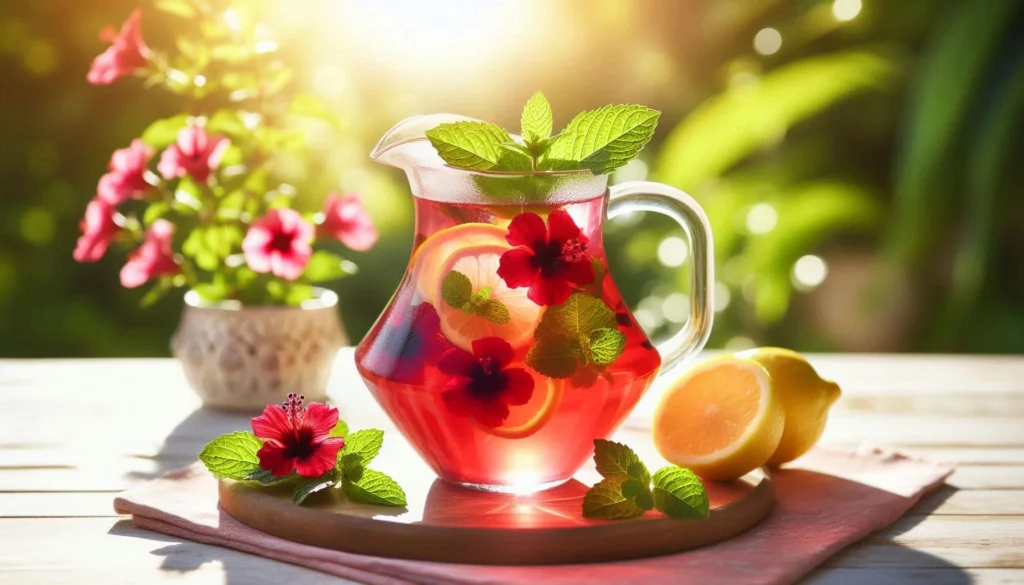
Hibiscus, with its vibrant red flowers, is a tropical herb that shines in summer. Its tart, cooling tea is rich in antioxidants, supporting heart health and reducing inflammation. Hibiscus is also hydrating, making it a perfect beverage for staying refreshed in the heat. Brew hibiscus tea and chill it with a touch of honey for a delicious summer drink, or blend it into smoothies for a nutrient boost.
Calendula: Skin’s Summer Saviour
Calendula’s bright orange flowers are a summer staple for skin health. This herb’s anti-inflammatory and antimicrobial properties make it ideal for soothing sunburns, insect bites, or rashes caused by heat and humidity. Create a calendula-infused oil for topical use or add dried flowers to a bath for a calming soak. Calendula is also edible, adding a pop of color and mild flavour to salads.
Practical Summer Herbal Practices
Keep a pitcher of mint or hibiscus tea in the fridge for hydration on hot days. Make a simple calendula salve by infusing dried flowers in olive oil and blending with beeswax for portable skin relief. Summer is also a great time to dry herbs like mint or calendula for year-round use, preserving their potency for cooler seasons.
Autumn: Preparation and Immunity
As the air turns crisp and the days shorten, autumn signals a time to prepare the body for winter. This season is about strengthening immunity, supporting respiratory health, and grounding the body’s energy. Autumn herbs are often warming, immune-boosting, and focused on fortifying the system against colds and flu.
Elderberry: Immune Powerhouse
Elderberry is a cornerstone of autumn herbalism, celebrated for its immune-supporting properties. Rich in antioxidants and vitamins, elderberries help ward off seasonal illnesses. Elderberry syrup, made by simmering berries with honey, is a delicious way to take a daily dose. Drizzle it over oatmeal or mix it into sparkling water for a tasty tonic. Always cook elderberries before consuming, as raw berries can cause digestive upset.
Astragalus: Deep Immune Support
Astragalus root is a powerful adaptogen that strengthens the body’s resilience to stress and illness. It’s particularly useful in autumn for building deep immune support before winter. Add astragalus slices to soups or broths for a nourishing boost, or brew it into a tea with other warming herbs like ginger. Its mild, slightly sweet flavor makes it versatile for culinary use.
Sage: Respiratory and Digestive Aid
Sage, with its earthy, aromatic leaves, is a potent autumn herb for respiratory health. Its antimicrobial properties help soothe sore throats and clear congestion, while its astringent qualities support digestion. Brew sage tea for a warming drink or use fresh leaves in cooking to enhance flavor and health benefits. Sage is also a perennial, making it a low-maintenance addition to any herb garden.
Practical Autumn Herbal Practices
Prepare elderberry syrup in early autumn to have on hand for the first sign of a cold. Incorporate astragalus into hearty soups or stews for immune support. Gargle with sage tea to soothe a scratchy throat, or burn dried sage as a smudging herb to clear the air and promote mental clarity. Autumn is also a great time to harvest and dry herbs like sage for winter use.
Winter: Warmth and Restoration
Winter is a season of introspection, rest, and nourishment, when the body craves warmth and resilience against cold weather and indoor confinement. Winter herbs are typically warming, immune-supporting, and calming, helping to combat seasonal ailments and support mental well-being during darker days.
Ginger: Warming Circulatory Support
Ginger is a winter essential, known for its warming and circulatory-stimulating properties. It helps combat the chill of winter, supports digestion, and eases symptoms of colds and flu. Grate fresh ginger into tea with honey and lemon for a soothing drink, or add it to soups and stir-fries for flavour and warmth. Ginger’s spicy kick also uplifts mood, making it a great ally for winter blues.
Reishi Mushroom: Immune and Stress Support
Reishi, a medicinal mushroom, is a winter treasure for its immune-modulating and adaptogenic qualities. It helps the body adapt to stress and supports deep immune health, making it ideal for preventing winter illnesses. Brew reishi into a tea or add powdered reishi to hot cocoa for a comforting ritual. Its bitter flavor pairs well with sweet or earthy ingredients.
Chamomile: Calming Comfort
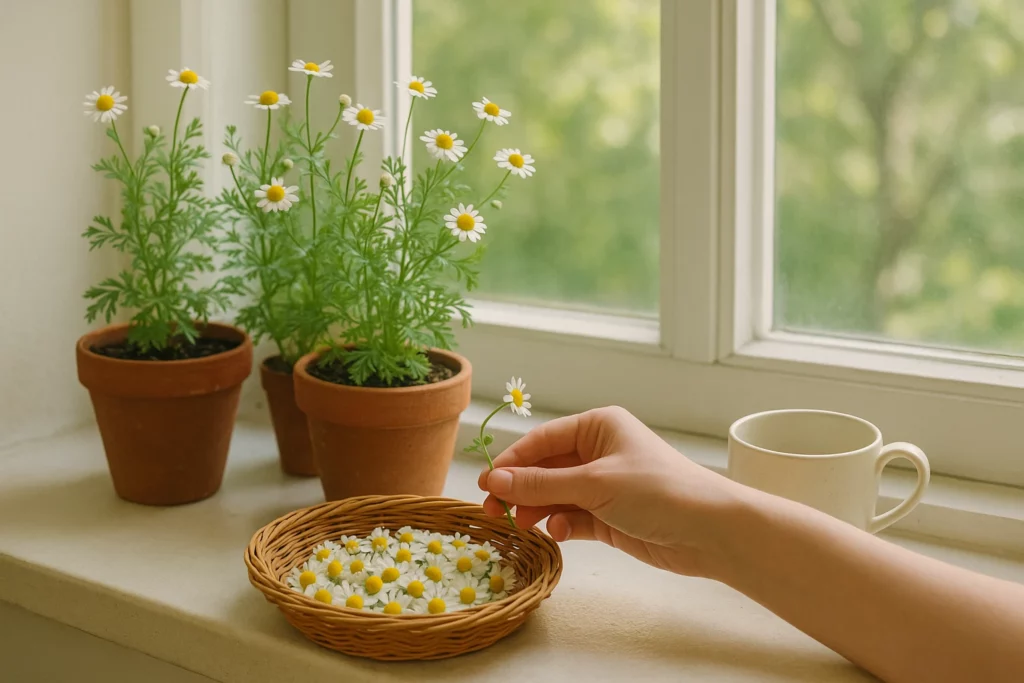
Chamomile’s gentle, apple-like flavor makes it a beloved winter herb for promoting relaxation and sleep. Its calming properties help ease stress and support restful sleep during long winter nights. Brew chamomile tea before bed, or combine it with lavender for a soothing bath blend. Chamomile is also gentle enough for children, making it a versatile household herb.
Practical Winter Herbal Practices
Start your day with a warming ginger tea to boost circulation and mood. Incorporate reishi into evening rituals for immune support and relaxation. Create a winter bath blend with chamomile and lavender to unwind, or make a chamomile-infused oil for dry winter skin. Stock your pantry with dried herbs and roots to ensure a steady supply through the cold months.
Sustainability and Ethical Harvesting
Seasonal herbalism is deeply tied to respecting the earth’s cycles and resources. When foraging or sourcing herbs, prioritize sustainability:
- Harvest Responsibly: Take only what you need, leaving plenty for wildlife and future growth. Follow ethical wildcrafting guidelines, such as harvesting from abundant stands and avoiding endangered plants.
- Support Local Growers: Purchase herbs from local farmers or reputable suppliers who prioritize organic and sustainable practices.
- Grow Your Own: Cultivate herbs in your garden or pots to ensure a fresh, sustainable supply. Perennials like thyme, sage, and mint are low-maintenance and return each year.
Connecting with Nature’s Wisdom
Seasonal herbalism is more than a health practice; it’s a way to reconnect with the earth’s rhythms and deepen our relationship with plants. By observing the cycles of growth, harvest, and rest, we learn to listen to our bodies and the land. This connection allows a sense of belonging and purpose, reminding us that we are part of nature, not separate from it.
As you explore seasonal herbalism, take time to notice the plants around you. Visit a local forest, garden, or meadow to observe which herbs thrive in each season. Journal your experiences with different herbs, noting how they make you feel physically and emotionally. Over time, you’ll develop a personal herbal practice that feels intuitive and empowering.
Frequently Asked Questions About Seasonal Herbalism
Q: How do I start practicing seasonal herbalism if I’m a beginner?
A: Begin with one or two herbs per season that are easy to find, like dandelion in spring or ginger in winter. Start by brewing teas or adding herbs to meals. Read reputable herbalism books or take a local workshop to learn safe practices. Always verify the identity of foraged herbs to avoid toxic plants.
Q: Can I use seasonal herbalism if I live in a city with limited access to fresh herbs?
A: Absolutely. Urban dwellers can source dried herbs from reputable suppliers or local markets. You can also grow herbs like mint or chamomile in pots on a balcony or windowsill. Seasonal herbalism adapts to your environment, focusing on herbs that suit your needs and climate.
Q: Are there herbs I should avoid during certain seasons?
A: Some herbs may not align with seasonal needs. For example, avoid overly stimulating herbs like ginseng in winter when rest is key, or cooling herbs like mint in cold months if you’re prone to chills. Listen to your body and consult an herbalist if you’re unsure about specific herbs.
Q: How does seasonal herbalism differ from year-round herbal use?
A: Seasonal herbalism emphasizes herbs that align with the body’s needs and environmental conditions of each season. Year-round herbalism might focus on general wellness, while seasonal herbalism targets specific challenges, like allergies in spring or immunity in autumn.
Q: Is seasonal herbalism safe for everyone, including children or pregnant individuals?
A: Many herbs, like chamomile, are gentle and safe for most people, but others, like elderberry, require preparation to avoid side effects. Pregnant individuals or those with medical conditions should consult a healthcare provider before using herbs, as some may be contraindicated.
Q: How can I ensure the herbs I use are sustainably sourced?
A: Choose suppliers who prioritize organic and ethical practices. When foraging, harvest sparingly and avoid overpicking. Growing your own herbs ensures sustainability and gives you control over quality. Check for certifications like organic or fair trade when buying.
Final Thoughts
Seasonal herbalism offers a powerful way to enhance health and well-being by aligning with the natural cycles of the year. From the detoxifying bitters of spring to the warming roots of winter, each season brings unique herbs that support the body’s changing needs. By incorporating herbs like dandelion, mint, elderberry, and ginger into your daily life, you can cultivate vitality, resilience, and a deeper connection to the earth.
Whether you’re sipping a cup of chamomile tea on a winter evening or foraging for nettle in the spring, seasonal herbalism invites you to slow down, observe, and engage with the world around you. Start with one herb, one season, and let your journey unfold naturally. The plants are ready to share their wisdom; will you listen?