The Rubiaceae family stands as one of the most diverse and widespread groups in the plant kingdom, captivating botanists and nature enthusiasts alike with its sheer variety and ecological importance. Spanning over 13,000 species across more than 600 genera, this family thrives in habitats ranging from tropical rainforests to temperate woodlands.
What makes the Rubiaceae family so fascinating is not just its numbers but the roles its members play in ecosystems, human culture, and daily life. From providing the morning brew that kickstarts billions of days to offering medicinal compounds used for centuries, plants in this family touch cùng aspects of our world.
Exploring the Basics of Rubiaceae Classification and Traits
To begin with the basics, the Rubiaceae family belongs to the order Gentianales within the asterids clade of flowering plants. Named after the genus Rubia, which includes madder plants historically used for red dyes, the family is characterized by distinctive features that set it apart from others. Most members are woody shrubs or trees, though herbs and vines also abound. Their leaves are typically opposite or whorled, simple in shape, and equipped with stipules (small leaf-like structures at the base of leaf stalks) that often fuse into a sheath-like form called an ochrea in some species.
Flowers in the Rubiaceae family are usually bisexual and symmetrical, arranged in clusters known as inflorescences. These blooms feature fused petals forming a tubular corolla, with four or five lobes, and an inferior ovary positioned below the attachment of other floral parts. Such traits ensure efficient pollination, often by insects drawn to the nectar produced at the base of the flower tube.
Unique Morphological Defenses
One intriguing aspect of the Rubiaceae family’s morphology is the presence of raphides (needle-shaped calcium oxalate crystals) in their tissues. These microscopic structures serve as a defense mechanism against herbivores, causing irritation if ingested. In some species, like those in the genus Galium, the stems and leaves are covered in tiny hooks, earning them the common name “bedstraw” because early Europeans used them to stuff mattresses. This adaptability highlights how the family’s plants have evolved to occupy niches where physical deterrents provide survival advantages.
Moreover, many Rubiaceae species exhibit heterostyly, a genetic polymorphism where flowers on different plants have styles and stamens of varying lengths. This promotes cross-pollination, enhancing genetic diversity and resilience in fluctuating environments.
Global Distribution Patterns of the Rubiaceae Family
Geographically, the Rubiaceae family demonstrates remarkable cosmopolitanism, though its epicenter of diversity lies in the tropics. The highest concentration of species occurs in the humid forests of Central and South America, Southeast Asia, and Africa. For instance, Madagascar alone hosts over 650 endemic species, showcasing the island’s role as a biodiversity hotspot for this group. In contrast, temperate regions like Europe and North America feature fewer representatives, often in the form of herbaceous perennials such as woodruff (Galium odoratum), prized for its sweet-scented leaves used in flavouring May wine.
This distribution pattern reflects the family’s preference for warm, moist climates where consistent rainfall supports lush growth. However, some genera, like Coprosma in New Zealand, have adapted to cooler, oceanic conditions, forming dense shrubs that withstand windy coasts.
Ecological Roles and Interactions
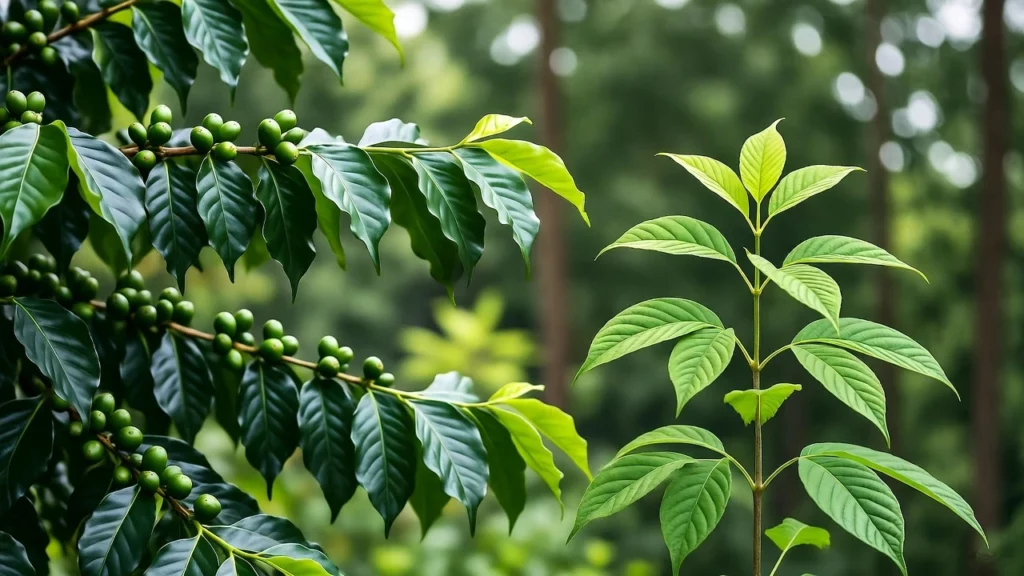
Ecologically, members of the Rubiaceae family contribute significantly to forest dynamics. In tropical understories, they often form part of the shrub layer, providing habitat and food for the myriad insects, birds, and mammals. Certain species engage in mutualistic relationships, such as ant-plant symbioses seen in the genus Hydnophytum. These epiphytic plants develop swollen, hollow stems that house ant colonies, which in turn protect the plant from predators and supply nutrients through their waste. This myrmecophily, or ant-loving tendency, exemplifies the intricate web of interactions that sustain biodiversity.
Additionally, Rubiaceae plants play a role in soil stabilization; their root systems help prevent erosion in hilly terrains, while fallen leaves enrich the humus layer, fostering microbial activity essential for nutrient cycling.
Evolutionary Journey of the Rubiaceae Family
Diving deeper into evolutionary history, the Rubiaceae family is estimated to have originated around 70 to 80 million years ago during the Late Cretaceous period. Fossil evidence, including pollen grains from the Paleogene era found in sedimentary rocks across the globe, suggests an ancient lineage that diverged alongside continental drift. Molecular phylogenetic studies have refined our understanding, placing Rubiaceae into three subfamilies: Cinchonoideae, Ixoroideae, and Rubioideae.
The Rubioideae subfamily, the largest, includes many herbaceous forms and is thought to represent a more derived lineage adapted to open habitats. This evolutionary trajectory involved shifts in floral morphology to exploit different pollinators, from beetles in primitive species to bees and butterflies in advanced ones.
Chemical Riches Within the Family
Chemically, the Rubiaceae family is a treasure trove of secondary metabolites, compounds produced beyond basic growth needs that often confer protective or attractive properties. Alkaloids dominate this profile, with over 200 types identified across the family. These nitrogen-containing molecules can deter pests or attract symbionts. For example, emetine from Cephaëlis ipecacuanha root has emetic properties, inducing vomiting to expel toxins (a trait that led to its historical use in medicine).
Anthraquinones, another class, provide vibrant pigments responsible for the dyes extracted from Rubia tinctorum, which colored textiles in ancient Egypt and Rome. Iridoids, bitter glycosides, further enhance defense strategies, tasting unpalatable to grazers while potentially benefiting human health through anti-inflammatory effects in herbal contexts.
Iconic Members: The Story of Coffee in the Rubiaceae Family
Among the most celebrated plants in the Rubiaceae family is coffee, derived from species in the genus Coffea. Native to the highlands of Ethiopia and Sudan, Coffea arabica accounts for about 60 percent of global production, prized for its mild flavour and aroma. The journey of coffee begins with its red, cherry-like fruits that encase two seeds, commonly known as beans. These seeds contain caffeine, a purine alkaloid that acts as a natural pesticide in the plant, paralyzing insects that attempt to feed on it. Interestingly, caffeine levels vary by species; Coffea canephora, or robusta, boasts nearly double the concentration of arabica, making it more resilient to diseases like coffee leaf rust.
Origins and Cultural Spread
Cultivation of coffee has shaped economies and cultures worldwide since its discovery. Legend attributes its energizing effects to a 9th-century goatherd named Kaldi, who noticed his flock becoming lively after eating the berries. From the Arabian Peninsula, coffee spread to Europe in the 16th century, sparking the rise of coffeehouses as social hubs for intellectual exchange. This dissemination transformed it from a regional stimulant to a global commodity, influencing trade routes and even political movements, such as the Boston Tea Party’s indirect boost to coffee consumption in America.
Botanical Features and Cultivation Practices
Botanically, coffee plants are evergreen shrubs reaching up to 10 meters if unpruned, with glossy leaves and white, jasmine-scented flowers that bloom sporadically. Pollination relies on bees, and the plant’s requirement for shaded growth under canopy trees mimics its natural forest habitat, promoting agroforestry practices that benefit biodiversity. In modern farming, pruning keeps plants at waist height for easy harvesting, while soil pH between 5 and 6 optimizes nutrient uptake. Varieties like typica and bourbon trace back to ancient lineages, with mutations yielding unique flavours profiled in specialty roasts.
Chemical Composition and Modern Challenges
Beyond caffeine, coffee berries yield other compounds like chlorogenic acids, antioxidants that contribute to the beverage’s health associations when consumed in moderation. The plant’s adaptability has led to hybrids resistant to climate change impacts, such as rising temperatures threatening traditional growing regions. In the broader Rubiaceae context, coffee exemplifies how economic botany drives conservation efforts; protected areas in Yemen and Colombia safeguard wild Coffea populations, preserving genetic resources for future breeding.

Kratom: A Notable Botanical in the Rubiaceae Family
Another prominent member of the Rubiaceae family is kratom, scientifically known as Mitragyna speciosa. Indigenous to Southeast Asia, particularly Thailand, Malaysia, and Indonesia, this tropical tree grows up to 25 meters tall with broad, ovate leaves veined in green or reddish hues depending on the strain. Kratom’s leaves contain over 40 alkaloids, including mitragynine and 7-hydroxymitragynine, which interact with opioid receptors in ways that have drawn interest for their stimulating and sedative effects at different doses.
Traditionally, labourers in its native regions chew fresh leaves or brew them into tea to combat fatigue during long workdays in humid plantations. The tree thrives in rich, loamy soils near rivers, flowering with yellow globular heads that develop into capsules filled with winged seeds dispersed by wind. Unlike coffee, kratom prefers full sun to partial shade and propagates easily from cuttings, aiding its cultivation in home gardens across its range.
Ecologically, it contributes to riparian zones by stabilizing banks and providing forage for local wildlife, such as deer that browse its foliage. In the Rubiaceae family, kratom aligns with other alkaloid-rich genera like Uncaria, known as cat’s claw for its hooked thorns, highlighting a shared chemical defense strategy.
Culturally, kratom holds a place in folk practices, where it’s used in rituals or as a poultice for wounds. Its spread beyond Asia in recent decades stems from global interest in ethnobotany, though regulations vary by country due to its potent compounds. Within the family’s diversity, kratom represents the psychoactive potential of Rubiaceae plants, echoing the quinine from Cinchona species that revolutionized malaria treatment in the 17th century.
Other Well-Known Botanicals from the Rubiaceae Family
The Rubiaceae family’s roster includes several other notables that have influenced human endeavors. Here are some standout examples:
- Cinchona: The Quinine-Producing Trees – Native to the Andes, these yield quinine, the first effective antimalarial extracted from bark. Jesuit missionaries introduced it to Europe in the 1630s, saving countless lives and enabling colonial expansions. The genus boasts about 23 species, with leathery leaves and pinkish flowers that attract hummingbirds for pollination.
- Gardenia: Fragrant Ornamentals and Dyes – Gardenia jasminoides originates from East Asia and enchants with fragrant white blooms used in perfumes and teas. Its evergreen shrub form suits ornamental landscaping, while fruits provide yellow dyes. In traditional Chinese practices, gardenia fruits address heat-related imbalances, showcasing the family’s therapeutic legacy.
- Ixora: Vibrant Tropical Blooms – Ixora coccinea, or jungle geranium, brightens tropical gardens with clusters of red, orange, or yellow tubular flowers. Native to South Asia, it attracts butterflies and serves as a hedge plant, tolerant of coastal salts. Its wood finds use in crafting small tools, blending utility with beauty.
- Noni: The Adaptable Island Fruit Tree – Morinda citrifolia grows in Polynesia and produces knobby fruits touted for juice extracts. The tree’s large leaves and intertidal adaptations allow it to colonize volcanic islands, aiding soil formation in harsh settings.
These examples illustrate the Rubiaceae family’s versatility, from ornamentals like Pentas lanceolata, which draws pollinators to urban balconies, to wild species like Psychotria viridis, integral to Amazonian shamanic brews for its dimethyltryptamine content alongside compatible plants.
Economic and Conservation Perspectives on the Rubiaceae Family
Economically, the Rubiaceae family underpins industries worth billions. Beyond coffee’s trillion-dollar trade, madder roots supplied dyes until synthetic alternatives emerged in the 19th century. Today, sustainable harvesting of Uncaria tomentosa supports Amazonian communities, emphasizing fair trade to prevent overexploitation.
Conservation challenges arise from habitat loss; deforestation in Brazil threatens endemic Psychotria species, while climate shifts affect Coffea arabica yields. Initiatives like seed banks at the Millennium Seed Bank preserve genetic material, ensuring resilience. Invasiveness poses another issue (some introduced Rubiaceae, like Spermacoce assurgens, outcompete natives in pastures, necessitating management).
Medicinally, beyond historical uses, compounds from Pausinystalia johimbe provide yohimbine for circulatory support, though ethical sourcing is key. The family’s role in agroecosystems, such as intercropping coffee with natives, enhances carbon sequestration. In research, Rubiaceae serves as models for studying pollination syndromes and alkaloid biosynthesis pathways, advancing fields like pharmacognosy. Community science projects map distributions, aiding citizen involvement in botany.
Frequently Asked Questions About the Rubiaceae Family
Q: What defines the Rubiaceae family botanically?
A: The Rubiaceae family is marked by opposite or whorled leaves with stipules, tubular flowers with fused petals, and an inferior ovary. These features, along with widespread alkaloids and raphides for defense, distinguish it within the Gentianales order, supporting its vast adaptation across habitats.
Q: How many species are in the Rubiaceae family, and where are they most diverse?
A: With over 13,000 species in more than 600 genera, the family’s diversity peaks in tropical regions like Central and South America, Southeast Asia, Africa, and Madagascar, which hosts hundreds of endemics due to its isolated evolution.
Q: Is coffee part of the Rubiaceae family, and what makes it unique within it?
A: Yes, coffee comes from Coffea species in Rubiaceae, unique for its caffeine-rich seeds that act as natural pesticides. Its cultural spread from Ethiopia has made it an economic giant, differing from relatives by favoring shaded, high-altitude growth for optimal flavor development.
Q: What role does kratom play in the Rubiaceae family?
A: Kratom (Mitragyna speciosa) is a Southeast Asian tree in Rubiaceae, noted for alkaloid-packed leaves used traditionally for energy and relaxation. It shares the family’s chemical defenses but stands out for its riparian habitat preferences and easy propagation.
Q: How does the Rubiaceae family contribute to ecosystems?
A: Rubiaceae plants stabilize soils, form mutualisms like ant symbioses in Hydnophytum, and support pollinators through nectar-rich flowers. In forests, they enrich understories, aiding nutrient cycling and biodiversity in tropical and temperate zones alike.
Q: Can Rubiaceae plants be grown ornamentally?
A: Absolutely, species like Gardenia jasminoides and Ixora coccinea thrive as garden staples for their fragrant blooms and vibrant colors, tolerating various conditions and attracting wildlife, extending the family’s appeal beyond wild settings.
Conclusion
Adaptations in the Rubiaceae family extend to epiphytism, where genera like Myrmecodia grow on trees, absorbing moisture from air via specialized roots. This elevates them above flood-prone floors, a strategy convergent with orchids. Allelopathy, chemical inhibition of competitors, appears in species releasing juglone-like substances from roots, securing space in crowded canopies.
Future prospects involve genomic sequencing to unlock drought-tolerant traits for breeding, addressing global food security. Exploring underrepresented genera could yield novel biofuels or nutraceuticals. In summary, the Rubiaceae family’s depth (from structural quirks to global impacts) invites ongoing wonder. Its plants weave through ecology, history, and innovation, reminding us of nature’s interconnected elegance. Whether savoring a cup of coffee or pondering kratom’s lore, these facts reveal layers waiting to be uncovered.