Many people who use kratom regularly wonder whether refrigerating kratom is a smart way to keep their supply fresh or if it might do more harm than good. The reality is that refrigerating kratom is usually unnecessary for everyday users, as long as you store the dried leaves or powder properly. This botanical stays remarkably stable at room temperature when shielded from the primary culprits of quality loss: high heat, bright light, excess moisture, oxygen, and strong odours.
Kratom comes from the leaves of the Mitragyna speciosa tree, which grows naturally in parts of Southeast Asia. After harvesting, the leaves are dried carefully to create the powder or whole-leaf form most people encounter. This drying process removes much of the water content, making the material naturally resistant to spoilage in the same way fresh produce or perishable foods are.
The main active alkaloids hold up well under typical indoor conditions when basic protective steps are taken. Exploring why cold storage often provides little added value, and can sometimes create new problems, helps users choose storage methods that truly preserve quality over time.
Understanding Kratom’s Stability and What Affects It
The key to kratom’s longevity lies in how its alkaloids respond to environmental conditions. Alkaloids like mitragynine are sensitive to certain stressors, but they hold up remarkably well in moderate settings. Heat accelerates breakdown, particularly above around 77°F (25°C), where degradation rates increase. Direct sunlight or strong artificial light can also contribute to gradual changes over time, often leading to colour shifts or reduced vibrancy. Oxygen exposure causes slow oxidation, which subtly diminishes potency. Moisture stands out as one of the biggest threats, as it can encourage mold growth or clumping that ruins the product entirely.
In contrast, room temperature storage around 60-75°F (15-24°C) with low humidity provides an ideal balance. Many experienced users report that properly sealed kratom maintains its characteristics for 6-12 months or longer without any need for cooling. This stability comes from the drying process during production, which removes most water content and leaves the material inhospitable to microbial growth. As long as humidity stays below 60% and the container limits air exchange, the botanical fares well without artificial chilling.
Why Refrigeration Isn’t Typically Needed
For the average person using kratom within a few months to a year, a cool, dry cupboard or drawer outperforms the refrigerator in practicality and risk avoidance. Refrigerators maintain temperatures around 35-40°F (2-4°C), which can slow natural degradation processes slightly. However, this minor advantage rarely justifies the effort for short- to medium-term storage. The primary alkaloids show good short-term stability even at room temperature, with minimal breakdown over hours or days in typical conditions.
More importantly, refrigerators introduce several drawbacks that often outweigh any potential gains. Condensation forms easily when cold items warm up upon removal, especially if the container is opened frequently. This moisture can seep into the powder, leading to clumping or, worse, mold if not addressed immediately. Kratom thrives in dry environments, and the fluctuating humidity inside a fridge, caused by door openings and food items, can create an inconsistent atmosphere.
Odour transfer presents another common issue. Refrigerators house foods with strong smells, from onions and garlic to cheeses or leftovers. Kratom powder readily absorbs nearby aromas, which can alter its natural taste significantly. Even with airtight containers, subtle odours sometimes penetrate over time. For those who value the botanical’s original profile, this risk makes fridge storage less appealing.
Temperature fluctuations add further complications. Moving kratom between the fridge and room temperature repeatedly encourages condensation inside the container. This cycle mimics poor storage practices and can accelerate issues that proper room-temperature methods avoid entirely.
How Temperature Really Influences Kratom’s Alkaloids Over Time
Kratom’s dried leaves and powder owe much of their longevity to the relative stability of key alkaloids, particularly mitragynine (the most abundant) and 7-hydroxymitragynine (a more minor but potent compound). These alkaloids degrade gradually through processes like oxidation, but temperature plays a major role in speeding up or slowing down that timeline. Understanding the real-world impact across common ranges helps explain why refrigeration rarely provides meaningful advantages for typical storage.
Alkaloid Behavior at Room Temperature (Around 60–75°F / 15–24°C)
In everyday indoor conditions, the primary alkaloids show impressive resilience. Mitragynine remains largely stable for months to over a year when protected from air, light, and moisture. Degradation occurs very slowly, often imperceptible in the first 6–12 months, with only minor potency loss over longer periods. 7-Hydroxymitragynine follows a similar pattern but can be slightly more sensitive in warmer rooms. For most users consuming their supply within a year, stable room temperature delivers consistent results without any need for cooling.
What Happens Above 77–85°F (25–29°C)
Once temperatures climb consistently into the upper 70s or 80s Fahrenheit, common in summer homes, attics, or poorly ventilated spaces, degradation accelerates noticeably. Mitragynine starts showing more pronounced breakdown around 100°F (38°C), while 7-hydroxymitragynine can begin subtle losses even closer to 77°F over extended exposure. In hot climates, this might shorten optimal freshness by a few months compared to cooler storage. Still, even in warmer conditions, proper airtight, dark, dry packaging mitigates much of the issue far better than switching to a refrigerator.
The Limited Benefit of Refrigeration-Level Temperatures (35–40°F / 2–4°C)
Cooler fridge conditions do slow natural breakdown processes slightly compared to room temperature, but the difference is marginal for most practical timeframes. Short-term observations on alkaloid stability show minimal losses even at higher temperatures over brief periods, and room-temp rates are already low enough that dropping to fridge levels adds only incremental protection, often just a small percentage over many months. This tiny gain rarely justifies the condensation, odour, and fluctuation risks already discussed. For short- to medium-term use, the effort simply doesn’t translate to a noticeable difference in quality or experience.
Long-Term Horizons: Multi-Year Storage Considerations
For those holding portions for several years, cooler (but not refrigerated) environments become more relevant. Keeping things below 70°F consistently helps preserve the slower-degrading mitragynine and limits any cumulative effects on 7-hydroxymitragynine. Freezing or refrigeration enters the picture only for extreme long-term scenarios, and even then, vacuum-sealing plus careful thawing protocols are essential to avoid moisture damage that could erase any stability benefits. In practice, many long-term users report excellent retention with sealed, dark room-temp storage alone.
Putting Temperature in Perspective
Temperature is important, but it interacts closely with oxygen, light, and especially humidity. A stable 65–72°F spot with airtight containers and desiccants often outperforms a fridge in real-world outcomes. Chasing lower thermometer readings brings diminishing returns once you’ve already controlled the bigger threats. This balanced view reinforces why refrigerating kratom remains unnecessary for the vast majority of users: the plant material’s natural durability shines through with straightforward, non-cold methods.
Better Alternatives to Refrigeration for Everyday Storage
Instead of relying on cold storage, focus on creating a stable, protective environment that respects kratom’s natural resilience. Here are the most effective everyday practices:
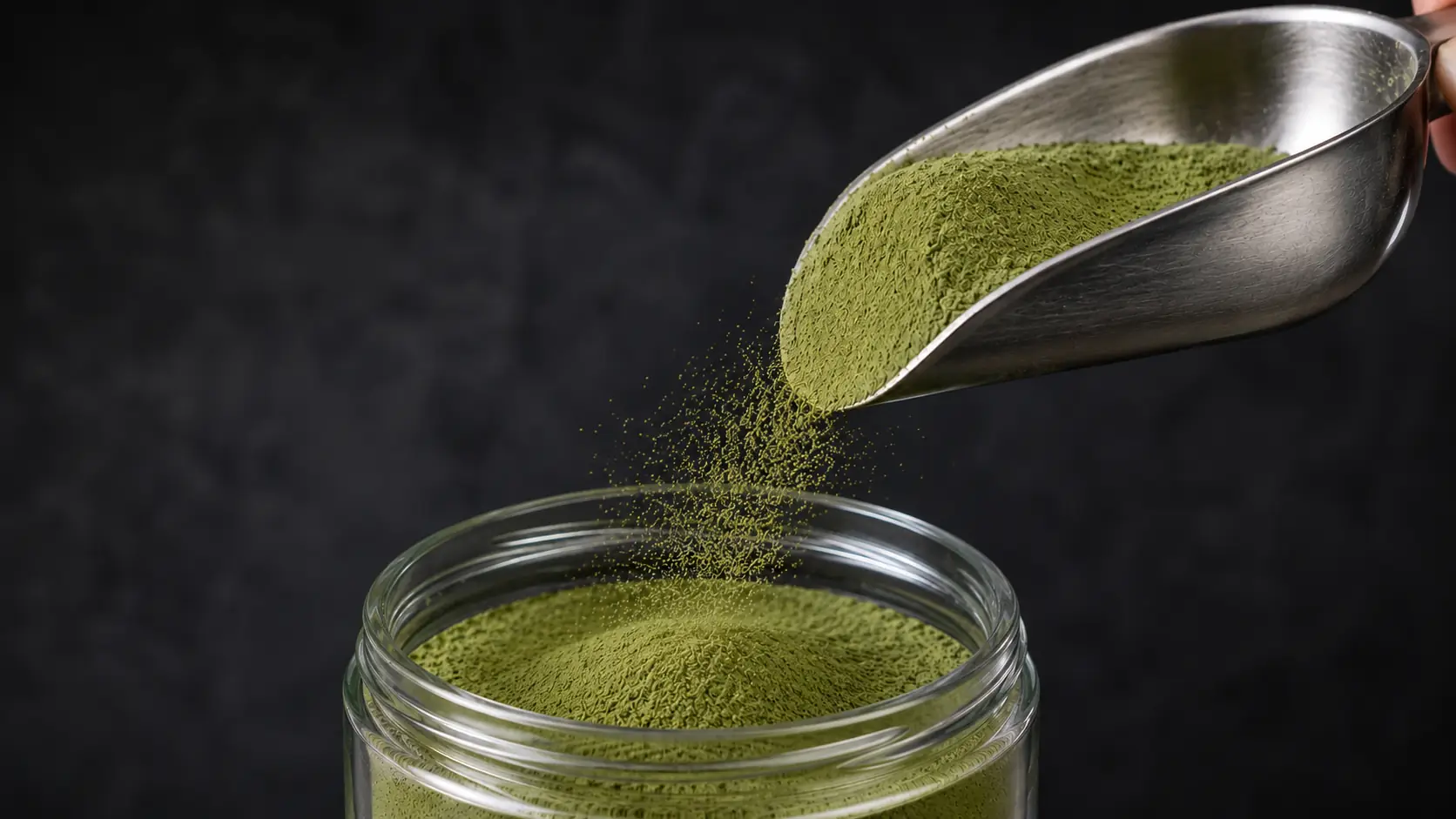
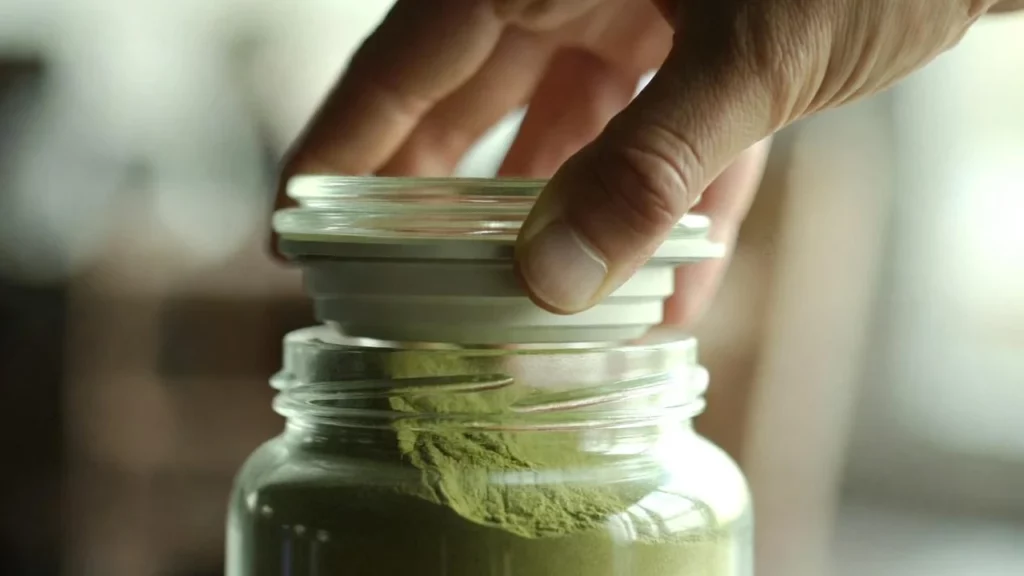
- Choose the right container: Start with the original packaging if it has a reliable seal. Otherwise, transfer to an airtight option such as a glass mason jar or a high-quality opaque plastic container. Glass provides superior protection against air and light while avoiding any potential chemical interactions.
- Control humidity actively: Include a food-grade desiccant packet (like silica gel) inside the container to absorb any residual moisture. This simple addition maintains the low-humidity conditions kratom prefers without introducing anything harmful.
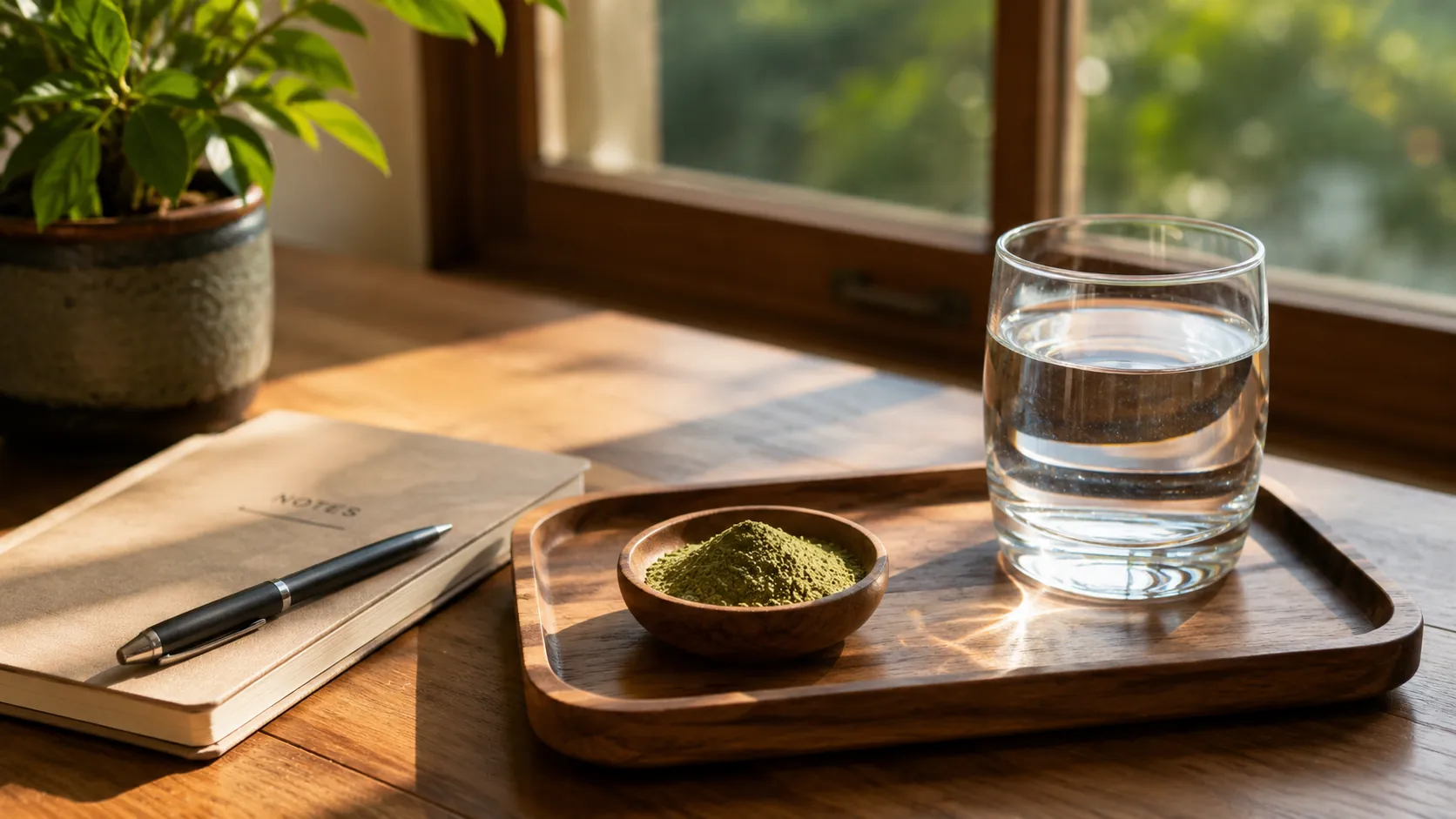
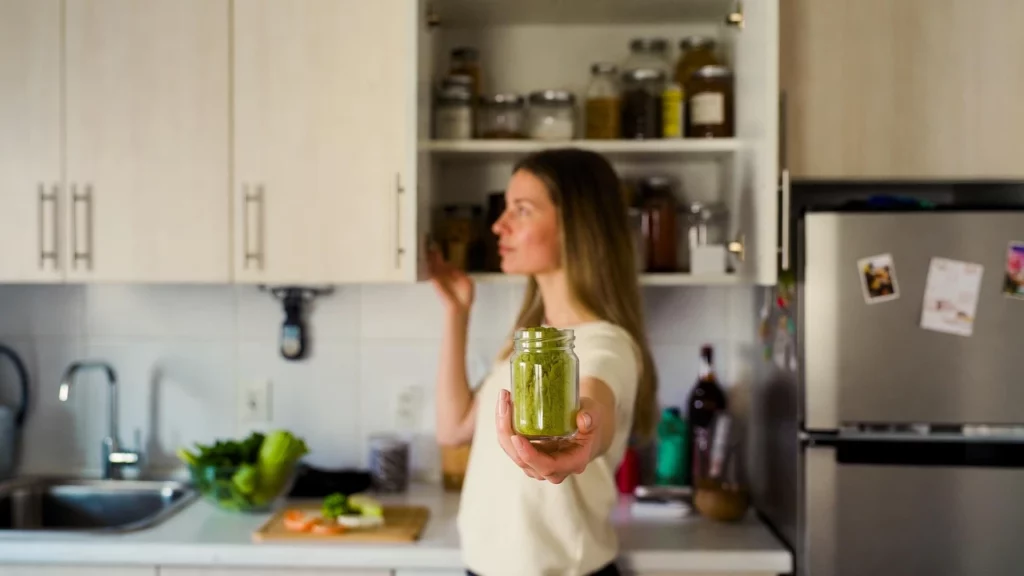
- Select an ideal location: Store the container in a consistently dark spot, such as a pantry shelf, drawer, or closed cabinet away from windows. Avoid proximity to heat sources (ovens, radiators, sunlight) and humid areas (bathrooms, basements, or kitchens with frequent steam).
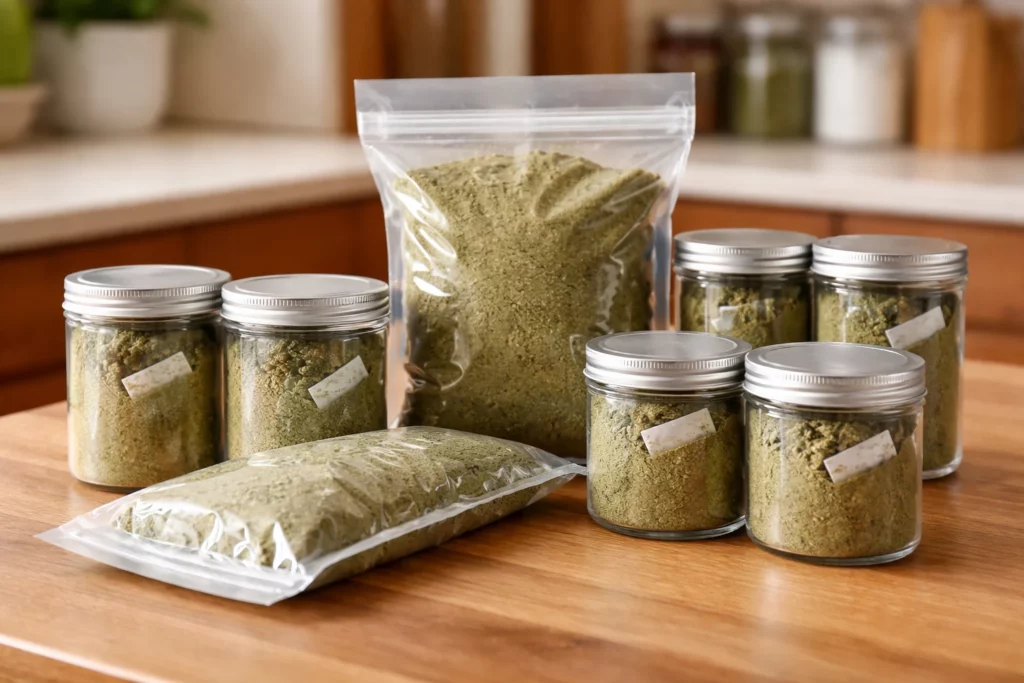
- Portion for practicality: If you purchase in bulk, divide the supply into smaller airtight containers or vacuum-sealed bags. This limits air exposure each time you access your supply. Only open one portion regularly while the rest stays sealed.
- Track freshness: Label each container with the date received or opened. This encourages first-in, first-out rotation and helps you monitor how long batches have been stored.
Maintaining consistent room temperature (ideally 60–75°F in a dry setting) proves more than sufficient for the vast majority of users. These straightforward habits deliver reliable preservation without the added complexity or risks of refrigeration.
When Refrigeration Might Make Sense (and How to Do It Right)
Certain situations warrant considering cooler storage, though it remains optional rather than essential. If someone lives in a very hot climate where indoor temperatures regularly exceed 80-85°F, a fridge could help slow heat-related breakdown. For extremely long-term storage of several years, some opt for refrigeration or even freezing, but only with precautions.
If choosing to refrigerate, use an airtight, odour-proof container, preferably glass or thick plastic. Include a desiccant to combat potential humidity. Place the container in the main compartment rather than the door, where temperature changes occur more often. Allow it to return to room temperature before opening to minimize condensation. Avoid storing near pungent foods, and consider a dedicated mini-fridge if odour concerns persist.
Freezing follows similar rules but amplifies risks. Vacuum-seal portions first to prevent freezer burn or moisture issues during thawing. Many find freezing unnecessary unless storing for multiple years, as room-temperature methods suffice for typical use periods.
Signs That Storage Conditions Need Adjustment
Regardless of method, monitor for changes indicating improper storage. Fresh kratom powder usually appears fine, green, and free-flowing with a characteristic earthy aroma. Over time or under poor conditions, it may darken, clump, develop off smells, or show visible mold spots. Any mold means discarding the batch immediately, as it poses safety risks. Potency fading subtly over months is normal due to gradual alkaloid breakdown, but sudden or dramatic loss often points to exposure to heat, moisture, or air. Adjusting storage promptly can prevent further decline in remaining supply.
Practical Tips for Long-Term Freshness
Consistency matters more than extreme measures. Rotate stock by using older portions first. Buy amounts that match usage patterns to avoid prolonged storage. Source from reputable suppliers who handle drying and packaging carefully, as starting quality influences longevity. Clean tools when scooping to prevent introducing contaminants. Store away from chemicals, spices, or cleaning products that could impart unwanted flavours. Periodic checks ensure early detection of any issues.
These habits allow most users to enjoy kratom at good strength without refrigeration. The botanical’s natural resilience means simple, dry, dark, airtight storage meets the needs of the vast majority.
Frequently Asked Questions
Q: Can refrigerating kratom extend its shelf life significantly beyond one year?
A: For most users, no. While cooler temperatures slow minor degradation slightly, the difference is often negligible compared to the risks of moisture buildup and odour absorption. Properly sealed, dry, dark room-temperature storage typically achieves similar or better results for 12–24 months, and many people report good quality even longer without refrigeration.
Q: Is it safe to store kratom in the freezer instead of the refrigerator?
A: Freezing can work for very long-term storage (multiple years) if done correctly. Vacuum-seal portions, use airtight containers, and allow full thawing to room temperature before opening to prevent condensation. However, for typical use within a year or two, freezing is unnecessary and adds complexity without meaningful benefits over room-temperature methods.
Q: Will my kratom lose potency faster if I live in a hot climate?
A: Yes, consistent temperatures above 80–85°F can accelerate gradual breakdown, shortening optimal freshness by a few months. In hot environments, prioritize the coolest, driest, darkest spot in your home and use airtight containers with desiccants. This approach usually outperforms refrigeration, which introduces its own humidity issues.
Q: Does the colour change in kratom powder mean it’s gone bad?
A: Not necessarily. A slight colour shift over time is normal due to natural oxidation, especially after several months. Significant darkening combined with clumping, off odours, or mold indicates poor storage and potential quality loss. If mold appears, discard the batch immediately.
Q: How can I tell if my storage method is working well?
A: Check periodically for free-flowing texture, consistent earthy aroma, and vibrant green colour (for most strains). No clumping, no unusual smells, and gradual rather than sudden changes suggest effective storage. If issues appear early, switch to smaller portions and stricter airtight conditions.
Q: Should I use plastic containers or stick to glass for storage?
A: Glass is generally preferred because it provides an excellent barrier against air and light, is odour-neutral, and avoids any risk of chemical leaching. High-quality, food-grade opaque plastic works well too, especially for portability, but glass tends to offer superior long-term protection.
Conclusion: Choosing the Best Storage Approach for Your Needs
In summary, refrigerating kratom is usually unnecessary because the dried form holds up well at stable room temperatures when shielded from moisture, light, heat, and air. While cooling offers minor benefits in specific high-heat scenarios, it often brings more drawbacks than advantages for everyday use. Prioritizing airtight containers, desiccants, and cool, dark locations provides reliable preservation that keeps the botanical in excellent condition for months or longer. This straightforward approach respects the plant’s inherent stability while avoiding common pitfalls associated with fridge storage.