Over the past decade, a quiet revolution has been unfolding in mental health care. Naturally occurring compounds from plants and fungi, once confined to ancient ritual or dismissed as counter-culture curiosities, are now entering rigorously controlled clinical settings with remarkable results. When used under professional supervision, these substances can trigger profound and lasting changes in brain structure and function, often succeeding where conventional talk therapy and medications fall short.
This emerging field, known as plant-medicine-assisted therapy, is reshaping how we understand neuroplasticity, emotional healing, and human consciousness itself. This term describes the supervised therapeutic use of these plant medicine compounds. Each compound interacts with the brain in distinct yet overlapping ways, often producing effects that feel profoundly different from traditional psychiatric medications.
Understanding Neuroplasticity: The Brain’s Ability to Rewire Itself
Rapid Structural Changes in Neurons
At the heart of plant-medicine-assisted therapy lies neuroplasticity, the brain’s lifelong capacity to form new neural connections, strengthen existing ones, and even prune away outdated pathways. Until the early 2000s, most neuroscientists believed that significant structural plasticity largely ended after childhood. Modern imaging studies have overturned that view.
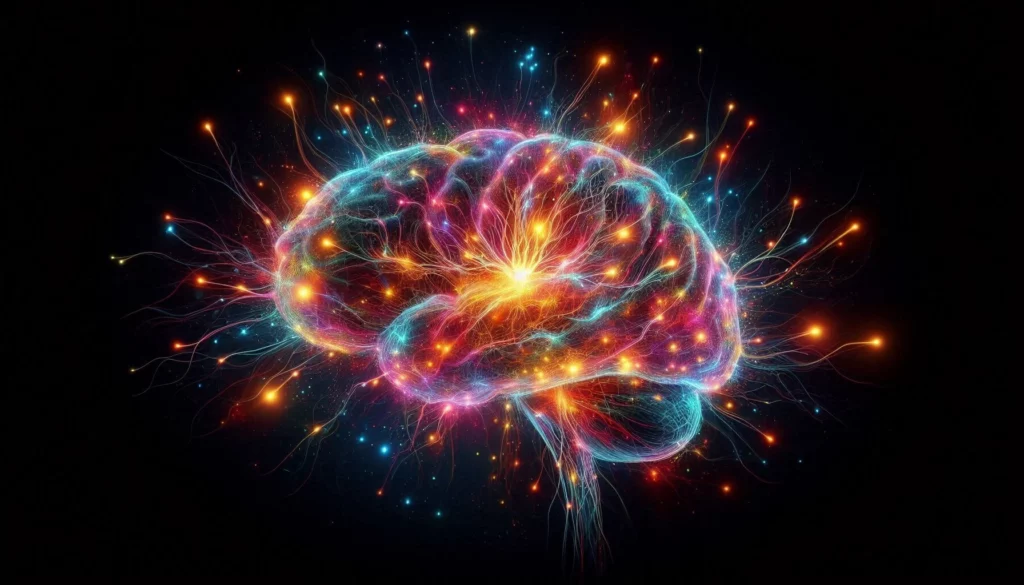
During critical periods induced by certain plant medicines, the brain enters a state of heightened plasticity sometimes described as “brain-wide neural annealing.” Neurons fire in new patterns, dendritic spines grow rapidly, and entire networks reorganize. Brain-derived neurotrophic factor (BDNF), a protein that supports neuron survival and growth, surges in concentration. Animal and human studies show that a single administration of psilocybin, for example, can increase dendritic spine density in the prefrontal cortex within 24 hours, with many of those new connections persisting for weeks or months.
The Critical Window After the Experience
This window of enhanced plasticity appears to be one reason why a limited number of sessions can produce effects that last far longer than the acute experience itself. The brain essentially becomes more malleable, allowing old traumatic memories, rigid thought patterns, and maladaptive emotional responses to be revisited and rewritten under the influence of both the compound and skilled therapeutic support.
The Default Mode Network and the Ego-Dissolution Phenomenon
One of the most consistent findings across multiple plant medicines is the temporary disruption of the default mode network (DMN). The DMN is a constellation of brain regions active during self-referential thinking, mind-wandering, and rumination. Overactivity in the DMN correlates strongly with depression, anxiety, and post-traumatic stress disorder.
What Happens During Ego Dissolution
Functional MRI studies demonstrate that psilocybin, LSD, ayahuasca, and even 5-MeO-DMT dramatically reduce connectivity within the DMN while increasing communication between networks that normally operate separately. Participants often report a subjective experience of “ego dissolution,” a temporary loss of the rigid sense of self. From a therapeutic perspective, this state allows individuals to observe their own thought patterns from a distance, often leading to profound insight and emotional release.
When the DMN comes back online hours or days later, it frequently does so with reduced rigidity and lower baseline activity. Long-term follow-up scans show decreased DMN connectivity persisting for weeks to months, correlating with reductions in depressive symptoms and increases in psychological flexibility.

Serotonin Receptors: The Primary Target for Most Classic Psychedelics
The majority of classic psychedelics, including psilocybin, LSD, DMT, and mescaline, act primarily as agonists at the 5-HT2A serotonin receptor. These receptors are densely concentrated in layer V pyramidal neurons of the cortex, especially in high-level association areas responsible for integrating sensory information, meaning-making, and self-awareness.
Activation of 5-HT2A receptors triggers a cascade of intracellular events that increase glutamate release, excite neighboring neurons, and ultimately enhance communication across cortical regions. This surge in glutamatergic transmission is believed to underlie both the vivid perceptual changes and the therapeutic potential. Interestingly, the subjective intensity of the experience correlates positively with the degree of therapeutic outcome in many trials: stronger mystical-type experiences predict better long-term results for depression, anxiety, and addiction.
MDMA: A Different Mechanism Focused on Emotional Processing
While classic psychedelics primarily target 5-HT2A receptors, 3,4-methylenedioxymethamphetamine (MDMA) works differently. It causes massive release of serotonin, norepinephrine, and to a lesser extent dopamine, while also increasing levels of oxytocin, prolactin, and cortisol in a balanced way. The result is a state of heightened emotional openness, reduced fear response, and preserved cognitive clarity.
The amygdala, the brain’s fear center, shows markedly reduced activation in response to threatening stimuli under MDMA. Simultaneously, activity in the ventromedial prefrontal cortex, involved in emotional regulation and self-referential processing, increases. This combination allows individuals to revisit traumatic memories without being overwhelmed by the usual flood of fear and avoidance. Phase 3 clinical trials for MDMA-assisted therapy for PTSD have shown remission rates that far exceed those of existing treatments.
Ibogaine and the Unique Case of Addiction Interruption
Ibogaine, derived from the root bark of Tabernanthe iboga, stands apart because of its ability to interrupt severe addiction, particularly to opioids, in a single session. It acts on multiple receptor systems simultaneously: NMDA, kappa- and mu-opioid, serotonin transporter, and sigma receptors. The metabolite noribogaine acts as a long-acting kappa-opioid agonist and moderate mu-opioid agonist, which may explain the weeks-long reduction in withdrawal symptoms and drug craving.
Perhaps more intriguingly, ibogaine produces a prolonged dream-like state lasting 24 to 48 hours during which individuals report vivid autobiographical memory replay. Many describe re-experiencing formative life events from a third-person perspective, often gaining insight into the origins of addictive behavior. EEG studies show ibogaine induces a “waking REM” state with high-voltage slow-wave activity mixed with rapid eye movement-like patterns, a profile not seen with any other known compound.
The Entourage Effect and Whole-Plant Synergy
While much research focuses on isolated compounds, traditional preparations often contain dozens or hundreds of secondary metabolites that modulate the primary active ingredient. Ayahuasca, for instance, combines DMT (a potent 5-HT2A agonist that is orally inactive alone) with β-carboline alkaloids that temporarily inhibit monoamine oxidase, allowing DMT to reach the brain. Additional plants in many recipes contribute flavonoids, antioxidants, and other compounds whose roles are still being elucidated.
Similar synergistic effects appear in whole-plant cannabis preparations versus pure THC, in kava’s mixture of kavalactones, and even in kratom’s complex alkaloid profile. These secondary compounds can alter receptor binding, slow metabolism, reduce side effects, or contribute their own therapeutic actions. The growing field of “entourage effect” research suggests that future plant-medicine-assisted therapy may move back toward whole-plant or minimally refined preparations rather than pharmaceutical-grade isolates.
Inflammation, the Gut-Brain Axis, and Long-Term Mood Regulation
Chronic low-grade inflammation is increasingly recognized as a contributing factor in depression, anxiety, and neurodegenerative disease. Several plant medicines exhibit potent anti-inflammatory effects that extend well beyond the acute experience. Psilocybin, cannabinoids, and certain Amazonian plants downregulate pro-inflammatory cytokines while upregulating anti-inflammatory pathways.
The gut-brain axis also appears to play a role. Many traditional preparations are taken in ceremonial contexts that include dietary restriction, purging, and fasting, practices that reset gut microbiota. Emerging evidence suggests that changes in gut microbial composition following ayahuasca or psilocybin retreat participation correlate with sustained improvements in mood and well-being.
Safety, Set, and Setting: Non-Pharmacological Variables That Shape Outcome
The Power of Music and Environment
“Set” refers to the individual’s mindset, expectations, and emotional state entering the experience. “Setting” encompasses the physical environment, interpersonal support, and cultural container.
Music, in particular, has been shown to profoundly shape the trajectory of a session. Carefully curated playlists or instruments can guide emotional processing, facilitate memory retrieval, and enhance feelings of connectedness. Eye shades and comfortable positioning reduce external stimuli, allowing internal imagery to predominate.
The Role of Trained Facilitators
The presence of trained facilitators who provide reassurance without directing the experience is critical for safety and integration. These professionals are not traditional therapists who interpret or challenge content in real time. Instead, their primary job is to hold space, normalize intense emotions, and intervene only when psychological or physical safety is at risk.
Effective facilitators undergo hundreds of hours of specialised training that covers trauma-informed care, crisis management, somatic regulation techniques, and cultural competency. They learn to recognise signs of overwhelming distress (such as extreme dissociation or panic) and use grounding techniques (verbal reassurance, gentle touch with consent, or controlled breathing) to bring the participant back to a manageable state.
Why Preparation Matters as Much as the Session
Thorough preparation, often involving two to four dedicated sessions, is not optional; it is the foundation that determines whether the medicine experience becomes transformative or overwhelming. These sessions typically cover:
- Exploring personal intentions and framing therapeutic goals
- Detailed medical and psychiatric history review to identify contraindications (e.g., certain cardiovascular conditions, schizophrenia-spectrum disorders, or active bipolar mania)
- Education on expected physiological and emotional effects so nothing feels unexpectedly frightening
- Practising breathwork, grounding techniques, and self-regulation skills that can be called upon mid-journey
- Building genuine trust and rapport with the facilitator team, an alliance that becomes an emotional anchor when vulnerability peaks
- Explicit informed consent discussions about risks, benefits, and the possibility of challenging moments
Clinical data from MDMA-assisted PTSD trials confirm that participants who complete this full preparatory phase show significantly higher remission rates and far fewer difficult experiences than those rushed into dosing. In practice, the depth and quality of preparation is often the single biggest predictor of long-term success.
Integration: Turning Transient States into Lasting Traits
The days and weeks following a plant-medicine experience represent a second critical window of neuroplasticity. Practices such as journaling, meditation, movement, art-making, and nature exposure help consolidate insights into daily life. Many clinics now emphasize integration as equally important as the medicine session itself.
How Ongoing Practices Extend the Benefits
Neuroimaging follow-ups show that individuals who engage in regular mindfulness or contemplative practice after psilocybin therapy maintain altered DMN connectivity and increased prefrontal-amygdala communication far longer than those who do not. Lifestyle factors, sleep, diet, exercise, and social connection all interact with the neurobiological changes initiated by the medicine.

Frequently Asked Questions About Plant-Medicine-Assisted Therapy
Q: Is plant-medicine-assisted therapy the same as taking psychedelics recreationally?
A: No. Recreational use lacks medical screening, trained facilitators, therapeutic intention, preparation, and structured integration. Clinical studies consistently show that set, setting, and professional support are what turn a powerful substance into a safe and effective therapeutic tool.
Q: How long do the therapeutic effects typically last?
A: Many participants experience benefits that persist for months to years. Follow-up studies on psilocybin for depression show 60 to 80 percent of respondents still reporting significant improvement at 6 to 12 months. MDMA-assisted therapy for PTSD has demonstrated sustained remission in over 65 percent of participants two years after treatment.
Q: Are these experiences always pleasant?
A: No. Sessions can include emotionally challenging or physically uncomfortable moments. Clinicians prefer the term “difficult” or “challenging” over “bad trip” because these moments, when properly supported, often lead to the deepest breakthroughs.
Q: Who should not participate in plant-medicine-assisted therapy?
A: Individuals with personal or family history of schizophrenia-spectrum disorders, bipolar disorder with manic episodes, certain cardiovascular conditions, or those taking specific medications (e.g., SSRIs with MDMA or tramadol with ibogaine) are generally contraindicated due to elevated risk.
Q: Can these therapies be combined with traditional antidepressants or psychotherapy?
A: In controlled settings, yes. Some protocols taper SSRIs before MDMA or psilocybin sessions. Ongoing talk therapy or CBT is not only compatible but often encouraged during the integration phase to reinforce gains.
Q: How many sessions are usually needed?
A: Protocols vary. FDA-track MDMA therapy for PTSD uses three full-dose sessions. Psilocybin depression studies often show robust results with one or two sessions. Ibogaine for addiction is frequently a single administration. The limited number of dosing sessions is one of the most striking differences from conventional treatments.
Q: Is tolerance or addiction a concern with these medicines?
A: Classic psychedelics (psilocybin, LSD, DMT) produce rapid tolerance and have extremely low dependence potential; most people feel no desire to redose for weeks or months. MDMA requires careful spacing (minimum 6 to 8 weeks) to preserve efficacy and avoid serotonin depletion. Ibogaine is typically a one-time intervention.
The Future of Mental Health Treatment
The resurgence of interest in plant-medicine-assisted therapy represents more than a return to ancient practices; it is a paradigm shift in how we conceptualize mental suffering and healing. These compounds do not merely mask symptoms; they appear to address underlying neurobiological and psychological processes in ways that few existing treatments can match.
As research accelerates, we are likely to see refined protocols that combine specific compounds with targeted psychotherapeutic techniques, personalized dosing based on genetics and biomarkers, and integration strategies grounded in neuroscience. The distinction between “recreational drug” and “therapeutic tool” is increasingly revealed to be a question of dose, intention, and context rather than inherent pharmacology.
For individuals struggling with treatment-resistant depression, PTSD, addiction, or existential distress near the end of life, plant-medicine-assisted therapy offers a powerful new option. When conducted with rigorous attention to safety, ethics, and integration, these ancient molecules may help usher in a new era of mental health care, one rooted in the brain’s own capacity for profound and lasting transformation.