Kratom’s effects can feel dramatically different from one day to the next, even when you use the same strain and amount. Many people notice this variability and wonder why. A key factor often overlooked is how stress and your overall mental state influence kratom’s effects. When life feels calm, the experience might lean toward gentle relaxation or steady focus. During periods of high tension, however, the same serving can produce unexpected intensity, muted results, or even discomfort.
This interplay stems from the complex ways kratom interacts with the body’s systems, particularly those governing mood, alertness, and response to pressure. Understanding these dynamics helps users approach their experiences with greater awareness and realism. While individual responses always vary, recognizing the role of mental state provides a clearer picture of why outcomes shift over time.
The Biology Behind Stress and Kratom Interaction
Stress triggers a cascade of physiological changes designed for short-term survival. In modern life, however, chronic or frequent stress keeps these responses active longer than intended. When this occurs, the body’s processing of external substances changes. Liver enzymes responsible for breaking down compounds may speed up or slow down under stress influence. Blood circulation shifts away from the digestive tract toward muscles and vital organs, potentially affecting absorption rates.
How Stress Hormones Affect Kratom Processing
Kratom’s alkaloids cross the blood-brain barrier and interact with opioid receptors, but they also touch adrenergic, serotonergic, and dopaminergic pathways. These systems overlap heavily with those involved in stress regulation. For instance, norepinephrine pathways, which heighten alertness during tense situations, can amplify stimulant-like sensations from lower doses. Conversely, prolonged stress might blunt the relaxing aspects that many associate with moderate servings.
Stress hormones such as cortisol can influence liver enzyme activity, particularly CYP450 pathways involved in metabolizing mitragynine. This means the rate at which the body breaks down and clears the compounds may shift depending on current stress load. In some cases, acute stress slows absorption because blood flow prioritizes vital organs over the digestive system. The result can be a delayed onset or reduced intensity compared to calmer moments.
Receptor Pathways Shared Between Stress and Kratom
The brain’s stress response and kratom’s effects share several key neural circuits. Adrenergic receptors, which respond to adrenaline and noradrenaline, play roles in both heightened alertness and the energizing qualities sometimes felt at lower amounts. Serotonergic pathways, important for mood stability, can also modulate how calming or uplifting sensations are perceived.
When stress levels are elevated, these overlapping systems create a different baseline. A normally balanced serving might feel more intense or shifted toward one end of the spectrum. This biological crosstalk explains why the same amount can produce noticeably different subjective experiences based on the mental environment at the time.
The Role of Perception and Expectation
Mental state further complicates this picture through expectation and emotional context. Someone feeling overwhelmed may interpret subtle shifts in energy or calm differently than a person in a neutral or positive frame of mind. This perceptual layer adds another dimension beyond pure pharmacology. The brain’s reward and emotional centers remain highly responsive to current mood, so pre-existing anxiety or low mood can colour the entire experience.
Individual biology introduces even more variability. Genetics influence receptor density and enzyme activity. Age, overall health, sleep quality, and diet also matter. A well-rested person with balanced nutrition might process kratom more predictably than someone running on little sleep and high caffeine during a stressful week.
How Acute Stress Alters Perceived Outcomes
Consider a typical scenario. You have a demanding workday ahead and feel the pressure building. You take your usual amount in the morning, hoping for steady focus. Instead of the familiar smooth lift, the experience might feel sharper or more jittery. This occurs partly because stress hormones already prime the nervous system for action. Adding a substance that engages similar alertness pathways can intensify that readiness, sometimes crossing into discomfort.
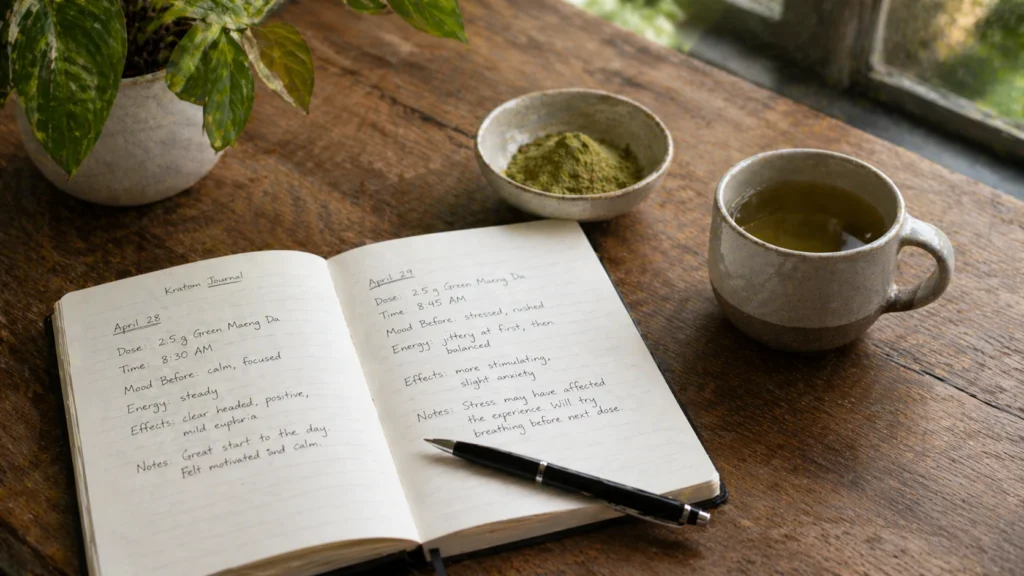
In other cases, acute stress appears to dampen desired results. The body diverts resources, and absorption slows, leading to a weaker or delayed onset. Users sometimes report needing to adjust timing or conditions during busy periods to achieve consistency. These observations highlight why tracking personal patterns proves valuable. Keeping notes on daily stress levels alongside experiences helps identify trends without assuming universal rules.
Research on related plant compounds and stress shows similar patterns. Substances that modulate neurotransmitter systems often display context-dependent actions. When the baseline state is elevated, the net result shifts. This principle applies broadly across many botanicals and helps explain why kratom’s effects rarely feel identical across sessions.
Chronic Stress and Longer-Term Influences
When stress becomes ongoing, the picture evolves further. Sustained high cortisol can affect sleep, appetite, and emotional regulation. Over weeks or months, these changes influence tolerance development and sensitivity to kratom. Some people notice that what once provided reliable support begins to feel less effective. Others describe more pronounced mood fluctuations as the body adapts to both the external pressures and the substance.
Tolerance itself interacts with mental state. Regular use in a stable environment might build gradually and predictably. Introducing chronic stress can accelerate shifts or create plateaus where effects seem inconsistent. This occurs because the brain’s adaptive mechanisms respond to multiple inputs simultaneously. The same neural pathways involved in habituation to kratom also handle stress adaptation, creating potential overlap.
Withdrawal considerations add another layer. When use pauses, the rebound effects often mirror amplified stress responses: restlessness, irritability, or low mood. Pre-existing mental tension can make these periods feel more challenging. Gradual adjustments and supportive lifestyle measures, such as consistent sleep and movement, help smooth transitions. Awareness of this interplay prevents misattributing all discomfort solely to one factor.
Mood States and Their Impact on Experience
Positive or Relaxed Mental States
A relaxed, positive mindset frequently correlates with smoother, more enjoyable sessions. When emotional tension is low, the brain’s natural balance of neurotransmitters allows users to notice subtle calming or mood-lifting qualities more clearly. Many describe the experience as feeling cleaner and more predictable during periods when daily life flows with less resistance.
Anxiety and Heightened Emotional Tension
Anxiety presents a particularly nuanced case. Some individuals report temporary relief during tense moments, while others experience heightened awareness that feels uncomfortable. This variability likely stems from differences in how the alkaloids engage GABA-related or serotonin pathways under different emotional loads. Personal history with anxiety also plays a role. Those with longstanding patterns may notice interactions that feel distinct from someone encountering occasional worry.
Fatigue and Low Energy States
Fatigue deserves attention as well. When mentally or physically drained, the stimulating potential at lower amounts might manifest as overstimulation rather than clean energy. Higher amounts could tip toward excessive sedation, leaving a heavy feeling instead of balanced rest. Timing use when energy reserves feel adequate often yields more balanced results.
Social Versus Solitary Contexts
Emotional context during use matters too. Shared experiences with others in a calm setting can enhance sociability aspects for some. Solitary use during reflective moments might emphasize introspective qualities. These differences illustrate how environment and mindset combine with pharmacology to create the final subjective experience.

Practical Considerations for Greater Consistency
Building awareness of these factors supports more intentional use. Start by observing your typical stress patterns throughout the week. Notice whether certain days or situations reliably coincide with different sensations. Simple practices like deep breathing before use or ensuring a quiet moment afterward can reduce external variables.
Hydration and nutrition influence metabolism significantly. Dehydration, common during busy or stressful times, can concentrate effects or alter onset. Balanced meals provide steady energy without the spikes and crashes that compound mental tension. Avoiding mixing with excessive caffeine or alcohol prevents unpredictable overlaps in how the nervous system responds.
Dose management becomes especially relevant. Smaller, well-spaced amounts often allow finer tuning when stress levels fluctuate. Keeping a consistent routine, including regular days without use when appropriate, helps maintain sensitivity. This approach respects the body’s natural rhythms rather than pushing against them.
Lifestyle elements that buffer stress also support more predictable experiences. Regular physical activity, even short walks, helps regulate cortisol and improves overall resilience. Quality sleep restores neurotransmitter balance, making daily mental states more stable. Mindfulness or journaling practices build emotional awareness, reducing the intensity of reactive patterns.
Individual Differences and Why They Matter
No two people process experiences identically. Several key personal factors can cause kratom’s effects to vary significantly, even under similar stress or mental conditions:
- Body composition and metabolism: Faster metabolisms may clear alkaloids more quickly, shortening duration during high-stress periods, while slower ones might prolong sensations and amplify interactions with ongoing tension.
- Age: Younger adults sometimes describe more pronounced energy aspects, while older individuals often note stronger calming tendencies and need greater attention to hydration and rest.
- Overall health and medical conditions: Issues affecting the liver or nervous system introduce additional variables that warrant professional guidance when exploring any botanical.
- Genetics: Variations in cytochrome enzymes influence breakdown rates, leading some people to naturally experience stronger or milder responses.
- Previous exposure history: Newer users often report more noticeable shifts tied to daily mental state, whereas long-term users may develop habits that either stabilize or complicate the interplay with stress. Periodic breaks can help reset sensitivity.
Navigating Variability with Realistic Expectations
Accepting that kratom’s effects will shift with mental state reduces frustration when results differ from expectations. Instead of viewing inconsistency as a problem, many reframe it as valuable information about their current condition. High-stress days might signal the need for additional self-care rather than adjustment of amount alone.
Tracking tools, whether simple notes or apps, help reveal patterns over months. Common observations include stronger sedative leanings during recovery from intense periods or more stimulating qualities when motivation feels high. These insights empower users to align timing and conditions more effectively.
FAQ
Q: How does stress influence kratom’s effects?
A: Stress activates hormones like cortisol and adrenaline that alter blood flow, metabolism, and receptor sensitivity. This can make kratom’s effects feel stronger, weaker, more jittery, or delayed compared to calmer states. The same serving may produce noticeably different outcomes depending on your current stress level.
Q: Can my mood change how I experience kratom’s effects?
A: Yes. A relaxed, positive mood often leads to smoother and more enjoyable sensations, while anxiety or fatigue can intensify jitteriness, sedation, or discomfort. Emotional context and expectations play a significant role in shaping the subjective experience.
Q: Why do kratom’s effects feel different on high-stress days?
A: On high-stress days, the nervous system is already primed for alertness. This overlap with kratom’s pathways can amplify stimulant qualities at lower amounts or blunt calming effects at higher ones. Absorption rates may also slow due to changes in digestion and circulation.
Q: Does chronic stress affect tolerance to kratom?
A: Chronic stress can accelerate changes in sensitivity and tolerance because the same neural pathways handle both stress adaptation and regular use. Over time, this may lead to less predictable or diminished results until lifestyle factors improve.
Q: Should I adjust my dose when stressed?
A: Many people find smaller, well-spaced amounts work better during stressful periods to avoid overstimulation or unexpected intensity. Tracking your personal patterns is more effective than following a fixed rule.
Q: How can I make kratom’s effects more consistent?
A: Focus on reducing variables by staying hydrated, eating balanced meals, getting quality sleep, and practicing simple stress-management techniques like deep breathing. Observing your daily mental state and keeping notes helps identify what works best for you.
Q: Are individual differences important when considering kratom’s effects?
A: Absolutely. Factors such as metabolism, age, genetics, and health conditions all influence how stress and mental state interact with kratom. What works predictably for one person may vary significantly for another.
Final Thoughts on Mindful Engagement
Kratom’s effects emerge from a dynamic conversation between the plant’s compounds, your body’s systems, and your current mental landscape. Stress and emotional state serve as powerful modifiers, capable of enhancing, dampening, or reshaping the experience in meaningful ways. By approaching this relationship with curiosity and care, users gain practical insights that support more consistent and satisfying outcomes.
Paying attention to daily conditions, maintaining supportive habits, and respecting individual differences all contribute to wiser engagement. No substance exists in isolation from the person using it. The more clearly we understand these interconnections, the better equipped we become to navigate them responsibly.
This awareness extends beyond any single botanical. Life itself involves constant interplay between internal states and external influences. Learning to read those signals with compassion and realism benefits overall health and decision-making. Whether exploring plant options or simply managing everyday pressures, the principles of observation, balance, and self-kindness remain valuable guides.