Kratom is regulated differently from most dietary supplements, and this distinction confuses many people exploring plant-based options for wellness. While everyday herbs, vitamins, and minerals enjoy relatively straightforward market access under federal rules, kratom encounters significant barriers from agencies like the FDA in the United States and Health Canada in Canada. These differences arise from specific legal classifications, safety evaluations, and the plant’s pharmacological characteristics. This blog will explain the core reasons in clear terms so readers can better understand the regulatory landscape.
Understanding Dietary Supplement Regulation Basics
To see why kratom stands apart, start with how typical dietary supplements are handled. In the United States, the Dietary Supplement Health and Education Act (DSHEA) of 1994 created a framework that allows manufacturers to sell vitamins, minerals, herbs, amino acids, and similar substances without needing pre-market approval from the FDA.
Under DSHEA, companies bear responsibility for ensuring product safety, accurate labeling, and truthful claims. They can describe support for general body functions (structure-function claims) like “supports immune health” or “promotes energy,” provided they include the mandatory disclaimer that the FDA has not evaluated the statements. The agency steps in after products reach the market if issues like contamination, adulteration, or misleading promotion occur.
This system applies to ingredients with a long history of safe use in the U.S. or those backed by adequate safety data. Many popular botanicals, such as echinacea, ginkgo biloba, or ashwagandha, fit this category because they were marketed before October 15, 1994, or meet established safety thresholds.
The New Dietary Ingredient Designation for Kratom
Kratom’s regulatory treatment shifts dramatically because the FDA classifies it as a new dietary ingredient (NDI). An NDI refers to any dietary ingredient not lawfully marketed as a dietary supplement or food in the U.S. before October 15, 1994. For NDIs, manufacturers must submit a notification to the FDA at least 75 days before marketing, including evidence that the ingredient can reasonably be expected to be safe under labeled conditions.
The FDA has stated that kratom does not meet this safety standard. Available information, including scientific data and adverse event reports, does not provide reasonable assurance that kratom avoids presenting a significant or unreasonable risk of illness or injury. As a result, dietary supplements containing kratom are deemed adulterated under section 402(f)(1)(B) of the Federal Food, Drug, and Cosmetic Act. This adulterated status prohibits lawful marketing as dietary supplements.
This NDI requirement sets kratom apart from grandfathered botanicals that benefit from decades of prior use and a presumption of safety. Without an accepted NDI notification demonstrating safety, kratom cannot enter the supplement marketplace under the same relaxed pre-market rules.
Pharmacological Properties Raise Unique Concerns
Another major factor in why kratom is regulated differently involves its active compounds. The leaves of the Mitragyna speciosa tree contain alkaloids, mainly mitragynine and 7-hydroxymitragynine, which bind to opioid receptors in the brain. These interactions produce effects that can mimic aspects of opioid activity, varying by dose and user.
The FDA highlights this opioid-receptor interaction as a key distinction from most supplements, which typically do not exert such central nervous system effects. While traditional supplements focus on nutritional support or mild herbal actions, kratom’s profile prompts closer scrutiny for potential risks like dependence, withdrawal, or interactions with other substances. The agency has also determined that adding kratom to conventional foods makes those foods adulterated due to unsafe food additive status under section 409 of the Act. This further restricts its use beyond supplement categories.
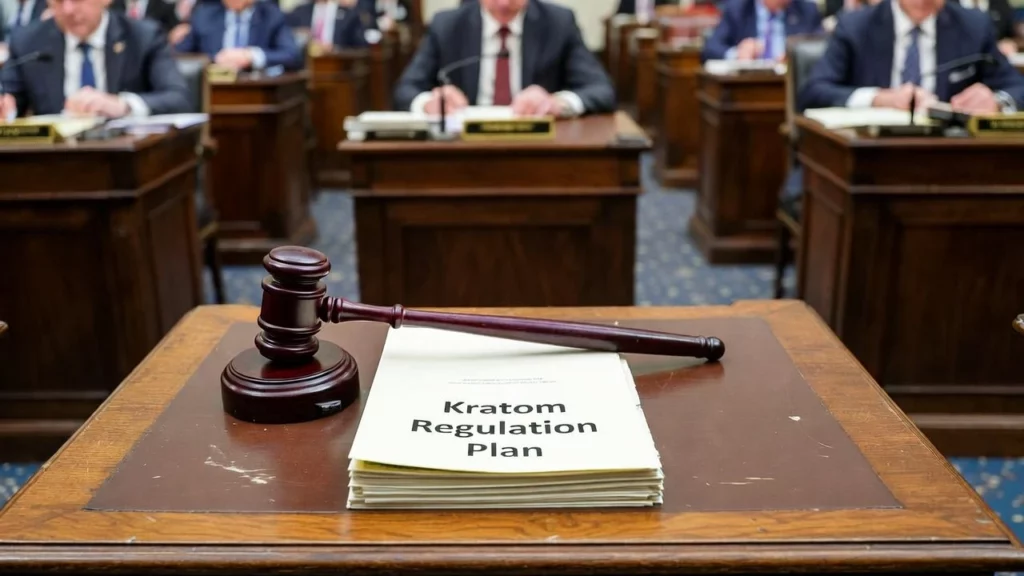
Enforcement Actions and Import Restrictions
Federal enforcement reflects these classifications. The FDA maintains Import Alert 54-15, allowing detention without physical examination of shipments containing kratom in dietary supplements or bulk form. This alert targets products viewed as adulterated due to the NDI safety shortfall.
The agency issues warning letters to companies marketing kratom with unapproved claims or in prohibited formats. In recent years, actions have intensified against concentrated products, particularly those high in 7-hydroxymitragynine (often called 7-OH), which the FDA recommends scheduling under the Controlled Substances Act due to abuse potential and risks exceeding those of natural leaf material. These measures create a more restrictive environment than for standard supplements, where enforcement usually follows reported problems rather than preemptive barriers.
State-Level Variations Add Complexity
While federal rules establish the foundation, state approaches contribute to why kratom is regulated differently overall. The U.S. lacks uniform nationwide policy, creating a patchwork that requires consumers and sellers to check local laws carefully.
As of late December 2025, state-level status generally falls into these categories:
Full bans (kratom treated as a controlled substance; possession, sale, and distribution prohibited):
- Alabama (banned since 2016)
- Arkansas
- Indiana
- Louisiana (effective August 1, 2025)
- Rhode Island (ban in effect; shifting toward regulation in 2026)
- Vermont
- Wisconsin
These states impose criminal penalties, often citing concerns over abuse potential, adverse events, and lack of safety data.
Regulated access (Kratom Consumer Protection Act [KCPA] or similar laws in effect, with age restrictions, labeling, purity standards, and other safeguards):
- Age limits (typically 18+ or 21+)
- Requirements for clear labeling (e.g., directions for use, warnings, alkaloid content limits)
- Bans on sales to minors, adulterated products, or misleading claims
Examples include Arizona (early KCPA adopter), Georgia (21+ since 2025), Mississippi (2025 age 21+ and labeling rules), Nevada, Oklahoma, South Carolina (signed into law May 2025), Texas, Utah, and others (over a dozen states with active or similar frameworks). These laws aim to promote quality control and consumer safety without full prohibition.
Unrestricted at state level (no specific statewide ban or regulation beyond federal limits):
- The majority of states fall here, allowing possession and sale.
- However, local city or county bans/restrictions can still apply (e.g., Denver in Colorado, San Diego in California, various towns in Illinois or Mississippi).
- Federal NDI adulteration rules and import alerts continue to limit marketed products everywhere.
This state-by-state variability contrasts sharply with the more uniform federal oversight for conventional supplements under DSHEA, where few states intervene directly.

The Canadian Perspective on Kratom Oversight
In Canada, where many explore plant medicines, Health Canada does not authorize any kratom products as natural health products. Without a Natural Product Number (NPN), which requires evidence of safety, quality, and efficacy, kratom cannot be legally sold for human consumption.
Possession for personal use remains legal, but commercial sale for ingestion lacks authorization. Vendors often label products as botanical specimens, for research, or for non-consumptive purposes to comply. This cautious stance aligns with federal caution on unauthorized substances, differing from lighter regulation of approved natural health products with established safety profiles.
International Comparisons: How Other Countries Regulate Kratom
Kratom’s regulatory treatment varies dramatically around the world, highlighting why it faces stricter oversight in North America compared to regions with centuries of traditional use. These differences stem from cultural history, scientific assessments, and public health priorities, offering insight into the factors that shape why kratom is regulated differently from standard dietary supplements in places like the United States and Canada.
Southeast Asia: Birthplace of Kratom with Mixed Approaches
In Southeast Asia, where the Mitragyna speciosa tree is native, regulation often reflects long-standing traditional practices. Thailand removed kratom from its narcotics list in 2021 and regulates it under the Kratom Plant Act B.E. 2565 (2022). This allows licensed cultivation, trade, sale, and use, including in food, drinks, supplements, and herbal products, while requiring official approvals for production and distribution. Personal use and small-scale possession are permitted, recognizing cultural norms, though strict controls apply to commercial activities.
Malaysia maintains a ban, classifying kratom as a dangerous drug with penalties for possession or sale. Indonesia, the world’s largest exporter, restricts domestic consumption but permits regulated export of leaf material to meet international demand, creating a contradictory stance where economic export benefits coexist with local prohibitions.
Europe: Fragmented and Often Precautionary
Europe lacks a unified EU-wide policy, leaving decisions to individual member states. Several countries, including Poland, Sweden, and Romania, classify kratom as a controlled or narcotic substance, resulting in bans on sale and possession due to concerns over opioid-like effects and insufficient safety data. The United Kingdom treats it as a medicinal product requiring a license, effectively limiting availability.
In contrast, the Netherlands allows kratom as an unregulated herbal product in smart shops, accompanied by risk warnings but no outright prohibition. This patchwork mirrors broader European caution toward emerging botanicals without deep historical precedent in the region.
Australia and New Zealand: Strict Controls
Australia classifies kratom as a Schedule 9 prohibited substance (similar to high-risk narcotics), banning use, possession, and transport except for limited research purposes. New Zealand requires a prescription for legal access, aligning with a pharmaceutical-style approach that demands medical oversight.
Key Takeaways from Global Variations
These international contrasts underscore why North America’s framework emphasizes precautionary scrutiny for novel ingredients. Regions with deep cultural familiarity (like Thailand) may incorporate traditional evidence into regulated access, while countries without that history apply modern safety standards requiring robust substantiation before broad availability.
This global picture shows kratom’s stricter regulation in the U.S. and Canada is part of a pattern among nations evaluating potent or emerging botanicals through lenses of risk assessment and consumer protection. It also highlights ongoing debates about balancing tradition, access, and safety, discussions that continue to influence policy worldwide.
Quality Control and Contamination Challenges
Product variability and potential contaminants further explain the differentiated approach. Unregulated kratom has occasionally shown heavy metals, harmful bacteria such as Salmonella, or inconsistent alkaloid levels. While contamination risks exist across botanicals, the absence of enforced standardized manufacturing practices for kratom heightens concerns compared to mainstream supplements produced under routine good manufacturing practice (GMP) expectations. The FDA and Health Canada prioritize consumer protection by limiting access when quality assurance remains inconsistent.
Practical Implications for Consumers Navigating Kratom Regulations
While regulations vary, individuals interested in plant-based options can take steps to stay informed and minimize risks in the current environment.
Checking Local and Federal Rules Before Purchase
Always verify the specific laws in your jurisdiction, as state/provincial and even local rules can override broader federal or national positions. Resources like official government websites, state health departments, or legal summaries can help confirm current status, especially since changes occur regularly and penalties for noncompliance can be significant in restricted areas.
Understanding Product Labeling and Testing Standards
Look for clear labeling that discloses alkaloid content and avoids unverified health claims; voluntary third-party testing can provide additional assurance of purity. Certificates of analysis from independent labs often detail checks for contaminants like heavy metals or microbes, helping identify products that align with higher transparency standards even in an unregulated space.
Recognizing Signs of Potentially Risky Products
Be cautious with highly concentrated extracts or novel formats that differ from traditional leaf material, as these often attract greater regulatory attention. Products marketed with exaggerated potency claims, unusual delivery methods (such as gummies or shots), or disguised labeling may carry elevated risks and are more likely to face enforcement actions from agencies monitoring for adulteration or misbranding.
Staying Updated on Evolving Policies
Regulatory changes occur regularly. Monitor official agency sources and reputable industry updates to track shifts that could affect availability. Subscribing to alerts from bodies like the FDA, Health Canada, or state regulatory boards ensures awareness of new warnings, import restrictions, or legislative proposals that might impact access or product standards.

Frequently Asked Questions
Q: Why is kratom regulated differently from typical dietary supplements?
A: Kratom is classified as a new dietary ingredient (NDI) under U.S. law because it was not marketed in the U.S. before October 15, 1994. Unlike older herbs with presumed safety from historical use, kratom requires manufacturers to submit safety evidence before marketing as a supplement. The FDA has determined that available data does not meet this standard, leading to its adulterated status in supplements, unlike established supplements governed by lighter DSHEA rules.
Q: Is kratom legal in the United States as of late 2025?
A: Kratom is not federally banned or scheduled as a controlled substance. However, it cannot be lawfully marketed as a dietary supplement or food additive due to FDA determinations on NDI safety and adulteration.
Q: What is the legal status of kratom in Canada as of late 2025?
A: Possession for personal use is legal and not criminalized. However, Health Canada does not authorize any kratom products as natural health products, so they cannot be sold for human consumption without a Natural Product Number (which none have). Commercial sales for ingestion are unauthorized, and vendors typically label products for non-consumptive purposes like research or as botanical specimens.
Q: Does kratom’s opioid-like effects explain its stricter regulation?
A: Yes, in part. Kratom’s alkaloids (mitragynine and 7-hydroxymitragynine) interact with opioid receptors, producing effects that differ from most supplements’ milder actions. This pharmacological profile raises agency concerns about dependence, withdrawal, and risks, prompting precautionary oversight that does not apply to typical nutritional or herbal supplements.
Q: Are concentrated kratom products (like 7-OH extracts) treated the same as natural leaf?
A: No. The FDA distinguishes natural leaf from concentrated or synthetic derivatives like high-potency 7-hydroxymitragynine (7-OH), which face intensified scrutiny. In 2025, the FDA issued warnings and recommended scheduling certain 7-OH products due to heightened abuse potential and risks beyond trace amounts found in traditional leaf.
Q: How can consumers stay safe given the regulatory differences?
A: Prioritize transparency: check local laws, seek products with third-party lab testing for purity and contaminants, avoid exaggerated claims or novel formats, and monitor official sources like the FDA and Health Canada for updates. Regulations aim to protect public health in an area lacking comprehensive safety substantiation for broad marketing.
Why These Differences Matter for Consumers
The stricter framework aims to safeguard public health by requiring affirmative safety evidence for novel ingredients with unique effects. While many appreciate plant options, understanding these regulations clarifies why kratom availability differs from everyday supplements. Consumers benefit from transparency when vendors provide lab-tested products emphasizing purity and consistency. Awareness of the regulatory context supports informed decisions in a landscape shaped by safety priorities.
Kratom is regulated differently primarily due to its NDI status lacking sufficient safety substantiation, combined with its opioid-like pharmacology, enforcement priorities, and variable quality risks. These factors create a more guarded position than for long-established supplements under DSHEA. As discussions evolve, staying informed helps navigate this distinctive space thoughtfully.