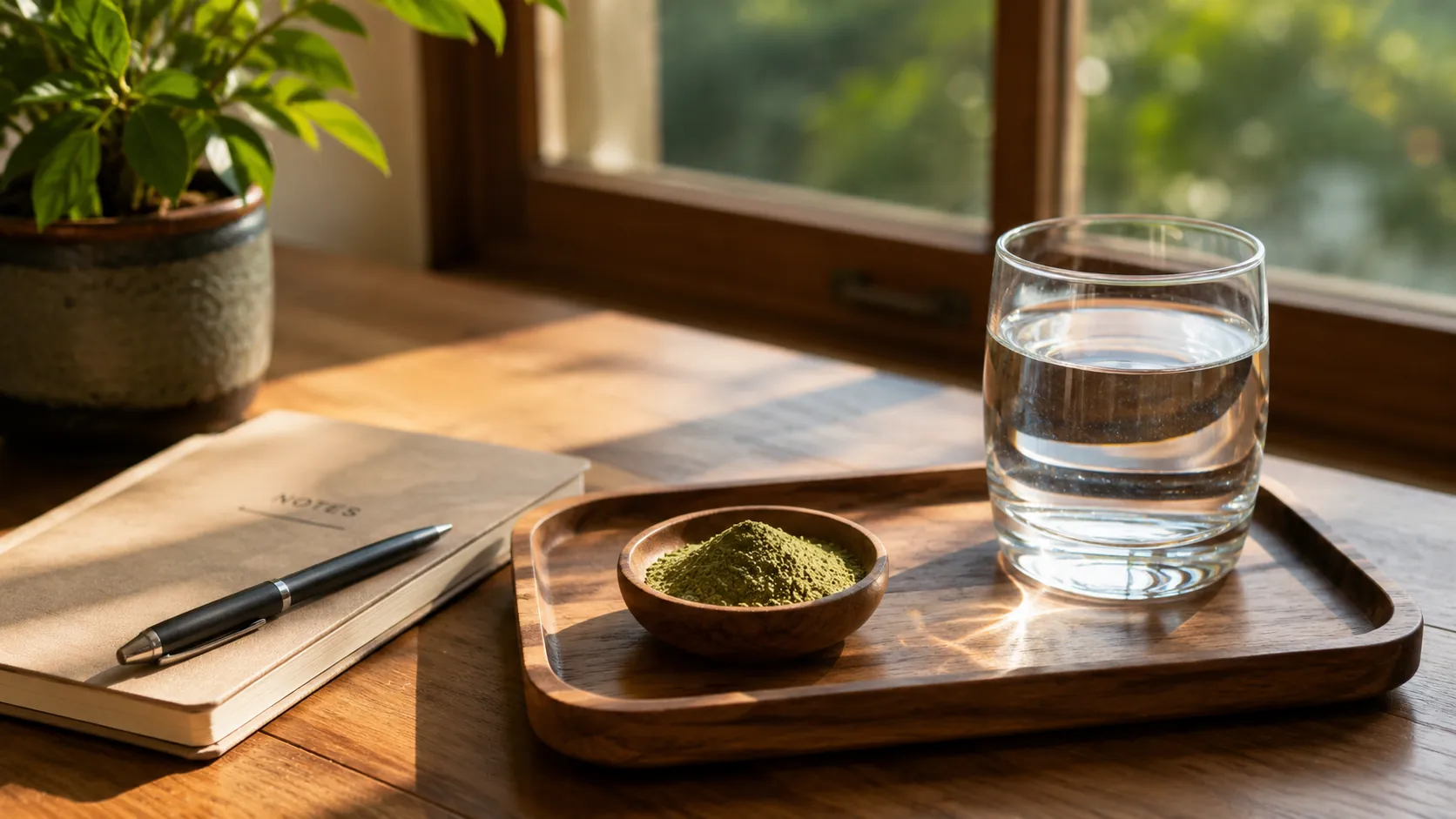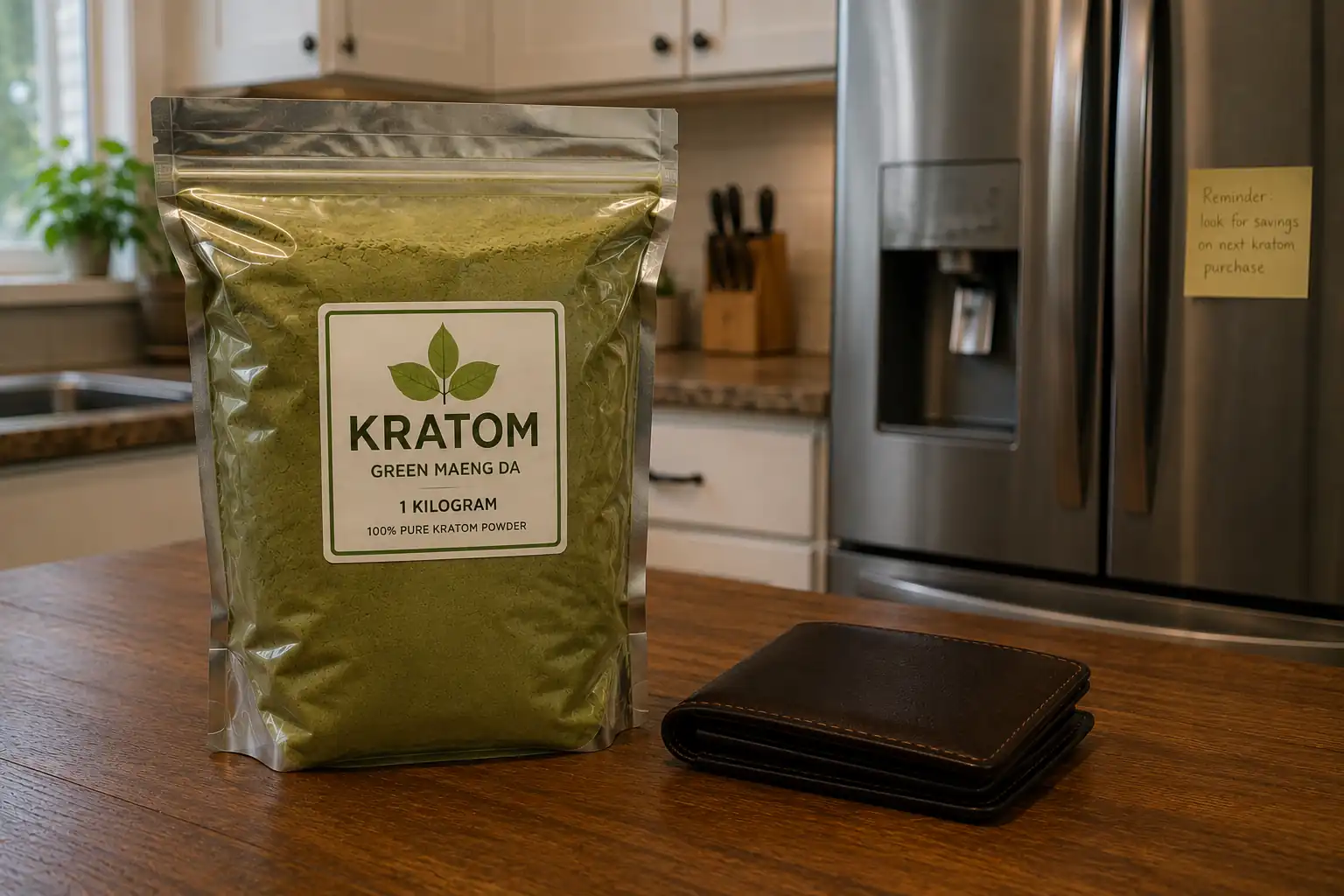
The world of skincare is constantly evolving, with natural ingredients taking center stage as people seek alternatives to synthetic formulations. Among these, kratom is stepping into the spotlight for its intriguing topical possibilities. This botanical has a rich heritage tied to wellness traditions, yet its journey into skincare is only just beginning. As curiosity grows, so does the question: can kratom in skincare enhance our daily beauty rituals with their unique properties?
The idea of using plant-based ingredients in skincare isn’t new. Cultures worldwide have turned to nature for centuries to address skin concerns. With its rich profile of alkaloids and antioxidants, this plant medicine seems poised to join this legacy. Whether you’re intrigued by its historical roots or its modern applications, there’s plenty to uncover about this versatile plant.
What Makes Kratom a Candidate for Skincare?
Kratom leaves contain a variety of compounds that suggest topical potential. Alkaloids like mitragynine and 7-hydroxymitragynine are the most well-known, but the plant also boasts flavonoids and polyphenols. These elements are often prized in skincare for their ability to combat oxidative stress and soothe irritation. When processed correctly, kratom’s natural properties could translate into benefits for the skin.
Beyond its chemical makeup, kratom has a history of traditional use that supports its skincare potential. In regions like Thailand and Indonesia, locals have chewed the leaves or brewed them into teas for wellness. Some anecdotal reports even mention using crushed leaves or infusions on the skin to address minor ailments. This cultural backdrop hints at why kratom in skincare may be a booming topic in the future.
The texture of kratom powder, when finely ground, also lends itself to topical formulations. It mixes well with oils, water, or other bases, making it a practical addition to DIY or artisanal products. As interest grows, formulators are experimenting with how to harness these qualities effectively.
Kratom in Traditional Handmade Soaps
Soapmaking is an art form steeped in tradition, and kratom fits seamlessly into this craft. Handmade soaps often rely on botanical ingredients to enhance their appeal, and kratom powder can be incorporated during the saponification process. The result is a bar that carries the plant’s earthy essence while offering a gentle cleansing experience.
One advantage of using kratom in soaps is its potential to act as a natural exfoliant. The finely milled leaves add a subtle grit that sloughs off dead skin cells without being overly abrasive. This makes it an appealing choice for those seeking a balance between purification and hydration. Paired with nourishing oils like coconut or shea butter, kratom-infused soap could leave skin feeling refreshed.
In traditional contexts, soap wasn’t just about cleanliness; it was a remedy. Kratom’s inclusion might echo this philosophy. Some believe its alkaloids could provide a calming effect when absorbed through the skin, though scientific validation is still limited. For now, the allure lies in its connection to age-old practices and its rustic, green hue that signals a return to nature.
Crafting Kratom-Infused Creams and Lotions
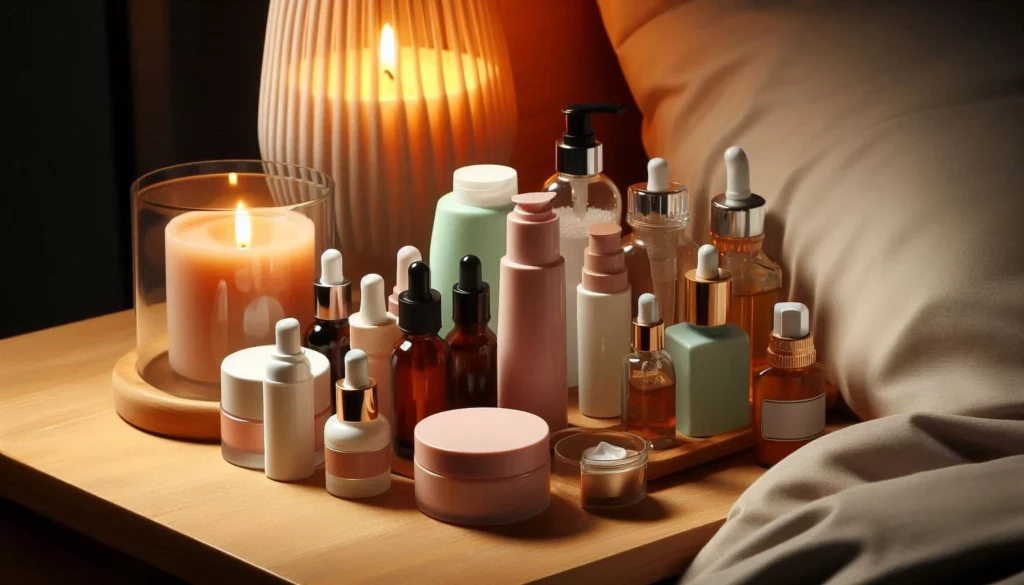
Moving beyond soap, kratom in skincare shines in creams and lotions. These products allow for a more concentrated application, letting the plant’s properties linger on the skin. To create a kratom cream, the powdered leaf is typically blended into a base of emulsified oils and water. The outcome is a smooth, spreadable formula that can target specific areas.
What might kratom bring to a cream? Its antioxidant content could help protect the skin from environmental damage, a common goal in modern skincare. Daily exposure to pollutants and UV rays accelerates aging, and natural ingredients with protective qualities are in high demand. Kratom’s potential here lies in its ability to neutralize free radicals, though more research would solidify this claim.
Lotions offer another avenue. Lighter than creams, they’re ideal for daily use across larger areas. Infusing kratom into a lotion could appeal to those with dry or sensitive skin, especially if combined with hydrating agents like aloe vera or glycerin. The plant’s earthy scent, when subtle, adds a grounding note that sets it apart from synthetic fragrances.
The Rise of Kratom Balms and Salves
For those drawn to thicker, more potent applications, kratom balms and salves present an exciting option. These products typically rely on beeswax or plant-based waxes to create a protective barrier on the skin. Kratom powder can be stirred into the melted base, resulting in a rich, green-tinted balm that feels indulgent.
Balms are often used for localized concerns, such as cracked heels or rough elbows. Kratom’s inclusion might enhance their soothing nature. In traditional Southeast Asian practices, plant pastes were sometimes applied to minor cuts or scrapes, suggesting kratom could play a similar role. While not a substitute for medical treatment, a kratom salve might offer comfort and moisture in a natural package.
The tactile experience of applying a kratom balm also adds to its appeal. Its dense texture melts slightly with body heat, allowing for a slow, deliberate massage. This ritualistic aspect aligns with the growing trend of mindful skincare, where the process is as important as the result.
Kratom Face Masks: A Modern Twist
Face masks are a staple in skincare routines, and kratom could bring a fresh perspective to this category. Mixing kratom powder with clay, honey, or yogurt creates a paste that can be smoothed onto the face and left to dry. After rinsing, the skin might feel revitalized, thanks to the mask’s ability to draw out impurities.
One intriguing possibility is pairing kratom with bentonite clay.
The clay’s detoxifying properties could complement kratom’s antioxidants, creating a powerhouse duo for clearer skin. Alternatively, a hydrating mask with honey and kratom might appeal to those with dull or tired complexions. The flexibility of this format encourages experimentation. In traditional settings, facial treatments often used whatever plants were locally available. Kratom, abundant in its native regions, could have served this purpose historically. Today, it’s finding a place in the resurgence of homemade masks, where natural ingredients reign supreme.
Exploring Kratom in Skincare Oils
Skincare oils have surged in popularity for their simplicity and potency. Kratom can be infused into carrier oils like jojoba or argan, creating a lightweight yet nourishing product. The process involves steeping the powdered leaves in oil over low heat, then straining out the solids. What remains is a subtly scented oil that can be used alone or as a base for other formulations.
Oils are prized for their ability to lock in moisture, and kratom’s addition might enhance this effect. Some speculate that its compounds could improve skin texture over time, though this remains anecdotal. For now, the appeal lies in its minimalist approach, offering a single-ingredient solution with a botanical twist.
In regions where kratom grows, oils infused with local plants have long been part of daily life. This modern take on kratom in skincare oils bridges that tradition with contemporary preferences, appealing to those who value both heritage and innovation.
The Role of Kratom in Traditional Remedies
Kratom’s topical potential isn’t entirely new; it builds on a foundation of traditional remedies. In Southeast Asia, where the plant thrives, communities have used it in various forms for generations. While oral consumption dominated, some evidence suggests external applications were explored as well. Crushed leaves might have been pressed onto the skin or mixed with other herbs to create poultices.
These practices reflect a broader philosophy of using what nature provides. Kratom’s versatility made it a candidate for addressing everything from fatigue to minor discomfort. When applied topically, it likely served as a soothing agent, especially in humid climates where skin irritation was common.
Today, this legacy informs how we view kratom in skincare. It’s not just about beauty; it’s about connecting with a plant that has supported human well-being for centuries. Modern formulations like soaps and creams are simply an evolution of that story.
Potential Benefits of Kratom in Skincare
What specific advantages might kratom offer the skin? While research is still catching up, several possibilities stand out. Its antioxidant properties could help shield against premature aging, a concern for many. By neutralizing free radicals, kratom might contribute to a more youthful complexion over time.
Another potential benefit is its calming effect. Skin conditions often flare up due to stress or inflammation, and kratom’s traditional use hints at its ability to ease such issues. When blended into a topical product, it could provide a sense of relief, even if only subtle.
Moisture retention is another area where kratom might shine. Products like creams and balms that include kratom could hydrate dry skin, especially when paired with emollients. This makes it a contender for winter skincare routines or for those in harsh climates.
Challenges and Considerations
Despite its promise, kratom in skincare comes with challenges. The plant’s alkaloids vary in concentration depending on factors like harvest time and drying methods. This inconsistency can affect how it performs in topical products, making standardization tricky for large-scale production.
Sensitivity is another concern. While kratom is natural, not all skin types react the same way. Some individuals might experience irritation, especially if the powder is too coarse or the formulation too strong. Patch testing is a wise step for anyone new to kratom-based skincare.
Regulatory hurdles also loom. In Canada and other countries, kratom’s legal status remains complex. While topical use might sidestep some restrictions tied to ingestion, it’s still a gray area. This uncertainty could slow its adoption in mainstream beauty markets.
How to Incorporate Kratom into Your Routine
Ready to try kratom in skincare? Start small. A bar of kratom soap is an easy entry point, offering a low-commitment way to test its effects. Use it as you would any soap, paying attention to how your skin responds over a few weeks. For a more targeted approach, a kratom balm might be ideal. Apply it to dry patches or areas needing extra care, massaging it in gently. If DIY is your preference, mix kratom powder with a carrier oil or clay for a custom mask or scrub. Keep proportions light to avoid overwhelming the skin.
Consistency matters. Like any skincare ingredient, kratom’s benefits, if any, would emerge with regular use. Pair it with a simple routine, cleansing and moisturizing as usual, to see how it fits into your regimen.
The Future of Kratom in Skincare
As interest in natural beauty grows, kratom’s role in skincare could expand. Small-scale artisans are already experimenting, and their creations might pave the way for broader acceptance. If research eventually backs its topical benefits, we could see kratom appear in commercial lines, from boutique brands to eco-conscious startups.
Consumer demand will also shape its trajectory. People are increasingly drawn to plant-based alternatives, frustrated by synthetic chemicals and mass-produced goods. Kratom, with its raw, unrefined appeal, fits this shift perfectly. For now, kratom in skincare remains a niche but fascinating frontier. It blends tradition with innovation, offering a glimpse into how ancient botanicals can find new life in modern contexts. Whether it becomes a staple or stays a curiosity, its journey is one worth watching.

FAQ
Q: What is kratom, and why is it being considered for skincare?
A: Kratom comes from the leaves of the Mitragyna speciosa tree, grown primarily in Southeast Asia. It’s packed with compounds like alkaloids and antioxidants, which have caught the eye of skincare enthusiasts. People are exploring it for topical use because of its potential to protect and soothe skin, drawing from both its natural makeup and its historical applications.
A: Kratom comes from the leaves of the Mitragyna speciosa tree, grown primarily in Southeast Asia. It’s packed with compounds like alkaloids and antioxidants, which have caught the eye of skincare enthusiasts. People are exploring it for topical use because of its potential to protect and soothe skin, drawing from both its natural makeup and its historical applications.
Q: Can kratom really be used in products like soaps and creams?
A: Yes, kratom can be blended into various skincare items. In soaps, it’s added as a powder during the creation process, offering a mild exfoliating effect. For creams, it’s mixed into a base of oils and water, providing a smooth texture that could hydrate and calm the skin. Its versatility makes it a candidate for many formulations.
A: Yes, kratom can be blended into various skincare items. In soaps, it’s added as a powder during the creation process, offering a mild exfoliating effect. For creams, it’s mixed into a base of oils and water, providing a smooth texture that could hydrate and calm the skin. Its versatility makes it a candidate for many formulations.
Q: How does kratom fit into traditional skincare practices?
A: In places where kratom grows, like Thailand, it’s been part of local traditions for ages. While mostly taken orally, there are hints that people used it on their skin too, perhaps as a paste or poultice. This history suggests it was valued for more than just internal benefits, inspiring its modern topical use.
A: In places where kratom grows, like Thailand, it’s been part of local traditions for ages. While mostly taken orally, there are hints that people used it on their skin too, perhaps as a paste or poultice. This history suggests it was valued for more than just internal benefits, inspiring its modern topical use.
Q: What benefits might kratom offer when applied to the skin?
A: Kratom could help in a few ways. Its antioxidants might shield skin from damage caused by pollution or sun exposure. Some think it could ease irritation or redness, and when mixed into moisturizing products, it might keep skin soft and supple. These ideas stem from its properties, though solid proof is still developing.
A: Kratom could help in a few ways. Its antioxidants might shield skin from damage caused by pollution or sun exposure. Some think it could ease irritation or redness, and when mixed into moisturizing products, it might keep skin soft and supple. These ideas stem from its properties, though solid proof is still developing.
Q: What types of skincare products can kratom be made into?
A: Kratom can go into lots of things. Think handmade soaps, thick balms, lightweight lotions, face masks with clay or honey, and even infused oils. Each type offers a different way to experience kratom, from quick washes to longer-lasting applications.
A: Kratom can go into lots of things. Think handmade soaps, thick balms, lightweight lotions, face masks with clay or honey, and even infused oils. Each type offers a different way to experience kratom, from quick washes to longer-lasting applications.
Q: Is kratom in skincare backed by science yet?
A: Not fully. While kratom has compounds that sound promising, like those that fight oxidative stress, research on its skin-specific effects is still in early stages. Right now, its use leans on traditional knowledge and personal experimentation rather than widespread scientific confirmation.
A: Not fully. While kratom has compounds that sound promising, like those that fight oxidative stress, research on its skin-specific effects is still in early stages. Right now, its use leans on traditional knowledge and personal experimentation rather than widespread scientific confirmation.
Q: Could kratom in skincare become more popular in the future?
A: It’s possible. As people lean toward natural options, kratom’s appeal could grow, especially among small makers and DIY fans. If studies start showing clear benefits, bigger brands might pick it up too. Its future depends on both demand and evidence.
Q: How does kratom compare to other plant-based skincare ingredients?
A: Like ingredients such as aloe or tea tree, kratom brings a natural angle to skincare. It stands out with its unique alkaloids and ties to Southeast Asian traditions. While it’s less studied than some plants, its potential for calming and protecting skin puts it in the same conversation as other botanicals.
A: Like ingredients such as aloe or tea tree, kratom brings a natural angle to skincare. It stands out with its unique alkaloids and ties to Southeast Asian traditions. While it’s less studied than some plants, its potential for calming and protecting skin puts it in the same conversation as other botanicals.
Conclusion
Kratom’s venture into the realm of skincare marks an exciting intersection of nature and innovation, inviting us to reimagine how we nurture our skin. Its potential to enrich products like soaps, creams, and balms highlights a promising avenue for those drawn to botanical beauty solutions. While its roots in traditional practices lend it a timeless appeal, the modern applications spark a forward-thinking curiosity.
As we stand at the cusp of this emerging trend, kratom in skincare challenges us to blend heritage with discovery, offering a canvas for both personal experimentation and future exploration. Though questions linger about its full capabilities, the conversation it ignites is a testament to the enduring power of plants in shaping how we care for ourselves.
Disclaimer
The information provided in this blog is intended for educational and informational purposes only. It is not meant to serve as medical advice, diagnosis, or treatment. The potential benefits, uses, and effects of kratom discussed here are based on traditional practices, anecdotal evidence, and preliminary insights, not comprehensive scientific studies. The safety and efficacy of using kratom topically have not been fully evaluated or approved by Health Canada, the FDA, or other regulatory bodies.
Before incorporating kratom into your skincare routine, consult a qualified healthcare professional, especially if you have pre-existing medical conditions, sensitive skin, allergies, or are pregnant or breastfeeding. Topical application of kratom may cause irritation or adverse reactions in some individuals, and its long-term effects on skin health remain unknown. Always perform a patch test before widespread use and discontinue immediately if any discomfort or unusual symptoms occur.