The Advantages of Drying and Preserving Plant Medicines
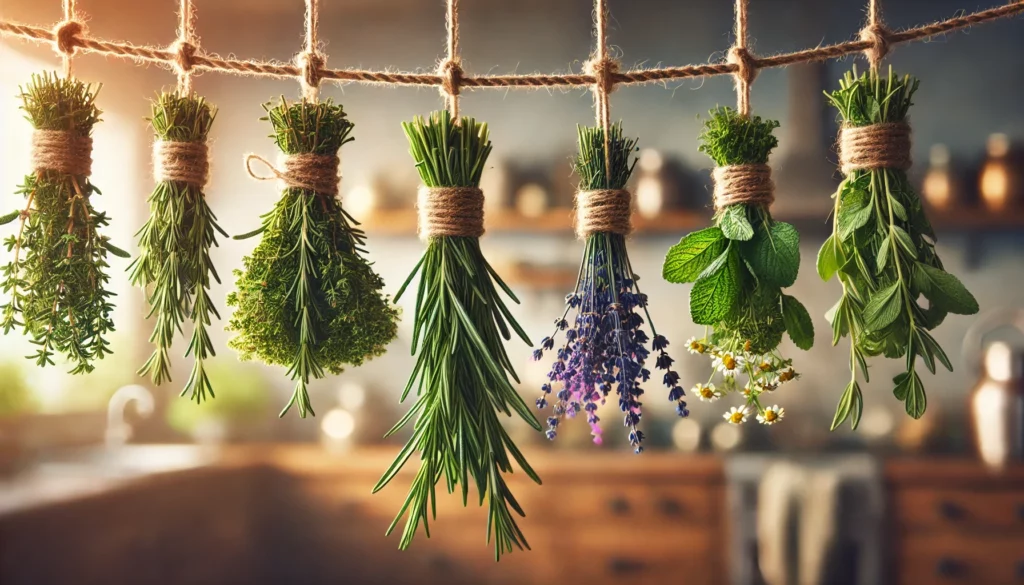
Techniques for Drying Plant Medicines
Air Drying
Oven Drying
Dehydrator Drying
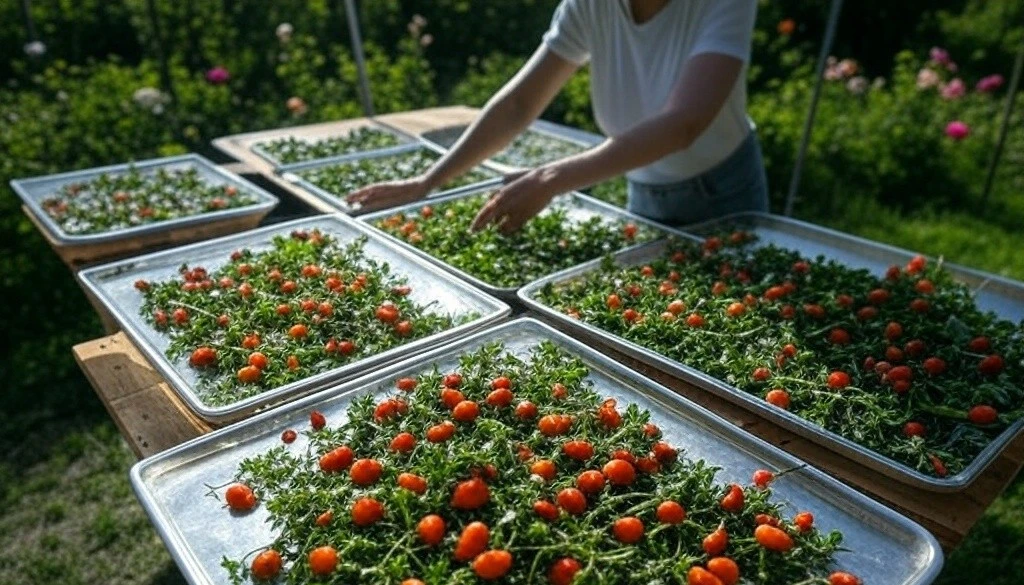
Solar Drying
Strategies for Preserving Plant Medicines
Glass Jar Storage
Vacuum Sealing
Freezing
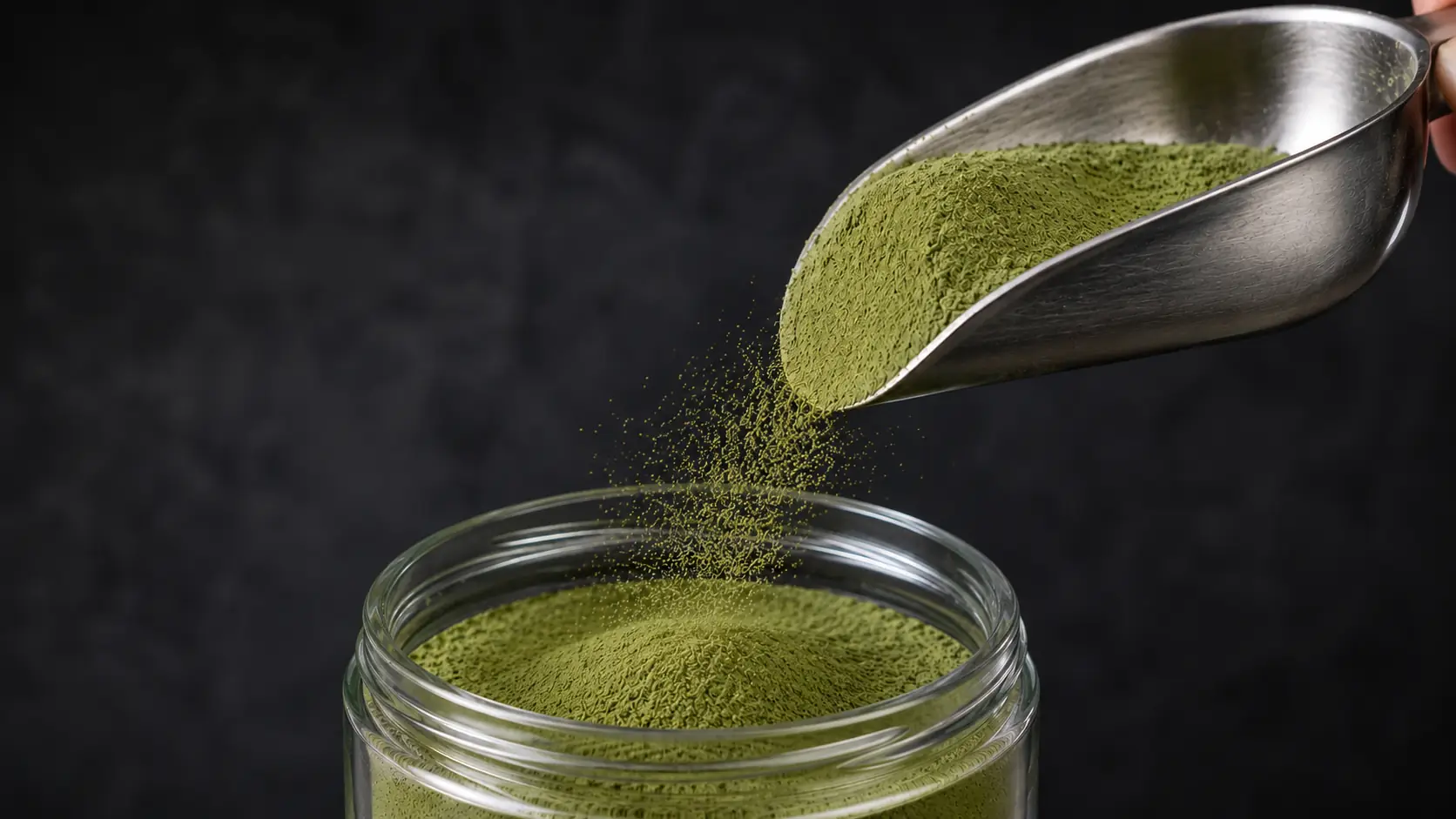
Powdering and Encapsulation
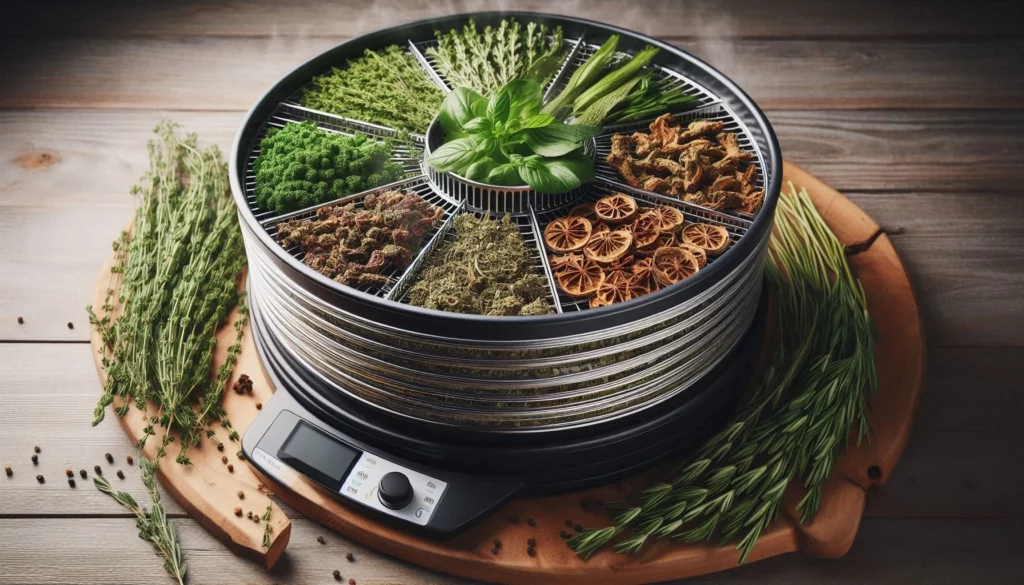
Tools and Equipment for Drying and Preserving
Troubleshooting Common Issues
Historical Context of Drying and Preserving
Drying and preserving plant medicines traces back millennia. Ancient Egyptians sun-dried herbs for mummification and medicine, while Indigenous peoples air-dried roots over fires. Medieval apothecaries stored dried botanicals in clay pots, refining techniques still used today. Chinese herbalists, around 200 CE, shade-dried ginseng to preserve its properties, as noted in early texts. Aztecs solar-dried cacao leaves on stone platforms, supporting their medicinal traditions.
By the 17th century, European sailors adopted Caribbean sun-drying of guava leaves for scurvy prevention during voyages. These practices, shaped by climate and need, evolved into today’s methods, blending ancient wisdom with modern tools. These practices evolved from necessity, adapting to local climates and resources. Understanding this lineage underscores the timeless value of preserving nature’s gifts, linking modern methods to a rich past.
Practical Tips for Mastery
FAQ
A: For those new to the process, start with hardy, forgiving plants like peppermint, rosemary, or chamomile. These have straightforward drying needs and are less prone to spoilage. Peppermint dries quickly with air or a dehydrator, rosemary withstands various methods due to its robust structure, and chamomile’s small flowers teach precision without overwhelming complexity. Once comfortable, you can experiment with more delicate or resinous plants.
A: Fully dried plant material should feel crisp and brittle to the touch, with no flexibility or dampness. Leaves should crumble easily between your fingers, and roots should snap rather than bend. If there’s any softness or a musty smell, drying is incomplete, risking mold during storage.
A: If aroma fades, potency may have diminished, and reviving it fully isn’t possible. However, you can maximize what remains by crushing or powdering the material just before use to release trapped compounds. Store any unused portion in a vacuum-sealed bag or freezer to slow further degradation.
A: Plants with high water content, like aloe vera leaves or fresh mushrooms, don’t dry well with standard techniques due to their gel-like or fleshy nature. These require specialized processes, such as freeze-drying or immediate processing into gels or extracts. Research specific plants beforehand, as some, like certain succulents, lose medicinal value entirely when dried.
A: Air drying stands out as the most budget-friendly option, requiring only string and a suitable space. Solar drying follows closely if you can build a simple frame with repurposed materials. Both rely on natural resources rather than electricity or equipment, making them accessible without sacrificing quality, provided your climate cooperates.
A: Combining methods is feasible and sometimes practical. For example, you might start with air drying to remove most moisture slowly, then finish with an oven or dehydrator for speed if weather turns humid. Ensure each phase is monitored to avoid uneven results, and adjust based on the plant’s response to maintain consistency.