Interest in kratom has been growing steadily across Canada, and Manitoba is no exception. More people are looking into plant-based options as part of their wellness routines, and kratom often comes up in those conversations. At the same time, buying kratom in Manitoba can feel confusing, especially for people who are new to it or unsure about the legal and quality considerations. The province’s diverse geography from the urban center of Winnipeg to rural prairies, northern resource communities like Thompson, and agricultural hubs such as Brandon and Dauphin shapes how people approach this botanical.
Long winters, physical labour demands, and a culture of self-reliant wellness amplify its appeal, but informed navigation of origins, effects, regulations, sourcing, and safety is essential in this largely unregulated space. As interest grows among professionals, students, shift workers, and those in remote areas, understanding kratom’s place within Manitoba’s unique context helps ensure positive, compliant experiences.
What Is Kratom? Origins, Alkaloids, and Effects
Kratom (Mitragyna speciosa) is a tropical evergreen tree native to Southeast Asia, where its leaves have been used traditionally for centuries. In Thailand, Indonesia, and Malaysia, workers chewed fresh leaves to fight fatigue during long days, brewed them into tea for sustained focus, or processed them into powder to ease discomfort or promote calm. Historical records from these regions show kratom as a staple in rural communities, integrated into daily routines much like coffee or tea in Western cultures. Over time, its use spread through trade and migration, evolving from traditional practices to modern wellness applications.
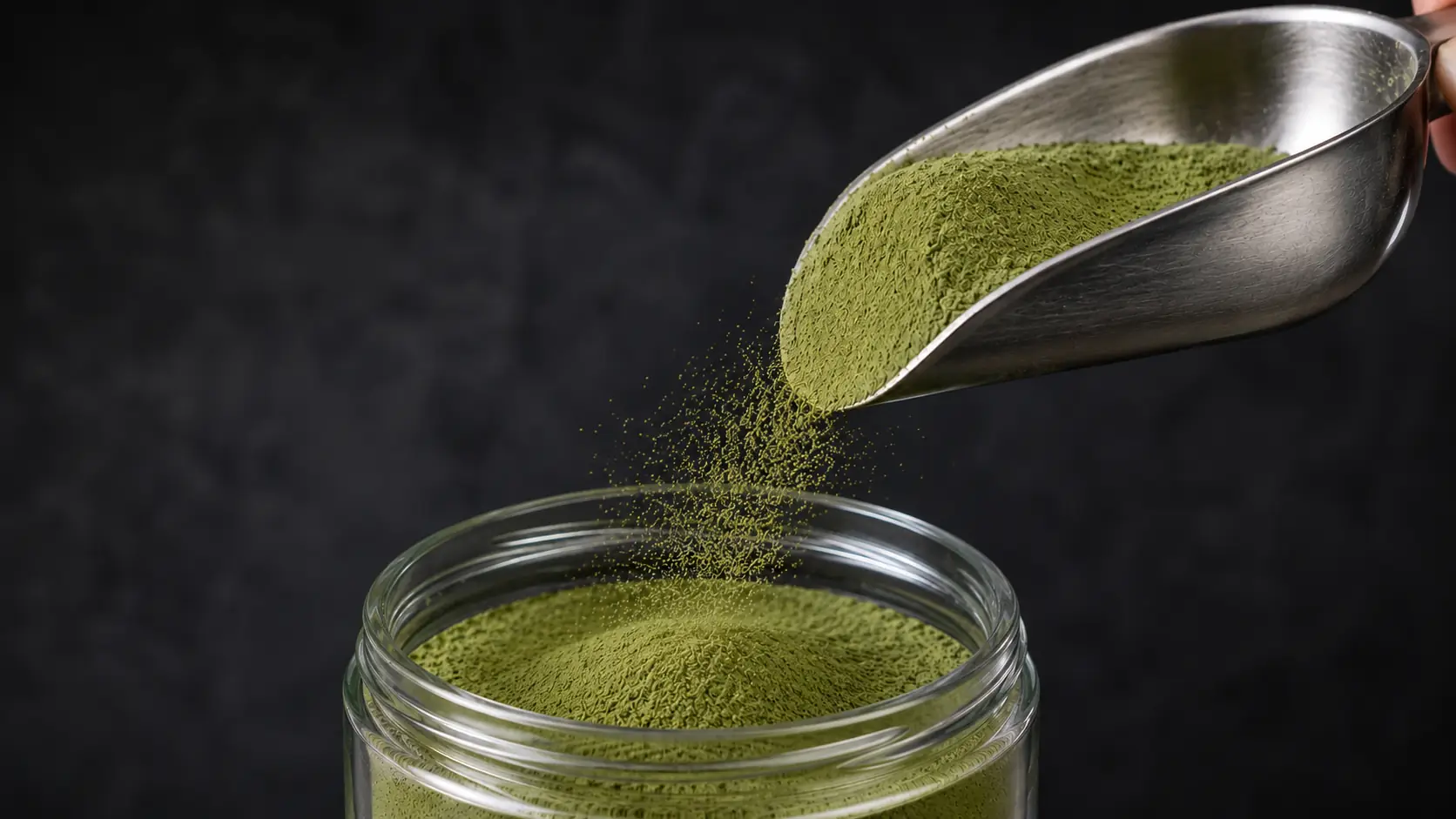
Modern forms include finely ground powder and capsules for easier use. The plant’s effects arise from key alkaloids, primarily mitragynine (the main compound) and 7-hydroxymitragynine (more potent in smaller amounts). These interact with opioid receptors in a nuanced, dose-dependent manner which are distinct from conventional opioids, as they also influence serotonin and dopamine pathways for mood and energy modulation.
Lower doses (typically 1 – 3 grams) produce stimulating effects: increased alertness, motivation, and mental clarity, helpful against winter fatigue or demanding shifts in Manitoba’s resource sectors. Higher doses (4 – 8 grams or more) shift toward relaxation, soothing calm, and potential discomfort relief, appealing during the province’s cold months when mood dips are common. This adaptability suits varied Manitoba lifestyles, from urban office workers needing focus to rural farmers managing physical strain.
| Vein Colour | Dominant Effects | Example Strains | Typical Manitoba Use Case |
|---|---|---|---|
| Red | Relaxation, calm, discomfort relief | Red Bali, Red Borneo | Evening unwind after long days or physical work |
| Green | Balanced energy and relaxation | Green Malay, Green Maeng Da | Daytime mood support without overstimulation |
| White | Stimulation, focus, motivation | White Maeng Da, White Thai | Productivity during harsh winters or demanding shifts |
Results vary by individual factors like tolerance, body chemistry, and product consistency. Start low to find what works, and consider how Manitoba’s climate might influence sensitivity, such as dehydration risks in dry winters amplifying effects.
Kratom Legal in Manitoba? The Federal Gray Area
Kratom legal in Manitoba aligns with Canada’s federal framework, with no additional provincial restrictions or bans as of January 2026. Kratom is not listed under the Controlled Drugs and Substances Act, so personal possession, use, and small-scale importation are not criminal offenses. This status dates back to the early 2010s, when kratom gained popularity in North America without initial regulatory attention, leading to its current gray-area position.
Health Canada classifies it as an unauthorized natural health product under the Food and Drugs Act. No kratom products hold a Natural Product Number (NPN), required for legal sale as consumables. Vendors must label products “not for human consumption” (e.g., for research, aromatherapy, or botanical specimens) and avoid any health or consumption claims. This approach stems from limited clinical data on long-term safety, though emerging studies explore its alkaloids’ potential.
Manitoba follows federal guidelines without deviations, unlike Quebec, which adds bilingual labeling for vendors, or British Columbia, where opioid crisis scrutiny has led to occasional advisories. Enforcement in Manitoba targets unauthorized marketing or sales claims, not individual users, with rare cases of product seizures in imports. The status has remained stable, though ongoing research could lead to future updates; check Health Canada advisories regularly for any shifts in policy or new evidence-based guidance.
Buying Kratom in Manitoba: Sourcing and Availability
Physical retail options are scarce province-wide and limited to occasional specialty shops in Winnipeg, with virtually none in rural, northern, or smaller-city areas. Most Manitobans rely on Canadian online vendors shipping via Canada Post or couriers like FedEx for alternatives during strikes.
Urban orders typically arrive in 2 – 5 days; northern or remote rural deliveries may take longer due to distance or weather, such as snow delays in winter. When buying kratom in Manitoba, prioritize vendors offering third-party lab testing (for contaminants like heavy metals, pesticides, microbes, and alkaloid consistency), accessible certificates of analysis (COAs), ethical sourcing from sustainable farms, discreet packaging to protect privacy, and strict compliance labeling. Look for user reviews on delivery times to Manitoba and policies on returns for damaged goods.
Online communities, including Manitoba-focused groups, share insights on reliable shipping and product quality, helping avoid variability in an unregulated market.
Kratom Across Manitoba: Regional Differences
Manitoba’s expansive landscape creates distinct experiences with kratom access and use. Shipping reliability, community engagement, and lifestyle needs differ across urban, rural, northern, and agricultural regions, influenced by population density and infrastructure.
Kratom in Winnipeg
Winnipeg stands out as Manitoba’s primary urban center, with greater population density supporting more active online discussions, vendor recommendations, and relatively swift shipping. Residents often share strain preferences and experiences amid city routines and seasonal challenges, where kratom might help with focus during commutes or relaxation after busy days.
For a deeper look at Winnipeg-specific sourcing patterns, community trends, and practical guidance, see our dedicated post: Kratom in Winnipeg: Discover Trusted Quality Sources. This urban-focused resource builds on the broader provincial overview here, highlighting how city access contrasts with rural areas.

Safety, Responsible Use, and Common Concerns
Responsible approaches keep experiences positive. Begin with 1 – 2 grams to evaluate tolerance, increase gradually if needed, and incorporate periodic breaks to prevent tolerance or dependency. Hydration, balanced nutrition, and avoiding daily routines enhance sustainability, especially in Manitoba’s dry winters where dehydration can intensify side effects.
Potential side effects include nausea, dizziness, constipation, or irritability, often relate to higher doses, inconsistent quality, or overuse. In rural or northern areas with limited local healthcare, tracking doses and effects in a journal provides extra assurance, allowing early adjustments. While dependency can occur with frequent high use, intentional moderation significantly reduces risks, as noted in user surveys from similar climates. Kratom complements Manitoba’s wellness culture such as outdoor activities, holistic practices, and natural health focus when used thoughtfully, offering a plant-based alternative without overclaiming benefits.
Practical Tips for Manitoba Residents
- Choose vendors carefully: Research Canadian-based suppliers that provide third-party lab testing for purity, including heavy metals, pesticides, and microbes, as well as consistent alkaloid levels. Always read the Certificates of Analysis (COAs). Many reputable vendors make these available via QR code or a website link. Avoid sellers making unsubstantiated health claims or offering prices that seem too good to be true.
- Start low and go slow: Begin with a very small dose, typically 1 to 2 grams, to assess your personal tolerance and response. Test during low-activity periods such as a weekend or non-work day so you can observe effects without pressure. Using variety packs or small quantities can help you explore different strains like red, green, and white without committing to large amounts.
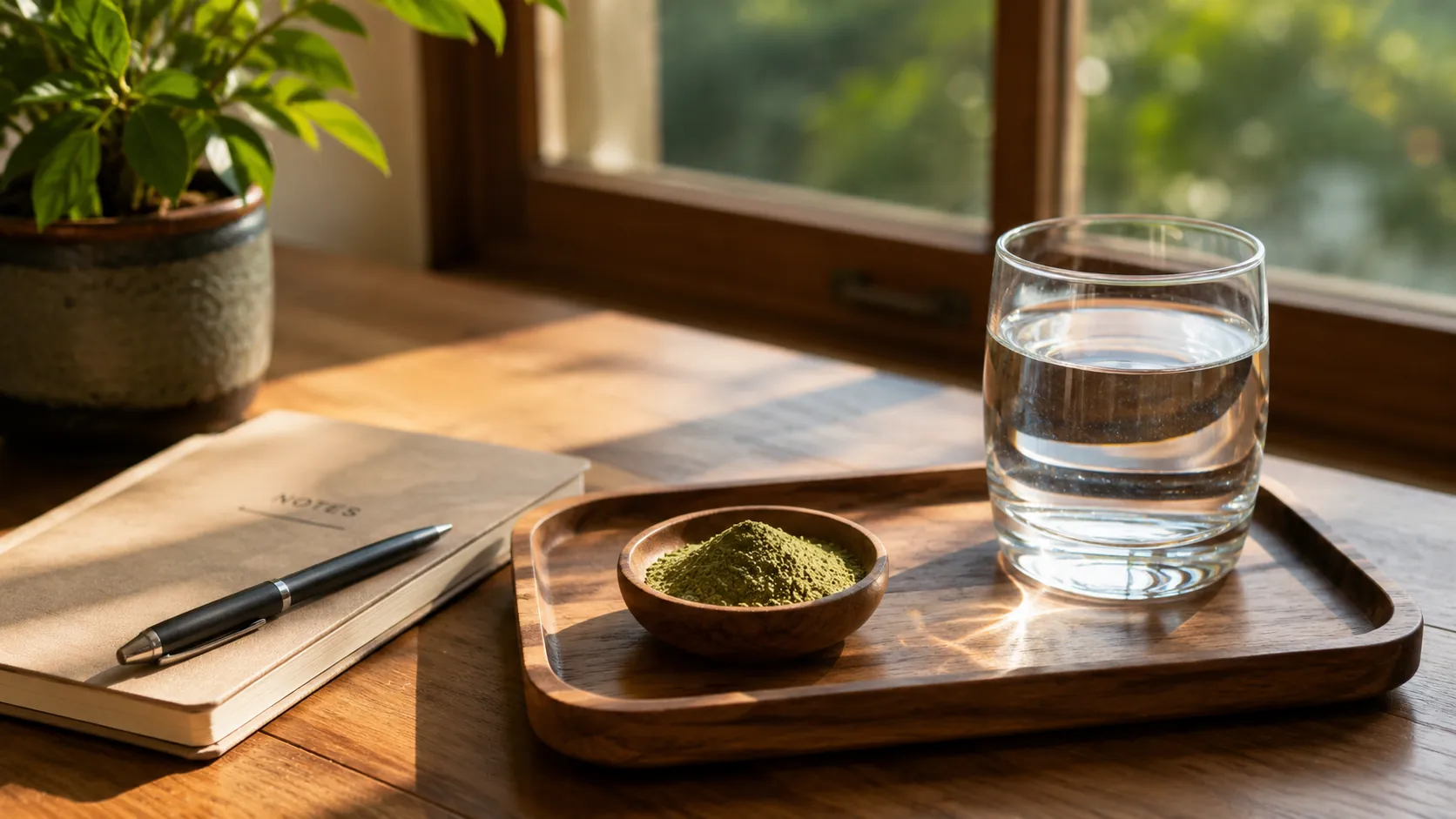
- Track your experience: Keep a simple journal or notes app entry for each use. Record the dose, strain, time of day, what you ate or drank beforehand, observed effects both positive and negative, and duration. This can help you refine what works best for your body and identify patterns, including how Manitoba’s long winters or changing seasons affect your energy levels.
- Stay hydrated and mindful of climate: Manitoba’s cold, dry air can increase the risk of dehydration, which may intensify side effects such as headaches or nausea. Drink plenty of water before, during, and after use, especially in winter months when indoor heating dries out the air.
- Take regular breaks: Avoid daily or habitual use to reduce the risk of tolerance and dependency. Many experienced users follow schedules such as two days on and two to three days off, or longer cycles like taking one full week off each month to maintain effectiveness and safety.
- Stay informed and cautious with communities: Monitor official Health Canada advisories for regulatory updates or safety warnings. Online communities such as Canadian-focused kratom forums or Manitoba-related Reddit threads can be useful, but always cross-check advice with reliable sources and avoid relying solely on anecdotal experiences.
- Integrate with healthy routines: When appropriate, pair kratom use with established wellness habits like regular exercise, consistent sleep, balanced nutrition, and stress management. A strong overall routine can help reduce potential side effects and support better outcomes.
- Consult a healthcare professional: Speak with a doctor or pharmacist before trying kratom, especially if you take medications such as opioids, antidepressants, sedatives, or stimulants, or if you have pre-existing conditions involving the liver, heart, or mental health. This is particularly important for residents in rural or northern Manitoba where access to immediate medical care may be limited.
- Plan for shipping and storage: In rural or northern areas of Manitoba, order ahead to account for longer delivery times. Store kratom in a cool, dry, airtight container away from light and moisture to preserve potency, especially during humid summers or very dry winters.

FAQ
Q: Is kratom legal in Manitoba?
A: Yes, kratom is legal to possess and use for personal purposes in Manitoba. However, Health Canada has not authorized it for human consumption under the Food and Drugs Act, so vendors must label products “not for human consumption” (e.g., for research or aromatherapy) and cannot make health claims.
Q: Where can I buy kratom in Manitoba?
A: Physical retail is limited, mostly to occasional specialty shops in Winnipeg, with virtually no options in rural, northern, or smaller cities like Brandon or Thompson. Most residents buy from Canadian-based online vendors that ship province-wide via Canada Post or couriers. Look for vendors providing third-party lab testing, certificates of analysis (COAs), transparent sourcing, and compliant labeling to ensure quality and safety in an unregulated market.
Q: Is kratom legal to ship to Manitoba?
A: Yes, personal shipments are generally allowed, as possession is legal. Online vendors in Canada can ship to Manitoba addresses, though delivery times vary with faster deliveries in urban areas like Winnipeg (2 – 5 days) and potentially longer in northern or remote regions due to weather or distance.
Q: Are there risks or side effects to using kratom in Manitoba?
A: Yes, potential side effects include nausea, dizziness, constipation, irritability, or dependency with frequent high-dose use. In Manitoba’s cold, dry climate, dehydration can worsen these. Risks are lower with responsible use (low starting doses, hydration, breaks from regular use), quality-tested products, and moderation. Those with health conditions, on medications, or in rural areas with limited healthcare access should consult a professional first.
Q: What are the main effects of kratom, and how do doses work?
A: Effects are dose-dependent: low doses (1 – 3 grams) often provide stimulation (energy, focus, motivation), while higher doses (4 – 8 grams+) lean toward relaxation, calm, and discomfort relief.
Q: How does kratom access differ in Winnipeg versus rural or northern Manitoba?
A: Winnipeg offers more community discussion, faster shipping, and slightly easier logistics due to its size and infrastructure. Rural and northern areas (e.g., Brandon, Thompson) rely more heavily on online orders, with longer wait times and greater emphasis on reliable vendors. For Winnipeg-specific details, refer to our dedicated guide on buying kratom in Winnipeg.
Q: Can I travel with kratom within Manitoba or across Canada?
A: Personal possession is legal federally and in Manitoba, so small amounts for personal use are generally fine for domestic travel (e.g., flights or drives). Keep it in original packaging with no health claims visible, and avoid mixing with other substances. International travel or crossing borders may involve stricter rules, so it’s best to check destination regulations beforehand.
Conclusion
As research on kratom’s alkaloids and applications advances such as studies on mitragynine for pain or mood, regulations may evolve toward clearer quality standards or access pathways, potentially influenced by international findings. For now, personal responsibility, quality sourcing, and awareness of the gray-area framework guide safe exploration in Manitoba. Kratom in Manitoba offers an accessible natural option for those who prioritize education, caution, and compliance. Approach it mindfully, stay updated, and consult professionals as appropriate.