Surgery, whether minor or major, often leaves patients grappling with pain, inflammation, and the challenges of recovery. For many, the standard approach to managing post-surgical pain involves opioid medications, which, while effective, carry significant risks, including dependency and side effects. As a result, people are increasingly seeking natural alternatives that can support healing without these drawbacks.
Kratom for post-surgical recovery has emerged as a compelling option, offering potential pain relief and mood support through its unique plant-based properties. This blog explores kratom’s role in post-surgical recovery, uncovering into its origins, mechanisms, benefits, and considerations for those navigating the healing process.
What Is Kratom?
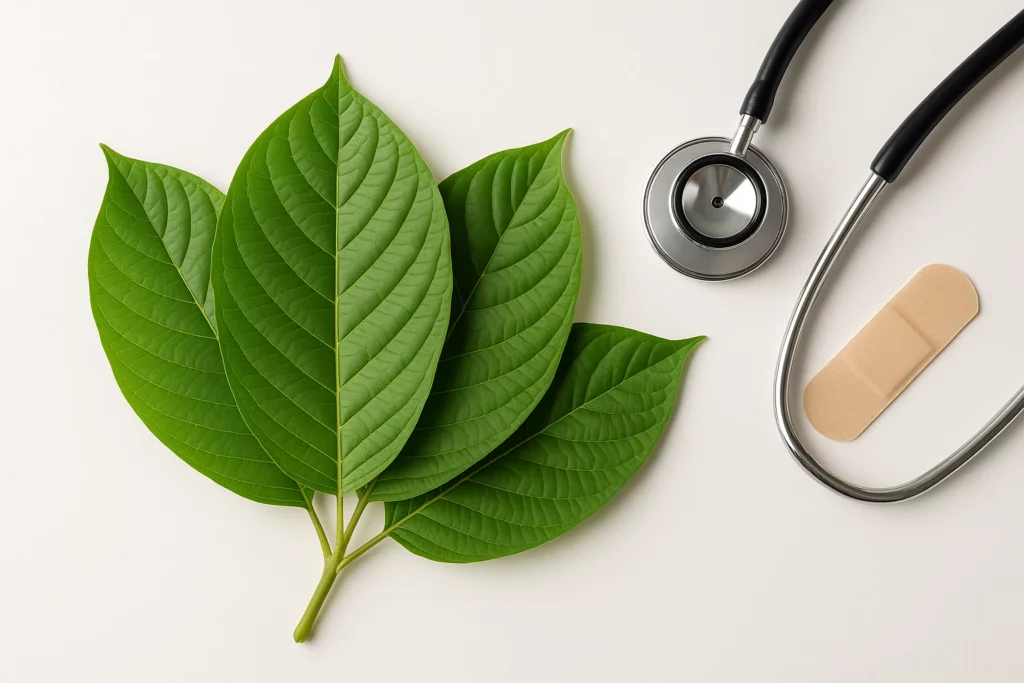
Kratom, derived from the leaves of the Mitragyna speciosa tree native to Southeast Asia, has been used for centuries in traditional medicine. The tree thrives in countries like Thailand, Malaysia, and Indonesia, where its leaves are harvested for their alkaloids, compounds that interact with the body’s receptors to produce various effects. The primary alkaloids, mitragynine and 7-hydroxymitragynine, are responsible for kratom’s pain-relieving, mood-enhancing, and calming properties, which make it a candidate for post-surgical recovery.
Unlike synthetic opioids, kratom is a natural substance that has been integrated into cultural practices for generations. Locals in Southeast Asia chew the leaves or brew them into teas to alleviate discomfort, boost energy, or promote relaxation. In recent years, its popularity has spread globally, with users exploring its potential for conditions like chronic pain, anxiety, and, notably, post-surgical recovery.
The Challenges of Post-Surgical Recovery
Recovering from surgery is a multifaceted process. Pain is often the most immediate concern, as the body heals from incisions, tissue manipulation, or structural changes. Beyond physical discomfort, patients may face inflammation, fatigue, sleep disturbances, and emotional challenges like anxiety or low mood due to restricted mobility or prolonged recovery periods. Opioids, such as oxycodone or hydrocodone, are commonly prescribed to manage pain, but their use comes with trade-offs.
Opioids can cause side effects like nausea, constipation, drowsiness, and, in some cases, respiratory depression. Prolonged use increases the risk of tolerance, meaning higher doses are needed for the same effect, which can lead to dependency or addiction. The opioid crisis, particularly in North America, has highlighted the need for safer alternatives that can address pain without compromising long-term health. This is where kratom for post-surgical recovery enters the conversation, offering a plant-based approach that may align better with the body’s natural healing processes.
How Kratom Supports Post-Surgical Recovery
Kratom’s potential for post-surgical recovery lies in its interaction with the body’s opioid receptors, though it functions differently from traditional opioids. The alkaloids in kratom bind to mu-opioid receptors, which are responsible for pain perception, producing analgesia without the intense euphoria associated with synthetic opioids. This distinction is crucial, as it may reduce the risk of dependency while still providing meaningful pain relief.
In addition to pain management, kratom offers secondary benefits that can aid recovery. For instance, certain strains, such as those labelled “red vein,” are known for their calming effects, which can help patients relax and improve sleep quality, a critical component of healing. Surgery often disrupts sleep due to discomfort or stress, and better rest can accelerate tissue repair and reduce inflammation. Other strains, like “green vein” or “white vein,” may provide a mild energy boost, helping patients combat the fatigue that often accompanies recovery.
Mood support is another area where kratom may shine. Post-surgical recovery can be emotionally taxing, with patients feeling isolated or frustrated by their limitations. Kratom’s alkaloids can promote a sense of well-being by influencing serotonin and dopamine pathways, potentially easing anxiety and promoting a more positive outlook during recovery. This holistic approach, addressing pain, sleep, and emotional health, makes kratom a versatile tool for those seeking non-opioid alternatives.

The Benefits of Kratom as a Non-Opioid Alternative
One of the most significant advantages of using kratom for post-surgical recovery is its potential to reduce reliance on opioids. By providing pain relief through a different mechanism, kratom may allow patients to use lower doses of prescription medications or avoid them altogether in some cases. This is particularly relevant for minor surgeries, where pain is moderate but still disruptive. For example, procedures like dental extractions, hernia repairs, or arthroscopic surgeries may benefit from kratom’s effects without the need for heavy pharmaceuticals.
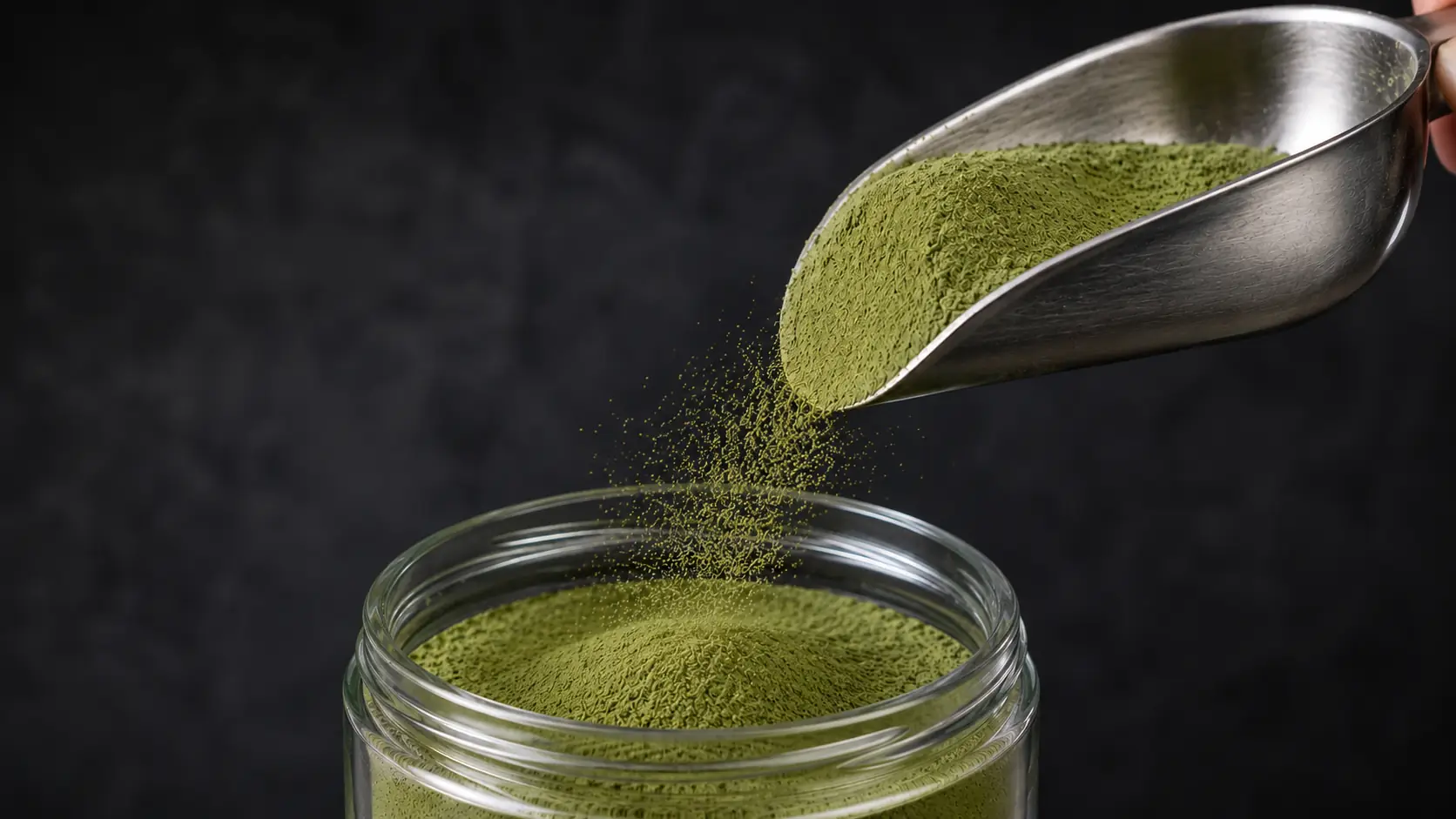
Kratom’s natural origin also appeals to those wary of synthetic drugs. While it’s not without risks, its side effect profile is generally milder than that of opioids. Common side effects, such as nausea or dizziness, are often dose-dependent and can be mitigated by starting with small amounts. Additionally, kratom is available in various forms, powders, capsules, or teas, allowing users to choose a method that suits their preferences and recovery needs.
Another benefit is kratom’s flexibility. Different strains and dosages can be adjusted to specific symptoms. For instance, a patient struggling with nighttime pain might opt for a red vein strain to promote relaxation, while someone needing daytime focus might choose a green vein variety. This adaptability makes kratom a personalized option, unlike the one-size-fits-all approach of many prescription medications.
Considerations for Using Kratom in Recovery
While kratom for post-surgical recovery holds promise, it’s not a one-size-fits-all solution. Several factors must be considered to ensure safe and effective use. First, kratom’s effects vary based on strain, dosage, and individual physiology. What works for one person may not work for another, so starting with a low dose, typically 1 to 2 grams, is recommended to gauge tolerance and response. Gradually adjusting the dose under careful observation can help find the sweet spot for pain relief without unwanted side effects.
Quality is another critical consideration. Not all kratom products are created equal, and sourcing from the best kratom in Canada ensures purity and potency. Contaminated or adulterated kratom can pose health risks, so patients should prioritize suppliers with transparent testing practices. This is especially important during post-surgical recovery, when the body is already vulnerable.
Interactions with other medications are a key concern. Surgery patients are often prescribed antibiotics, anti-inflammatories, or other drugs, and kratom may interact with these, particularly if they affect the liver’s metabolic pathways. Consulting a healthcare provider before incorporating kratom is essential, especially for those with pre-existing conditions or complex medication regimens.
Dependency is another factor to weigh. While kratom is considered less addictive than opioids, regular use can lead to tolerance or mild withdrawal symptoms upon cessation. To minimize this risk, patients might use kratom intermittently or for short periods during the acute phase of recovery, rather than as a long-term solution.
Integrating Kratom into a Holistic Recovery Plan
Using kratom for post-surgical recovery is most effective when paired with other healing practices. Nutrition plays a vital role in recovery, with a diet rich in protein, vitamins, and antioxidants supporting tissue repair and immune function. Kratom’s potential to improve appetite may indirectly support nutritional goals, especially for patients struggling to eat post-surgery.
Physical therapy and gentle movement, when cleared by a doctor, can enhance circulation and prevent stiffness. Kratom’s energy-boosting strains may provide the motivation needed to engage in light activity, though patients should avoid overexertion. Mindfulness practices, such as meditation or deep breathing, can complement kratom’s mood-enhancing effects, helping manage stress and promote emotional resilience.
Sleep hygiene is another critical component. Creating a restful environment, limiting screen time, and using kratom judiciously to support relaxation can improve sleep quality, which is essential for healing. Patients should monitor how kratom affects their sleep patterns and adjust strains or timing accordingly.
Navigating Legal and Regulatory Landscapes
The legal status of kratom varies by region, which can affect its accessibility for post-surgical recovery. In Canada, kratom is legal but sold as a natural health product, not for human consumption, due to regulatory restrictions. This means patients may need to do their own research to source high-quality kratom safely. In contrast, some countries and U.S. states have banned or restricted kratom due to concerns about its safety and potential for misuse. Understanding local regulations is crucial before incorporating kratom into a recovery plan.
Regulatory bodies, like Health Canada, have not fully endorsed kratom for medical use, citing insufficient research on its long-term effects. This lack of formal approval underscores the importance of self-education and caution. Patients should approach kratom as a complementary tool rather than a replacement for medical advice or prescribed treatments.

Addressing Common Concerns and Misconceptions
Despite its potential, kratom is not without controversy. Some critics argue it’s merely a “legal opioid,” but this oversimplifies its effects. While kratom interacts with opioid receptors, its alkaloid profile produces a milder effect, with less risk of respiratory depression, a major danger of traditional opioids. Still, misinformation persists, often fueled by sensationalized reports of misuse or rare adverse events.
Another misconception is that kratom is a cure-all. While it may help with pain, mood, and energy, it’s not a substitute for comprehensive medical care. Surgery patients should work closely with their healthcare team to ensure kratom aligns with their overall recovery plan. Transparency with doctors about kratom use is critical to avoid complications or interactions.
Personalizing Kratom Use for Optimal Results
Every patient’s recovery journey is unique, and kratom’s versatility allows for personalization. For example, a patient recovering from orthopedic surgery might prioritize pain relief and use a higher dose of a red vein strain at night. Someone healing from abdominal surgery, where nausea is a concern, might opt for a lower dose of a green vein strain to balance pain relief with digestive comfort. Experimenting under controlled conditions, starting low and going slow, helps identify the best approach.
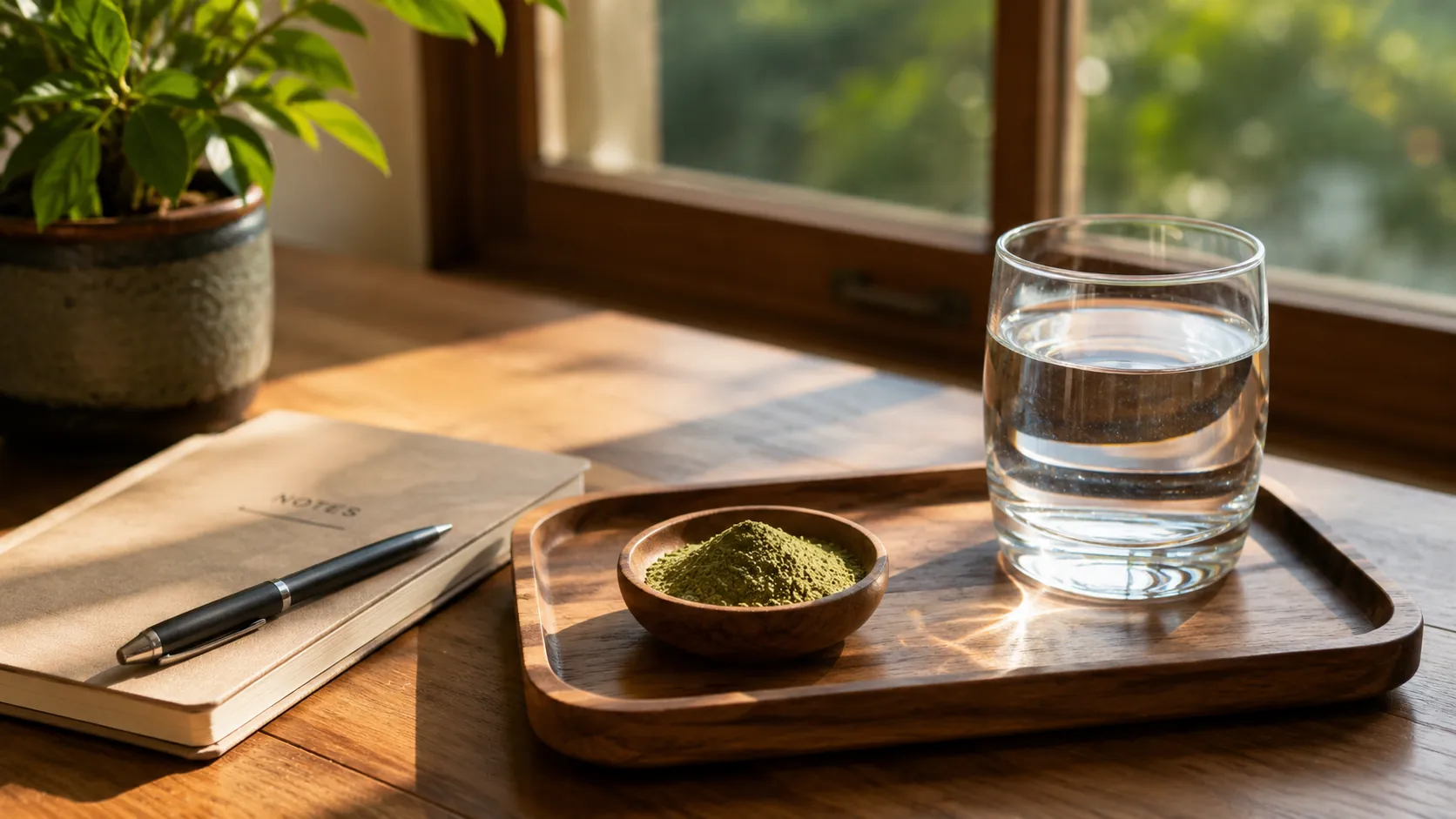
Keeping a recovery journal can be helpful. Tracking kratom doses, strains, and effects alongside other factors like pain levels, sleep quality, and mood can provide insights into what works. This data-driven approach empowers patients to refine their use of kratom for post-surgical recovery while staying attuned to their body’s needs.
Practical Tips for Getting Started
For those considering kratom for post-surgical recovery, preparation is key. Begin by researching reputable sources to ensure product quality. Look for vendors who provide lab-tested kratom and clear information about strain types and potency. Start with a low dose, such as 1 gram, and increase gradually if needed, paying close attention to how your body responds.
Timing matters as well. Taking kratom on an empty stomach may enhance its effects, but some find it gentler with food to avoid nausea. Stay hydrated, as kratom can have a diuretic effect, and dehydration can slow recovery. Finally, prioritize open communication with your healthcare provider to ensure kratom complements your recovery plan safely.
The Future of Kratom in Post-Surgical Care
As interest in non-opioid pain management grows, kratom’s role in post-surgical recovery may gain more attention. Researchers are beginning to explore its pharmacology, though large-scale clinical trials are still limited. Early studies suggest kratom’s alkaloids have unique properties that could make it a valuable tool for pain management, but more data is needed to establish standardized guidelines for its use.
Advocates argue that kratom’s natural origins and lower risk profile make it a promising candidate for integrative medicine. However, its future depends on responsible use, rigorous quality control, and open dialogue between patients, healthcare providers, and regulators. As the conversation around kratom evolves, it could become a mainstream option for those seeking alternatives to conventional pain medications.
Frequently Asked Questions About Kratom for Post-Surgical Recovery
Q: How soon after surgery can I start using kratom for pain relief?
A: The timing depends on your surgery and overall health. Consult your doctor before using kratom, especially in the immediate post-surgical period, to avoid interactions with prescribed medications or complications during early healing.
Q: Can kratom replace all pain medications after surgery?
A: Kratom may reduce the need for opioids in some cases, particularly for minor surgeries, but it’s not a complete substitute for prescribed medications. Always follow your doctor’s guidance and use kratom as a complementary tool.
Q: Which kratom strain is best for post-surgical recovery?
A: Red vein strains are often preferred for pain relief and relaxation, ideal for nighttime use. Green or white vein strains may help with energy and focus during the day. Start with a low dose to find what suits your needs.
Q: Is kratom safe to use with other post-surgical medications?
A: Kratom may interact with medications like antibiotics or painkillers, particularly those metabolized by the liver. Discuss its use with your healthcare provider to ensure safety and avoid adverse effects.
Q: How can I avoid side effects when using kratom for recovery?
A: Start with a low dose, stay hydrated, and avoid combining kratom with alcohol or sedatives. Monitor your body’s response and adjust the dose or strain if you experience nausea or dizziness.
Q: Can kratom help with post-surgical anxiety or depression?
A: Kratom’s alkaloids may promote a sense of well-being, potentially easing mild anxiety or low mood. However, it’s not a treatment for clinical mental health conditions, so consult a professional for persistent symptoms.
Embracing a Balanced Approach
Kratom for post-surgical recovery offers a natural, non-opioid option for managing pain and supporting healing. Its ability to address multiple aspects of recovery, pain, mood, energy, and sleep, makes it a versatile tool for those navigating the challenges of surgery. However, its use requires caution, education, and collaboration with medical professionals to ensure safety and efficacy.
By integrating kratom thoughtfully into a holistic recovery plan, patients can harness its potential while minimizing risks. As the world seeks safer, more sustainable ways to manage pain, kratom stands out as a plant-based ally, offering hope for those striving to heal without the burdens of opioid dependency. With careful consideration and informed choices, kratom can be a valuable part of the journey back to health.