For many people curious about natural botanicals, a new conversation is starting that discussess kratom edibles versus powder forms. Picture starting your day with a burst of natural energy that feels smooth and sustained, without the hassle of measuring gritty powder or needing a chaser. Or winding down after a long afternoon with a subtle ease that relaxes your mind and body. This is the appeal of exploring different ways to incorporate plant-based options into daily life. Kratom edibles vs powder represents a shift toward more approachable consumption, where flavour and convenience meet traditional uses.
What Exactly Are Kratom Edibles?
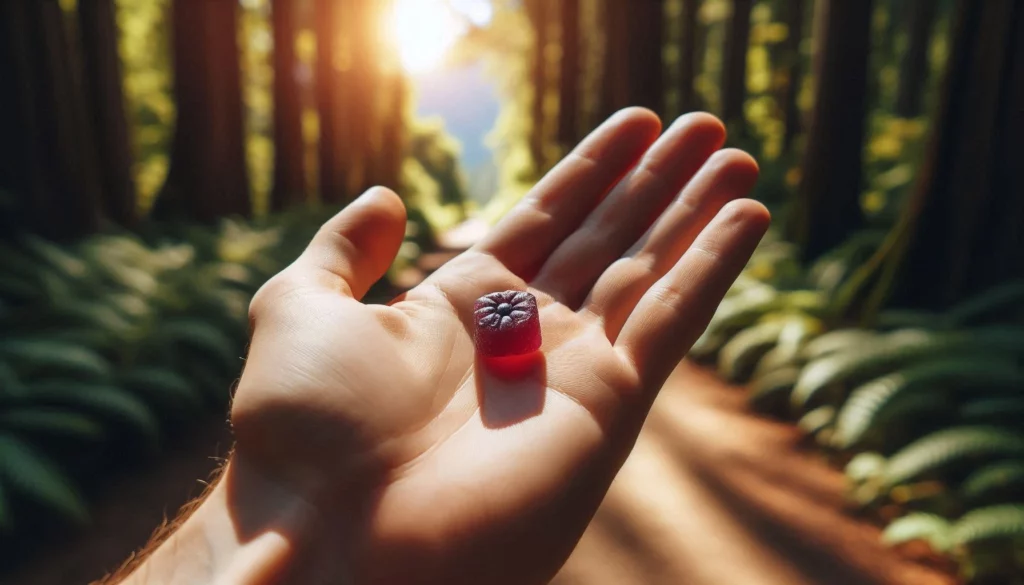
Kratom edibles bring a fresh twist to an ancient plant. At their core, these are food or candy-like products infused with kratom extract or finely ground leaf material. Think soft gummies shaped like squares or fruit shapes, chewy taffies with a hint of caramel, or chocolate bites that melt smoothly on the tongue. Unlike loose leaves chewed fresh in traditional settings, edibles package the plant’s compounds into something portable and palatable.
The process starts with high-quality kratom leaves, harvested at peak maturity from tropical groves. These leaves are dried, ground, or processed into an extract rich in natural alkaloids like mitragynine, the primary active element responsible for kratom’s balanced profile. That extract or powder then gets blended into a base recipe, often with natural sweeteners, fruit purees, or gelatin for structure. The result is a treat that delivers consistent amounts per piece, making it simple to enjoy without scales or spoons.
The Rise in Popularity of Kratom Edibiles
One reason edibles have gained traction is their ability to transform the experience. The plant’s earthy notes, which can linger unpleasantly in other forms, get softened by flavuors like berry, citrus, or mint. This makes them ideal for those dipping their toes in, as the enjoyment factor encourages mindful use. In Canada, where kratom falls into a gray area for sales but personal exploration is common, edibles appeal to folks wanting discretion. You can pop one in your pocket for a hike or workday boost.
But edibles aren’t just about taste. Their design supports gradual absorption through digestion, which can lead to a more even flow of effects over hours. This contrasts with quicker methods, offering a gentle entry into the plant’s potential for focus or unwinding. As we’ll see later, this ties directly into why kratom edibles vs powder feels like comparing a crafted cocktail to straight spirits.
Understanding Kratom Powder: The Traditional Foundation
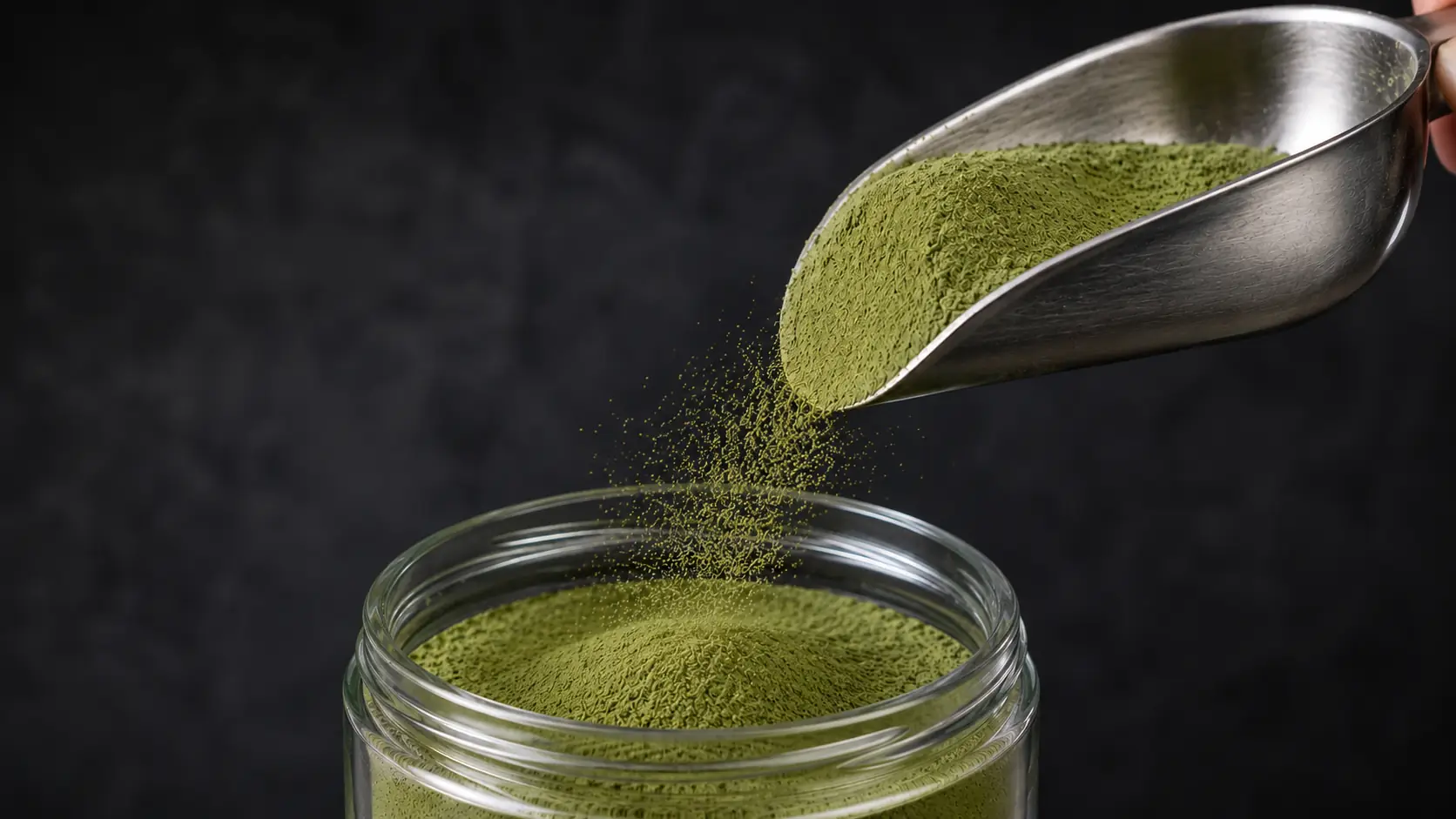
Now, shift gears to kratom powder, the workhorse of this botanical world. This form is as straightforward as it gets: mature leaves are sun-dried or oven-baked at low temperatures to preserve their essence, then finely milled into a fine green dust. The result is a versatile powder that captures the full spectrum of the leaf, including alkaloids, fibers, and subtle compounds working in harmony.
Historically, powder mirrors how rural workers in Southeast Asia prepared kratom. Today, it’s sold in bags or jars, ready for tossing into smoothies, stirring into juice, or encapsulating for precision. Its raw nature means you control everything: strain selection (like energizing whites or soothing reds), grind fineness, and freshness.
What stands out about powder is its authenticity. Without added flavours or binders, you get the plant undiluted, which many appreciate for building a nuanced connection to its rhythms. A teaspoon might kick off with mild alertness, evolving into steady calm as the day progresses. In practical terms, it’s budget-friendly and customizable. You can mix it stronger for evenings or lighter for mornings.
Yet, this purity comes with a learning curve. The texture can clump, and the bold, herbal flavour demands creativity to balance. For Canadians navigating local availability, powder often arrives via trusted channels labelled for non-consumable purposes, emphasizing personal responsibility in preparation. It’s the backbone of kratom culture, setting the stage for innovations like edibles.
Key Differences in Preparation and Daily Convenience
When pitting kratom edibles vs powder, preparation jumps out as a major divide. Powder demands active involvement: you measure doses (typically 2-5 grams for starters), decide on a medium (water, juice, or food), and commit to the ritual. This hands-on approach suits those who enjoy tweaking recipes. For example, you might add a dash in coffee for a gentle lift or blend into a post-workout shake for recovery support. But it can feel cumbersome on rushed days, with cleanup and timing adding steps.
Edibles flip the script toward effortless integration. They’re pre-portioned, often with labels noting 1-2 grams per piece, so grabbing one feels like snacking on a vitamin gummy. There’s no mixing or mess; just unwrap and savor. This shines for travel or social settings, where discretion matters. In a busy Canadian routine, from Toronto commutes to Vancouver trails, edibles slip in seamlessly, turning a moment of pause into something delightful.
Convenience extends to storage too. Powder needs a cool, dry spot to avoid clumping from humidity, common in coastal areas. Edibles, sealed in pouches, stay fresh longer and resist environmental quirks. Over time, this ease creates consistency, helping users track what works without guesswork.
Flavour Profiles: From Earthy to Enjoyable
Taste is where kratom edibles vs powder truly diverges, often deciding who’s hooked and who’s hesitant. Powder’s signature is unfiltered: a deep, green-earth bite with hints of bitterness that echoes the leaf’s wild origins. Some embrace it as part of the tradition, chasing it with citrus to brighten the edges or honey to mellow the depth. Others find it off-putting, like sipping unsweetened matcha with a herbal twist.
Edibles, by design, reimagine this profile. Infusions layer in vanilla, tropical fruits, or a touch of sea salt, creating a symphony that hides the base while letting subtle notes peek through. A strawberry gummy might evoke summer jam, while a chocolate chew recalls laid back evenings. This masking isn’t just cosmetic; it encourages regular exploration, turning potential aversion into anticipation.
Effects Onset, Duration, and Body Feel
Taking a look into how they unfold, kratom edibles vs powder reveals nuances in timing and sensation. Powder, taken whole or in liquid, absorbs quickly through the mouth and stomach lining, often within 15-30 minutes. This rapid rise suits on-demand needs, like a midday focus nudge, with peaks lasting 1-2 hours before a soft taper.
Edibles take a scenic route via full digestion, kicking in around 30-60 minutes but stretching effects to 4-6 hours. This slower release mimics a time-laid infusion, ideal for sustained calm during errands or creative flows. Users note a gentler entry with no sharp jolts, leading to deeper immersion without overwhelm.
Body-wise, powder’s direct hit can feel more immediate on muscles or mood, while edibles’ gradual build supports holistic balance. Strain matters here: pair white-vein powder for quick vitality or red-vein edibles for lingering ease. Both regard the plant’s dual nature, offering stimulant effects at low levels and sedative effects at higher, but edibles often feel more forgiving for pacing.
Dosage Precision: Measuring for Balance
Precision in dosing underscores another layer of kratom edibles vs powder. Powder’s flexibility shines for veterans: a level scoop (about 2.5 grams) scales easily, but beginners risk inconsistency without kratom tools. Over time, you learn your sweet spot through trial, adjusting for body weight or tolerance.
Edibles prioritize safety with built-in controls. Each piece packs a declared amount, say 1.5 grams, reducing error. This matters for subtle tuning. You might start with half a gummy to gauge response. In shared households or travel kits, it’s a safeguard against mishaps.
Both forms stress starting low: 1-2 grams for energy, 3-5 for relaxation. Hydration amplifies either, and cycling use prevents buildup. For Canadians mindful of personal limits, this clarity builds confidence in responsible choices.
Safety Considerations and Best Practices
- Choose Quality: Select lab-tested kratom from reputable sources to avoid contaminants, ensuring transparency, especially in Canada where it’s labeled non-consumable.
- Use Responsibly: Avoid combining with alcohol or sedatives, stay hydrated, and monitor body responses to prevent issues like stomach irritation from powder or excess sugar from edibles.
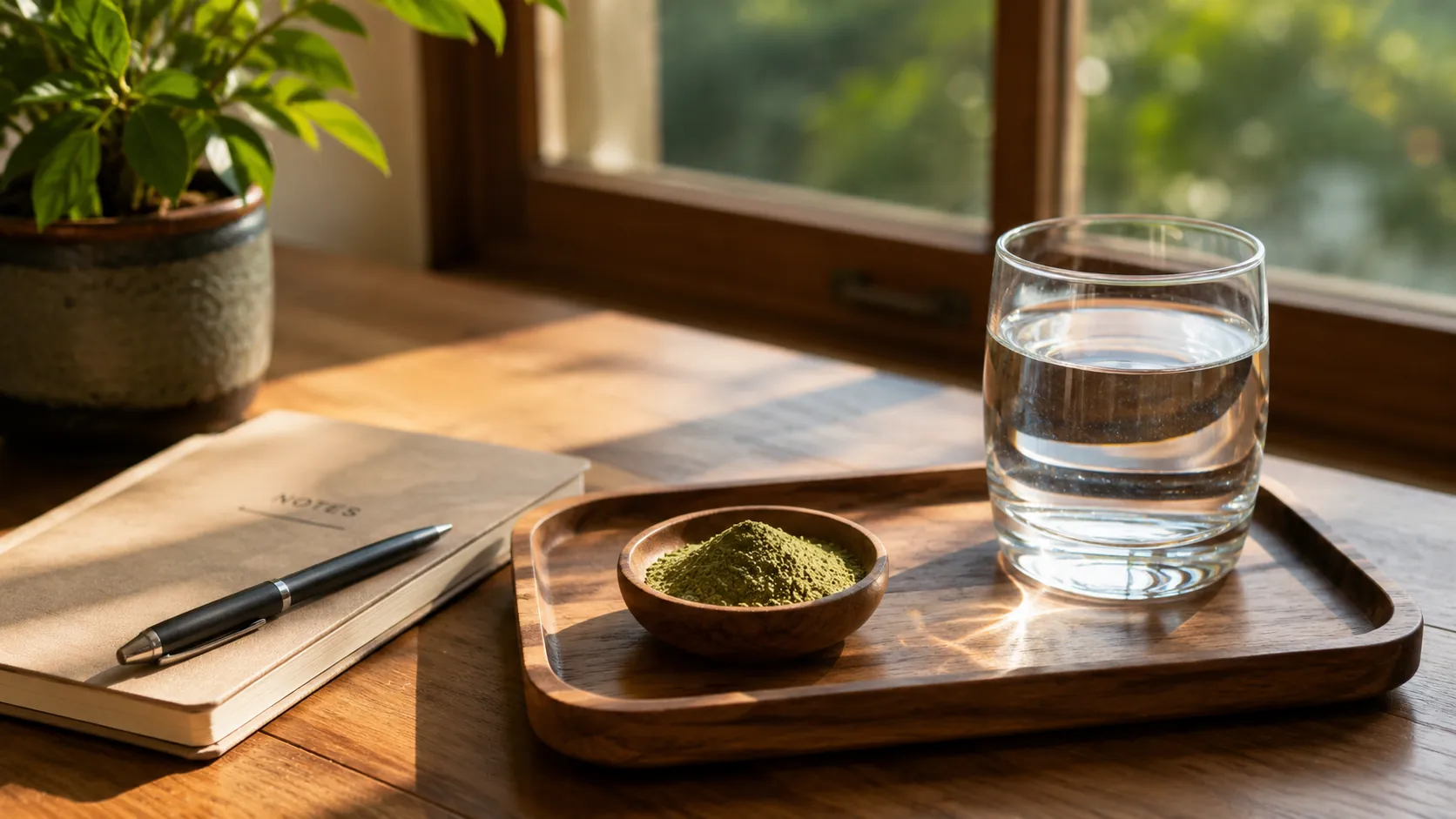
- Track Usage: Keep a journal to note effects and refine dosing for consistent, mindful use.
- Consult Professionals: Seek medical advice if managing health conditions to ensure safe use.
- Practice Moderation: Use both forms thoughtfully to support sustainable exploration.
Integrating into Wellness Routines
- Morning Integration: Blend powder into morning smoothies or tea for a steady, focused start to support activities like yoga or office work.
- Evening Relaxation: Use edibles in the evening for relaxation, pairing with calm activities like reading to unwind naturally.
- Variety in Routine: Rotate forms for variety: try powder on weekdays and edibles on weekends to keep routines engaging.
- Mindful Tracking: Track mood and effects in a journal to identify synergies with walks or meditation, for mindful self-care.

Frequently Asked Questions About Kratom Edibles vs Powder
Q: Can beginners use kratom edibles and powder safely?
A: Yes, both forms are beginner-friendly when used responsibly. Start with low doses, 1-2 grams, to assess tolerance. Edibles offer pre-measured portions for ease, while powder requires careful measuring but allows customization. Always choose lab-tested products and consult professionals if unsure.
Q: How do I choose between kratom edibles and powder for daily use?
A: Consider your lifestyle. Edibles suit busy schedules or discreet settings, offering convenience and pleasant flavours. Powder is ideal for those who enjoy modified doses and don’t mind preparation. Try both to see what fits your routine best.
Q: Are kratom edibles stronger than powder?
A: Strength depends on dosage, not form. Both deliver similar alkaloid content, but edibles may feel milder due to slower absorption. Powder’s faster onset can seem more intense. Check labels or measure carefully to ensure equivalent amounts.
Q: Can I switch between kratom edibles and powder?
A: Absolutely. Switching keeps routines dynamic and lets you adapt to different needs, like quick powder doses for mornings or edibles for evenings. Track doses to maintain consistency and avoid overuse.
Q: How do I store kratom edibles and powder to maintain freshness?
A: Store powder in airtight containers in a cool, dry place to prevent clumping. Keep edibles in their sealed pouches, away from heat or moisture. Both stay fresh longer with proper care, ensuring quality over time.
Conclusion
Exploring kratom edibles vs powder opens up diverse paths for integrating this botanical into your life. Powder offers raw versatility for personalized routines, while edibles provide convenient, flavourful ease for on-the-go moments. Both forms invite mindful engagement, letting you choose what best supports your wellness journey. Always prioritize quality sourcing and responsible use to ensure safety and consistency. Let your preferences guide you as you discover the approach that resonates most.