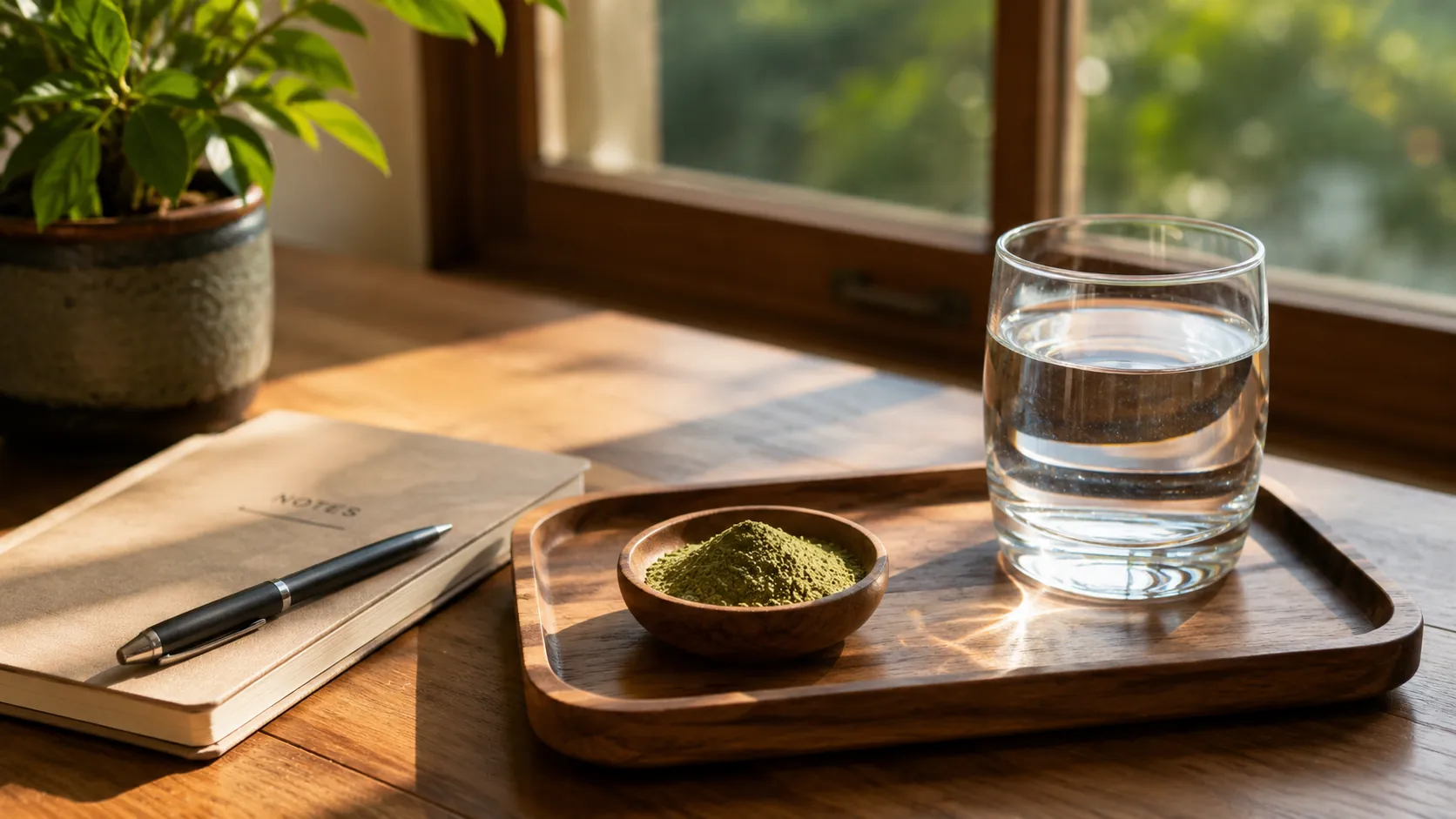
Living with Attention Deficit Hyperactivity Disorder (ADHD) can feel like navigating a storm of distractions, impulsivity, and restless energy. For those seeking natural ways to manage symptoms, kratom and ADHD have emerged as a topic of interest. Kratom has gained attention for its potential to support focus and calm hyperactivity. This blog post explores what ADHD is, how kratom might help, the risks to consider, how it compares to traditional treatments, and other natural options to explore. We’ll also discuss lifestyle strategies, the importance of consulting professionals, and answer common questions to ensure safe, informed choices.
Understanding ADHD: A Complex Neurodevelopmental Condition
ADHD is a neurodevelopmental disorder that affects both children and adults, characterized by challenges with attention, impulse control, and hyperactivity that are inconsistent with a person’s age. According to the Centers for Disease Control and Prevention, about 6 million children in the United States have been diagnosed with ADHD, and many continue to experience symptoms into adulthood. The disorder manifests in three main types: predominantly inattentive, predominantly hyperactive-impulsive, or a combination of both.
People with inattentive ADHD struggle to focus, often losing track of tasks, forgetting details, or becoming easily distracted. Those with hyperactive-impulsive ADHD may fidget, interrupt others, or act without thinking. The combined type blends these challenges, creating a unique set of obstacles. Symptoms can disrupt school, work, relationships, and daily routines, leading to frustration and low self-esteem.
The exact cause of ADHD remains unclear, but research points to a mix of genetic, environmental, and neurological factors. Brain imaging studies show differences in areas responsible for attention and impulse control. Low levels of neurotransmitters like dopamine and norepinephrine, which regulate mood and focus, also play a role. These differences don’t define a person’s potential but can make everyday tasks feel overwhelming.
Diagnosis typically involves a thorough evaluation by a healthcare provider, including interviews, behavior assessments, and sometimes cognitive testing. ADHD isn’t just about being “scatterbrained” or “hyper.” It’s a complex condition that varies widely, requiring personalized strategies to manage symptoms effectively.
How Kratom Might Support ADHD Symptoms
Kratom, derived from the leaves of the Mitragyna speciosa tree, has been used for centuries in Southeast Asia for its stimulating and calming effects. The plant contains alkaloids, primarily mitragynine and 7-hydroxymitragynine, which interact with brain receptors to produce varied outcomes depending on the dose. At low doses, kratom acts as a stimulant, potentially boosting energy and focus. At higher doses, it may promote relaxation and pain relief, resembling opioid-like effects.
For those exploring kratom and ADHD, anecdotal reports suggest it may help with focus, motivation, and emotional regulation. Some users describe feeling more alert and less scattered when taking low doses of certain kratom strains, such as white or green vein varieties. These strains are often praised for enhancing mental clarity without the overstimulation of caffeine. For individuals with ADHD, this could mean better task endurance or reduced mental fog.
The potential lies in kratom’s interaction with dopamine and serotonin receptors. Dopamine, a neurotransmitter linked to motivation and reward, is often lower in people with ADHD. Kratom’s alkaloids may subtly increase dopamine availability, helping users feel more engaged. Similarly, serotonin, which influences mood, could contribute to a calmer state, reducing impulsivity or anxiety that often accompanies ADHD.
However, the evidence is mostly anecdotal. Users on online forums report mixed experiences, with some finding kratom a game-changer for productivity, while others notice little effect on core ADHD symptoms like inattention. The variability likely stems from differences in individual brain chemistry, kratom strains, and dosing. White Maeng Da, for example, is often cited for its energizing properties, while Green Malay may offer a balance between concentration and relaxation. These subjective reports highlight kratom’s potential but also underscore the need for caution and further research.

Key Considerations and Risks of Using Kratom for ADHD
While kratom and ADHD discussions spark curiosity, there are significant risks to consider. Kratom is not regulated in Canada or many other countries, meaning product quality, purity, and potency can vary widely. Contaminated or adulterated kratom products pose health risks, including exposure to harmful substances like heavy metals or bacteria.
Dependency is another concern. Regular use, even at low doses, can lead to tolerance, where higher amounts are needed to achieve the same effects. Withdrawal symptoms, such as irritability, fatigue, or cravings, may occur when stopping use. For individuals with ADHD, who may already struggle with impulse control, the risk of overuse is a serious consideration.
Side effects are also common. At low doses, kratom may cause nausea, dizziness, or headaches. Higher doses can lead to sedation or confusion. Combining kratom with other substances, such as alcohol or prescription medications, increases these risks. For example, mixing kratom with ADHD stimulants like Adderall could strain the cardiovascular system or amplify side effects, as both substances affect dopamine pathways.
The legal status of kratom adds complexity. In Canada, kratom is legal but sold as a natural product, not a medical treatment. Health Canada advises against its use due to safety concerns, and consumers must research reputable vendors to avoid low-quality products. Consulting a healthcare provider is critical, especially for those with ADHD who may already take medications or have co-occurring conditions like anxiety or depression.
Individual differences also matter. ADHD symptoms vary, and what works for one person may not suit another. Factors like body weight, metabolism, and sensitivity to stimulants influence how kratom affects someone. Starting with a low dose (1-2 grams) and monitoring effects is a prudent approach for those considering it.
Comparing Kratom to Traditional ADHD Treatments
Traditional ADHD treatments focus on a combination of medication, therapy, and lifestyle changes. The goal is to improve focus, reduce impulsivity, and enhance overall functioning without relying on unproven alternatives like kratom. Here’s a look at how these approaches work, presented impartially to provide clarity.
Medications: Stimulant medications, such as methylphenidate (Ritalin) and amphetamines (Adderall), are the cornerstone of ADHD treatment. They work by increasing dopamine and norepinephrine levels, improving attention and impulse control. Non-stimulant options, like atomoxetine (Strattera), target norepinephrine and are used when stimulants aren’t suitable. Medications are prescribed after a thorough medical evaluation, with dosages tailored to the individual. Side effects, such as insomnia, appetite loss, or increased heart rate, are monitored closely. About 70-80% of people with ADHD respond positively to stimulants, though finding the right medication and dose can take time.
Behavioral Therapy: Cognitive-behavioral therapy (CBT) helps individuals develop coping strategies, such as time management or emotional regulation. For children, behavioral interventions may involve parent training or school-based support to reinforce positive habits. Therapy doesn’t directly address brain chemistry but equips individuals with tools to navigate ADHD challenges.
Lifestyle Adjustments: Structured routines, exercise, and sleep hygiene are often recommended. Regular physical activity boosts dopamine naturally, while consistent schedules reduce distractions. Dietary changes, like limiting sugar or processed foods, may help some individuals, though evidence is mixed.
Support Systems: School accommodations, such as extended test time, or workplace adjustments, like flexible hours, support success. Support groups or coaching provide encouragement and accountability.
Traditional treatments are backed by decades of research and clinical oversight. Medications are regulated, ensuring consistent dosing and safety standards. Therapy and lifestyle changes address the broader impact of ADHD on daily life. However, these approaches aren’t perfect. Some people experience side effects from medications or find therapy time-intensive. Access to care, especially in rural areas, can also be a barrier. These challenges lead some to explore alternatives like kratom, though it lacks the rigorous testing and oversight of conventional options.
Exploring Other Natural Options for ADHD
Beyond kratom and ADHD, other natural approaches may support symptom management. These aren’t cures but can complement lifestyle changes or professional treatment. Based on anecdotal reports and preliminary research, here are three options worth considering.
Mindfulness and Meditation: Mindfulness practices, such as meditation or deep breathing, help calm the mind and improve focus. Studies suggest mindfulness-based interventions can reduce inattention and impulsivity in ADHD by training the brain to stay present. Apps like Headspace or simple practices like five-minute daily breathing exercises can be accessible starting points. Regular practice may enhance emotional regulation, helping individuals pause before reacting impulsively.
Exercise and Movement: Physical activity is a natural dopamine booster, which is critical for ADHD brains. Activities like running, yoga, or martial arts improve focus, reduce hyperactivity, and enhance mood. Anecdotal reports from ADHD communities highlight how exercise, even 20 minutes daily, can make tasks feel less daunting. Team sports or structured classes also provide routine and social connection, which support mental health.
Dietary Adjustments: While no diet cures ADHD, certain changes may help. Omega-3 fatty acids, found in fish, walnuts, or supplements, are linked to improved cognitive function in some studies. Reducing artificial dyes or high-sugar foods may stabilize energy levels for some individuals. A balanced diet with protein, whole grains, and vegetables supports overall brain health. Keeping a food diary can help identify triggers, like caffeine, that worsen symptoms.
These natural options are low-risk and widely accessible. They don’t replace professional care but can enhance well-being when paired with other strategies. Consulting a healthcare provider ensures these approaches align with individual needs.

Lifestyle Strategies to Complement ADHD Management
Managing ADHD goes beyond supplements or medications; it involves creating an environment that supports focus and calm. Lifestyle strategies can amplify the effectiveness of any approach, including kratom or traditional treatments. Here are practical ways to build a supportive framework.
Structured Routines: ADHD thrives on predictability. Creating daily schedules with set times for work, meals, and rest reduces decision fatigue. Tools like planners or apps help prioritize tasks. Breaking projects into small, manageable steps prevents overwhelm and boosts completion rates.
Sleep Hygiene: Poor sleep exacerbates ADHD symptoms. Establishing a consistent bedtime routine, limiting screen time before bed, and creating a calm sleep environment improve rest quality. Adults with ADHD often report better focus after prioritizing 7-9 hours of sleep nightly.
Supportive Communities: Connecting with others who understand ADHD can reduce isolation. Online forums, local support groups, or coaching provide practical tips and emotional support. Sharing experiences, like how someone manages distractions, can spark new ideas.
These strategies empower individuals to take control of their ADHD. They don’t require specialized products and can be tailored to fit any lifestyle, making them sustainable over time.
The Importance of Professional Guidance
Before exploring kratom and ADHD or any natural remedy, consulting a healthcare professional is essential. ADHD is a complex condition, and self-medicating carries risks, especially with substances like kratom that lack standardized dosing. A doctor or therapist can assess symptoms, review medical history, and recommend safe options. They can also monitor for interactions with existing medications or conditions, such as anxiety or heart issues.
Pharmacists or naturopaths may offer insights into herbal remedies, but they should complement, not replace, medical advice. Keeping an open dialogue with professionals ensures informed decisions and minimizes risks.
FAQ
Q: Can kratom replace prescription medications for ADHD?
A: Kratom is not a replacement for prescription ADHD medications. Stimulants like methylphenidate or non-stimulants like atomoxetine are backed by extensive research and clinical oversight, while kratom’s effects are largely anecdotal. Some individuals report kratom helps with focus or calm. Always consult a doctor before making changes to ADHD treatment plans.
Q: Which kratom strains are best for ADHD symptoms?
A: Anecdotal reports suggest white vein strains, like White Maeng Da, may enhance focus and energy, while green vein strains, like Green Malay, offer a balance of alertness and calm. However, effects vary by individual, and there’s no standardized “best” strain for ADHD. Starting with a low dose (1-2 grams) and monitoring effects is crucial, as is sourcing from reputable vendors.
Q: Is kratom safe to use daily for ADHD?
A: Daily kratom use increases the risk of tolerance, dependency, and withdrawal symptoms, such as irritability or fatigue. For ADHD management, long-term daily use is not recommended without medical supervision due to potential health risks and lack of regulation. Safer alternatives, like mindfulness or exercise, can be used daily with fewer concerns.
Q: How does kratom compare to caffeine for ADHD focus?
A: Both kratom and caffeine can boost alertness in low doses, but they work differently. Kratom’s alkaloids may influence dopamine and serotonin, potentially aiding focus and mood, while caffeine primarily stimulates the central nervous system, which can cause jitteriness in some ADHD individuals.
Q: Can lifestyle changes alone manage ADHD effectively?
A: Lifestyle changes, like structured routines, exercise, and sleep hygiene, can significantly improve ADHD symptoms by supporting focus and reducing impulsivity. However, for many, these alone may not fully address symptoms, especially in moderate to severe cases. Combining lifestyle strategies with therapy or medication, under professional guidance, often yields the best results.
Q: Are there legal concerns with using kratom in Canada for ADHD?
A: In Canada, kratom is legal but sold as a natural product, not a medical treatment. Health Canada advises against its use due to safety concerns, such as contamination or dependency risks. Users must ensure they purchase from reputable sources and be aware that kratom’s unregulated status means quality can vary.

Conclusion: A Balanced Approach to ADHD Management
Kratom and ADHD have sparked curiosity as people seek natural ways to manage symptoms. While kratom shows promise for some, its risks require careful consideration. Traditional treatments, like medications and therapy, offer evidence-based solutions but aren’t without challenges. Natural options, such as mindfulness, exercise, and dietary tweaks, provide low-risk ways to support focus and calm. Lifestyle strategies, professional guidance, and informed answers to common questions round out a holistic approach.
Living with ADHD is a journey of finding what works for you. Whether exploring kratom, embracing exercise, or combining therapies, the goal is to create a life where challenges feel manageable. Always prioritize safety, consult experts, and listen to your body as you navigate this path.