The world of plant-based remedies and natural products is vast and diverse, with industrial hemp and kratom standing out as two compelling options. Both plants have garnered attention for their unique properties and cultural significance, yet they differ profoundly in their origins, applications, and effects. Understanding the distinctions between industrial hemp and kratom can empower individuals to make informed choices about their use. This botanical comparison examines into the history, biology, uses, and cultural roles of these plants, offering a clear and engaging exploration for anyone curious about their place in the natural world.
What Is Industrial Hemp?
Industrial hemp refers to varieties of the Cannabis sativa plant cultivated specifically for non-psychoactive purposes. Unlike its cousin, marijuana, industrial hemp contains negligible levels of THC (tetrahydrocannabinol), the compound responsible for the “high” associated with cannabis. By legal definition in many countries, including Canada, industrial hemp must contain 0.3% or less THC, making it a versatile crop for industrial and commercial applications.
Origins and History of Industrial Hemp
Hemp has a rich history spanning thousands of years. Archeological evidence suggests its cultivation began in ancient China around 2800 BCE, where it was used for textiles, paper, and food. Its durability made it a staple for ropes and sails during the Age of Exploration, earning it a reputation as a cornerstone of early industry. In North America, hemp was grown by early settlers for its fibers, and even figures like George Washington cultivated it on their farms.
The 20th century saw hemp’s decline due to its association with marijuana and subsequent regulatory restrictions. However, recent decades have witnessed a resurgence, driven by growing interest in sustainable materials and natural wellness products. In Canada, the 1998 Industrial Hemp Regulations legalized its cultivation, sparking renewed interest in its potential.
Botanical Characteristics of Industrial Hemp
Industrial hemp is a tall, fast-growing plant with slender leaves and fibrous stalks. It thrives in diverse climates, requiring minimal pesticides due to its natural resilience. The plant’s seeds, fibers, and flowers each serve distinct purposes. Hemp seeds are nutrient-dense, rich in protein, omega fatty acids, and vitamins. The stalks yield strong fibers for textiles and construction materials, while the flowers produce cannabinoids like CBD (cannabidiol), a non-psychoactive compound celebrated for its potential therapeutic benefits.
Uses of Industrial Hemp
The versatility of industrial hemp is remarkable. Its fibers are used in clothing, paper, and biodegradable plastics, offering eco-friendly alternatives to synthetic materials. Hemp seeds and oil appear in foods, cosmetics, and supplements, prized for their nutritional value. CBD, extracted from hemp flowers, has become a cornerstone of the wellness industry, used in products ranging from oils to creams for its purported calming and anti-inflammatory effects.
Hemp’s environmental benefits are equally compelling. It sequesters carbon, improves soil health, and requires less water than crops like cotton. These qualities position industrial hemp as a sustainable choice for industries seeking greener solutions.
What Is Kratom?
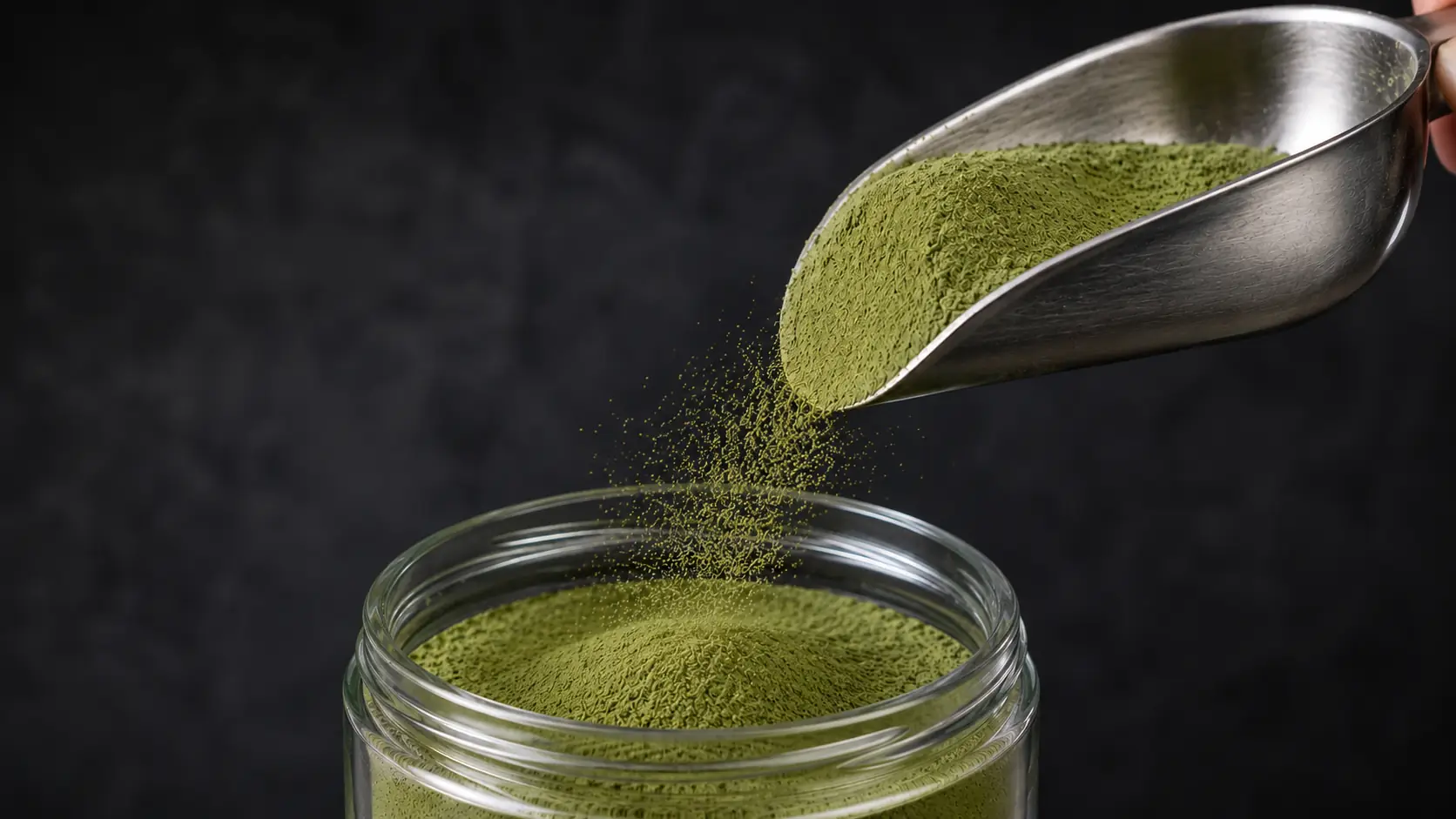
Kratom, scientifically known as Mitragyna speciosa, is a tropical evergreen tree native to Southeast Asia, particularly Thailand, Malaysia, and Indonesia. Belonging to the coffee family (Rubiaceae), kratom has been used for centuries in traditional practices for its stimulating and sedative properties. Its leaves contain alkaloids, primarily mitragynine and 7-hydroxymitragynine, which interact with the body’s opioid receptors, producing effects that vary by dosage.
Origins and History of Kratom
Kratom’s history is deeply rooted in Southeast Asian culture. Indigenous communities chewed its leaves or brewed them into teas to boost energy, alleviate discomfort, or promote relaxation. In rural areas, workers used kratom to combat fatigue during long workdays, while traditional healers incorporated it into remedies for various ailments. Despite its long-standing use, kratom remained relatively unknown outside Southeast Asia until the early 2000s, when global interest in natural remedies brought it to Western markets.
In Canada, kratom occupies a gray legal area. While not approved for human consumption by Health Canada, it is often sold as a botanical product, with users exploring its effects for personal wellness. This ambiguous status has sparked ongoing debates about its safety and regulation.
Botanical Characteristics of Kratom
Kratom trees can grow up to 80 feet tall in their native rainforest habitats, with glossy, dark green leaves that are harvested for their active compounds. The alkaloid content of kratom varies depending on factors like soil, climate, and leaf maturity, leading to different “strains” with distinct effects. For example, red vein kratom is often associated with relaxation, while green and white vein varieties are linked to energy and focus.
Uses of Kratom
Kratom’s effects are dose-dependent, making it a unique botanical. At low doses, it acts as a stimulant, enhancing alertness and sociability. At higher doses, it may produce sedative effects, promoting calmness or euphoria. Users often consume kratom as a powder, capsule, or tea, with some incorporating it into smoothies or other preparations.
In traditional settings, kratom served as a natural energizer or pain reliever. In modern contexts, individuals explore it for similar purposes, though its use remains controversial due to limited research and regulatory oversight. Kratom’s cultural significance persists in Southeast Asia, where it remains a staple in community rituals and daily life.
Industrial Hemp vs. Kratom: Key Differences
While industrial hemp and kratom are both celebrated for their botanical versatility, they differ significantly in their biology, effects, and applications. Comparing these plants highlights their unique roles in human culture and industry.
Botanical and Chemical Composition
Industrial hemp and kratom belong to entirely different plant families. Hemp, part of the Cannabaceae family, shares lineage with hops and hackberries. Its primary compounds, cannabinoids like CBD, interact with the body’s endocannabinoid system, influencing mood, sleep, and inflammation without psychoactive effects. Kratom, a member of the Rubiaceae family, contains alkaloids that bind to opioid receptors, producing effects ranging from stimulation to sedation.
Hemp’s low THC content ensures it does not alter consciousness, making it suitable for widespread industrial use. Kratom’s alkaloids, however, can produce noticeable psychoactive effects, which vary by strain and dosage, contributing to its controversial status in some regions.
Cultivation and Environmental Impact
Hemp is a hardy, adaptable crop that grows in diverse climates, from temperate Canada to arid regions. Its cultivation supports sustainable agriculture by improving soil health and reducing the need for chemical inputs. Kratom, by contrast, thrives in the humid, tropical conditions of Southeast Asia. Its cultivation is more labour-intensive, often involving small-scale farming in rainforest environments. While kratom farming supports local economies, it raises concerns about deforestation and sustainability in some areas.
Cultural and Historical Significance
Hemp’s history is tied to industry and innovation, from ancient textiles to modern eco-friendly products. Its resurgence reflects a global push for sustainability and natural wellness. Kratom’s story is more intimate, rooted in the traditions of Southeast Asian communities. Its growing popularity in the West highlights a fascination with ethnobotanical remedies, though it faces scrutiny over safety and regulation.
Applications and Uses
Industrial hemp’s applications span industries, from construction to cosmetics. Its non-psychoactive nature makes it a safe, accessible choice for products like clothing, food, and CBD supplements. Kratom’s uses are more personal, centered on its potential to influence energy, mood, or discomfort. However, its effects are less predictable, and its legal status varies, limiting its mainstream adoption compared to hemp.

Practical Considerations for Consumers
When exploring industrial hemp and kratom, consumers face different considerations based on their goals and preferences. Hemp products, particularly CBD, are widely available in Canada, often sold in health stores, online, or even mainstream retailers. Their legal status and standardized production make them a reliable choice for those seeking natural wellness options without psychoactive effects.
Kratom, however, requires more caution. Its variable effects and lack of regulation mean quality can differ significantly between vendors provding the best kratom in Canada. Consumers must research sourcing, strain types, and dosage to ensure safe use. Consulting with knowledgeable suppliers or communities can provide valuable insights for those new to kratom.
Frequently Asked Questions About Industrial Hemp vs. Kratom
Q: What is the main difference between industrial hemp and kratom?
A: Industrial hemp, from the Cannabis sativa plant, is non-psychoactive and used for fibers, seeds, and CBD products. Kratom, from Mitragyna speciosa, contains alkaloids that produce stimulating or sedative effects, depending on the dose, and is primarily used for personal wellness.
Q: Are industrial hemp and kratom legal in Canada?
A: Industrial hemp is legal in Canada under strict regulations, with products like CBD widely available. Kratom’s status is less clear; it’s not approved for human consumption by Health Canada but is sold as a botanical, creating a gray area.
Q: Can industrial hemp and kratom be used for the same purposes?
A: While both are explored for wellness, their uses differ. Hemp’s CBD is used for relaxation and inflammation without psychoactive effects. Kratom’s effects vary from stimulation to sedation, often used for energy or discomfort relief, but its use is less regulated.
Q: How do the environmental impacts of industrial hemp and kratom compare?
A: Industrial hemp is sustainable, improving soil and requiring minimal water or pesticides. Kratom cultivation in Southeast Asia can strain rainforest ecosystems, though it supports local economies. Hemp generally has a lighter environmental footprint.
Q: Which plant is more versatile in its applications?
A: Industrial hemp is more versatile, used in textiles, food, cosmetics, and construction. Kratom’s applications are narrower, focusing on personal use as a powder, capsule, or tea, with effects tied to its alkaloid content.

Bridging Tradition and Modernity
Industrial hemp and kratom embody the intersection of tradition and modernity. Hemp’s journey from ancient crop to eco-friendly powerhouse showcases humanity’s ability to adapt natural resources for contemporary needs. Kratom’s story, steeped in cultural rituals, highlights the enduring appeal of plant-based remedies in a fast-paced world. Together, they remind us of the diverse ways plants shape our lives, from sustainable innovation to personal wellness.
By understanding the nuances of industrial hemp and kratom, individuals can appreciate their unique contributions to human culture and industry. Whether drawn to hemp’s versatility or kratom’s traditional roots, exploring these plants opens a window into the rich world of botanical diversity.