The dry season vs wet season kratom harvest creates some of the most noticeable natural variations in kratom powder, especially when it comes to texture. In the tropical regions of Southeast Asia where kratom grows abundantly, the climate follows distinct seasonal patterns of rainfall, humidity, and sunlight. These conditions influence everything from leaf development to post-harvest drying and the final feel of the ground powder.
Many kratom enthusiasts observe differences in how smooth or coarse a batch feels, how easily it mixes, or whether it clumps slightly. These variations often trace back to when the leaves were harvested and processed in relation to the dry season and wet season. This blog will explore these seasonal effects in detail, helping readers gain a clearer picture of why powder texture can change from one batch to another.
The Tropical Climate Cycle: Dry Season and Wet Season Basics
Southeast Asian countries like Indonesia, Malaysia, and Thailand experience two primary seasons due to monsoon influences: a dry season (typically April to October in many areas) and a wet season (often November to March or April, depending on the region). The dry season features lower rainfall, reduced humidity, and abundant sunshine, while the wet season brings heavy monsoon rains, higher moisture in the air, and more cloud cover.
Kratom trees thrive in this humid, equatorial environment year-round, but the seasonal shifts affect how the plants grow and how leaves respond to environmental stress. During drier months, trees may concentrate resources in the leaves, leading to changes in moisture content and structure. In contrast, abundant rainfall during the wet months supports faster, more vigorous leaf growth but introduces higher water levels in the foliage. These fundamental differences set the stage for variations in harvest timing and processing, ultimately influencing the texture of the resulting powder.
Preferred Harvest Timing: Why the End of the Dry Season Often Stands Out
Many experienced kratom producers aim to harvest toward the end of the dry season whenever possible. At this point, leaves have matured under prolonged sunlight with limited water, often resulting in more concentrated leaf material. The reduced moisture at harvest makes immediate handling easier and supports efficient drying.
This timing aligns with observations that leaves from late-dry periods tend to yield powder with superior uniformity. The naturally lower starting moisture helps achieve a consistent grind, minimizing variations in particle size that can occur when material starts wetter. In regions like parts of Borneo and Sumatra, where dry periods are distinct, this window allows for optimal conditions that many consider ideal for producing powder with a refined feel.
How Leaf Moisture Differs Between Seasons at Harvest Time
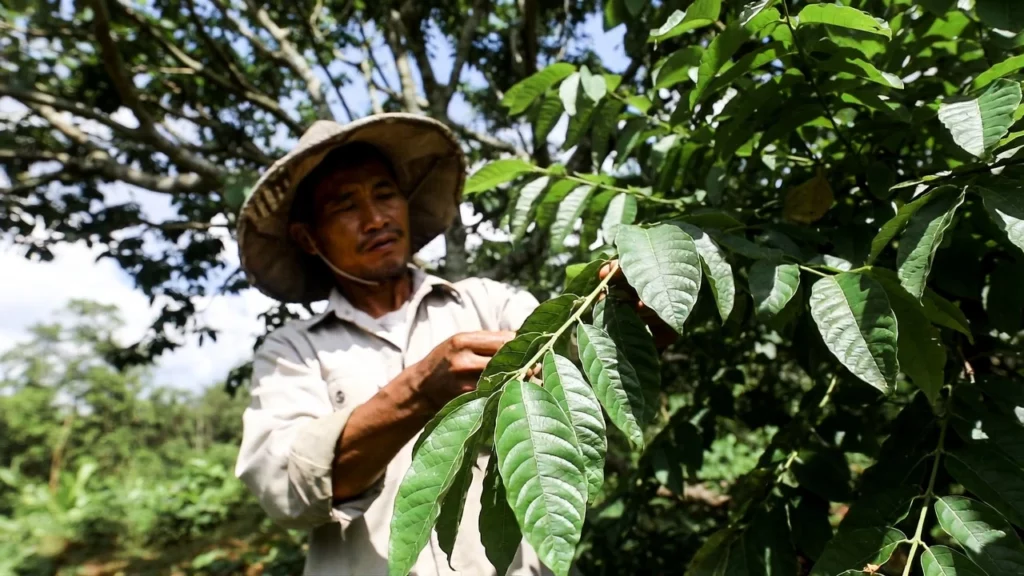
One of the primary ways the dry season vs wet season kratom harvest affects texture starts with the leaves themselves. Leaves picked during or toward the end of the dry season generally contain less internal moisture. With limited rainfall, the tree experiences mild water stress, which can lead to denser, more mature leaves. Farmers often prefer this period because the leaves have had time to develop fully under consistent sunlight.
In the wet season, heavy rains saturate the soil and air, causing kratom leaves to absorb more water. This results in larger, thicker leaves with higher moisture content. While this promotes rapid growth and abundant yields, the extra water makes the leaves heavier and more hydrated right from the start. This initial moisture difference plays a crucial role later in processing. Drier leaves from the dry season are easier to handle immediately after picking, while wet-season leaves require more careful management to prevent issues during drying.
The Critical Drying Phase: Seasonal Challenges and Advantages
After harvesting, kratom leaves must be dried thoroughly to preserve quality, prevent mold, and prepare them for grinding. This step is where seasonal weather patterns have the most direct impact on final powder texture.
Dry Season Drying Advantages
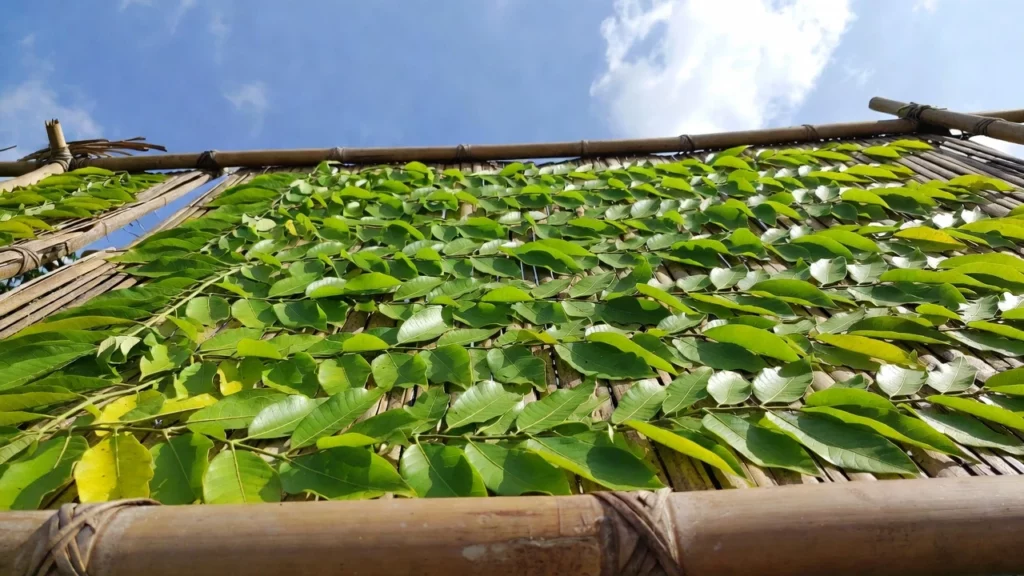
In the dry season, low humidity and strong sunlight create ideal conditions for outdoor drying. Leaves can be spread out under direct sun and dry evenly and relatively quickly. The low ambient moisture helps the leaves become crisp and brittle without residual damp spots. This uniform drying preserves the leaf’s natural structure, making it more prone to breaking into fine, consistent particles when ground.
The abundant sunlight and low humidity also allow for straightforward traditional sun-drying, which many farmers prefer for its simplicity and effectiveness in producing high-quality, smooth-textured powder.
Wet Season Drying Challenges
During the wet season, high humidity and frequent rain complicate drying. Moisture in the air slows evaporation, extending the time needed for leaves to reach the proper dryness level. Farmers may need to use covered drying areas, indoor facilities, or mechanical dryers to protect batches from sudden showers. Even with these precautions, some leaves may dry unevenly if humidity fluctuates, leading to sections that remain slightly more pliable or fibrous.
The result is that dry season dried leaves often produce a smoother, finer powder because they start from a more desiccated state. Wet-season leaves, with their higher starting moisture, can sometimes retain subtle structural differences that translate to a slightly coarser or denser texture after grinding.
Grinding and Milling: Turning Dried Leaves into Powder
Once dried, leaves move to the grinding stage, where they are milled into the fine powder familiar to users. Here again, seasonal factors influence the outcome.
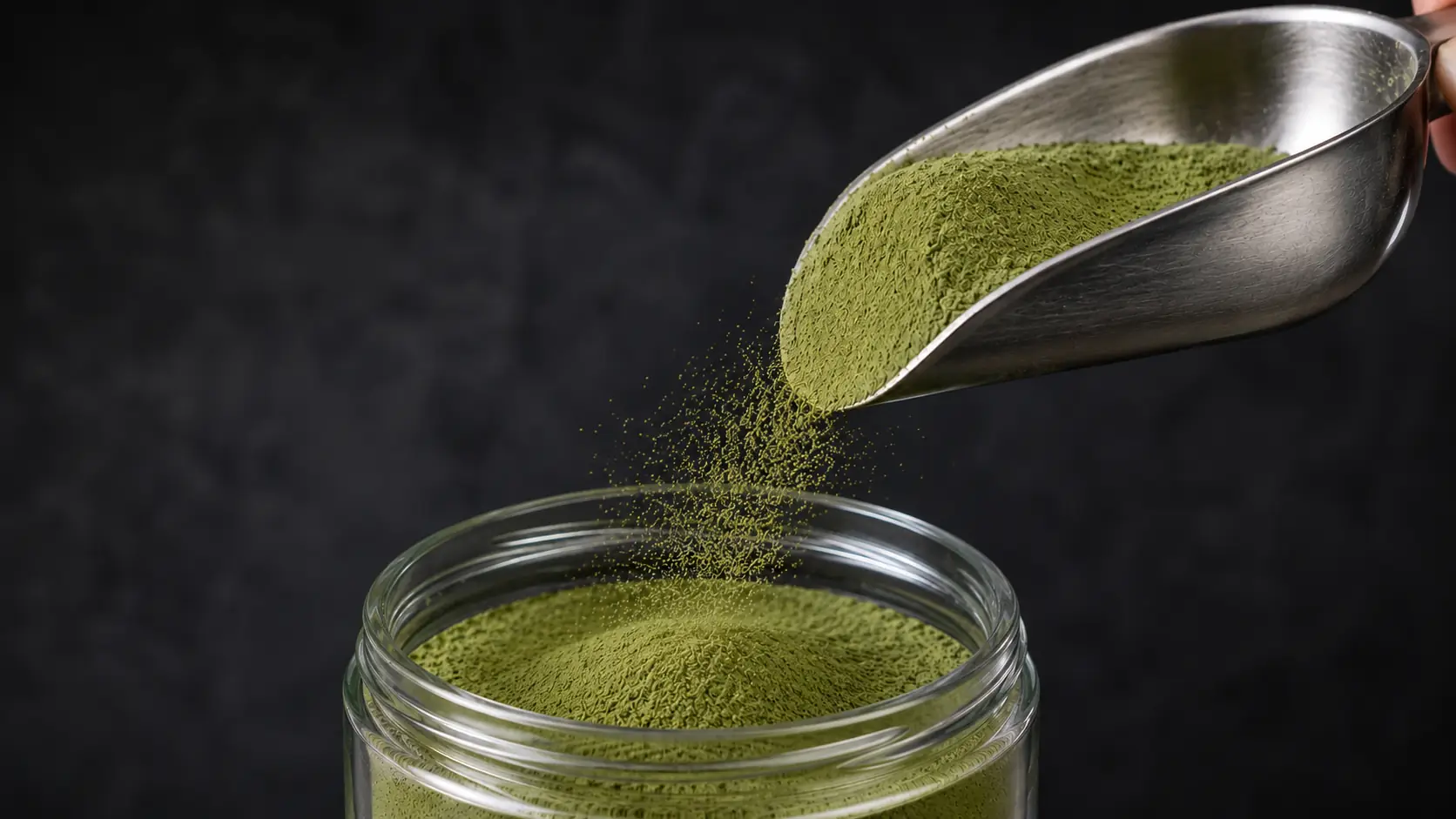
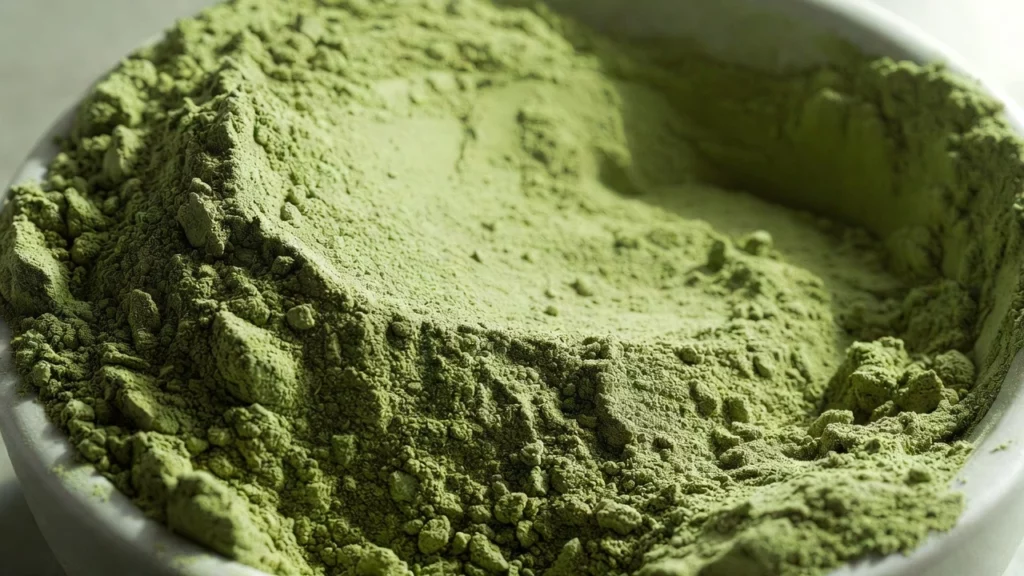
Leaves from the dry season harvest, being thoroughly dry and brittle, grind more uniformly. The crisp material fractures cleanly into small, consistent particles, resulting in a silky, flour-like texture that feels light and flows easily. This fineness makes the powder less likely to clump when mixed with liquids and gives it a refined mouthfeel.
Leaves harvested in the wet season may dry into a denser form due to the challenges of humid conditions. Even after careful processing, the material can be slightly less brittle, causing it to break into particles with more variation in size. This can lead to a powder that feels subtly grittier or has occasional larger fragments, though experienced processors work to minimize these differences through extended milling.
Texture Variations: What Users Notice in the Final Product
Experienced kratom users often describe dry season powder as exceptionally smooth and airy, sometimes comparing it to confectioner’s sugar or talcum in consistency. It tends to disperse well in water or other beverages without much residue or clumping. In contrast, powder from wet season harvests might feel a bit more substantial or textured. Some batches have a gentle grittiness or denser feel, reflecting the leaf’s higher moisture journey through drying. These differences are natural and part of the plant’s response to its environment.
Both types remain high-quality when properly processed, but the dry season vs wet season kratom harvest creates this spectrum of textures that adds variety to the experience.
Regional and Environmental Factors That Add Nuance
Not all regions experience the seasons identically. In parts of Borneo or Sumatra, the dry season may be more pronounced, leading to very favourable drying conditions. Coastal areas with stronger monsoons might see more variability during wet months. Soil composition, altitude, and local microclimates also interact with seasonal weather to influence leaf development and processing outcomes.
Farmers adapt their methods to these local patterns, sometimes shifting harvest times slightly or adjusting drying techniques to achieve consistent results year-round. This knowledge helps maintain quality despite natural fluctuations.
Traditional Farmer Adaptations to Seasonal Challenges
To counter wet-season difficulties, many traditional producers in Southeast Asia have developed practical strategies over generations. These include:
- Building elevated drying platforms to improve airflow and reduce ground moisture contact
- Using tarps or covered sheds during heavy rains to shield leaves from direct downpours
- Monitoring batches closely for even moisture loss and adjusting placement as needed
In drier months, sun-drying remains the go-to method for its efficiency, but farmers still:
- Rotate leaves regularly to ensure uniform exposure to sunlight
- Avoid overcrowding on drying surfaces to prevent uneven drying
These adaptations help bridge the gap between seasons, reducing extreme texture differences and ensuring reliable powder year-round.
Why These Seasonal Differences Matter to Enthusiasts
Recognizing the role of seasons helps users appreciate the craftsmanship behind each batch. The dry season often delivers a refined, easy-to-use texture ideal for those who prioritize smoothness. Wet-season powder, with its distinctive feel, reminds people of the plant’s living connection to tropical rains and growth cycles. These variations highlight kratom as a truly natural product, shaped by weather patterns rather than artificial uniformity. Many in the community value this authenticity, viewing subtle texture shifts as a sign of genuine, small-batch production.
Processing Adaptations and Best Practices Across Seasons
Experienced producers employ specific strategies depending on the season. During drier months, traditional sun-drying prevails for its simplicity and effectiveness. In wetter periods, they might combine indoor drying with controlled ventilation or use fans to accelerate moisture removal without overheating the leaves. Grinding equipment is calibrated accordingly, with extra passes sometimes needed for wet-season material to achieve desired fineness. Storage also plays a part, as drier starting powder from the dry season tends to hold its texture longer in varying conditions.
Frequently Asked Questions (FAQ)
Q: Does every batch from the dry season have perfectly smooth powder?
A: Not necessarily. While dry season harvests generally produce smoother, finer powder due to lower moisture and better drying conditions, factors like exact harvest timing, leaf maturity, and processing care can still create slight variations even within the same season.
Q: Can wet season kratom powder ever be as fine as dry season powder?
A: Yes, with careful processing such as extended drying, controlled indoor methods, and thorough milling, experienced producers can achieve very fine, smooth powder from wet season harvests. However, it often requires more effort and attention compared to the naturally favourable conditions of the dry season.
Q: Why do some people prefer dry season powder texture over wet season?
A: Many users enjoy the silky, airy, and clump-resistant feel of dry season powder, which tends to mix easily and provide a consistent experience. That said, others appreciate the slightly more substantial or natural texture that can appear in wet season batches as a reminder of the plant’s connection to its tropical environment.
Q: Do seasonal texture differences affect anything other than how the powder feels?
A: Texture primarily influences the user experience (mixing, mouthfeel, flow), but the underlying moisture levels and drying process also play a role in overall batch consistency and shelf stability. Properly processed powder from either season maintains excellent quality.
Q: How do producers decide when to harvest if the seasons overlap or are unpredictable?
A: Experienced farmers monitor local weather patterns closely and often aim for the tail end of the dry season when conditions are most stable. In regions with less clear-cut seasons, they may adjust based on recent rainfall, leaf appearance, and traditional knowledge to optimize results.
Embracing Natural Variation in Kratom Powder
The dry season vs wet season kratom harvest ultimately produces a range of textures that reflect the dynamic tropical environment. From the silky fineness often associated with dry-period batches to the more textured consistency that can emerge from wet-season processing, these differences enrich the overall landscape of kratom products. Understanding these seasonal influences fosters greater appreciation for the care involved in bringing leaves from tree to powder. It also encourages users to explore different batches, discovering how nature’s rhythms contribute to the unique characteristics of each one.
Whether a powder feels exceptionally smooth or carries a subtle natural texture, these qualities stem from the interplay of weather, timing, and traditional processing methods. This natural diversity is one of the aspects that makes kratom such an intriguing plant-based product.