
In our fast-paced modern world, many individuals find themselves increasingly disconnected from the natural environment that surrounds them. Urban living, digital screens, and packed schedules often keep people indoors, limiting direct interactions with forests, fields, meadows, and other outdoor spaces.
Yet there exists a meaningful pathway back to this vital relationship through plant medicines and nature. By exploring plant medicines and nature, people can rediscover the intricate links that bind human experience to the ecosystems around them. This connection draws from long-standing human practices where communities turned to plants growing in their local surroundings for various purposes, frequently carrying out related activities within those very landscapes.
Historical and Cultural Foundations of Plant Medicines and Nature
Human societies have long drawn upon plants found in their immediate surroundings. In North America, Indigenous groups developed traditions involving local plants for ceremonial and practical purposes. These activities frequently took place on the land itself, whether in forested areas, open plains, or along waterways. Participants observed the rhythms of the seasons while gathering materials, which reinforced an intimate familiarity with local ecology. Such practices highlighted the interdependence between communities and their environments, as knowledge passed down through generations emphasized sustainable interaction with the plants and the habitats that supported them.
Indigenous Traditions in North America
Many Indigenous groups across North America developed deep relationships with plants native to their regions. These traditions often centered on plants used for ceremonial and practical purposes, with activities taking place directly on the land in forests, plains, and along waterways. Participants paid close attention to seasonal rhythms while gathering materials. This direct involvement helped build detailed knowledge of local ecology and reinforced the idea that communities and their environments depended on each other. Knowledge passed through generations stressed careful, ongoing interaction with both the plants and the broader habitats.
Rainforest Traditions in South America
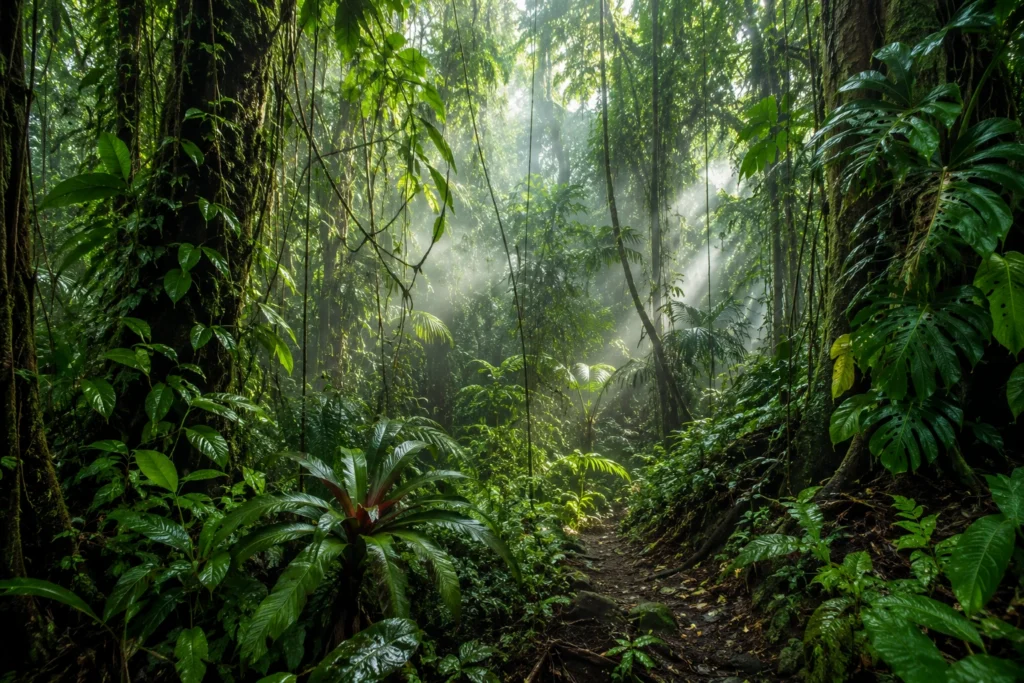
In the dense rainforests of the Amazon basin, plant medicines played central roles in community life for many generations. Gatherings and preparations occurred within the forest setting where the plants originated. This physical context allowed people to observe the wider web of life, including relationships among trees, vines, insects, and wildlife. Being present in these environments helped develop an understanding that individual plants formed part of a larger living system rather than standing alone as resources.
Herbal Traditions in European Landscapes
European herbal traditions offer further examples of this connection. Earlier communities relied on plants collected from woodlands, hedgerows, and meadows. Foraging trips took individuals into natural areas to locate roots, leaves, and flowers at appropriate times of year. These outings required attention to weather, soil conditions, and surrounding vegetation. Each journey became an opportunity to learn about local biodiversity. Similar patterns of land-based engagement appear in other parts of the world, where movement through savannas or other landscapes linked participants to seasonal changes and natural cycles.
These historical examples demonstrate how engagement with plant medicines and nature naturally led to prolonged periods outdoors. Knowledge was not acquired through abstract study alone but through repeated immersion in the environments where plants thrived. This approach cultivated patience, careful observation, and an awareness of ecological balance that extended beyond individual plants to entire habitats.
Sensory Awareness and Observational Skills Developed Through Plant Medicines and Nature
Spending time in natural settings while learning about medicinal plants sharpens the senses in distinctive ways. The act of searching for specific species encourages close examination of leaf shapes, bark textures, flower structures, and growth habits. Walks through forests or fields become opportunities to notice subtle differences between similar-looking plants, changes in colour across seasons, and the presence of associated insects or birds. This focused attention transforms ordinary outdoor time into a richer, more detailed experience.
Scents play a significant role as well. Many plants release distinctive aromas when leaves are crushed or flowers bloom, providing immediate sensory information during outdoor exploration. Sounds of wind moving through different types of vegetation, the movement of small animals, and the flow of nearby water become more noticeable when one is attuned to the surroundings in search of useful species. Touch offers another layer, as feeling the roughness of stems or the smoothness of certain leaves adds tactile knowledge that cannot be gained from books or screens.
These sensory developments arise directly from the practical demands of engaging with plant medicines and nature. Unlike passive recreation, activities tied to plant identification require active participation and repeated visits to the same areas at different times. Over weeks and months, individuals begin to recognize patterns: which plants appear after rain, how light affects growth in different spots, and how animal activity influences plant distribution.
The outdoors thus becomes a classroom where learning happens through direct experience rather than secondhand information. This process often extends beyond the specific plants of interest, leading people to notice broader features of the landscape, from soil types to canopy layers. As a result, time spent outside feels more purposeful and engaging, increasing the likelihood of regular outdoor excursions.
Foraging and Field Exploration as Pathways to Outdoor Connection
Foraging for plants with traditional uses represents one of the most direct ways plant medicines and nature draw people into the outdoors. Successful foraging demands knowledge of plant identification, habitat preferences, and ethical harvesting guidelines. These elements require venturing into appropriate natural areas, whether public forests, meadows, or designated wildcrafting zones. Preparation involves researching locations, checking seasonal availability, and understanding land access rules, all of which motivate planning and executing trips outside.
Preparing for Outdoor Foraging Adventures
A foraging trip begins well before stepping outside. Individuals research suitable locations, review seasonal patterns for different species, and confirm access rules for public or permitted lands. This planning stage often includes consulting field guides or local knowledge sources to understand habitat preferences and growth cycles. The anticipation of the outing itself creates motivation to spend time in natural areas, turning preparation into the first step toward deeper outdoor engagement.
Building Skills During Time in the Field
Once in the landscape, foragers move through varied terrain while scanning undergrowth, examining trees, and noting environmental conditions. This active movement provides physical exercise while developing familiarity with different outdoor settings. Participants learn to interpret signs such as soil moisture levels, sunlight patterns, and the presence of companion species that signal good growing conditions. Each successful identification builds confidence and curiosity, often leading to further exploration of nearby areas or new regions on subsequent visits. Many also keep simple records through notes or photographs, which encourages return trips to observe how plants change over time.
Ethical Considerations and Their Connection to Plant Medicines and Nature
Responsible foraging includes assessing plant populations before any collection, leaving enough material for natural regeneration, and avoiding damage to surrounding vegetation or soil. These practices require close observation and thoughtful restraint during each outing. The emphasis on sustainability turns the experience into an exercise in ecological awareness. Ethical standards help ensure that future generations can continue similar activities, linking individual actions directly to the long-term health of the environments that support plant medicines and nature.
Cultivation and Gardening Practices That Strengthen Ties to Outdoor Spaces
Growing medicinal plants at home or in community settings offers another avenue for connection through plant medicines and nature. Establishing a garden requires selecting an outdoor location with suitable light, soil, and drainage. Site preparation involves working with the earth directly, observing how sunlight moves across the area throughout the day, and noting drainage patterns after rain. These steps immerse the gardener in the immediate outdoor environment.
Planting and tending further deepen the connection. Seeds or cuttings must be placed according to each species’ needs, which vary by climate and soil type. Regular care includes monitoring moisture levels, protecting young plants from weather extremes, and observing responses to temperature changes. These tasks bring gardeners outside on a consistent basis, regardless of season. Even small urban gardens or balcony plantings create regular opportunities to step outdoors and engage with living plants.
Larger-scale or community gardens amplify the benefits. Shared spaces often include diverse species and require collaboration on maintenance, weeding, and harvesting. Participants discuss growing conditions, share observations about weather impacts, and learn from collective experience. Such environments create social interaction within natural surroundings, combining practical plant knowledge with time spent in open air.
Environmental Stewardship Inspired by Plant Medicines and Nature
Engagement with plant medicines and nature frequently leads to greater concern for the preservation of natural habitats. As individuals learn about the specific environmental requirements of various plants, they become aware of threats such as habitat loss, invasive species, and changing climate patterns. This awareness often translates into actions that increase time spent in outdoor settings.
Common stewardship activities include:
- Participating in habitat restoration projects such as removing invasive species or planting native vegetation in local parks and reserves.
- Joining trail maintenance groups that help keep paths accessible while protecting surrounding plant communities.
- Contributing to citizen science programs that track plant populations, seasonal changes, or biodiversity indicators over time.
- Supporting protected areas through regular visits combined with volunteering or advocacy for conservation policies.
These activities provide structured opportunities to work directly in natural areas. Removing invasive plants, planting native species, or cleaning waterways all require physical presence in forests, wetlands, or grasslands. They combine meaningful contribution with extended periods outdoors, allowing participants to observe ecosystem recovery over multiple visits. Many people report that hands-on conservation work deepens their sense of responsibility toward the landscapes they frequent.
The link between plant knowledge and stewardship creates a positive feedback loop. Time spent learning about and interacting with plants increases appreciation for intact ecosystems. This appreciation, in turn, encourages protective behaviors that involve additional outdoor engagement. Over years, individuals develop lasting habits of visiting natural areas, supporting conservation efforts, and sharing knowledge with others, all of which sustain and expand their relationship with the outdoors.

Frequently Asked Questions
Q: What does the term plant medicines and nature refer to in this discussion?
A: Plant medicines and nature refers to the traditional use of plants from natural environments for cultural and practical purposes. The emphasis is on their connection to outdoor landscapes rather than specific products.
Q: How does exploring plant medicines and nature actually increase time spent outdoors?
A: Engaging with plant medicines and nature involves activities like identification, foraging, and gardening that require time in forests, meadows, and other settings. This builds habits of regular outdoor exploration.
Q: Do I need extensive prior knowledge to begin connecting with plant medicines and nature?
A: No extensive knowledge is needed. Start with field guides, local walks, or community programs. Knowledge grows through hands-on outdoor observation.
Q: What role does sustainability play when working with plant medicines and nature?
A: Sustainability is essential, as plants rely on healthy ecosystems. Ethical harvesting and habitat support ensure long-term benefits for people and the environment.
Q: Can this connection with plant medicines and nature extend beyond personal exploration?
A: Yes. Learning often inspires participation in conservation, education, or advocacy, extending personal outdoor experiences into community efforts.
Building Lasting Connections Through Plant Medicines and Nature
The relationship between plant medicines and nature and outdoor connection develops gradually through repeated, meaningful experiences. Historical traditions show that immersion in natural settings was essential for understanding plants. Modern practices such as foraging and gardening continue this pattern by requiring direct engagement with outdoor environments. Sensory sharpening and observational growth make time outside more rewarding, while stewardship activities add purpose and community.
Each element reinforces the others. Knowledge gained from one activity supports success in another, whether identifying plants during a hike or recognizing suitable garden conditions based on wild observations. The cumulative effect is a more integrated appreciation of natural systems and a stronger personal motivation to spend time in them. Plant medicines and nature thus serve as both inspiration and practical guide for reconnecting with the outdoors in thoughtful, sustained ways.
People who follow these paths often find that their relationship with the natural world evolves from occasional visits to a central part of daily or weekly routines. The outdoors shifts from background scenery to a source of ongoing learning, reflection, and connection. This transformation arises not from abstract ideals but from the tangible activities involved in exploring, cultivating, and protecting the plants and environments that have accompanied human societies for generations. Through plant medicines and nature, individuals rediscover the value of stepping outside and engaging directly with the living world around them.