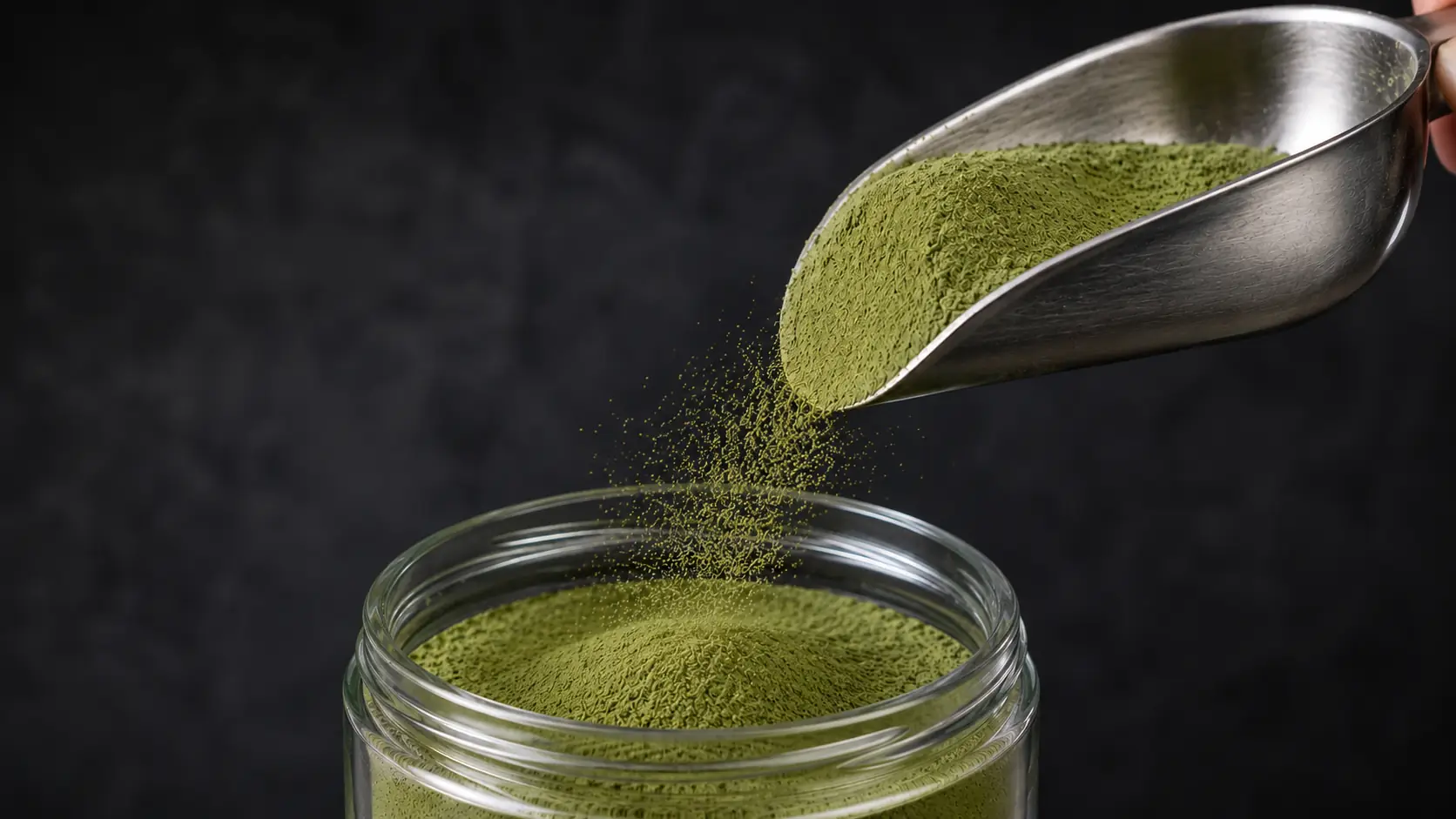
Kratom has captured the imagination of wellness seekers for its dynamic effects for many decades now. Its leaves, packed with alkaloids like mitragynine which interact with the body to deliver uplifting or soothing sensations, depending on the dose. Yet, kratom’s true magic unfolds when paired with other herbs, a practice known as kratom herbal synergy. This thoughtful combination amplifies kratom’s benefits while promoting balance, grounding, and holistic well-being. By blending kratom with complementary herbs, you can craft an experience suitable to your unique needs, whether chasing focus, relaxation, or physical vitality.
What Is Kratom Herbal Synergy?
Kratom herbal synergy is the art of combining kratom with other herbs to enhance or balance its effects. Derived from the Mitragyna speciosa tree, kratom has a dual nature: smaller doses boost energy and focus, while larger amounts promote relaxation and comfort. Pairing it with herbs that align with these properties allows you to fine-tune your experience, whether seeking mental clarity, physical ease, or emotional calm. This synergy isn’t just about amplifying effects; it’s about creating a seamless blend where each plant supports the others, minimizing potential drawbacks like overstimulation or drowsiness.
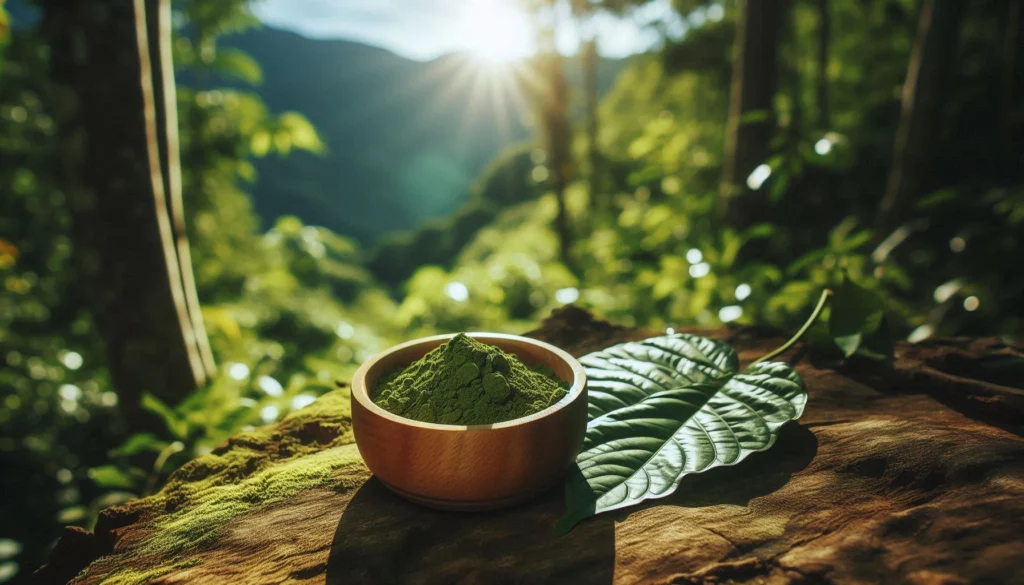
Rooted in traditional practices across cultures, from Southeast Asia to Ayurvedic traditions, combining herbs has long been a cornerstone of natural wellness. In Thailand and Malaysia, kratom was historically consumed to support workers’ stamina or ease physical strain. Today, modern enthusiasts are rediscovering these practices, blending kratom with herbs to create personalized wellness rituals. Understanding each herb’s properties and how it interacts with kratom’s alkaloids is key to crafting a balanced experience. Below, we explore five herbs that complement kratom beautifully, each chosen for its unique qualities and time-honoured use.
Turmeric: The Golden Ally
Turmeric, with its radiant golden hue, is a titan in herbalism. Its active compound, curcumin, has been celebrated in Ayurveda for soothing inflammation and boosting vitality. When paired with kratom, turmeric enhances the plant’s potential for physical comfort, creating a kratom herbal synergy that fosters grounded wellness. Kratom’s alkaloids, while turmeric’s anti-inflammatory properties address underlying tension, supports making this duo ideal for those seeking relief after exertion.
Turmeric also aids digestion and liver health, complementing kratom’s effects. Some users experience mild digestive sensitivity with kratom, especially at higher doses. Turmeric’s digestive support can ease this, ensuring a smoother experience. Pairing turmeric with black pepper enhances curcumin absorption. A turmeric tea or smoothie with kratom powder creates a nurturing ritual for body and mind.

Kava: The Calming Companion
Kava, a Pacific Island root, is prized for fostering relaxation without dulling clarity. Used in ceremonial drinks, its kavalactones ease tension and cultivate calm. Combined with kratom, kava enhances relaxation, particularly at higher doses, creating a soothing kratom herbal synergy. This blend is perfect for unwinding or managing stress.
Unlike kratom, which can energize in smaller amounts, kava promotes tranquility, balancing kratom’s stimulating potential. This pairing smooths out jitteriness, creating calm alertness. Kava’s earthy flavour pairs well with kratom in tea, creating a grounding ritual. Users find this blend supports clarity and ease, ideal for reflection.
Ashwagandha: The Adaptogenic Anchor
Ashwagandha, an Ayurvedic staple, is an adaptogen that helps navigate stress and maintain equilibrium. Known as “Indian ginseng,” it bolsters resilience by modulating stress responses. Paired with kratom, ashwagandha enhances calm and focus, creating a steady synergy. This combination suits those seeking clarity or emotional balance.
Kratom’s energizing effects can sometimes feel overwhelming. Ashwagandha’s grounding tempers this, fostering focused calm. It also supports restful sleep, complementing kratom’s relaxing effects. Mixing ashwagandha with kratom in a beverage or capsule creates a ritual for long-term wellness.
Rhodiola Rosea: The Mental Stamina Booster
Rhodiola rosea, an Arctic adaptogen, enhances mental endurance and mood. It supports cognition, reduces fatigue, and promotes resilience. Paired with kratom, rhodiola amplifies energy and mood, creating a kratom herbal synergy for focus and vitality. This blend suits mentally demanding tasks.
Kratom’s stimulation can feel unfocused. Rhodiola sharpens clarity, channeling energy into productivity. It also enhances kratom’s uplifting qualities for optimism. A rhodiola-kratom tea with lemon offers a refreshing boost. This blend promotes alertness without crashes, ideal for sustained performance.
Chamomile: The Gentle Soother
Chamomile, with its apple-like aroma, is beloved for calming and digestive benefits. Its apigenin promotes relaxation and eases digestion. Combined with kratom, chamomile enhances soothing effects, creating a gentle synergy. This pairing encourages light relaxation or digestive balance. Some find kratom causes mild stomach sensitivity. Chamomile soothes digestion, ensuring comfort. Its calming properties enhance kratom’s relaxation without heavy sedation. A chamomile-kratom infusion with honey creates a cozy drink. This blend supports physical and emotional ease.

Crafting Your Kratom Herbal Synergy Ritual
Crafting a kratom herbal synergy ritual is an intentional practice that blends mindfulness with the unique properties of plant allies to support your wellness goals. Pairing kratom with herbs like turmeric, kava, ashwagandha, rhodiola, or chamomile lets you tailor an experience for focus, relaxation, or vitality. The key is selecting herbs that align with your intentions and experimenting thoughtfully to create a nurturing routine.
Choose herbs based on your desired outcome. For a morning boost, pair kratom with rhodiola to sharpen clarity. For winding down in the evening, blend with chamomile or kava for gentle relaxation. If seeking physical comfort, turmeric complements kratom’s soothing effects. Start with small doses such as 0.5 to 1 gram of kratom and a conservative amount of the herb to find balance and avoid overstimulation.
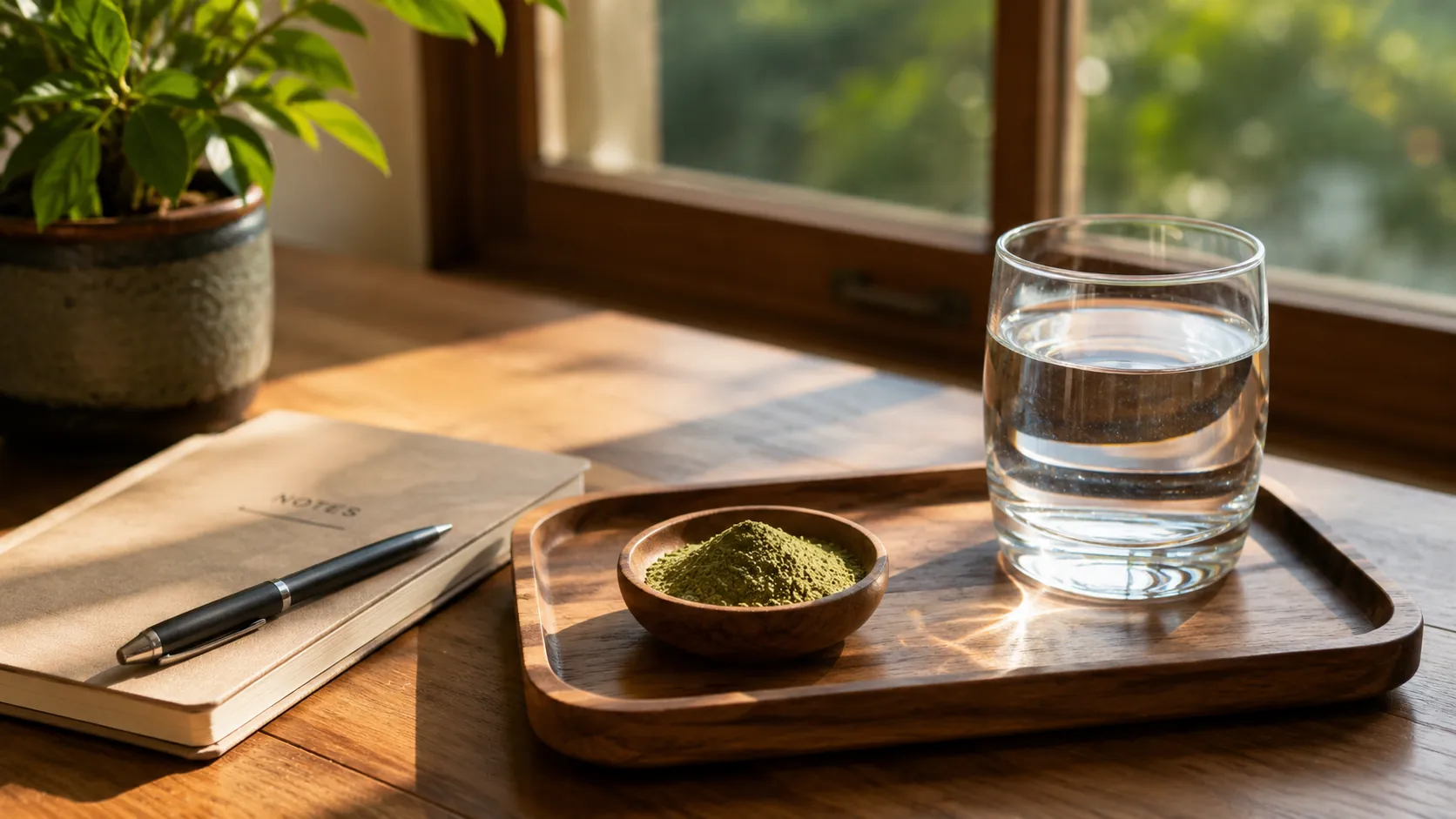
Personalization is vital, as body chemistry varies. Keep a journal to track how blends affect mood, energy, or comfort, noting dosage and timing. This helps refine your ritual, like finding a rhodiola-kratom blend for work focus or a kava tea for restful evenings. Adding mindfulness such as setting an intention or savoring a quiet moment grounds the experience, fostering connection with the plants.
Preparation enhances the ritual. Teas, made by steeping kratom with chamomile or turmeric for 10-15 minutes, blend flavours harmoniously; add honey to soften bitterness. Capsules suit busy schedules, while smoothies with rhodiola tincture or fresh turmeric offer nutrient-rich options. Use high-quality, lab-tested herbs from reputable suppliers to ensure purity and potency, deepening the synergy’s impact.
Explore advanced techniques, like micro-dosing small amounts throughout the day for sustained benefits or alternating herbs to keep routines fresh. Drawing from traditions, such as preparing kava ceremonially, adds cultural depth. With quality, mindfulness, and experimentation, your kratom herbal synergy ritual becomes a transformative part of your wellness journey.
The Future of Kratom Herbal Synergy
As plant-based wellness gains traction, kratom herbal synergy is set to become a vital part of holistic health, blending ancient wisdom with modern needs. Kratom’s versatility, paired with different herbs creates a platform for personalized well-being, supporting mental clarity, physical vitality, and emotional balance. The future of this practice will be shaped by innovative exploration, sustainability, and cultural respect.
New herb pairings, like maca for energy or lemon balm for mood support, will expand kratom’s potential, driven by a growing understanding of plant chemistry. Community-driven platforms, from forums to herbalist-led workshops, will share knowledge, making synergistic blends more accessible and safe. Sustainability is critical as demand for kratom and herbs like rhodiola rises. Ethical sourcing, through regenerative farming and fair-trade practices, will ensure these plants thrive without harming ecosystems.
Technology, such as dosing tools or wellness apps, will enhance precision and approachability. By embracing quality, mindfulness, and respect for nature and culture, kratom herbal synergy will evolve into a transformative force, guiding users toward vibrant, balanced lives through the wisdom of plants.
FAQ
Q: What does kratom herbal synergy mean in practical terms?
A: Kratom herbal synergy refers to combining kratom with other herbs to enhance or balance its effects, such as energy, relaxation, or comfort. Practically, it involves blending herbs with kratom in teas, capsules, or smoothies to create a tailored wellness experience that aligns with your goals.
Q: Can beginners safely explore kratom herbal synergy?
A: Yes, beginners can explore kratom herbal synergy safely by starting with low doses of kratom and a single complementary herb, like chamomile, to assess their body’s response. Always source high-quality herbs and consult a healthcare professional if you have health concerns or take medications.
Q: How do I choose the right herb to pair with kratom?
A: Choose an herb based on your desired outcome. For energy and focus, pair kratom with rhodiola; for relaxation, try kava or chamomile. Consider your sensitivity to kratom’s effects and start with herbs that have gentle, well-documented properties to ensure balance.
Q: Are there any risks when combining kratom with herbs?
A: Combining kratom with herbs is generally safe when done mindfully, but risks include over-sedation (e.g., with kava) or digestive upset if doses are too high. Stick to recommended amounts, avoid mixing with medications without guidance, and monitor how your body feels.
Q: How often can I use kratom herbal synergy blends?
A: Frequency depends on your wellness goals and body’s response. Many use kratom herbal synergy blends a few times a week to avoid tolerance or dependency. Take breaks, stay hydrated, and listen to your body to maintain a balanced routine.
Q: Can I mix more than one herb with kratom at a time?
A: Yes, you can mix multiple herbs with kratom, such as turmeric and ashwagandha, for a layered effect. Start with small amounts of each to avoid overwhelming your system, and experiment gradually to find a combination that feels harmonious.
Conclusion
Kratom herbal synergy celebrates nature’s complexity, where each plant contributes unique gifts to create a greater whole. By pairing kratom with herbs like turmeric, kava, ashwagandha, rhodiola, and chamomile, you can craft a wellness routine designed to your needs. These blends offer more than physical or mental benefits; they encourage you to pause, listen to your body, and engage with the natural world meaningfully.
As you explore these plant allies, approach them with curiosity and care. Experiment with combinations, observe your body’s responses, and choose high-quality herbs for the best experience. Whether seeking focus, relaxation, or comfort, kratom herbal synergy offers a path to balance and vitality. Let these plants be your guides, and discover the profound potential of their synergy in your wellness journey.