Kratom is increasingly valued for its potential wellness benefits, necessitating meticulous storage to maintain its potency and quality. As consumer demand for sustainable practices grows, eco-friendly packaging has gained prominence as an environmentally responsible alternative to conventional methods. These sustainable solutions not only protect kratom from environmental factors like moisture, light, and air but also minimize ecological harm. This blog provides a comprehensive analysis of eco-friendly versus conventional packaging, evaluating their impact on kratom shelf life and offering actionable insights for consumers and businesses seeking to balance product preservation with environmental stewardship.
Defining Eco-Friendly Packaging
Eco-friendly packaging encompasses materials like biodegradable plastics, compostable paperboard, and recyclable glass, designed to minimize ecological harm. These options reduce waste and energy use while safeguarding kratom from moisture, light, and air, which can degrade its alkaloid content. Conventional packaging, such as plastic pouches or Mylar bags, focuses on durability and affordability but often contributes to landfill accumulation. Eco-friendly materials also encourage responsible disposal, fostering a circular economy. Understanding these distinctions sets the stage for evaluating their impact on kratom preservation.
Environmental Factors Affecting Kratom Shelf Life
Kratom’s longevity depends on its protection from external elements:
- Moisture: Excess humidity promotes mold or clumping, ruining kratom.
- Light: UV rays break down alkaloids, diminishing efficacy.
- Air: Oxygen exposure triggers oxidation, altering taste and potency.
- Temperature: Heat accelerates degradation, while stable, cool conditions maintain quality.
Effective packaging creates a barrier against these factors, and the material choice directly influences kratom’s shelf life. Selecting the right packaging ensures kratom remains fresh for months or even years.
Eco-Friendly Packaging for Kratom Preservation
Eco-friendly packaging has evolved to meet the demands of sensitive botanicals like kratom. Here’s how key materials perform:
Biodegradable Plastics
Derived from renewable sources like sugarcane, biodegradable plastics provide airtight seals to block moisture and oxygen. A resealable biodegradable pouch, for instance, limits air exposure after opening, keeping kratom fresh. These materials decompose naturally, reducing landfill waste. Additionally, some biodegradable plastics are engineered to withstand humid conditions, ensuring reliable protection for kratom during storage.
Compostable Paperboard
Made from recycled fibers or wood pulp, compostable paperboard is lightweight and versatile. When coated with plant-based liners, it resists moisture, ideal for kratom powder. A paperboard canister with a natural wax lining, for example, prevents humidity ingress and composts in industrial facilities. This material also supports vibrant, eco-friendly printing for branding, appealing to environmentally conscious consumers.
Glass Containers
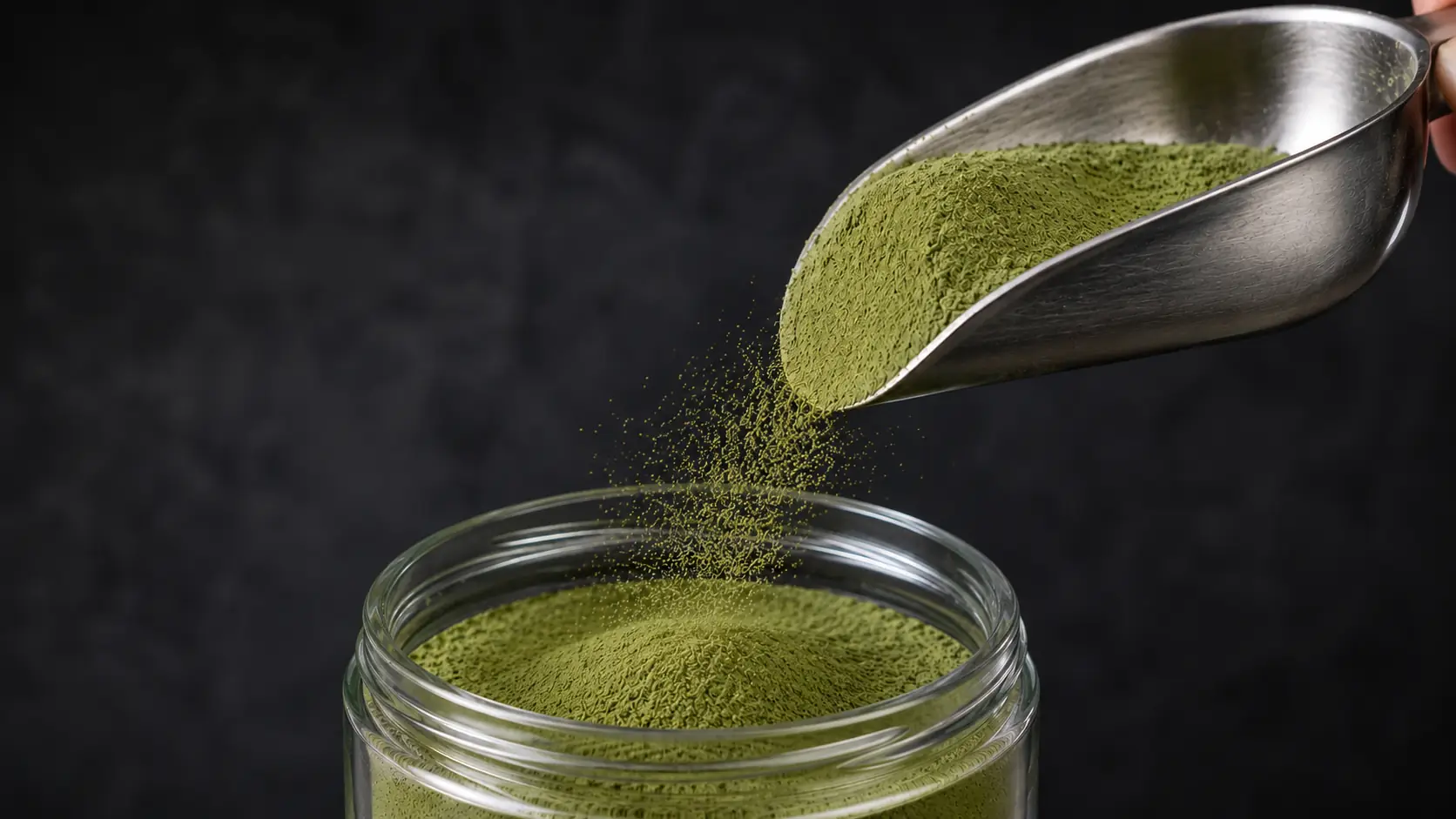
Fully recyclable and non-reactive, glass is a premium choice. Amber glass jars shield kratom from UV light, preserving alkaloid stability. A tightly sealed glass container blocks air and moisture, extending shelf life significantly. Glass’s reusability encourages sustainable habits, such as repurposing jars for storage. Its durability also ensures consistent protection across various climates, making it a versatile option.
Challenges of Eco-Friendly Packaging
Eco-friendly materials may degrade faster than conventional plastics, potentially affecting long-term storage. A compostable pouch, for instance, might weaken in high humidity, risking leaks. These options can also be costlier, impacting affordability for smaller businesses. Consumers must ensure proper disposal, as composting facilities are not always accessible. Despite these hurdles, advancements in material science are improving the durability of eco-friendly packaging, making it increasingly competitive.
Conventional Packaging for Kratom Storage
Conventional packaging remains a go-to for its proven performance and cost-effectiveness. Common materials include:
Plastic Pouches
Polyethylene or polypropylene pouches are lightweight and flexible. Vacuum-sealed pouches remove air, minimizing oxidation. A resealable plastic pouch with a metalized layer, for example, protects kratom from light and moisture, ensuring months of freshness. These pouches are also easy to transport, making them convenient for bulk storage. However, their non-recyclable nature contributes to environmental pollution.
Mylar Bags
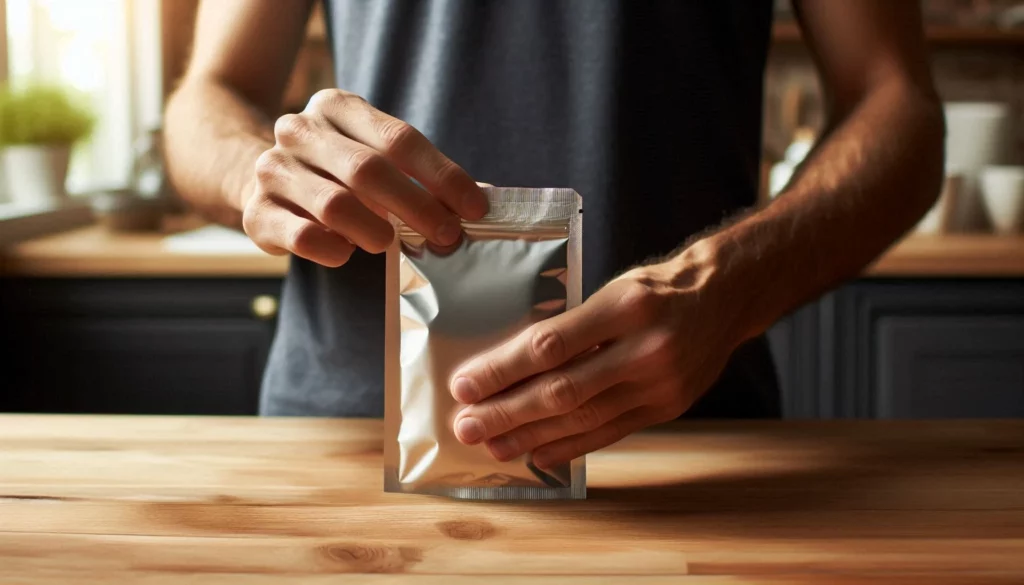
Mylar bags, constructed from polyester film, offer robust barrier properties. A foil-lined Mylar bag with a heat-sealed closure prevents light, air, and humidity from reaching kratom, maintaining potency for extended periods. Their lightweight design reduces shipping costs, a key advantage for businesses. Yet, Mylar’s non-biodegradable composition adds to landfill waste, posing sustainability concerns.
Plastic Jars
High-density polyethylene jars are durable and reusable. Airtight lids block moisture and air, while tinted plastic reduces light exposure. These jars are stackable, optimizing storage space for consumers. However, they are less effective at blocking UV light compared to glass and contribute to plastic waste, limiting their environmental appeal.
Limitations of Conventional Packaging
Conventional packaging excels in preservation but falls short in sustainability. Single-use plastics and composites persist in landfills for centuries, and their production generates significant carbon emissions. These materials also lack the aesthetic appeal of eco-friendly options, which can influence consumer preferences. For eco-conscious buyers, these drawbacks often overshadow the practical benefits of conventional packaging.
Comparing Preservation Performance
Analyzing how eco-friendly and conventional packaging perform across preservation factors reveals their strengths:
Moisture Resistance
Both types can block moisture with high-quality seals. A biodegradable pouch with a plant-based lining rivals a Mylar bag’s humidity resistance. However, eco-friendly materials may weaken over time in damp conditions, giving conventional plastics an edge for prolonged storage. Regular inspection of eco-friendly packaging can mitigate this risk.
Light Protection
Amber glass or opaque paperboard surpasses clear plastic pouches in blocking UV light. Both eco-friendly and conventional tinted materials preserve alkaloids, but glass’s reusability adds sustainable value. Opaque biodegradable plastics also offer comparable light resistance, broadening eco-friendly options.
Air Barrier
Airtight seals are achievable with both. Biodegradable plastics and paperboard can incorporate resealable zippers, matching Mylar bags. The closure’s quality, such as a durable zipper versus a basic seal, often outweighs material differences. Consistent sealing practices ensure optimal air resistance across packaging types.
Temperature Stability
Neither directly regulates temperature, but thicker materials like glass or multi-layered Mylar insulate against fluctuations. Storing kratom in cool, stable environments is critical, regardless of packaging. Consumers can enhance insulation by using secondary containers, such as insulated bags, for added protection.
Emerging Eco-Friendly Packaging Solutions
Innovative materials are transforming eco-friendly packaging. Mycelium, derived from mushroom roots, offers biodegradable insulation and moisture resistance. Seaweed-based films dissolve in water, leaving no waste. These solutions improve barrier properties while reducing fossil fuel reliance. Additionally, hybrid materials combining recycled plastics with plant-based fibers are gaining traction, offering durability and sustainability for kratom storage.
Choosing Packaging Wisely
Consumers should evaluate:
- Storage Duration: Biodegradable pouches suit short-term use, while Mylar or glass excels for long-term storage.
- Environmental Priorities: Eco-friendly packaging supports green goals, but proper disposal is essential.
- Cost Considerations: Conventional plastics are budget-friendly, but eco-friendly materials may justify higher costs for sustainability.
- Practicality: Glass is durable but heavier, while plastic pouches are lightweight but less eco-friendly.
The Future of Kratom Packaging
As sustainability becomes a priority, eco-friendly packaging is poised to transform the kratom industry. Innovations such as bio-based composites and recyclable polymers are emerging as viable alternatives to traditional plastics, offering robust protection against moisture, light, and air while reducing environmental impact. Reusable containers, designed for refilling, are gaining traction, allowing consumers to minimize waste without compromising kratom’s shelf life.
Conventional packaging, like Mylar bags, will remain relevant for its cost-effectiveness, but the industry is shifting toward materials that balance functionality with ecological responsibility. Collaborative efforts among manufacturers, retailers, and material scientists will accelerate the adoption of sustainable solutions, ensuring kratom’s alkaloids remain potent while supporting a healthier planet.
Pharmakeia’s Eco-Friendly Packaging Approach
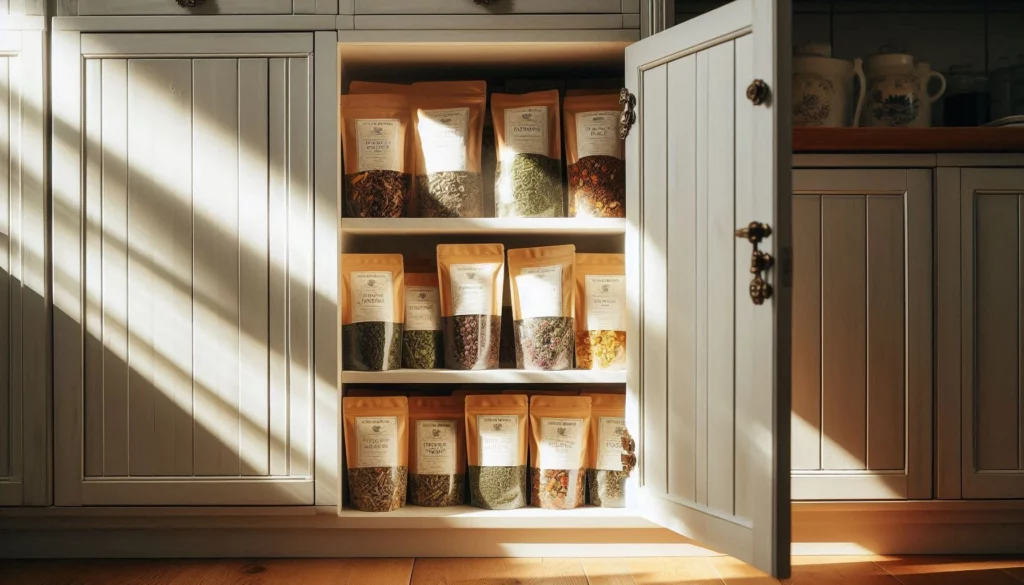
Pharmakeia, a Canada-based kratom and plant medicine e-commerce store, champions sustainability by using packaging crafted from recycled materials. Their eco-friendly pouches and containers, made from post-consumer recycled paper and biodegradable plastics, effectively protect kratom from moisture, light, and air. These materials decompose naturally or recycle easily, reducing environmental impact. Pharmakeia’s commitment to eco-friendly packaging reflects their dedication to quality and sustainability, resonating with consumers who value responsible practices. By prioritizing recycled materials, they contribute to a greener future without compromising product freshness.
Frequently Asked Questions
Q: How does eco-friendly packaging compare to conventional packaging for kratom storage?
A: Eco-friendly packaging, like biodegradable plastics and glass, protects kratom from moisture, light, and air while reducing environmental harm. Conventional packaging, such as Mylar bags, offers durability but contributes to landfill waste.
Q: What are the main benefits of using eco-friendly packaging for kratom?
A: Eco-friendly packaging preserves kratom’s potency, minimizes waste, and supports sustainability. Materials like compostable paperboard and recyclable glass also appeal to environmentally conscious consumers.
Q: Can eco-friendly packaging maintain kratom’s shelf life as effectively as conventional packaging?
A: Yes, with proper seals, eco-friendly materials like amber glass and biodegradable pouches rival conventional plastics in blocking moisture, light, and air, though they may degrade faster in humid conditions.
Q: What are the drawbacks of eco-friendly packaging for kratom?
A: Eco-friendly packaging can be costlier and may weaken over time in high humidity. Limited access to composting or recycling facilities can also hinder proper disposal.
Q: How can consumers ensure kratom stays fresh regardless of packaging type?
A: Store kratom in cool, dark places, use airtight containers for opened packages, avoid heat and sunlight, and check for spoilage regularly to maximize shelf life.
Conclusion
Eco-friendly packaging offers a sustainable approach to kratom storage, rivaling conventional methods in protecting against moisture, light, and air. Biodegradable plastics, compostable paperboard, and recyclable glass deliver effective preservation while reducing ecological harm. Conventional plastics and Mylar provide durability but contribute to waste. By understanding these dynamics, consumers and businesses can make informed choices that prioritize both kratom quality and environmental responsibility, paving the way for a more sustainable future.