The demands of modern life, from packed schedules to emotional pressures, can leave people feeling drained, foggy, or unable to cope. These signs often point to adrenal fatigue or burnout, conditions that disrupt physical vitality and mental clarity. Discovering plant medicines for adrenal fatigue provide a natural path to restoring balance when stress overwhelms the body.
Though debated in some medical circles, their impact is real and widespread. Nature offers time-tested remedies to nurture resilience and recovery. This guide explores what adrenal fatigue and burnout mean, followed by eight unique plant medicines that support healing with distinct benefits.
Understanding Adrenal Fatigue
Adrenal fatigue refers to a range of symptoms linked to overworked adrenal glands, the small organs above the kidneys that produce hormones like cortisol and adrenaline. These hormones regulate stress responses, energy levels, and metabolism. When stress becomes relentless due to long work hours, poor rest, or emotional strain, the adrenals may struggle to keep pace. The result is persistent exhaustion, difficulty rising in the morning, cravings for salty or sweet foods, mental haziness, and a weakened immune response.
While not a formal diagnosis like Addison’s disease, adrenal fatigue is acknowledged in holistic health as a state where stress-handling systems falter. Symptoms often worsen without rest or lifestyle changes, highlighting the need for early care. Factors like excessive caffeine, unbalanced diets, or constant multitasking can aggravate the issue. Recovery requires time and intention to help the body restore its natural rhythm.
Recognizing Burnout
Burnout, though stress-related, stands apart from adrenal fatigue. It arises from prolonged emotional, mental, or physical depletion, often tied to work or caregiving. The World Health Organization describes burnout as a workplace phenomenon marked by three traits: overwhelming depletion, detachment from responsibilities, and reduced effectiveness. Unlike adrenal fatigue’s physiological focus, burnout emphasizes psychological and emotional strain.
People facing burnout may feel cynical, unmotivated, or disconnected from tasks they once valued. Physical signs, such as tension headaches or sleeplessness, often accompany mental fog and irritability. Burnout doesn’t always stem from overwork; it can emerge when efforts feel futile or unappreciated. For example, a teacher facing disengaged students or a parent managing endless responsibilities may slip into burnout unnoticed. Recovery involves setting boundaries, rediscovering purpose, and nurturing the body with rest and nutrition.
Both conditions signal a need for care. Plant medicines for adrenal fatigue and burnout can serve as gentle allies, helping rebuild strength and focus.

Plant Medicines for Adrenal Fatigue and Burnout
Below are eight plant medicines known for their ability to ease the strain of adrenal fatigue and burnout. Each offers distinct properties to support recovery.
1. Ashwagandha
Ashwagandha, a cornerstone of Ayurvedic practice, is prized for its adaptogenic qualities. Adaptogens help the body manage stress by balancing hormones and calming overactive systems. This herb supports adrenal health by moderating cortisol surges, which often accompany chronic stress. For adrenal fatigue, ashwagandha boosts energy without the overstimulation of stimulants. It also fosters restful sleep, aiding burnout recovery by soothing a scattered mind. Its grounding nature suits those feeling overwhelmed.
2. Rhodiola
Rhodiola thrives in cold, harsh climates and is known for enhancing resilience. It sharpens mental clarity and stamina, countering burnout’s cognitive haze. For adrenal fatigue, rhodiola stabilizes the stress response, preventing energy crashes. It also lifts mood, combating the apathy burnout often brings. By improving cellular oxygen use, it supports physical endurance, helping those too tired to stay active.
3. Kratom
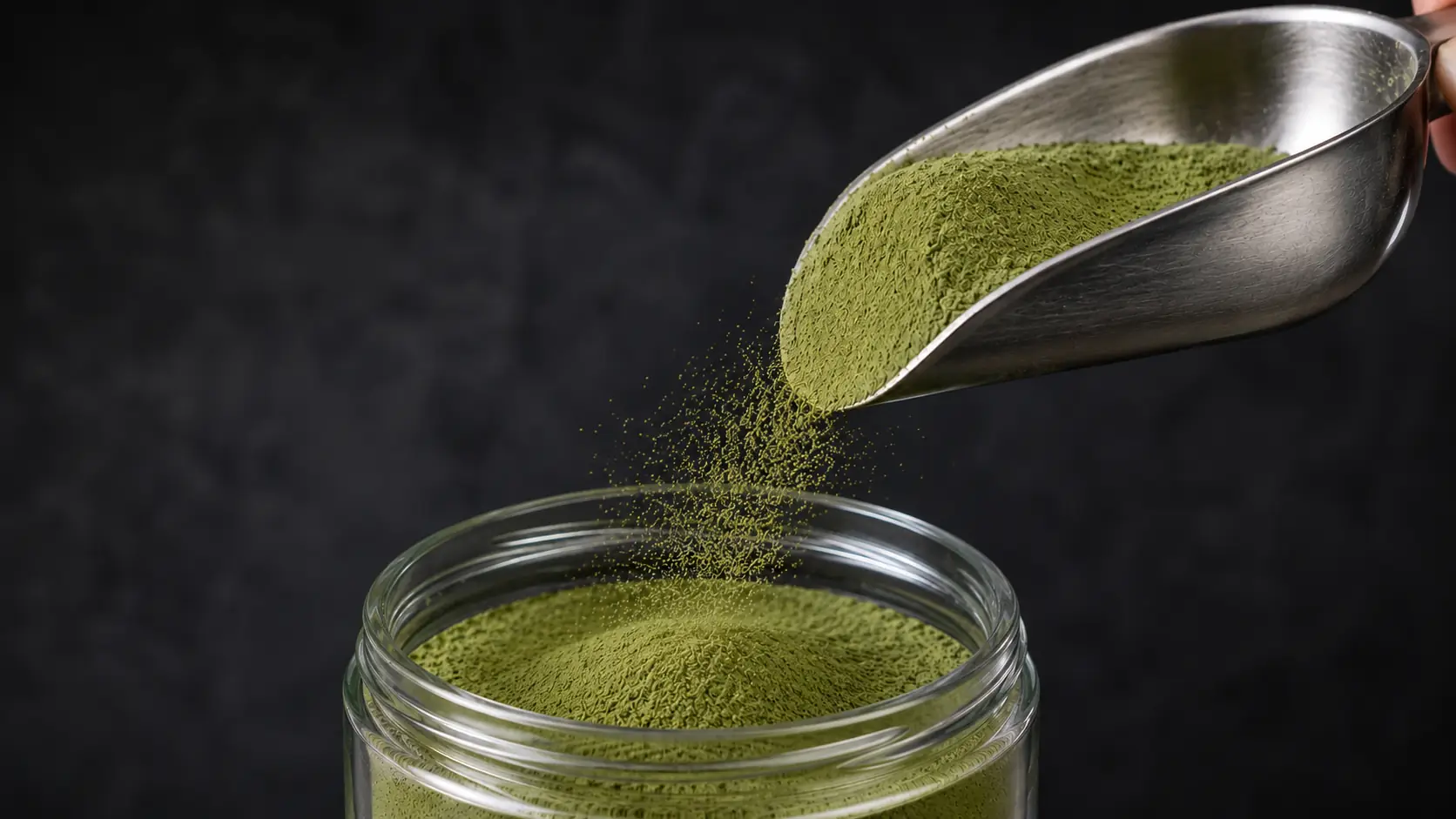
Kratom, derived from a Southeast Asian tree, is valued for its versatile effects on energy and mood. In small amounts, it provides a gentle lift, helping those with adrenal fatigue overcome lethargy without stimulant crashes. For burnout, kratom’s mood-enhancing qualities ease frustration or disconnection, fostering calm focus. Its relaxing effects at higher doses also support rest, a key recovery factor. Kratom should be used cautiously, as effects vary by strain and individual.
4. Cacao
Cacao, the raw source of chocolate, offers more than comfort. Packed with magnesium and antioxidants, it nourishes adrenal glands depleted by stress. For adrenal fatigue, cacao provides a subtle energy boost while stabilizing mood through compounds like theobromine. In burnout, its heartwarming quality fosters emotional openness, countering cynicism. Cacao also supports blood flow, aiding mental clarity for those feeling foggy.
5. Siberian Ginseng
Siberian ginseng, an adaptogen, strengthens the body’s stress response. It enhances endurance and focus, which adrenal fatigue often erodes. For burnout, it counters mental exhaustion, helping individuals reconnect with purpose. Unlike true ginseng, it’s less likely to overstimulate, offering balanced support. It also bolsters immunity, which chronic stress can weaken, ensuring resilience during healing.
6. Schisandra
Schisandra berries, used in Chinese medicine, are prized for their multifaceted benefits. They enhance adrenal function by improving stress resilience and protecting against oxidative damage. For adrenal fatigue, schisandra boosts stamina and focus without jittery spikes. In burnout, it restores emotional balance, easing irritability or sadness. Its liver-supporting properties also aid detoxification, which stress can impair.
7. Nettle
Nettle leaf is a mineral-rich herb, loaded with magnesium and iron, nutrients often depleted in adrenal fatigue. It nourishes the body, supporting hormone balance and energy production. For burnout, nettle’s grounding effect soothes frayed nerves, fostering stability. It also acts as a gentle diuretic, helping flush stress-related toxins. Its mild nature makes it ideal for sustained use during recovery.
8. Maca
Maca, a root from the Andes, is celebrated for revitalizing energy. It supports adrenal health by nourishing the endocrine system, helping regulate stress-disrupted hormones. For adrenal fatigue, maca offers steady vitality and uplifts mood, countering irritability. In burnout, it fosters motivation and warmth, helping rediscover joy in daily life. Its nutrient density promotes overall wellness, making it a versatile ally.
Incorporating Plant Medicines Safely
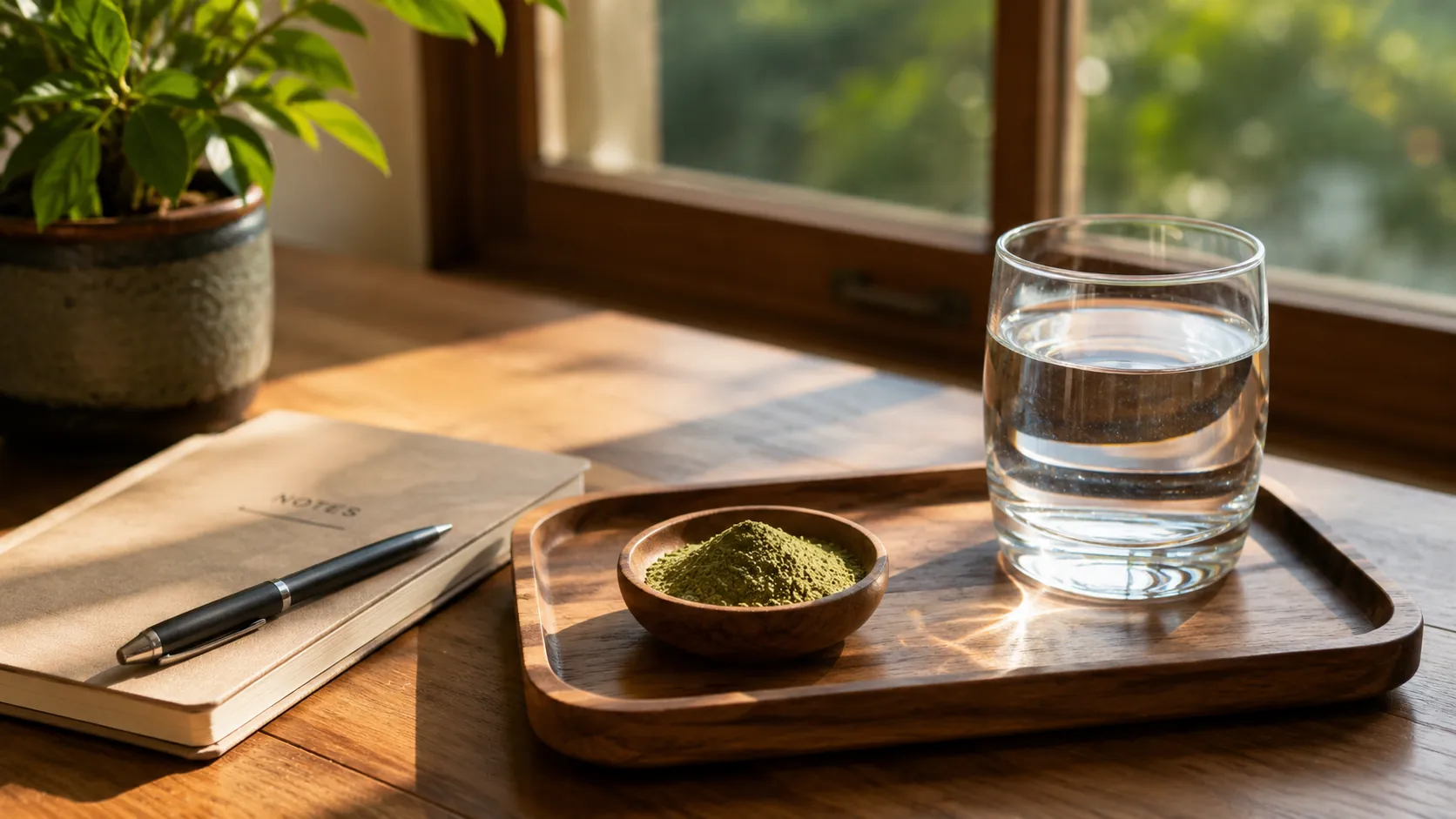
Using plant medicines for adrenal fatigue and burnout requires care. Responses vary, so starting with small doses is wise. Consulting a healthcare professional, especially if on medications, ensures safety. These plants work best alongside lifestyle changes like better sleep, balanced meals, and stress-relief practices such as meditation or gentle movement. Recovery unfolds gradually, and patience allows these remedies to shine.
Lifestyle Support for Recovery
Healing adrenal fatigue and burnout extends beyond plant medicines. Rest is critical; even short naps can recharge energy. Nutrient-dense foods, like avocados or leafy greens, fuel hormone production. Setting boundaries at work or home prevents further depletion. Activities like journaling or time in nature ease mental strain, helping reconnect with purpose. These habits amplify the effects of plant medicines, building a foundation for lasting vitality.

Emotional Resilience and Plant Allies
Stress often frays emotional strength, and both conditions can leave people feeling isolated. Plant medicines support not just the body but also the heart. For instance, cacao’s warmth lifts spirits, while schisandra fosters clarity. Pairing these with practices like gratitude or creative hobbies rebuilds emotional resilience. Over time, this blend helps individuals face stress with greater ease.
Listening to the Body’s Signals
Tuning into the body’s cues is vital for recovery. Adrenal fatigue might show as constant tiredness or odd cravings, while burnout could manifest as dread toward routine tasks. Using plant medicines for adrenal fatigue and burnout work best when tailored to symptoms. For example, rhodiola suits those needing mental sharpness, while nettle fits those craving nourishment. Honing this awareness ensures the right remedy at the right time.
The Role of Community
Healing thrives with connection. Adrenal fatigue and burnout can make socializing feel daunting, but support from others accelerates recovery. Sharing stories with friends or joining wellness groups provides perspective. Some plants, like maca, boost sociability, easing engagement. Community fosters accountability, whether sticking to rest or exploring new remedies. Even brief conversations can lift burnout’s fog, reminding individuals they’re not alone.
A Gentle Reminder
Nature’s remedies encourage patience. Adrenal fatigue and burnout reflect a body seeking care, and plant medicines respond with gentle support. They don’t offer quick fixes but foster steady progress. Choosing herbs like cacao for warmth or kratom for focus empowers healing. Combined with rest and reflection, these plants guide the body back to harmony, rewriting the narrative of stress.

FAQ
Q: Can plant medicines fully cure adrenal fatigue or burnout?
A: Plant medicines support recovery by nourishing the body and easing symptoms, but they work best as part of a broader approach. Rest, nutrition, and stress management are equally vital to restore balance and prevent recurrence.
Q: How long does it take to feel better using these plant medicines?
A: Results vary by individual and lifestyle. Some notice subtle shifts within weeks, while deeper recovery may take months. Consistent use alongside healthy habits speeds progress.
Q: Are there risks to combining multiple plant medicines?
A: Combining herbs can be beneficial but requires caution. Some may interact with each other or medications. Consulting a healthcare provider helps ensure safe pairings.
Q: Which plant medicine is best for low energy in adrenal fatigue?
A: Each herb offers unique energy support. Maca provides a steady boost, while rhodiola enhances stamina. Choosing depends on whether you also need mood or focus support.
Q: Can these plants help with burnout-related anxiety?
A: Yes, several herbs ease anxiety. Ashwagandha calms the nervous system, and cacao uplifts mood, helping reduce the tension burnout often brings.
Q: How do I know if I’m experiencing adrenal fatigue or burnout?
A: Adrenal fatigue often involves physical exhaustion and cravings, while burnout includes emotional detachment and reduced motivation. Tracking symptoms and consulting a professional can clarify.
Q: Are plant medicines safe for long-term use?
A: Many, like nettle and schisandra, are gentle for extended use, but others, like kratom, need careful monitoring. Rotating your strains or herbs and checking with a practitioner supports safety.
Conclusion
Plant medicines for adrenal fatigue and burnout are more than tools; they’re partners in renewal. Each herb offers distinct gifts, addressing the physical and emotional strain of stress. From ashwagandha’s calm to maca’s vibrancy, these eight plants bring hope to those feeling depleted. Recovery unfolds slowly, but with nature’s guidance and mindful choices, energy and clarity return. The path begins with one step, and these plants illuminate the way.