Experienced kratom users often reach a point where casual, unplanned consumption no longer serves them well. Daily life brings varying demands such as work stress, shifting schedules, physical discomfort, or simply the desire for more predictable effects. Many begin searching for smarter ways to incorporate this plant into their routines. What emerges from community discussions is a pair of thoughtful strategies that help bring order without rigidity.
Anchor doses and floating doses represent two distinct mindsets for daily kratom scheduling. These approaches have developed naturally among users who want consistency on one hand and flexibility on the other. They move beyond simply measuring grams and instead focus on intention, awareness, and long-term sustainability.
What Are Anchor Doses?
Anchor doses refer to a consistent, primary amount of kratom taken at regular intervals to provide a reliable foundation for the day. Think of it as the steady base that keeps effects predictable and supports overall stability. Users who prefer this approach often select a specific gram amount or serving size that they repeat throughout their schedule, avoiding frequent changes that might disrupt balance.
For example, someone might establish a morning anchor dose of around 4 to 6 grams of powder, followed by similar amounts in the afternoon and evening if needed. The goal is predictability. This mindset appeals to those who value routine, whether for managing daily discomfort, supporting focus during work, or maintaining a sense of normalcy. By sticking closely to the same quantity and timing, practitioners report fewer surprises in how they feel and reduced temptation to escalate intake impulsively.
This structured baseline draws from broader principles seen in habit formation. Just as consistent meal timing helps regulate hunger signals, a fixed kratom schedule can help the body anticipate and respond more evenly. Many appreciate anchor doses for their role in long-term management. When life feels demanding, knowing exactly when and how much to take can reduce decision fatigue. It also makes it easier to monitor personal tolerance trends over weeks or months.
Exploring Floating Doses
Floating doses take a more flexible stance. These are supplementary servings reserved for specific situations rather than built into a rigid timetable. A floating dose might sit ready for use during unexpected moments of discomfort, sleep challenges, or particularly stressful periods, but it is not part of the everyday baseline.
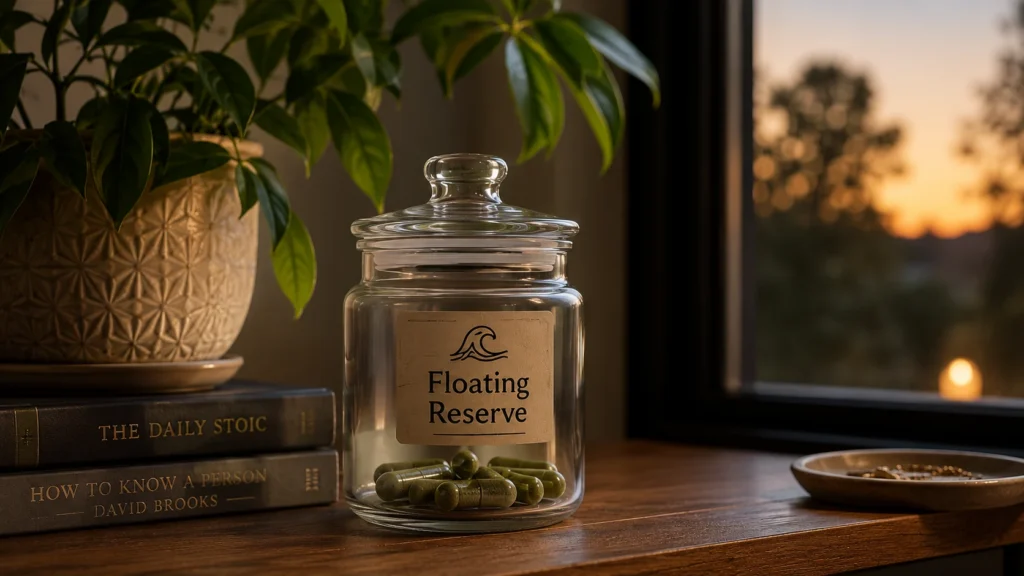
Imagine completing your planned servings for the day yet still facing a breakthrough symptom later in the evening. Instead of increasing regular doses across the board, a user might turn to their floating reserve, perhaps a smaller 2-gram portion, only when truly needed. This on-demand element provides a safety net while encouraging restraint in overall consumption.
The floating approach suits individuals whose needs fluctuate due to variable schedules, physical activity levels, or external stressors. It promotes mindfulness because each use requires conscious evaluation rather than autopilot repetition. This method aligns well with tapering or reduction goals. Users in transition phases sometimes designate part of their total daily amount as floating, gradually phasing it out to lower overall intake smoothly.
Comparing the Two Mindsets
Anchor doses and floating doses embody different philosophies: stability versus adaptability. The anchor mindset prioritizes consistency and prevention through routine. It works especially well for people with predictable days or those seeking to minimize variability in their experiences. Floating doses, by contrast, emphasize responsiveness and conservation. They can prevent over-reliance on regular servings by handling exceptions separately.
Combining both strategies is common. Many maintain a core anchor schedule while keeping a modest floating option available. Neither is inherently superior. The choice depends on personal circumstances, goals, and how kratom fits into one’s broader wellness picture.

Practical Considerations for Daily Scheduling
Implementing these concepts requires self-awareness and patience. Start by assessing current habits: How much kratom do you typically use daily? At what times? What effects are you seeking? Tracking for one to two weeks provides valuable baseline data.
Establishing Your Anchor Doses
When establishing anchor doses, select amounts within commonly discussed community ranges, often 3 to 8 grams per serving for many regular users, though this varies significantly. Begin conservatively and space servings several hours apart. Choosing the proper preparation method matters too. Examples include toss-and-wash, capsules, or tea can influence onset and duration.
Setting Up Floating Doses
For floating doses, decide on criteria upfront. Keep the reserve separate, perhaps in a labeled container, to reinforce intentional use. Many recommend smaller sizes for floating portions to avoid accidental escalation.
Supporting Habits and Strain Selection
Hydration, nutrition, and rest play crucial supporting roles. Strain selection adds another layer as some users assign energizing varieties to morning anchors and relaxing ones to evening or floating needs. Experimentation within safe parameters helps refine the system.
Potential Benefits and Challenges
Structured approaches like anchor doses and floating doses can provide greater awareness and potentially more sustainable patterns. Users commonly report these key benefits:
- Improved consistency and predictability in daily effects
- Reduced decision fatigue around when and how much to take
- Better ability to track tolerance changes over time
- Greater sense of control and mindfulness in consumption
- Easier management during periods of life stress or schedule changes
At the same time, these methods come with certain challenges that users should anticipate:
- Anchor routines may feel restrictive for people with highly unpredictable days
- Availability of floating doses can sometimes lead to unnecessary use if boundaries are not clear
- Initial setup requires time and honest self-tracking
- Life interruptions can test consistency, requiring ongoing adjustments
- Individual body chemistry means results are never guaranteed and may shift over months
Broader Context and Refining Your Strategy
Discussions around dosing mindsets reflect a maturing user culture focused on responsibility and harm reduction. Developing an effective routine is an iterative process. Many begin with a hybrid model: solid anchors for core daily needs paired with minimal floating support. Journaling proves invaluable. Over months, patterns emerge that inform smarter decisions. Social support from experienced peers can provide perspective, while remembering that individual biochemistry ultimately guides results.
Long-Term Perspectives
Sustaining benefits often involves periodic reassessment. Users who maintain anchor-based routines sometimes introduce reset weeks with significantly reduced intake. Floating doses can evolve into tools for maintenance rather than just crisis management. Both mindsets encourage viewing kratom in Canada as part of a larger wellness toolkit rather than a sole solution.
Frequently Asked Questions
Q: What is the main difference between anchor doses and floating doses?
A: Anchor doses form your fixed, daily baseline that you take at consistent times for stability and predictability. Floating doses are extra, as-needed servings you keep in reserve for breakthrough symptoms, stress, or unexpected situations.
Q: Can I combine anchor doses and floating doses in the same routine?
A: Yes, many experienced users combine both. They maintain a steady anchor schedule for everyday needs and keep one or two smaller floating doses available for special circumstances. This hybrid approach is often considered the most practical long-term strategy.
Q: How do I know which mindset is better for me?
A: It depends on your lifestyle. If you have a predictable daily schedule and value routine, lean toward anchor doses. If your days vary greatly or you want to minimize total consumption, floating doses may suit you better.
Q: Will using these methods help with tolerance?
A: They can help slow tolerance buildup by encouraging more intentional and consistent use. However, periodic tolerance reset breaks remain one of the most effective tools regardless of scheduling method.
Q: Are anchor doses or floating doses suitable for beginners?
A: Beginners should first focus on understanding their personal response with simple, low-dose experimentation. Once comfortable, these structured mindsets become useful tools.
Q: How do I transition from unplanned dosing to an anchor/floating system?
A: Start gradually by tracking your current daily intake and timing for 7–14 days without making changes. Then introduce one anchor dose at your most consistent time of day (usually morning or evening) while keeping the rest of your intake as floating. Slowly convert more servings into anchors over the following weeks.
Key Takeaways for Informed Users
Anchor doses build a stable daily foundation through repetition and predictability while floating doses add valuable flexibility for unexpected needs without inflating overall intake levels. Most experienced users find the greatest success by combining elements of both approaches rather than relying on only one. Ultimately, success depends on honest tracking, gradual adjustments, and realistic expectations. Personal experimentation guided by self-awareness leads to the most effective and sustainable routines, helping users treat kratom as part of a broader wellness toolkit instead of a standalone solution.