For centuries, people across cultures have turned to leaves, roots, flowers, and barks to soothe irritation, support healing, and promote a healthy complexion. This longstanding connection between plant medicine and skin health stems from the protective compounds plants naturally produce, which can offer similar benefits when applied thoughtfully to human skin. Many individuals today explore these traditions as complements to modern skincare, drawn by their accessibility and holistic nature.
Skin is the body’s largest organ and a reflection of internal well-being. It faces daily challenges from pollution, diet, stress, and aging. Traditional plant-based practices address these through antioxidant, anti-inflammatory, moisturizing, and antimicrobial properties. This guide provides a clear, factual overview of these connections.
The Foundations of Plant Support for Skin
Botanical remedies for skin date back thousands of years. Ancient civilizations observed and passed down effective uses of local plants for wounds, rashes, and daily care. These traditions rely on polyphenols, flavonoids, and essential oils that interact supportively with skin tissues.
Plant approaches often work on multiple levels at once such as calming redness, delivering hydration, and aiding natural repair. They focus on supportive care rather than cures. Individual responses vary, so patch testing and professional guidance are recommended, especially for sensitive skin or existing conditions.
Key Plants Traditionally Used for Skin Care
Aloe Vera: Nature’s Soothing Gel
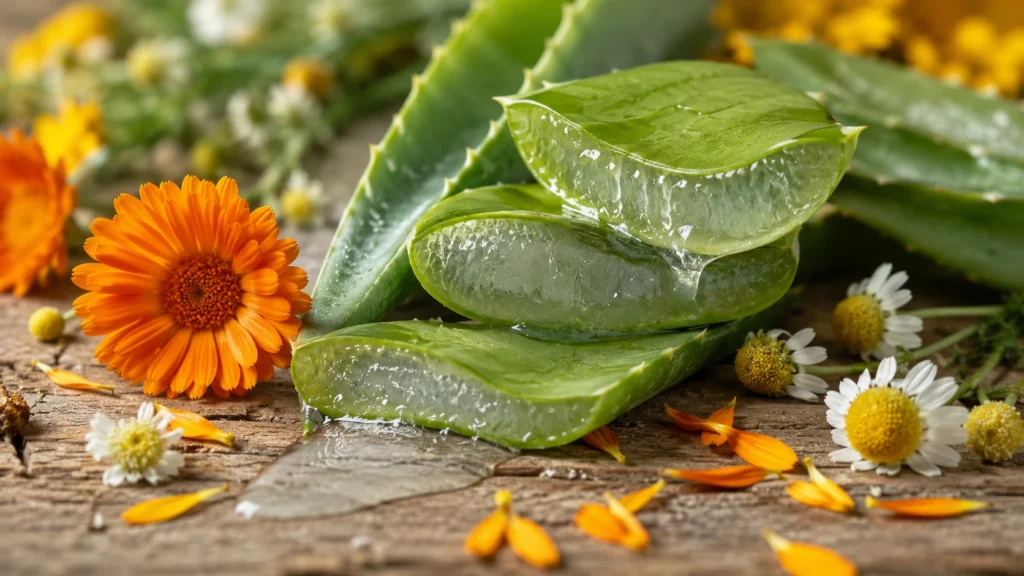
Aloe vera gel has been valued since ancient times for its cooling hydration. Its polysaccharides help retain moisture and soothe discomfort from minor burns or dryness, making it a reliable staple in natural routines.
Calendula: The Gentle Wound-Supporting Flower
Calendula flowers are rich in carotenoids. Traditional preparations like infused oils and salves use its gentle antimicrobial and anti-inflammatory properties to support minor cuts and irritated skin.
Turmeric: Vibrant Support for Even Tone
Turmeric’s curcumin helps modulate inflammation. When mixed into short-term pastes or masks, it has been used traditionally to brighten appearance and address occasional blemishes through its antioxidant action.
Chamomile: Calm for Sensitive Skin
Chamomile’s flavonoids provide mild soothing effects. Compresses or extracts are commonly applied to reduce redness and calm reactive skin.
Tea Tree: Traditional Cleanliness Aid
Tea tree oil contains terpinen-4-ol with recognized antimicrobial properties. Properly diluted, it supports cleanliness in blemish-prone areas without overly stripping the skin.
Additional Notable Plants
Witch hazel offers astringent tannins for toning, while colloidal oatmeal from Avena sativa calms itchiness and locks in moisture. These demonstrate the wide range of plant actions suited to different needs.
How Plant Compounds Interact with Skin
Plants produce secondary metabolites as defense mechanisms. When applied to skin, these can interact with cells and microbes in beneficial ways.
Supportive compounds generally include:
- Antioxidants that help counter oxidative stress from daily exposure.
- Anti-inflammatory agents that ease swelling and discomfort.
- Humectants and emollients that strengthen the skin barrier and prevent moisture loss.
- Antimicrobial elements that help maintain surface balance.
Preparation methods such as infusions, oils, salves, or powders often determine which compounds are extracted. Proper storage preserves potency.
Practical Ways to Incorporate Plant Medicine into Skin Routines
Start simple and always patch test. Cleanse gently before applying remedies.
Helpful daily practices include:
- Aloe-based gel as a lightweight moisturizer.
- Rosehip seed oil for essential fatty acids and vitamins.
- Evening chamomile compresses to calm the skin.
- Brief turmeric-honey masks for refreshment.
- Calendula salve on minor abrasions.
- Oatmeal baths for broader soothing.
Consistency matters more than intensity. Pair topical care with antioxidant-rich foods, hydration, sleep, and daily sun protection for best results.
Understanding Different Forms of Plant Preparations
Each form has practical advantages. Fresh preparations offer immediate potency, while dried herbs and powders provide convenience and shelf stability. Essential oils deliver concentrated compounds but require careful dilution in carriers like jojoba or coconut oil. Powders are versatile for pastes, baths, or teas. Cold infusions preserve heat-sensitive elements, while oil infusions suit drier skin types.
Broader Benefits and Considerations in Plant-Based Skin Care
Plant medicine and skin health extend beyond topical use. Supporting gut health with fiber-rich plants may indirectly benefit skin through the gut-skin connection. Adaptogenic herbs can promote relaxation that helps reduce stress-related skin issues. Key considerations include ethical sourcing to protect biodiversity, awareness of potential medication interactions, and extra caution during pregnancy. Education from reputable botanical resources builds safer, more effective practices.
Addressing Common Skin Concerns with Plant Traditions
Traditional approaches can offer supportive care for various needs:
Dry Skin
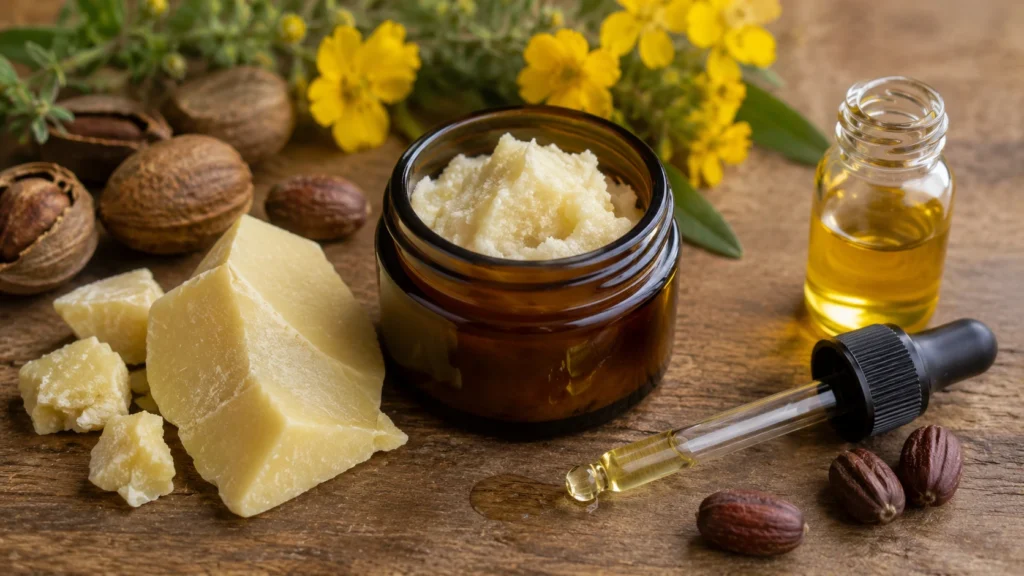
- Shea and cocoa butters form protective barriers.
- Evening primrose and jojoba oils restore suppleness.
Blemish-Prone Skin
- Tea tree and neem help maintain cleanliness.
- Witch hazel balances oil gently.
Mature Skin
- Pomegranate and rosehip oils provide antioxidant and renewal support.
- Gotu kola aids texture and elasticity over time.
Sensitive or Irritated Skin
- Colloidal oatmeal and marshmallow root calm reactivity.
- Fragrance-free options minimize risk.
Minor Wounds and Burns
- Calendula and plantain create soothing, protective layers.
- Honey supports natural repair.
The Role of Tradition and Modern Understanding
Generational knowledge, documented through ethnobotany, shows consistent patterns across cultures. Modern analysis of active compounds helps validate safe traditional uses while encouraging responsible application. Observation and journaling personal responses remain valuable tools.
Expanding Your Plant Medicine Knowledge
Learn through reputable herbalism books, university resources, and certified practitioners. Focus on sustainable harvesting, synergistic blends, and environmental responsibility. Small habits like bulk buying and composting support broader ecological respect.
Integrating Plant Support Mindfully
Begin gradually, observe results, and adjust. Plants work best as allies alongside proven habits like gentle cleansing and nutrition. Approach kratom powder with the same caution and education as any specialized botanical.
Frequently Asked Questions
Q: How does plant medicine support skin health overall?
A: Plant medicine and skin health connect through natural compounds that help maintain the skin barrier, reduce irritation, and support renewal. These traditions emphasize supportive, holistic care when combined with healthy lifestyle practices.
Q: Which plants are most commonly used in traditional skin care?
A: Aloe vera, calendula, turmeric, chamomile, and tea tree stand out for their well-documented traditional roles in hydration, soothing, brightening, and cleanliness.
Q: How should beginners start using plant-based skin remedies safely?
A: Patch test everything, start with one gentle option like aloe or chamomile, follow dilution guidelines, and introduce items slowly while monitoring your skin.
Q: What are the main differences between plant powders, oils, and fresh preparations?
A: Powders offer convenience and versatility. Oils provide deep nourishment. Fresh forms deliver immediate potency but need more frequent preparation. Choose based on your skin type and lifestyle.
Q: Are there important safety considerations with plant medicine for skin?
A: Yes. Always patch test, source quality materials, avoid known interactions with medications, and consult professionals for persistent issues or special health conditions.
Q: How long does it typically take to notice results from plant-based skin care?
A: Consistent use for four to six weeks often reveals how well a preparation suits your skin, as natural renewal cycles take time.
Final Thoughts on Embracing Natural Connections
Plant medicine and skin health represent a thoughtful dialogue between people and nature. From aloe’s cooling touch to chamomile’s calm, these traditions invite conscious engagement with our bodies and environment. The diversity of botanical applications and the importance of accurate understanding is essential in knowing what plant is best for you.
Approaching these practices with respect, curiosity, and caution leads to more harmonious results. Prioritize safety, quality sourcing, and gradual integration. Skin reflects overall vitality, and plant allies offer gentle pathways toward balance when used mindfully.