


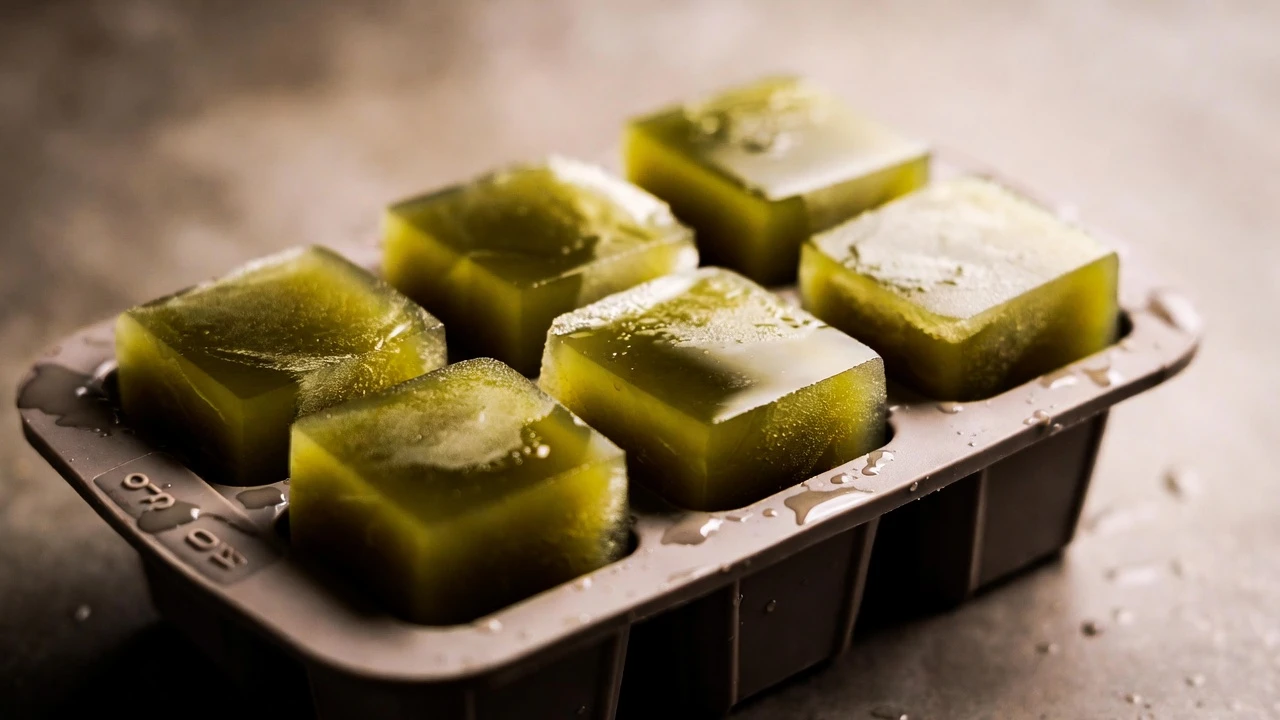

Many people who enjoy kratom tea as part of their daily or occasional routine haven’t discovered a simple technique that noticeably improves the experience: freezing kratom tea. This method changes several key characteristics of the infusion in practical ways, from flavour balance and mouthfeel to shelf life and serving consistency. Freezing offers an easy way to refine your preparation without any special tools or added complexity.
For individuals who brew kratom tea as part of a daily or occasional routine, or who create large batches of tea, freezing offers a straightforward method to refine preparation without complicated equipment or extra steps.
Understanding Ice Crystal Formation and Plant Material Interaction
As kratom tea freezes, water molecules form expanding ice crystals. Any fine plant particles or residual cell fragments that remain after straining get pressed by these crystals. This mechanical action can further disrupt tiny structures in the plant matter, leading to a release of additional compounds when the tea thaws. The outcome is often a clearer liquid upon thawing, with reduced floating sediment right away.
This contributes directly to a smoother drinking experience. Many who have tried both fresh and frozen-thawed versions note less grittiness or powdery residue on the tongue. The tea feels cleaner overall, which makes it more approachable for extended sipping or when consuming larger volumes over a day.
How Flavour Evolves Through Freezing
Freshly prepared kratom tea typically presents a bold, earthy bitterness upfront, often layered with grassy or woody undertones that can feel sharp. When frozen, oxidative reactions that sometimes intensify harsh notes during refrigerator storage slow considerably due to the low temperatures. Thawing reveals a more even distribution of bitterness across each sip rather than a strong initial hit.
Users commonly describe the thawed tea as rounder and less aggressive, with the core earthy character still present but better integrated. If acidic additions like citrus were part of the original brew, freezing allows those flavours to blend more harmoniously over time. The result is a profile that many find easier to enjoy without needing heavy masking agents, though the distinctive kratom taste never fully disappears.
Shifts in Perceived Strength and Batch Reliability
While the overall alkaloid content remains consistent with what was brewed initially, the presentation in the thawed state can lead to a sense of enhanced delivery. This leads some to slightly reduce portion sizes after switching to frozen storage, as each thawed cube or container delivers a reliable experience without unexpected variability.
Freezing also promotes greater consistency between servings. Individual brews can differ slightly due to minor variations in water heat, steeping duration, powder settling, or even ambient conditions. By preparing a larger batch, freezing it immediately after cooling, and thawing portions as needed, users capture a uniform snapshot of that batch at its best post-preparation point. Thawed servings maintain that captured quality longer than refrigerated ones, which may gradually lose vibrancy.
Practical Advantages in Preservation and Convenience
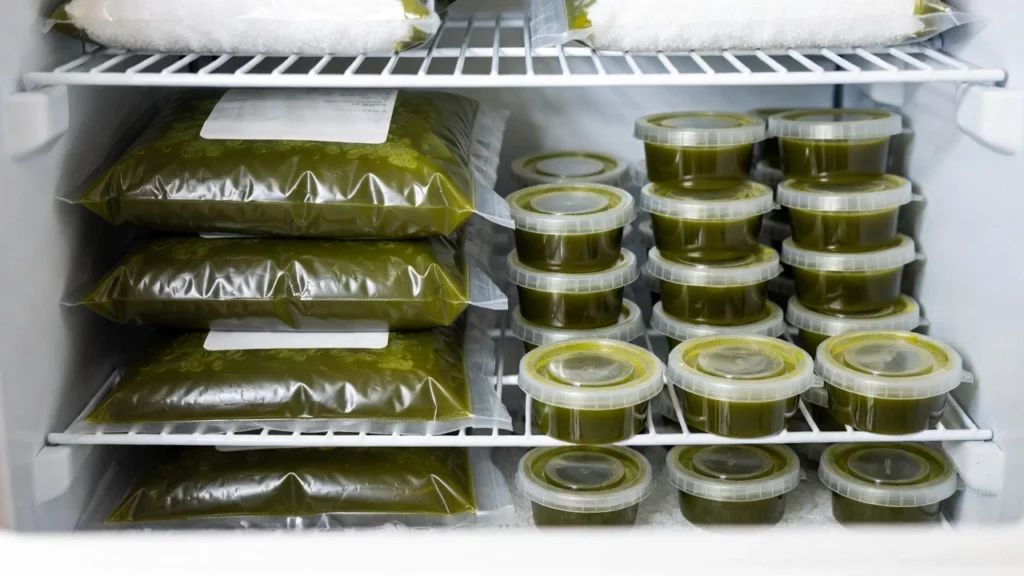
Refrigerated kratom tea usually holds good quality for about 5 to 7 days before aroma fades, subtle off-notes appear, or minor separation occurs. Freezing dramatically extends this window. When stored in airtight conditions at consistent freezer temperatures, portions can stay close to original freshness for weeks or months, depending on sealing and avoidance of temperature swings.
This makes bulk brewing realistic and waste-reducing. Preparing once every few weeks or monthly becomes manageable, cutting down on daily effort like measuring, heating, and straining. Ice cube portions stand out for convenience: a single cube thaws rapidly in warm water for quick consumption, or several defrost slowly in the fridge for later in the day. The method fits busy schedules while keeping each serving nearer to peak condition.
Optimal Techniques for Freezing and Thawing
Technique plays a major role in getting the best results from freezing kratom tea. Follow these guidelines carefully.
Freezing Preparation Steps
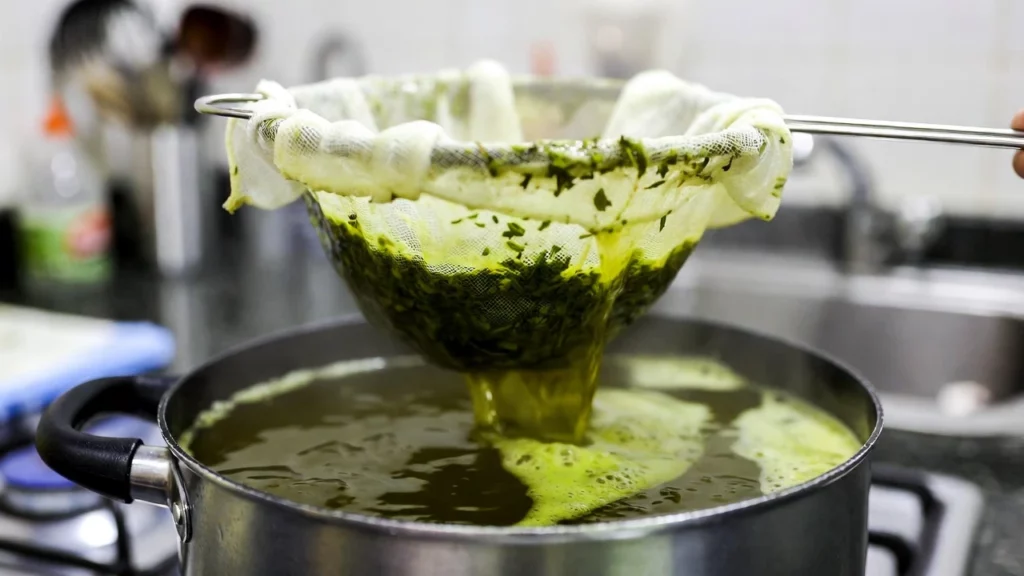
- Strain thoroughly first: Use a fine mesh strainer, or cheesecloth to remove as many large particulates as possible before freezing. This minimizes grittiness in the thawed tea.
- Cool completely: Let the brewed tea reach room temperature (or refrigerate briefly) to prevent excess condensation and temperature shock in the freezer.
- Choose appropriate containers: Opt for food-safe silicone ice cube trays (easy release and portion control), BPA-free plastic freezer molds, or freezer bags with air squeezed out.
- Leave headspace: Fill containers only ¾ full to allow for water expansion during freezing and avoid cracking or leaks.
- Maintain stable freezer conditions: Keep the temperature steady at around -18°C (0°F) or colder. Minimize door openings to prevent temperature fluctuations that cause large ice crystals or partial thawing/refreezing.
- Portion thoughtfully: Freeze in small, single- or double-serving amounts (e.g., ice cubes or 4–8 oz containers) so everything freezes and thaws evenly.
Best Thawing Practices
- Refrigerator thawing: Move portions to the fridge 8–12 hours ahead. This slow process lets components reintegrate smoothly, maintaining balanced flavour and texture.
- Quick thaw for small amounts: Place a cube or container in warm (not boiling) water for 5–10 minutes, stirring occasionally for even melting.
- Avoid these methods: Skip the microwave (creates hot spots and uneven layers), and limit room-temperature thawing to small portions watched closely since prolonged exposure increases the risk of off-flavours or bacterial concerns.
By following these guidelines, the freeze-thaw cycle delivers the smoothest, most consistent results with minimal surprises.

Exploring Variations and Personal Adjustments
Freezing opens room for customization. Some incorporate acidic elements during initial brewing for better extraction, then freeze to further meld flavours. Others freeze plain tea as a versatile base, thawing portions to add different mixers, herbal teas, or natural sweeteners based on mood or needs. Portion cubes allow easy scaling, one for lighter days, multiple for stronger sessions without re-brewing. This adaptability suits evolving preferences while leveraging freezing’s core benefits: smoother texture, more balanced taste, extended usability, and dependable consistency.
Common Considerations and Storage Best Practices
- Use sealed, airtight containers to prevent freezer burn and odor absorption from other foods.
- Label every batch with the preparation date to ensure proper rotation.
- Avoid repeated freeze-thaw cycles on the same portion: they can cause separation or gradual quality decline.
- Start with the best kratom in Canada for excellent frozen results.
Frequently Asked Questions About Freezing Kratom Tea
Q: Does freezing kratom tea reduce its potency or change its effects?
A: Freezing does not reduce potency; many users report that thawed tea feels more consistent or even more noticeable due to the ice crystal process breaking down residual plant material and making compounds more accessible. The core effects remain aligned with the original brew, though individual perception varies. Proper technique (airtight storage, no repeated thawing) preserves quality effectively.
Q: How long can frozen kratom tea last in the freezer?
A: When stored in airtight containers at a stable -18°C (0°F) or colder, frozen kratom tea can maintain good quality for several months to a year or more. This far exceeds refrigerated storage (typically 5-7 days). Check for off-smells, unusual appearance, or freezer burn before use, and prioritize older batches first.
Q: Can I freeze kratom tea in glass containers?
A: Avoid glass containers for freezing kratom tea, as the liquid expands during freezing and can crack the glass. Use food-safe plastic, silicone ice trays, or freezer bags instead to prevent breakage and leaks.
Q: Will thawing and refreezing kratom tea multiple times harm it?
A: Repeated freeze-thaw cycles on the same portion should be avoided, as they can lead to separation, texture changes, or subtle degradation from moisture exposure and oxidation. Portion into single-use amounts initially so you only thaw what you need.
Q: Does freezing make kratom tea taste better or worse?
A: Many find thawed kratom tea tastes smoother and less harsh, with bitterness more evenly distributed and flavours better integrated (especially if citrus was added during brewing). The earthy profile remains, but the overall experience often feels more balanced and approachable.
Q: Is it necessary to strain the tea perfectly before freezing?
A: Thorough straining is recommended but not always perfect. Freezing helps settle or break down remaining fine particles, often resulting in clearer, less gritty thawed tea. Still, starting with good straining reduces any initial residue.
Q: Can I add anything to the tea before freezing to improve results?
A: Acidic additions like lemon or lime juice during brewing can enhance extraction and help flavours meld further during freezing. Some experiment with small amounts of alcohol or other mixers, but keep it simple to avoid altering the base profile unintentionally.
Broader Appeal of the Freezing Approach
Beyond mechanics, freezing kratom tea introduces intention into preparation. Brewing a substantial batch becomes an occasional task rather than a frequent chore, turning each thawed serving into a preserved effort. This small ritual can heighten appreciation, adding anticipation about how the tea will taste after time in storage. From an efficiency perspective, larger batches reduce repeated water heating and cleanup. Fewer small preparations mean less overall resource use while delivering satisfying results.
Freezing kratom tea ultimately refines the herbal experience by smoothing flavour edges, improving drinkability through better texture, dramatically lengthening shelf life, and providing reliable consistency. These changes align with what many seek in a daily or periodic infusion: something approachable, sustainable, and easy to incorporate without constant re-preparation. Whether used for practical bulk storage or ongoing experimentation, the method demonstrates how a simple temperature adjustment can meaningfully elevate an everyday plant-based routine.
Disclaimer
The information presented in this blog is for educational purposes only and is not medical advice. Consult a qualified healthcare professional before using kratom or any herbal product, especially if you have pre-existing conditions, are pregnant, breastfeeding, taking medications, or have a history of substance use concerns. Kratom (Mitragyna speciosa) is not approved by Health Canada as a natural health product, food, or drug for any medical or therapeutic use.
Health Canada has warned Canadians against consuming kratom due to significant safety concerns, including risks of nausea, vomiting, drowsiness, seizures, liver toxicity, dependence, addiction, respiratory depression, rapid heartbeat, and in rare cases more severe outcomes. Products may contain contaminants, inconsistent potency, heavy metals, or other harmful substances due to lack of authorization and oversight.
Freezing kratom tea as a preparation method does not reduce these risks and may introduce additional concerns such as bacterial growth if thawing and handling are not hygienic or if portions undergo repeated freeze-thaw cycles. Kratom can interact with medications, other substances, or alcohol, potentially causing unpredictable or amplified effects. Individual responses vary based on dosage, frequency, health factors, and product quality.
The author and publisher are not liable for any loss, injury, claim, liability, damages, costs, or expenses arising from the use of, or reliance upon, any information contained in this overview or related materials, nor do they assume any responsibility for errors, omissions, or inaccuracies in the content provided. Use of kratom carries inherent uncertainties and potential health hazards, and caution is advised.