Most of us view kratom as a plant medicine that is taken for its multitude of effects and benefits, but do you really know how it works when it’s inside the human body? Originating from Southeast Asia, this herbal remedy has been used traditionally for centuries and is now recognized worldwide for its potential benefits. But what makes kratom unique is its ability to interact with various systems in the human body synergistically, producing diverse effects from head to toe.
Its complex chemical composition engages specific receptors and pathways, contributing to its wide range of benefits. This blog will explore how kratom interacts with the human body from a pharmacological perspective, highlighting its effects on different organ systems and providing practical tips for optimizing its use.
Kratom: What Is It?
Kratom (Mitragyna speciosa) is a tropical tree native to countries like Thailand, Indonesia, and Malaysia. Its leaves contain active compounds, particularly mitragynine and 7-hydroxymitragynine, which are responsible for its psychoactive and therapeutic effects. Traditionally, kratom leaves were chewed or brewed into tea to combat fatigue, alleviate pain, and enhance mood. In modern times, kratom is available in various forms, including powders, capsules, and extracts, offering flexibility for users.
The pharmacological effects of kratom are attributed to its interaction with opioid receptors in the brain, although it is not classified as an opioid. This interaction allows kratom to produce pain-relieving, stimulating, or sedative effects depending on the strain and dosage. Despite its benefits, understanding its comprehensive effects on the human body is crucial for safe and effective use.
Do Various Forms of Kratom Types Affect the Body Differently?
The different forms of kratom such as powders, capsules, teas, or extracts interact with the body in distinct ways due to variations in absorption, potency, and alkaloid release. For example, kratom tea tends to have faster effects because the active compounds are extracted during brewing, making it easier for the body to absorb. This form is particularly beneficial for individuals seeking quick relief from pain or fatigue. Additionally, kratom tea offers the advantage of being customizable; the brewing time, water temperature, and additional ingredients like lemon or honey can enhance both flavour and potency. The warm liquid form also has a soothing effect, making it a popular choice for relaxation and unwinding after a long day.
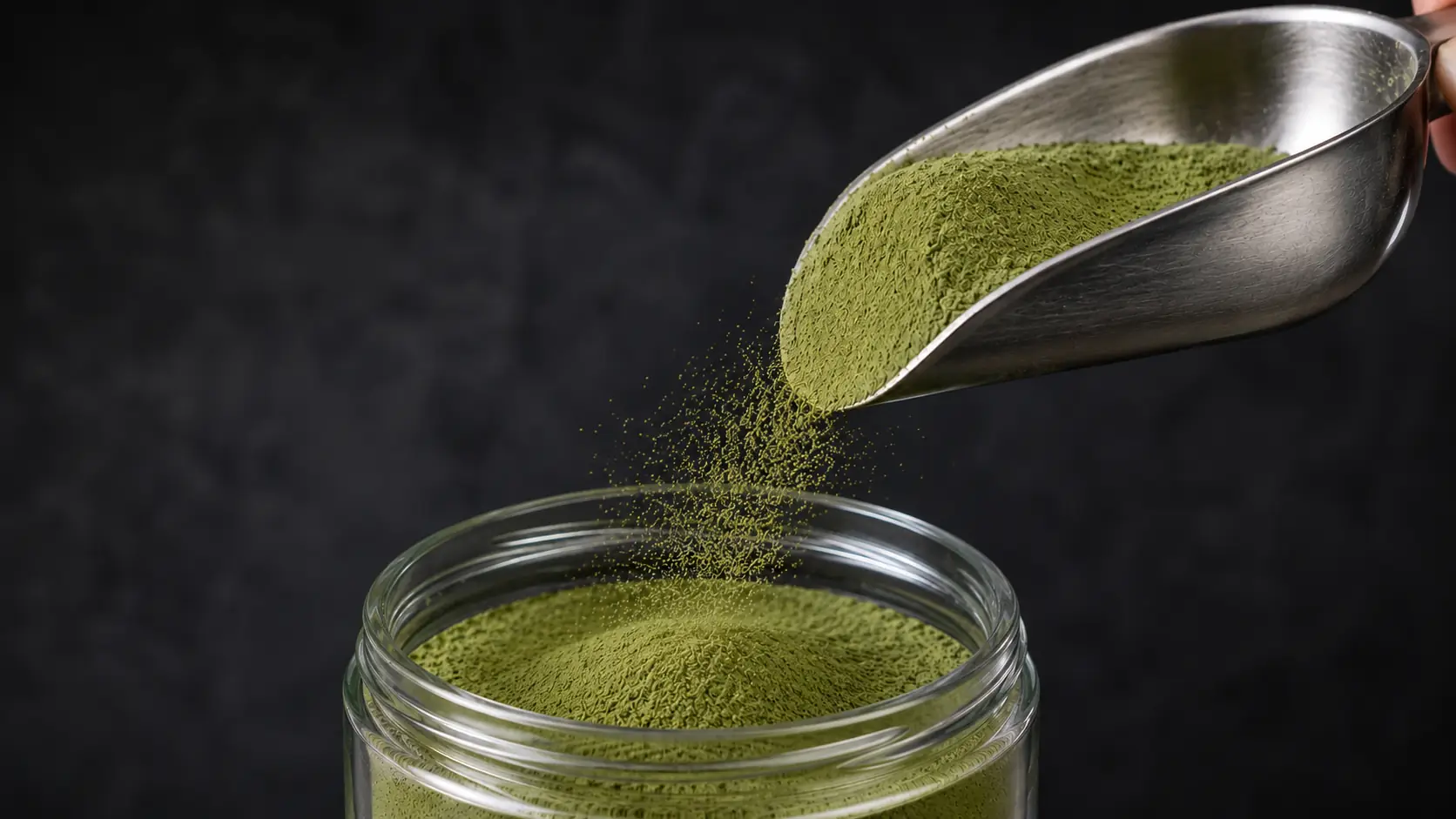
Kratom powder, on the other hand, offers a versatile and potent option. It can be consumed directly through the toss-and-wash method or mixed with beverages, providing users with control over dosage. The powdered form also allows for slower digestion and absorption, which can result in prolonged effects, making it suitable for sustained energy or long-term pain relief.
Capsules provide a convenient and precise dosing method, ideal for users who prioritize ease of use and discretion. Since the alkaloids are encapsulated, the onset of effects may be slightly delayed compared to powders or teas, but this method minimizes the bitter taste of kratom. Extracts, often sold as concentrated liquids or resins, deliver high-potency doses in smaller volumes. These are well-suited for experienced users seeking more intense effects or for those managing severe symptoms.
Ultimately, the choice of kratom form should align with the user’s lifestyle and desired outcomes. Understanding these differences helps users select the most effective form for their specific needs, whether it’s rapid relief, sustained energy, or precise dosing.

How Kratom Interacts with the Human Body
Effects on the Nervous System and Brain
Kratom profoundly affects the nervous system, primarily due to its active compounds, mitragynine and 7-hydroxymitragynine. These alkaloids bind to specific opioid receptors in the brain, such as the mu, delta, and kappa receptors, influencing pain perception, mood, and energy levels. For pain relief, kratom mimics the action of traditional opioids by reducing the brain’s ability to register pain signals, offering significant comfort to individuals dealing with chronic pain. Additionally, kratom stimulates the release of dopamine and serotonin—neurotransmitters that play a pivotal role in regulating emotions—to create a sense of happiness and well-being.
In smaller doses, kratom activates adrenergic receptors, which can enhance mental clarity and focus, making it a popular choice for individuals seeking a productivity boost. However, at higher doses, its sedative effects become apparent due to increased activity at kappa-opioid receptors. This makes kratom useful for calming the mind, reducing stress, and promoting restful sleep. The brain and spinal cord are central to these effects, as they manage both sensory processing and the transmission of pain signals.
Effects on the Digestive System
Kratom’s impact on the digestive system is multifaceted. It slows intestinal motility, which can alleviate symptoms of diarrhea by allowing more time for water absorption in the intestines. This property has made it a helpful remedy in traditional medicine for managing gastrointestinal disorders. On the flip side, kratom’s influence on the hypothalamus—the brain region controlling hunger—can suppress appetite, which may benefit those seeking to manage their caloric intake.
One common side effect of kratom use is nausea, particularly at high doses. This is linked to its activation of serotonin receptors in the brain’s vomiting center. Despite this, the stomach and small intestine efficiently process kratom alkaloids for absorption into the bloodstream. The liver also plays a vital role by metabolizing these compounds, ensuring their effectiveness while minimizing potential toxicity. For some users, kratom’s effects on digestion can be a balancing act between therapeutic benefits and mild discomfort.
Effects on the Cardiovascular System
Kratom exerts varying effects on the cardiovascular system, depending on the dosage consumed. At low doses, it may stimulate the heart, leading to a slight increase in heart rate and improved circulation. This enhanced blood flow can contribute to a noticeable energy boost, particularly during physical activity or demanding tasks. In contrast, higher doses tend to relax the smooth muscles lining the blood vessels, causing vasodilation and a subsequent drop in blood pressure. This effect can benefit individuals dealing with stress, although responses may vary.
The heart, as the central organ of the cardiovascular system, is directly influenced by kratom’s stimulating or calming properties. Blood vessels also play a crucial role, as their dilation or constriction determines overall blood pressure and circulation. While these effects are generally mild, users should monitor their cardiovascular health, especially if they have pre-existing conditions.
Effects on the Musculoskeletal System
Although kratom’s direct impact on the musculoskeletal system is limited, its ability to modulate pain and reduce inflammation indirectly supports muscle and joint health. By interacting with the central nervous system as well, kratom reduces the intensity of pain signals, offering relief from muscle soreness and tension. This makes it particularly useful for individuals recovering from strenuous physical activities or dealing with chronic musculoskeletal conditions.
At higher doses, kratom induces muscle relaxation, which can alleviate stiffness and promote overall comfort. Additionally, its mild anti-inflammatory properties may aid in reducing swelling and discomfort in tendons and ligaments. Users seeking to enhance physical performance often turn to kratom for its stamina-boosting effects, as it helps combat fatigue while maintaining focus and motivation. These benefits make kratom a valuable tool for both athletes and those with physically demanding lifestyles.

Practical Tips for a Better Kratom Experience
Start with Low Doses
Starting with a low dose of kratom is essential for new users to understand how their body reacts to the substance. Individual tolerances and sensitivities can vary widely, and beginning with a small amount minimizes the risk of adverse effects, such as nausea or dizziness. This approach allows users to gradually adjust their dosage based on specific needs and reactions, ensuring a safer and more enjoyable experience.
Choose the Right Strain
Choosing the appropriate kratom strain can significantly influence the overall experience. White vein kratom powder is often selected for its energizing and focus-enhancing properties, making it ideal for daytime use or demanding tasks. In contrast, red vein kratom is renowned for its calming and pain-relieving effects, often used for relaxation or managing chronic discomfort. Green vein kratom provides a balanced effect, combining mild stimulation with moderate relaxation, making it suitable for those seeking versatility. Understanding the unique properties of each strain helps users align their choice with desired outcomes.
Time Your Doses Wisely
The timing of kratom doses is another critical factor in optimizing its benefits. Stimulating strains, such as white vein, are best consumed in the morning or early afternoon to support productivity and sustained energy throughout the day. Sedative strains like red vein are more appropriate in the evening, aiding in relaxation and promoting restful sleep. Proper timing ensures that the effects align with the user’s daily routine and objectives, enhancing both efficacy and convenience.
Avoid Mixing with Other Substances
Avoiding the combination of kratom with other substances, including alcohol or certain medications, is essential for safety. Such combinations can amplify side effects or lead to unintended interactions, which may compromise the user’s well-being. Consulting a healthcare professional before combining kratom with any other substance is highly recommended to ensure compatibility and reduce health risks.
Stay Hydrated
Hydration is crucial when using kratom, as it can have a mild dehydrating effect. Ensuring adequate water intake helps prevent common side effects such as dry mouth or headaches. Users should be mindful of their hydration levels, especially if consuming kratom regularly. Drinking water before and after kratom use can help maintain a healthy balance and prevent unnecessary discomfort.
Incorporate Regular Breaks
Incorporating regular breaks from kratom use can prevent the development of tolerance and dependence. Taking periodic breaks allows the body to reset, maintaining the substance’s effectiveness and reducing the risk of habitual use. This practice promotes a more sustainable and mindful approach to kratom consumption, ensuring long-term benefits without over-reliance.
Store Kratom Properly
Proper storage of kratom is vital to preserve its potency and quality. Kratom should be kept in a cool, dry place, away from direct sunlight and moisture, which can degrade its active compounds. Using airtight containers further ensures the longevity of the product, providing users with consistent and reliable effects over time. Investing in proper storage solutions not only enhances the experience but also extends the product’s shelf life.
Exercise Regularly
Incorporating regular physical activity into your routine can amplify the benefits of kratom, especially when used for managing pain or boosting energy levels. Exercise promotes the release of endorphins, which work synergistically with kratom’s effects to improve mood and overall well-being. Engaging in consistent physical activity also enhances circulation, helping the body metabolize kratom more effectively, leading to a more balanced and sustained impact. Whether it’s light yoga, a brisk walk, or strength training, pairing kratom with regular exercise supports both mental and physical health, creating a comprehensive approach to wellness.
FAQ
Q: What is kratom, and where does it come from?
A: Kratom is a tropical tree native to Southeast Asia, particularly in countries like Thailand, Indonesia, and Malaysia. Its leaves contain active compounds such as mitragynine and 7-hydroxymitragynine, which are known for their therapeutic and psychoactive effects.
Q: How does kratom interact with the human body?
A: Kratom interacts with various systems in the body, including the nervous, digestive, cardiovascular, and musculoskeletal systems. Its active compounds bind to opioid receptors in the brain, influencing pain perception, mood, and energy levels. It can also affect digestion, blood circulation, and muscle relaxation.
Q: What are the different forms of kratom, and how do they affect the body?
A: Kratom is available in several forms, including powders, capsules, teas, and extracts. Each form varies in absorption and potency. For example, kratom tea provides quick effects due to its liquid form, while capsules offer precise dosing but slower onset. Extracts are highly potent and best suited for experienced users.
Q: What are the main differences between kratom strains?
A: Kratom strains are categorized by vein colour—white, red, green, and yellow. White vein strains are energizing, red vein strains are calming and pain-relieving, green vein strains provide balanced effects, and yellow strains offer a mild mix of stimulation and relaxation.
Q: Is kratom safe to mix with other substances?
A: No, mixing kratom with alcohol, medications, or other substances can lead to adverse effects or dangerous interactions. It is best to consult a healthcare professional before combining kratom with any other substance.
Q: How can I store kratom to maintain its potency?
A: To preserve kratom’s quality, store it in a cool, dry place away from sunlight and moisture. Airtight containers are ideal for keeping kratom fresh and potent over time.
Q: What are the potential side effects of using kratom?
A: Common side effects include nausea, dry mouth, dizziness, and constipation, particularly at higher doses. Staying hydrated, using appropriate doses, and taking breaks can help minimize these effects.
Q: How can I determine the right kratom dosage for me?
A: Start with a low dose and gradually increase it based on your body’s response. Factors like strain type, individual tolerance, and desired effects influence the optimal dosage. Consulting a healthcare professional can provide personalized guidance.

Conclusion
Kratom is a complex and versatile plant that has captured global attention for its multifaceted effects on the human body. By interacting with key systems, such as the nervous, digestive, cardiovascular, and musculoskeletal systems, kratom demonstrates its potential to alleviate pain, enhance energy, and promote relaxation. Each form of kratom, including powder, tea, capsules, and extracts, offers unique advantages, giving users various options to customize their experience based on their individual needs and preferences.
Understanding the nuances of different kratom strains and their interactions with the body ensures that users can make safe and informed choices. Additionally, practical tips, such as proper dosing, hydration, and storage, are essential for maximizing the benefits of kratom while minimizing potential risks. For those seeking to incorporate kratom into their lifestyle, it is crucial to remain mindful of its effects, take regular breaks, and consult with healthcare professionals as needed.
As scientific research continues to uncover more about kratom’s pharmacology, users and advocates alike can look forward to a deeper understanding of its potential. With responsible use and awareness, kratom can be a valuable addition to holistic wellness practices, offering a natural way to support physical and mental well-being.