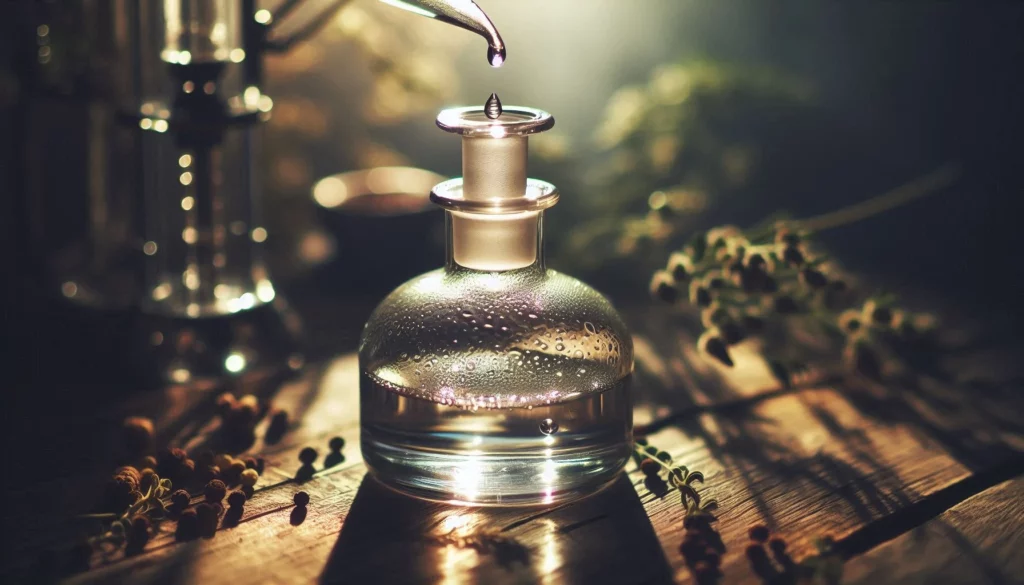
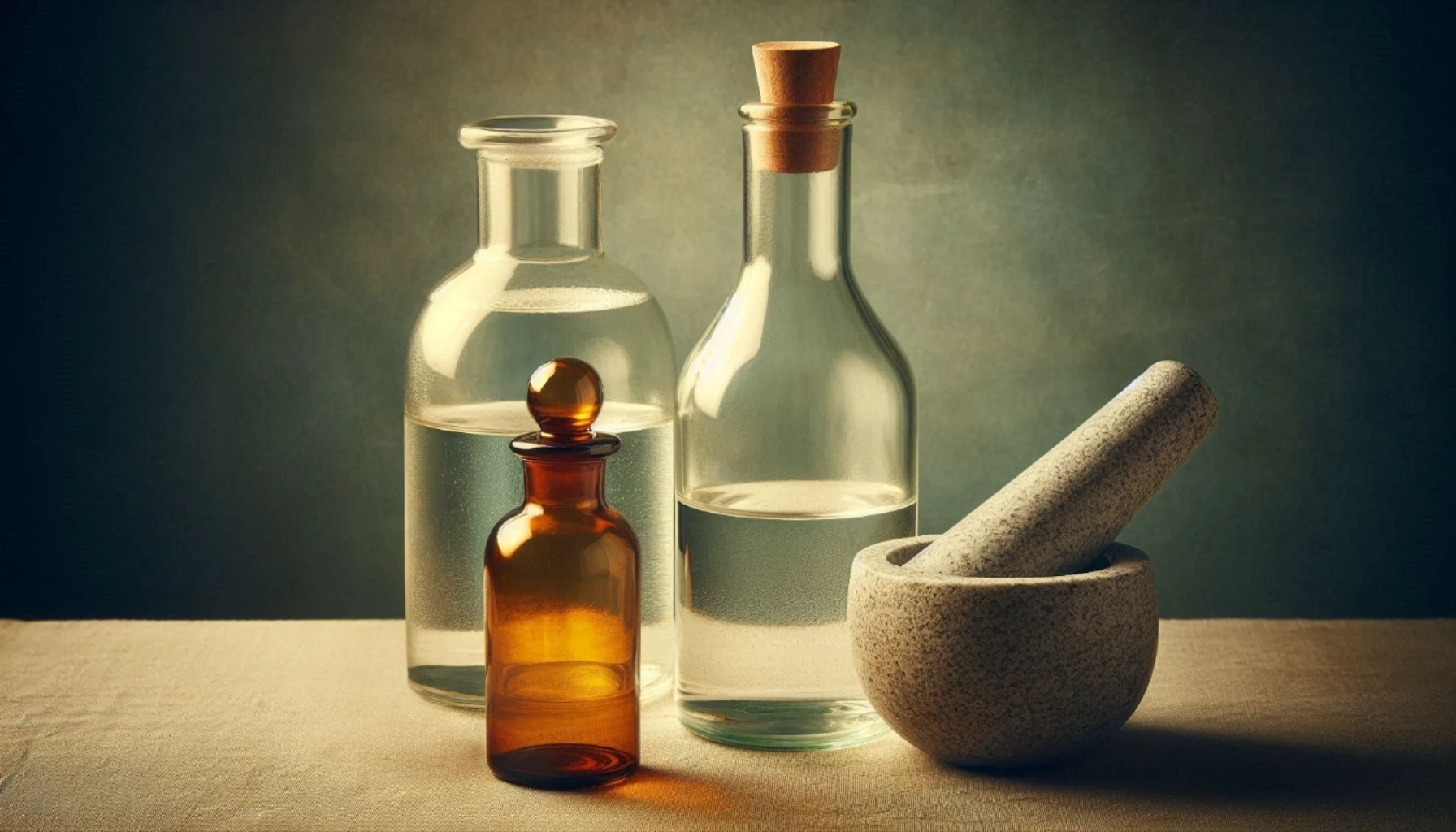
Spagyrics is an ancient practice rooted in alchemy, offers a unique approach to working with plants to create potent herbal preparations. This fascinating tradition combines the wisdom of herbalism with the transformative principles of alchemy, aiming to capture not only the physical essence of a plant but also its subtle, energetic qualities.
For those curious about plant medicine or seeking a deeper connection to nature’s healing potential, spagyrics provides a rich framework that bridges the material and spiritual worlds. This blog will guide you through the history, philosophy, methods, and applications of spagyrics, offering a clear and comprehensive introduction to this captivating art.
The Origins of Spagyrics
The term “spagyrics” comes from the Greek words spao (to separate) and ageiro (to combine), reflecting the core process of this alchemical practice: breaking down a plant into its essential components and recombining them in a refined form. Spagyrics traces its roots to ancient alchemical traditions, particularly those developed in Egypt, Greece, and later in medieval Europe. Alchemists like Paracelsus, a 16th-century Swiss physician and philosopher, played a pivotal role in shaping spagyrics as a distinct discipline.
Paracelsus believed that plants held a divine essence, a spark of life that could be harnessed to promote healing. Unlike traditional herbalism, which often focuses on the physical properties of plants, spagyrics seeks to elevate these properties through alchemical processes. This approach aligns with the broader goals of alchemy, which aimed to transform not only substances but also the practitioner’s understanding of the universe.
In medieval Europe, alchemists viewed spagyrics as a way to work with the “three philosophical principles” of plants: sulfur, mercury, and salt. These principles were not literal substances but symbolic representations of a plant’s soul, spirit, and body. By isolating and purifying these components, alchemists believed they could create remedies that were more potent and balanced than crude herbal extracts.
The Philosophy Behind Spagyrics
At its heart, spagyrics is both a science and a spiritual practice. It operates on the principle that everything in nature is interconnected, and plants, as living beings, possess a unique intelligence. Alchemists saw their work as a collaboration with nature, guided by the belief that the universe operates according to harmonious laws. Spagyrics reflects this worldview by treating plants as holistic entities, each with physical, energetic, and spiritual qualities.
The alchemical process of spagyrics is deeply symbolic. The act of separating a plant into its components mirrors the journey of self-discovery, where one breaks down their own complexities to uncover their true essence. Similarly, the recombination of these components represents a return to wholeness, creating a preparation that is greater than the sum of its parts. This philosophy resonates with those who seek a deeper connection to the natural world and a more intentional approach to healing.
Spagyrics also emphasizes the concept of “like cures like.” Alchemists believed that plants, when properly prepared, could address imbalances in the body, mind, and spirit. By aligning the preparation process with natural cycles, such as planetary influences or lunar phases, spagyrists aim to enhance the potency of their remedies. This holistic perspective sets spagyrics apart from conventional herbalism, offering a multidimensional approach to plant medicine.
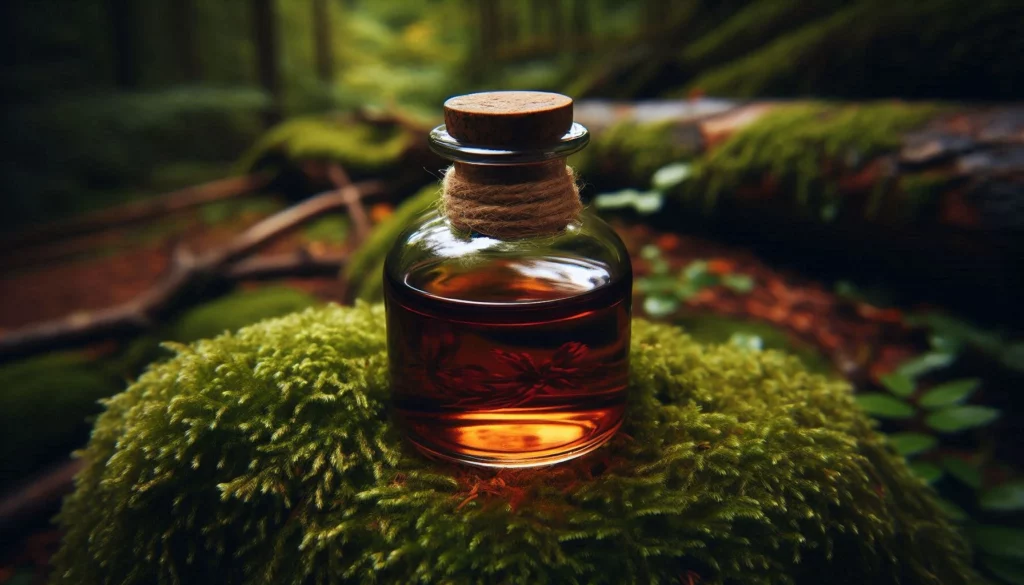
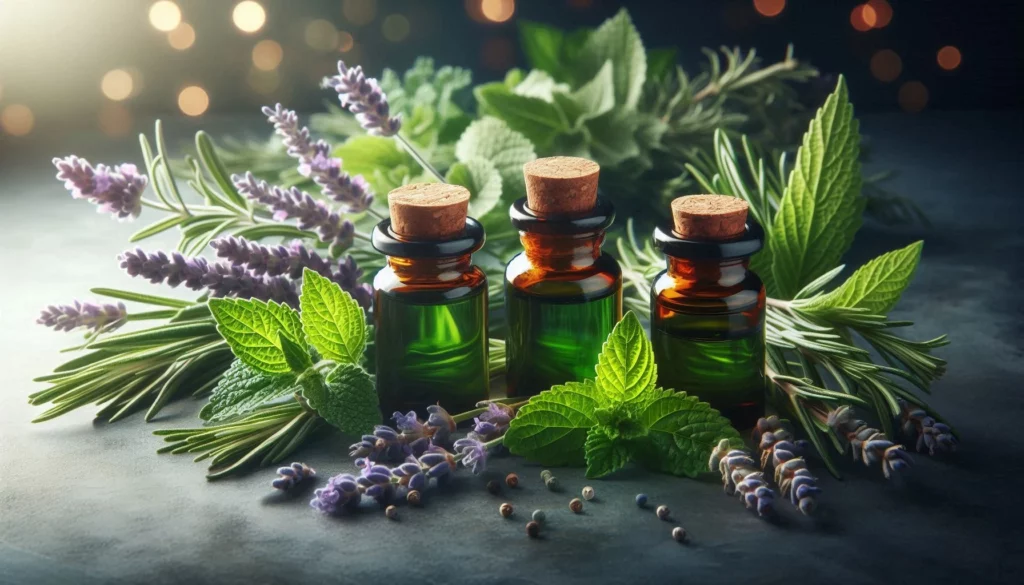
The Three Philosophical Principles
Central to spagyrics is the concept of the three philosophical principles: sulfur, mercury, and salt. These principles serve as a framework for understanding a plant’s composition and guide the alchemical process.
Sulfur represents the soul or consciousness of the plant. It is associated with the essential oils, which carry the plant’s aroma and volatile compounds. These oils are thought to embody the plant’s unique character and energetic signature. In the spagyric process, sulfur is extracted through distillation or other methods to capture the plant’s aromatic essence.
Mercury represents the spirit or life force of the plant. This principle is linked to the alcohol or water-soluble components, which are often extracted through fermentation or maceration. Mercury is seen as the dynamic, flowing aspect of the plant, connecting its physical and spiritual qualities. Salt represents the body or physical structure of the plant. This principle is derived from the mineral content, which remains after the plant material is burned and reduced to ash. The ash is then purified and reintegrated into the final preparation, grounding the remedy in the material world.
By working with these three principles, spagyrists aim to create a balanced preparation that addresses the whole person: body, mind, and spirit. This holistic approach distinguishes spagyrics from other forms of herbalism, which may focus solely on the physical components of a plant.
The Spagyric Process
Creating a spagyric preparation is a meticulous and time-intensive process that requires both technical skill and reverence for nature. While the specifics may vary depending on the plant or the practitioner’s tradition, the process generally follows three key stages: separation, purification, and recombination.
Separation
The first stage involves breaking down the plant into its three philosophical principles. The process begins with harvesting the plant at an optimal time, often aligned with astrological or seasonal cycles to maximize its potency. The plant material is then processed to isolate its components. To extract the sulfur (essential oils), the plant may be subjected to steam distillation or solvent extraction. This yields a concentrated oil that captures the plant’s aromatic and therapeutic properties.
The mercury (spirit) is typically extracted through fermentation or maceration in alcohol or water. This process draws out the plant’s soluble compounds, creating a tincture-like liquid that embodies its life force. The salt (body) is obtained by burning the remaining plant material to ash. This ash is then calcined, a process of heating at high temperatures, to purify the mineral content. The resulting white or gray ash represents the plant’s physical essence.
Purification
Once the three principles are separated, each is purified to remove impurities and enhance its potency. The essential oils are filtered or redistilled to ensure clarity and concentration. The alcohol or water extract is often strained and clarified to remove any sediment. The ash is repeatedly calcined and dissolved in water to produce a pure, crystalline salt.
This purification stage is both practical and symbolic. By refining each component, the spagyrist removes anything that might dilute the plant’s healing potential. At the same time, this process mirrors the alchemical goal of purifying the self, stripping away distractions to reveal one’s true nature.
Recombination
The final stage of spagyrics is the recombination of the purified components. The essential oils, alcohol extract, and mineral salts are carefully blended to create a unified preparation. This step is what sets spagyrics apart from other herbal practices, as it seeks to restore the plant to a state of balance and wholeness.
The resulting spagyric tincture or elixir is believed to be more potent than a standard herbal extract because it contains the full spectrum of the plant’s properties. By reintegrating the salt, which is often discarded in conventional herbalism, spagyrics ensures that the preparation is grounded in the plant’s physical essence, enhancing its stability and effectiveness.
Applications of Spagyrics
Spagyric preparations are used in a variety of contexts, from physical healing to spiritual growth. Because they are designed to work on multiple levels (body, mind, and spirit), spagyrics can be tailored to address a wide range of needs.
In herbal medicine, spagyric tinctures are often used to support overall wellness. Practitioners may choose specific plants based on their traditional uses, such as chamomile for relaxation or nettle for vitality. The alchemical process is believed to enhance the plant’s therapeutic properties, making spagyric remedies particularly effective for addressing imbalances.
Beyond physical health, spagyrics is often used in spiritual and energetic practices. Alchemists believed that spagyric preparations could help align the practitioner with the natural rhythms of the universe. Some modern practitioners use spagyric elixirs in meditation, ritual, or energy work, viewing them as tools for personal transformation.
Spagyrics also appeals to those interested in holistic wellness. By combining the physical benefits of herbalism with the energetic and philosophical principles of alchemy, spagyrics offers a comprehensive approach to health. This makes it particularly appealing to those who seek a deeper connection to nature and a more intentional relationship with plant medicine.
The Role of Astrology and Timing
One of the most intriguing aspects of spagyrics is its emphasis on timing and celestial influences. Alchemists believed that the potency of a plant was influenced by the cycles of the moon, the positions of the planets, and the seasons. As a result, spagyrists often harvest and process plants at specific times to align with these natural rhythms.
For example, a plant associated with the planet Venus, such as rose, might be harvested during a Venusian hour or when the planet is prominent in the sky. Similarly, lunar phases may guide the timing of certain processes, with the waxing moon associated with growth and the waning moon linked to purification. While this astrological approach may seem esoteric, it reflects the alchemical belief in the interconnectedness of all things. By aligning their work with cosmic cycles, spagyrists aim to create preparations that resonate with the larger patterns of the universe.

Modern Spagyrics
In recent years, spagyrics has experienced a revival as interest in herbalism, alchemy, and holistic wellness continues to grow. Modern spagyrists combine traditional methods with contemporary tools, adapting the practice to suit today’s needs. Advances in distillation and extraction technology have made it easier to produce high-quality spagyric preparations, while a renewed appreciation for plant medicine has brought spagyrics to a wider audience.
Today, spagyric tinctures and elixirs are available from a variety of practitioners, ranging from small-scale artisans to larger producers. These preparations are often marketed as premium herbal remedies, valued for their potency and holistic approach. However, the complexity of the spagyric process means that quality can vary, and those interested in exploring spagyrics should seek out reputable sources.
Modern spagyrics also reflects a growing interest in sustainability and ethical sourcing. Many practitioners prioritize working with organically grown or wildcrafted plants, ensuring that their preparations are both environmentally responsible and energetically pure. This aligns with the alchemical principle of harmony with nature, making spagyrics a natural fit for those committed to ecological and spiritual awareness.
Challenges and Considerations
While spagyrics offers a powerful approach to plant medicine, it is not without its challenges. The process is labour-intensive and requires a deep understanding of both herbalism and alchemy. For beginners, the terminology and concepts can feel daunting, and the equipment needed for distillation and calcination may be costly or difficult to access.
Additionally, spagyrics is a highly individualized practice, and what works for one person may not resonate with another. Those interested in exploring spagyrics should approach it with an open mind and a willingness to experiment. Working with a knowledgeable practitioner or mentor can also help navigate the complexities of the process.
Finally, it’s worth noting that spagyrics is not a replacement for conventional medical care. While spagyric preparations can support overall wellness, they should be used thoughtfully and in conjunction with professional guidance when addressing serious health concerns.
The Future of Spagyrics
As interest in holistic wellness and plant medicine continues to grow, spagyrics is poised to play a significant role in the evolving landscape of herbalism. Its emphasis on balance, transformation, and connection to nature resonates with those seeking a deeper, more meaningful relationship with the natural world.
The revival of spagyrics also reflects a broader cultural shift toward integrating ancient wisdom with modern knowledge. By combining the insights of alchemy with the tools of contemporary herbalism, spagyrists are creating remedies that recognize the past while embracing the future. This dynamic interplay of tradition and innovation makes spagyrics a compelling practice for anyone interested in the art and science of healing.

Frequently Asked Questions About Spagyrics
Q: What makes spagyrics different from regular herbal tinctures?
A: Spagyrics differs from regular herbal tinctures by incorporating the alchemical principles of separation, purification, and recombination. While standard tinctures typically extract a plant’s soluble compounds using alcohol or water, spagyrics goes further by isolating the plant’s essential oils (sulfur), alcohol-soluble components (mercury), and mineral salts (salt), then recombining them.
Q: Can anyone practice spagyrics, or does it require special training?
A: Anyone with an interest in spagyrics can begin learning, but the practice requires dedication and study. Basic spagyric processes, like making a simple tincture, are accessible to beginners with proper guidance. However, advanced techniques, such as distillation and calcination, demand technical skill and an understanding of alchemical principles. Studying with a mentor or through reputable resources can help newcomers navigate the learning curve.
Q: Are spagyric preparations safe to use?
A: Spagyric preparations are generally considered safe when made with high-quality, non-toxic plants and proper techniques. However, as with any herbal remedy, safety depends on the specific plant used and the individual’s health needs. It’s wise to consult a healthcare professional before using spagyric remedies, especially for those with medical conditions or who are pregnant or nursing.
Q: How do I choose the right plant for a spagyric preparation?
A: Choosing a plant for spagyric preparation depends on your intention, whether it’s physical wellness, emotional balance, or spiritual growth. Research the traditional uses of plants, such as lavender for calming effects or rosemary for mental clarity. Consider working with plants that resonate with you personally or align with specific planetary influences, as some spagyrists do. Starting with well-documented, safe herbs is ideal for beginners.
Q: Is spagyrics connected to astrology, and do I need to follow astrological timing?
A: Spagyrics has historical ties to astrology, as alchemists believed celestial influences enhanced a plant’s potency. Many spagyrists time their harvesting and processing with lunar phases or planetary alignments, such as collecting Venus-ruled plants during Venusian hours. While this adds depth to the practice, it’s not mandatory.
Conclusion
For those curious about spagyrics, the journey begins with curiosity and respect for the natural world. Start by learning about the plants that resonate with you, whether through their traditional uses or their energetic qualities. Books on alchemy, herbalism, and spagyrics can provide valuable insights, as can workshops or courses offered by experienced practitioners.
If you’re interested in creating your own spagyric preparations, begin with simple projects, such as making a basic tincture or experimenting with essential oil distillation. Over time, you can deepen your practice by exploring the philosophical and astrological aspects of spagyrics, allowing the process to unfold as both a practical and spiritual journey.
Ultimately, spagyrics is about more than just creating potent herbal remedies. It’s about cultivating a relationship with the plants, the elements, and the cycles of the universe. By approaching spagyrics with reverence and intention, you can unlock the transformative potential of this ancient art, discovering new ways to connect with the healing power of nature.
Disclaimer
Spagyric preparations, while rooted in traditional alchemical and herbal practices, are not a substitute for professional medical advice, diagnosis, or treatment. The information provided about spagyrics is intended for educational and informational purposes only and should not be used to diagnose, treat, cure, or prevent any medical condition without the guidance of a qualified healthcare professional. Individuals with pre-existing medical conditions, allergies, or those who are pregnant, nursing, or taking medications should consult a physician before using spagyric remedies or any herbal preparations.
The safety and efficacy of spagyric products depend on the quality of the plants used, proper preparation techniques, and individual health considerations. Always source spagyric preparations from reputable practitioners to ensure quality and safety. The practice of spagyrics involves complex processes, such as distillation and calcination, which may require specialized equipment and knowledge to perform safely.
Neither the author nor the publisher assumes responsibility for any adverse effects resulting from the use or misuse of spagyric preparations. Users are encouraged to approach spagyrics with caution, respect, and informed judgment, seeking professional guidance as needed to ensure safe and responsible use.