Sacred Reciprocity: Honouring the Healing Power of Plants
Faust
Plants have been humanity’s allies for millennia, offering medicine, nourishment, and spiritual guidance. From the towering cedar to the humble kratom leaf, they sustain us in ways that go beyond the physical. Yet, in a world where extraction often overshadows gratitude, the principle of sacred reciprocity calls us to rethink our relationship with the natural world. Sacred reciprocity is about giving back to the plants that heal us, creating a bond or relationship of mutual respect and balance.
It’s a philosophy rooted in indigenous wisdom, particularly the Andean concept of ayni, which emphasizes an equitable exchange between humans, nature, and the cosmos. This blog post explores the meaning of sacred reciprocity, its cultural origins, practical ways to embody it, and its profound impact on personal and planetary well-being.
What Is Sacred Reciprocity?
At its core, sacred reciprocity is a way of living in harmony with the natural world. It recognizes that everything, plants, animals, rivers, and mountains, has a spirit and a role in the interconnected web of life. Unlike transactional exchanges, where giving is tied to immediate returns, sacred reciprocity is about supporting a cyclical, heartfelt relationship. It’s the understanding that when we receive from nature, we have a responsibility to give back, not out of obligation but from a place of gratitude and reverence.
The term ayni, from the Quechua language of the Andes, encapsulates this idea. It translates to “today for you, tomorrow for me,” but its meaning runs deeper. Ayni is not about keeping score; it’s a lifestyle of mutual care, where giving and receiving flow like breath, inhaling oxygen from plants and exhaling carbon dioxide to nourish them. This balance is sacred because it aligns us with the rhythms of the earth, creating a sense of belonging and purpose. Indigenous cultures, from the Q’eros of Peru to the Potawatomi of North America, have long practiced this principle, viewing it as essential for spiritual and ecological health.
Sacred reciprocity challenges the modern tendency to take without giving. Industrial agriculture, deforestation, and overharvesting of medicinal plants often disrupt this balance, leading to ecological degradation and cultural loss. By embracing sacred reciprocity, we acknowledge that plants are not mere resources but partners in a shared journey of healing and growth.
The Cultural Roots of Sacred Reciprocity
To understand sacred reciprocity, we must look to the indigenous traditions that have preserved it for generations. The Q’eros people of the Andes, for instance, view ayni as a spiritual cornerstone. They believe that taking more from nature than we give creates disharmony, which can manifest as illness or misfortune. Their rituals, such as despachos, prayer bundles filled with offerings like flowers, seeds, and herbs, are acts of gratitude to Pachamama, or Mother Earth. These bundles are buried, burned, or offered to water, symbolizing a return of energy to the earth.
Similarly, the Potawatomi Nation, as articulated by botanist Robin Wall Kimmerer, emphasizes reciprocity as a way of honouring the gifts of the earth. Kimmerer describes how traditional practices, like leaving the first fruits of a harvest as an offering, ensure that the land continues to thrive. This mindset extends beyond plants to all beings, developing a worldview where humans are caretakers, not conquerors, of nature.
In Amazonian traditions, shamans work with sacred plants like ayahuasca, viewing them as teachers with spirits of their own. These plants are not consumed casually but approached with respect, often through ceremonies that include offerings and prayers. The act of giving back, whether through tending the land or supporting indigenous communities, ensures that the knowledge and medicine of these plants endure. These cultural practices remind us that sacred reciprocity is not a new concept but a timeless one. It’s a call to remember our place within the web of life, where every act of taking is balanced by an act of giving.
Handcrafted altar featuring natural elements and a gratitude message.
Why Sacred Reciprocity Matters
In today’s world, the need for sacred reciprocity is urgent. The overharvesting of medicinal plants like peyote threatens their survival and the cultural practices tied to them. For example, peyote, a cactus, faces depletion due to unsustainable harvesting practices driven by global demand. Similarly, the commercialization of plant medicines like ayahuasca has sometimes led to exploitation, with little regard for the indigenous communities who have stewarded these traditions.
Sacred reciprocity offers a path to restore balance. It encourages us to move beyond a consumerist mindset, where plants are seen as commodities, to one of partnership. When we give back to the plants that heal us, we support biodiversity, preserve cultural wisdom, and cultivate a deeper connection to the earth. This connection has profound benefits, from reducing stress to promoting a sense of purpose and belonging.
Moreover, sacred reciprocity aligns with the principles of ecological sustainability. By giving back, whether through planting native species, supporting conservation efforts, or honouring indigenous knowledge, we contribute to the health of ecosystems. This, in turn, ensures that future generations can benefit from the healing gifts of plants.
Practical Ways to Practice Sacred Reciprocity
Embodying sacred reciprocity doesn’t require grand gestures; it begins with small, intentional acts that ripple outward. Here are some meaningful ways to give back to the plants that heal us.
Cultivate a Relationship with Plants
Start by building a personal connection with the plants around you. Spend time in nature, observing the growth patterns, colours, and scents of local flora. If you use medicinal plants like kratom or chamomile, learn about their origins and needs. For instance, planting a small herb garden with species like basil or lavender can be a way to engage directly with the plant world. As you tend to these plants, offer gratitude through words or simple rituals, like placing a stone at the base of a tree as a token of thanks.
Make Offerings to the Earth
Offerings are a tangible way to express gratitude. In Andean traditions, a despacho might include biodegradable items like flowers, grains, or leaves, infused with prayers and given to the earth, fire, or water. You can create your own offering by gathering natural materials, perhaps a leaf from a plant you’ve used, and returning them to the soil with intention. This act acknowledges the plant’s gift and reinforces the cycle of giving and receiving.
Support Indigenous Communities
Many medicinal plants are tied to indigenous knowledge, yet the communities who have preserved this wisdom often face marginalization. Supporting organizations that work directly with indigenous groups, such as the Amazon Conservation Team, ensures that your engagement with plant medicine respects its cultural roots. This might involve donating to initiatives that protect sacred lands or amplifying indigenous voices through advocacy.
Practice Sustainable Harvesting
If you wildcraft or use plant medicines, ensure your practices are sustainable. Harvest only what you need, and follow guidelines like those from United Plant Savers to avoid depleting at-risk species. For example, if you forage for herbs like nettle, take only a portion of the plant and leave the roots intact to allow regrowth. Consider planting native species in your garden to support local ecosystems and reduce pressure on wild populations.
Create a Sacred Space
Building a shrine or altar dedicated to nature is a powerful way to honour plants. This could be a small indoor space with stones, feathers, or a potted plant, or an outdoor area where you meditate and reflect. Use this space to set intentions for your relationship with the natural world, reinforcing your commitment to reciprocity.
Educate and Advocate
Share what you learn about sacred reciprocity with others. Host a community garden day, teach children about native plants, or advocate for policies that protect biodiversity. By spreading awareness, you amplify the impact of your actions, encouraging others to join in the cycle of giving and receiving.
The Spiritual Dimension of Sacred Reciprocity
Beyond its ecological and cultural significance, sacred reciprocity has a deep spiritual resonance. When we give back to plants, we open ourselves to their wisdom. Indigenous traditions often describe plants as teachers, guiding us toward healing and self-discovery. By approaching them with reverence, we create space for transformation, not just of the body but of the spirit.
For example, in shamanic traditions, plants like ayahuasca or psilocybin mushrooms are seen as allies that reveal insights about our place in the cosmos. Engaging with these plants through ceremony, with offerings and gratitude, deepens the experience, furthering a sense of unity with all life. Even non-psychedelic plants, like sage or cedar, carry spiritual energy when used with intention, cleansing spaces and grounding our energy.
This spiritual connection reminds us that sacred reciprocity is not just about physical acts but about cultivating an inner posture of humility and gratitude. It’s about recognizing that we are not separate from nature but part of it, woven into the same tapestry of life.
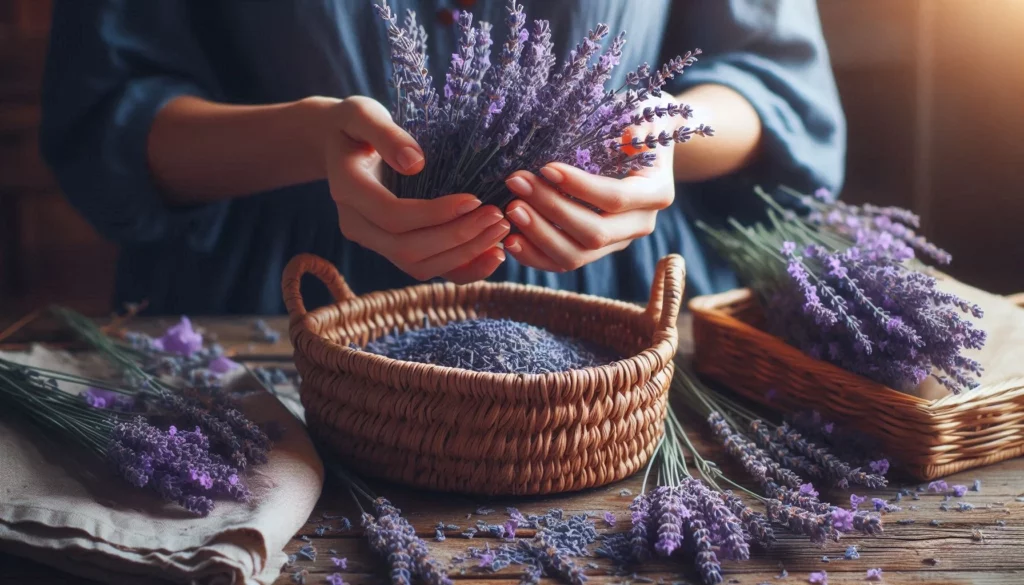
Hands cradling fresh lavender sprigs above a basket of already picked lavender.
Challenges in Practicing Sacred Reciprocity
While the concept of sacred reciprocity is simple, putting it into practice can be challenging in a world shaped by consumerism and disconnection. One obstacle is the lack of access to nature in urban environments, which can make it harder to build a direct relationship with plants. Another is the commodification of plant medicines, which often prioritizes profit over respect for cultural and ecological contexts.
Colonialism has also left a complex legacy. The historical suppression of indigenous practices, such as the witch burnings in Europe or the marginalization of Native American traditions, has severed many people from their ancestral knowledge of plants. Reclaiming sacred reciprocity requires confronting these histories and working to decolonize our approach to plant medicine, which means centering indigenous voices and practices.
Time and resources can also be barriers. Tending a garden, supporting conservation efforts, or learning about local plants requires effort and intention. Yet, even small actions, like saying a quiet thank you to a tree or choosing sustainably sourced herbs, can shift our mindset toward reciprocity.
The Ripple Effects of Sacred Reciprocity
When we practice sacred reciprocity, the benefits extend far beyond ourselves. On a personal level, it strengthens a sense of connection and purpose, grounding us in a world that can feel chaotic. Studies in psychology suggest that spending time in nature and practicing gratitude can reduce stress and improve mental health, aligning with the principles of reciprocity. By giving back, we also contribute to the health of ecosystems, supporting pollinators, soil vitality, and biodiversity.
On a community level, sacred reciprocity builds bridges. When we support indigenous-led initiatives or share knowledge about sustainable practices, we strengthen relationships between cultures and generations. This collective effort can lead to broader systemic change, such as policies that protect endangered plants or restore degraded lands.
Globally, sacred reciprocity offers a framework for addressing environmental crises. Climate change, deforestation, and species loss are symptoms of a world out of balance. By adopting a mindset of giving back, we align our actions with the earth’s rhythms, contributing to a more resilient and harmonious planet.
Stories of Sacred Reciprocity in Action
To bring this concept to life, consider the story of a community garden in a small town. Residents came together to transform a vacant lot into a space for growing medicinal herbs like echinacea and lemon balm. They offered the first harvest to the land, burying it with prayers of thanks, and shared seeds with neighboring communities. Over time, the garden became a hub for learning about local plants, bolstering a sense of stewardship and connection among participants.
In another example, an urban herbalist began working with a local indigenous group to learn about traditional plant uses. She committed to donating a portion of her earnings from herbal products to a conservation project protecting at-risk species. Through this partnership, she not only deepened her knowledge but also helped preserve the cultural and ecological heritage of the plants she used.
These stories illustrate how sacred reciprocity can take many forms, from community initiatives to individual commitments. Each act, no matter how small, contributes to a larger movement of healing and balance.
Group of friends collaborating to plant herbs in a community garden.
Frequently Asked Questions About Sacred Reciprocity
Q: What does sacred reciprocity mean in the context of plant medicine? A: Sacred reciprocity refers to the practice of giving back to the plants that provide healing, acknowledging their gifts with gratitude and respect. It involves actions like sustainable harvesting, making offerings, or supporting conservation to maintain balance with nature.
Q: How can someone with no gardening experience practice sacred reciprocity? A: Beginners can start by learning about local plants, visiting nature spaces, or offering gratitude through simple acts like a spoken thank you. Supporting organizations that protect plants or buying sustainably sourced herbs are also accessible steps.
Q: Why is sacred reciprocity important for urban dwellers? A: Urban dwellers can practice sacred reciprocity to reconnect with nature, even in cities. Actions like tending potted plants, advocating for green spaces, or supporting indigenous-led conservation efforts stimulate a sense of connection and environmental care.
Q: How does sacred reciprocity differ from regular environmentalism? A: Sacred reciprocity goes beyond environmentalism by emphasizing a spiritual and cultural relationship with plants. It views them as partners with wisdom, not just resources, and prioritizes mutual giving and receiving rooted in gratitude.
Q: Can sacred reciprocity be practiced with non-medicinal plants? A: Yes, sacred reciprocity applies to all plants, from trees to wildflowers. By honouring their role in ecosystems, such as providing oxygen or beauty, through actions like planting or offering gratitude, we deepen our connection to all of nature.
Moving Forward with Sacred Reciprocity
As we navigate a world of increasing complexity, sacred reciprocity offers a guiding light. It invites us to slow down, listen to the wisdom of plants, and act with intention. Whether you’re sipping a cup of chamomile tea, walking through a forest, or using a plant medicine like kratom, consider how you can give back. Perhaps it’s planting a seed, offering a prayer, or supporting a cause that protects the earth’s gifts.
This practice is not about perfection but about progress. Each step toward reciprocity deepens our connection to the natural world and to each other. It’s a reminder that we are not separate from the earth but part of its living, breathing story. By acknowledging the plants that heal us, we honour ourselves and the generations to come. Let sacred reciprocity be that beautiful gift, a commitment to live in harmony, gratitude, and balance with the plants that sustain us.
Disclaimer
The information provided in this blog post about sacred reciprocity and the healing power of plants is intended for educational and informational purposes only. It is not a substitute for professional medical advice, diagnosis, or treatment. While plants and plant-based remedies or other medicinal herbs mentioned, may have traditional or anecdotal uses, their safety and efficacy have not been evaluated by Health Canada or equivalent regulatory bodies unless explicitly stated.
Always consult a qualified healthcare professional before using any plant-based medicines or supplements, especially if you are pregnant, nursing, taking medications, or have underlying health conditions. Some plants, including those discussed, may carry risks such as adverse reactions, interactions with medications, or toxicity if used improperly. Additionally, the cultural and spiritual practices described, such as those rooted in indigenous traditions, should be approached with respect and awareness of their origins, avoiding appropriation or misuse.
The author and publisher are not responsible for any adverse effects or consequences resulting from the use of the information or practices outlined in this blog. For safe and sustainable engagement with plants, seek guidance from trained professionals, indigenous knowledge holders, or certified herbalists.
On February 16, 2026, select provinces will observe regional holidays.
Canada Post will operate as normal and all shipments will be processed as usual.
FedEx will be closed in Prince Edward Island (Islander Day); Alberta, British Columbia, Ontario, Saskatchewan, and New Brunswick (Family Day); Manitoba (Louis Riel Day); and Nova Scotia (Heritage Day). FedEx shipments to these provinces will move the next business day.