


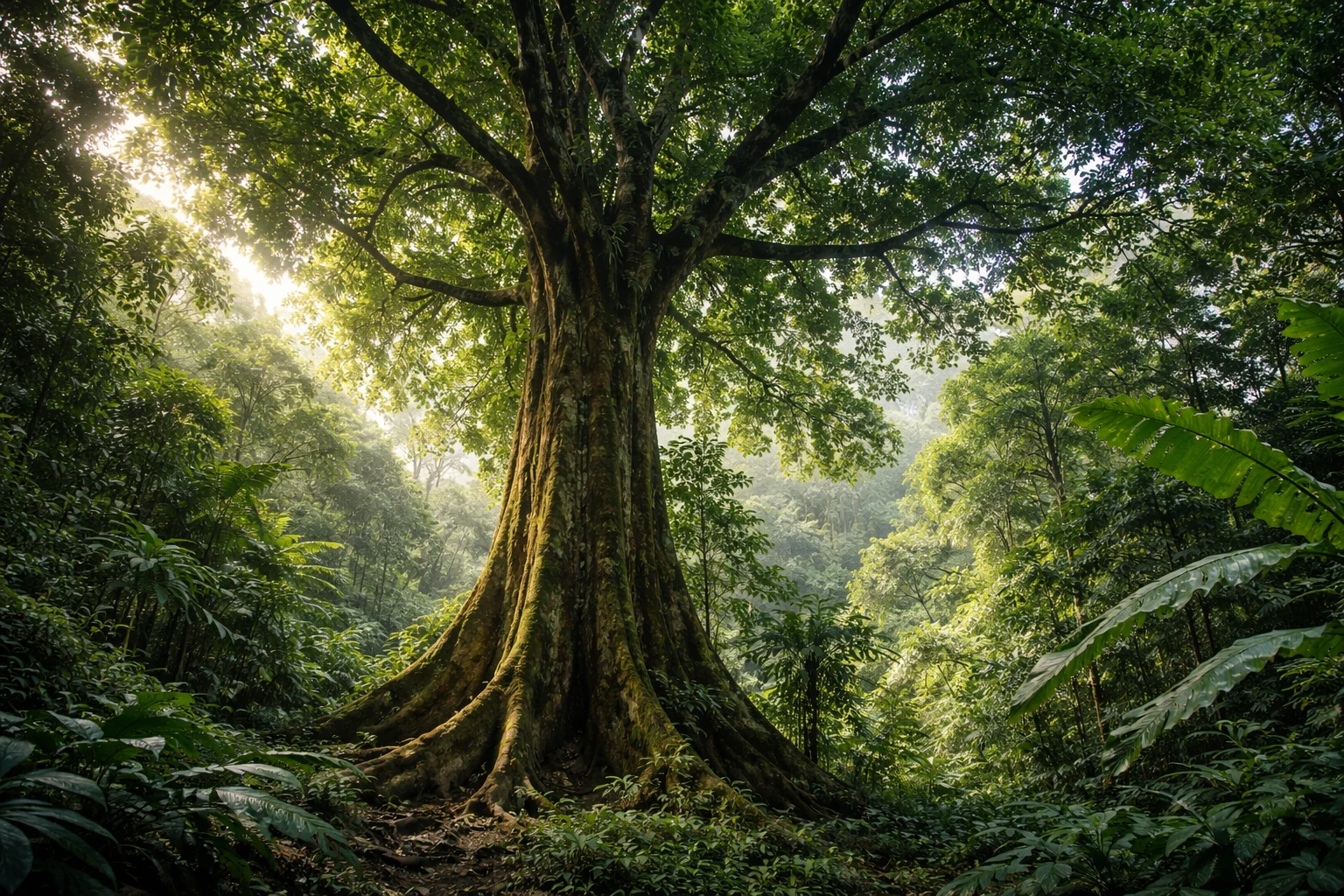

The world of kratom begins with the old growth kratom tree, a towering tropical evergreen native to the lush rainforests of Southeast Asia. These ancient specimens, often exceeding 20 years in age, stand in stark contrast to the younger trees cultivated in modern plantations. Understanding the distinctions between these sources provides valuable insight into the natural variations that influence leaf characteristics, composition, and overall traits.
Mitragyna speciosa, the scientific name for the kratom tree, thrives in humid, nutrient-rich environments typical of regions like Indonesia, Malaysia, and Thailand. In its natural habitat, the tree can reach heights of 4 to 16 meters, with some specimens in undisturbed forests growing even taller. Old growth kratom trees develop over decades in wild or semi-wild settings, benefiting from established root systems that draw deeply from mineral-rich soils along riverbanks and in forested lowlands.
These conditions allow the trees to accumulate compounds over time, resulting in leaves with distinct profiles shaped by years of gradual adaptation. Younger trees, by comparison, are often grown in managed plantations designed for efficient production. These saplings may reach harvestable size in just a few years, with some farmers beginning to collect leaves as early as one year after planting. While this approach supports consistent supply and scalability, it differs fundamentally from the slow, natural maturation of older trees in untouched environments.
The Natural Habitat of Old Growth Kratom Trees
Old growth kratom trees flourish in the dense, biodiverse rainforests of Borneo, Sumatra, and other Indonesian islands. These environments feature high humidity levels, consistent rainfall patterns, and shaded understories that provide the ideal filtered sunlight the tree prefers. In such settings, the trees grow alongside a variety of other plant species, competing for resources in ways that strengthen their overall resilience and contribute to robust development.
The soils in these old-growth areas are typically fertile, built up over centuries through layers of organic decomposition from fallen leaves, branches, and other forest matter. This creates a rich, loamy substrate that retains moisture well. Riverine locations, which are common habitats in places like Borneo, add further mineral contributions through periodic flooding that deposits silt and nutrients. Trees in these habitats encounter natural stresses, such as varying light penetration through the canopy or occasional dry periods, which can prompt the production of secondary metabolites as protective mechanisms.
In contrast, plantation-grown trees are usually planted in cleared or partially managed lands where conditions are modified for quicker establishment. Farmers choose sites with good drainage and often greater direct sunlight to encourage rapid upward growth. While these locations can be enhanced with organic amendments or controlled watering, they generally lack the intricate web of microbial activity and symbiotic relationships found in mature forest ecosystems.
Root System Development in Mature vs. Young Trees
One of the most significant differences lies in the root systems. Old growth kratom trees develop extensive networks over many years, with deep taproots and wide-spreading lateral roots that anchor the tree firmly and access water and nutrients from deeper soil layers. This expansive rooting allows mature trees to withstand droughts or nutrient fluctuations better, contributing to steadier compound production in their leaves.
Younger plantation trees, still in their early growth phases, have shallower and less developed roots. These focus primarily on establishing the tree in the initial years, prioritizing above-ground expansion over deep exploration. As a result, they may rely more heavily on surface-level nutrients and regular irrigation, which can lead to faster initial growth but less long-term stability in variable conditions.
Growth Cycles and Maturation Differences
The timeline from seedling to productive tree underscores these contrasts. In plantations, propagation often occurs through cuttings or seedlings, enabling usable leaves within the first year or two. Full canopy development might take three to seven years, depending on care and conditions, with the tree directing energy toward height and leaf production early on.
Old growth kratom trees embody a much longer timeline, with many reaching 20, 30, or more years in age. These veterans feature thick trunks and broad canopies supported by years of incremental growth rings. Trunk girth in particular serves as a visible indicator of age and often aligns with enhanced metabolic capabilities.
Leaf Characteristics: Size, Appearance, Vein Colours, and Composition
Leaves from old growth kratom trees and younger plantation trees exhibit clear differences across several key traits:
- Size and Thickness: Mature leaves tend to be larger and thicker, benefiting from the tree’s well-established vascular system that delivers ample water and nutrients over an extended period.
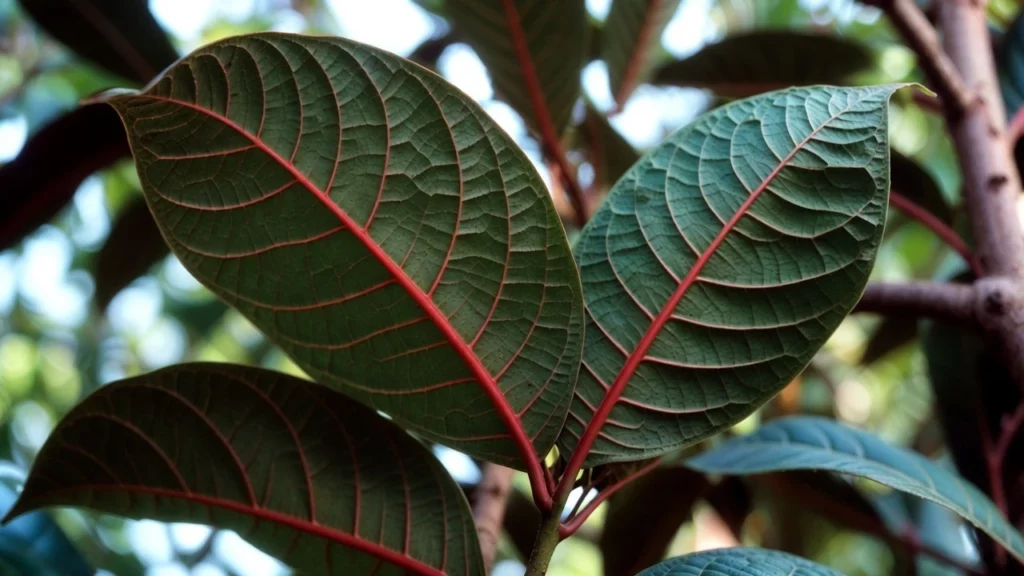
- Colour and Appearance: Old-growth leaves often display a deeper, richer dark green on the upper surface, reflecting prolonged development and higher chlorophyll density, while younger leaves are typically lighter green and more delicate.
- Vein Colours: Red veins are more commonly found in leaves from older, fully developed trees due to pigment accumulation over time; white and green veins predominate in faster-growing foliage from young trees.
- Alkaloid Composition: Leaves from mature trees frequently show higher overall alkaloid levels, including elevated mitragynine, along with a broader spectrum of secondary compounds like paynantheine and speciogynine, developed through years of synthesis and storage.
- Influencing Factors: Shaded forest conditions in old-growth settings can enhance protective alkaloids, whereas full-sun exposure in plantations activates different biosynthetic pathways, leading to varied profiles.
These variations highlight how tree age and environment interact to shape the final leaf properties.
Seasonal Influences on Leaf Production
Southeast Asia’s seasonal patterns create distinct effects on kratom trees, with responses varying based on maturity:
- Wet Seasons: Heavy rainfall triggers abundant new growth in both old and young trees, leading to flushes of fresh leaves and rapid expansion.
- Dry Seasons: Reduced water availability slows new leaf production and concentrates resources in existing foliage, potentially intensifying compound levels.
- Old Growth Response: Mature trees manage shifts smoothly, relying on deep root reserves and self-shading canopies to maintain consistent high-quality output year-round with minimal stress.
- Young Plantation Response: Younger trees may show more dramatic fluctuations, experiencing growth surges during rains but requiring supplemental care during drier periods to avoid setbacks.
These seasonal dynamics underscore the resilience that comes with age in natural settings.
Harvesting Methods and Sustainability Considerations
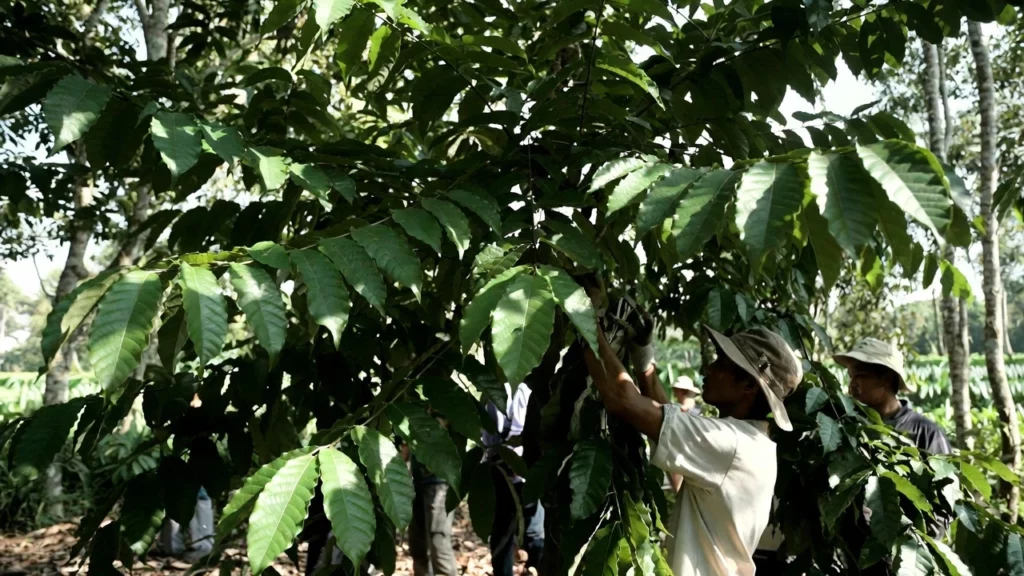
Hand-picking remains the standard, whether in forests or farms. Selective removal of mature leaves ensures tree vitality, a practice rooted in traditional knowledge. For old-growth specimens, this means minimal impact on towering trees that regenerate foliage naturally over time. Sustainable collection in these areas supports biodiversity by maintaining forest cover.
Plantations scale this up, with teams harvesting rows efficiently. Limiting cycles to allow recovery helps young trees build strength, promoting longevity similar to wild counterparts. Challenges arise from demand growth, emphasizing the need for rotation and monitoring to avoid exhaustion.
Environmental Factors Influencing Development
Beyond soil and light, factors like elevation and proximity to water sources matter. Many old growth kratom trees grow at lower elevations near rivers, benefiting from alluvial deposits. Plantations vary, some at higher grounds for drainage, altering nutrient uptake patterns. Microbial interactions in forest soils enhance nutrient availability in ways harder to replicate artificially.
Regional Variations and Farmer Insights
Borneo and Sumatra: Heartlands of Wild Abundance
Borneo’s vast rainforests harbor some of the oldest known kratom populations, with trees in remote areas reaching impressive ages and sizes. These ancient stands thrive in protected or less accessible zones, where human intervention remains limited. Sumatra offers similar wild abundance, featuring expansive forested regions that support large, mature specimens. The island’s diverse topography creates microclimates that influence leaf traits uniquely.
West Kalimantan and Blended Approaches
Areas like West Kalimantan represent a transition, blending semi-wild old growth kratom trees with managed growth. Here, farmers often incorporate wild trees into their land, allowing natural maturation alongside cultivated rows.
Thailand and Malaysia: Historical Stands and Regulation
In Thailand and Malaysia, historical wild stands persist, though cultivation faces varying regulations. These regions maintain pockets of older trees that impart local nuances through distinct soil compositions and climate patterns.
What Farmers Observe About Tree Age
Experienced farmers frequently share that leaves from older trees require less intensive processing to reach desired characteristics, owing to their natural concentration of compounds. This efficiency stems from the tree’s prolonged development. Plantation operators often target trees aged 5 to 10 years for a balance of yield and quality. Some dedicate portions of their land to longer maturation, letting select trees grow beyond a decade for harvests with enhanced depth.
Biodiversity, History, and Processing
The Role of Old Growth Trees in Ecosystems
Old growth kratom trees play a vital part in forest diversity, offering habitat and shade for understory plants and various animals. Their large canopies create layered environments that support a wide array of life. Plantations can contribute positively when incorporating mixed cropping systems, providing corridors for wildlife. However, large-scale monoculture carries risks of reduced biodiversity if not managed thoughtfully.
Historical Context of Kratom Use and Cultivation
Kratom’s traditional use traces back centuries among indigenous communities, who relied almost exclusively on wild or semi-wild old growth kratom trees. These practices integrated the plant into daily life through sustainable forest collection. The shift to modern plantations emerged with increased interest beyond local regions, introducing structured farming while retaining elements of traditional wisdom in harvesting and selection.
Variations in Post-Harvest Processing
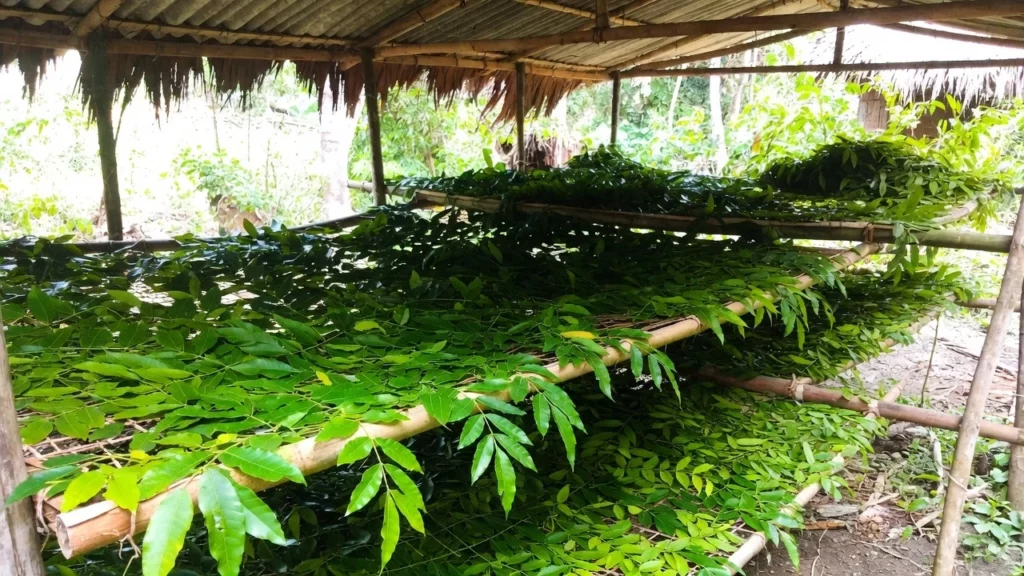
Drying techniques vary significantly, including indoor fermentation, direct outdoor sun exposure, or shaded methods. Each approach interacts differently with leaf maturity levels. Mature leaves from old growth kratom trees tend to respond predictably to time-honoured processes, often resulting in consistent and stable final products. Younger leaves may require adjustments to achieve similar uniformity.
Genetic Diversity in Old-Growth Kratom Trees vs. Plantation Cultivation
Kratom trees in old-growth forests benefit from natural propagation methods that promote substantial genetic diversity, contributing to their enduring health and adaptability. In wild or semi-wild environments, reproduction primarily occurs through seeds, which are dispersed by wind, water, or animals. This leads to cross-pollination among different trees, creating offspring with varied genetic makeup over generations.
Many plantations, however, rely heavily on vegetative propagation through stem cuttings or cloning from selected parent trees. This method ensures uniformity in growth patterns and leaf traits, which aids in predictable production, but it can result in genetically similar stands across large areas.
The higher genetic diversity found in old growth kratom tree populations offers several practical advantages:
- Enhanced Resistance to Pests and Diseases: With a broader genetic pool, some individuals naturally possess traits that withstand common tropical threats, such as leaf spot fungi or insect infestations, helping the overall population persist without widespread losses.
- Better Adaptation to Environmental Changes: Varied genetics enable trees to cope with shifts in climate, soil conditions, or rainfall patterns, supporting long-term stability in unpredictable rainforest settings.
- Broader Range of Natural Compound Expression: Genetic differences can influence subtle variations in alkaloid synthesis, contributing to the complex and diverse profiles often observed in leaves from mature wild trees.
Responsible plantation practices address these aspects by occasionally introducing new genetic material or rotating stock, but achieving the same level of diversity as in natural forests requires deliberate effort. Overall, the genetic richness inherent in old growth kratom trees highlights their biological robustness, complementing the efficiency of managed cultivation.
Challenges, Adaptations, and Future Directions
Balancing traditional methods with modern efficiency defines ongoing efforts. Protecting wild old growth areas relies on community stewardship and mindful access limits. In plantations, innovations such as optimized spacing, strategic pruning, and extended growth periods help mimic benefits of maturity. These adaptations support healthier trees and sustainable output. Looking ahead, hybrid models like agroforestry, which integrate older trees into farmed landscapes, hold potential for preserving the strengths of both wild and cultivated sources.
Frequently Asked Questions
Q: What defines an old growth kratom tree?
A: An old growth kratom tree is typically one that has grown naturally or semi-naturally for over 20 years, developing extensive roots, thick trunks, and broad canopies through decades of gradual maturation.
Q: How do leaves from old growth kratom trees differ from those on young plantation trees?
A: Leaves from old growth trees are generally larger, thicker, darker green, and contain higher levels of alkaloids like mitragynine due to prolonged development, while plantation leaves from younger trees are smaller, lighter, and reflect faster growth phases.
Q: Why do mature trees show greater resilience to seasonal changes?
A: Mature old growth kratom trees rely on deep root systems and established canopies for stable access to water and nutrients, allowing consistent production even during dry periods, unlike younger trees that may need supplemental care.
Q: Is genetic diversity higher in old growth or plantation kratom trees?
A: Genetic diversity is typically higher in old growth populations due to natural seed propagation and cross-pollination in forests, promoting resilience, compared to the uniformity often seen in plantations using cuttings.
Q: Are harvesting methods the same for old growth and plantation trees?
A: Both use selective hand-picking of mature leaves to maintain tree health, but old growth harvesting has minimal long-term impact on towering trees, while plantations require careful cycle management for younger specimens.
Q: Which regions are known for old growth kratom trees?
A: Borneo and Sumatra in Indonesia host some of the oldest and most abundant wild populations, with significant stands also in parts of Thailand, Malaysia, and areas like West Kalimantan.
Q: Does tree age affect post-harvest processing?
A: Yes, leaves from older trees often respond more predictably to traditional drying methods, yielding consistent results, while younger leaves may need adjustments for uniformity.
Final Thoughts
In reflecting on the profound differences between old growth kratom trees that have stood for over 20 years and their younger counterparts in plantations, it becomes clear that maturity brings a depth of character unmatched by rapid cultivation. These ancient specimens, rooted deeply in the elegant ecosystems of Southeast Asia, embody nature’s patient artistry, yielding leaves with enhanced size, resilience, and complex compositions shaped by decades of environmental harmony. Plantation trees, while efficient and accessible, remind us of human ingenuity in scaling production, yet they often lack the nuanced profiles that only time can forge.
This comparison not only illuminates the botanical intricacies of Mitragyna speciosa but also underscores the value of sustainable practices that honour both wild heritage and managed innovation. By appreciating these distinctions from root systems to genetic diversity enthusiasts gain a fuller perspective on what elevates kratom’s natural qualities. Ultimately, whether sourced from towering forest elders or structured farm rows, the plant’s story encourages responsible stewardship, ensuring its legacy endures for generations to come.
Disclaimer
The information presented in this blog is for educational and informational purposes only and is not intended to diagnose, treat, cure, or prevent any disease or medical condition. Kratom (Mitragyna speciosa) and its derivatives are not authorized for sale by Health Canada as a natural health product, drug, or for human consumption, and no products containing kratom have been approved for any medical or therapeutic use.
Health Canada has issued multiple warnings advising Canadians against the use of kratom due to significant safety concerns, including risks of serious adverse health effects such as drowsiness, nausea, vomiting, seizures, liver toxicity, excessively rapid heartbeat, respiratory depression, substance use disorder, addiction, dependence, withdrawal symptoms, and potential for abuse, particularly when kratom is combined with other substances.
Additional hazards include possible contamination with heavy metals, bacteria (such as Salmonella), or other adulterants, which may lead to further health issues. Kratom may interact dangerously with medications, alcohol, or other drugs, and its effects can vary widely due to inconsistent product composition and potency. Individuals who are pregnant, breastfeeding, have pre-existing medical conditions, or are taking any medications should avoid kratom entirely and consult a qualified healthcare professional before considering any herbal supplement.
Always prioritize evidence-based medical advice from a licensed provider over self-treatment, and report any adverse effects to Health Canada or a healthcare professional immediately. The author and publisher of this content are not liable for any actions taken based on the information provided, and readers assume full responsibility for their own health decisions.