


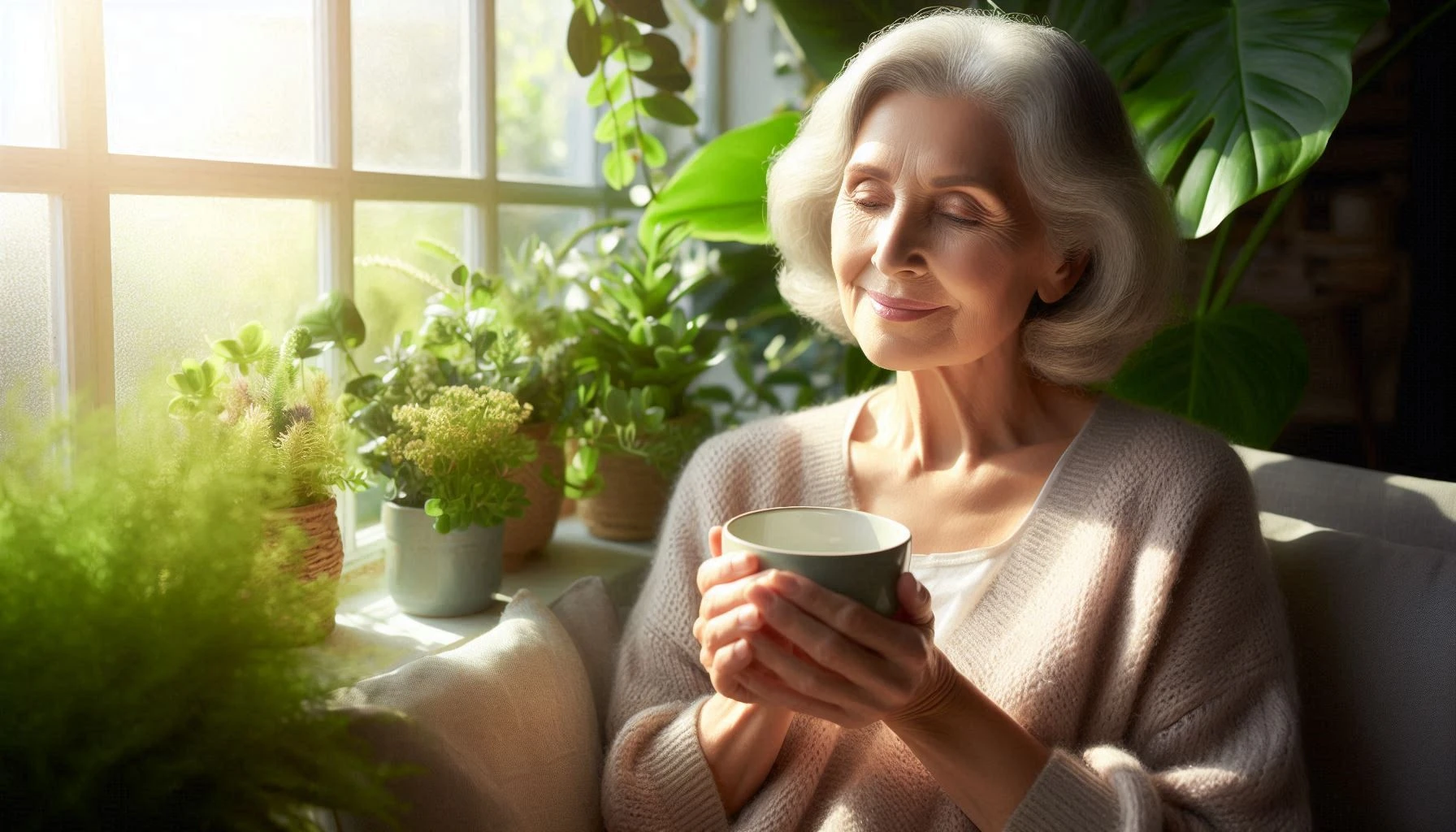

seniors navigate the complexities of aging, many seek natural ways to maintain control over their health and well-being. Kratom for seniors has emerged as a compelling option, offering a plant-based approach to holistic self-care. Derived from the Mitragyna speciosa tree in Southeast Asia, kratom has a rich history of traditional use, valued for its unique alkaloids that interact with the body’s systems. For older adults, it represents a chance to explore wellness on their terms, but its use requires caution due to aging physiology and medication regimens.
Understanding Kratom’s Appeal for Older Adults
As people age, they often face a range of health concerns, from arthritis and joint pain to diminished energy and sleep difficulties. Conventional treatments, such as prescription painkillers or sedatives, can carry significant side effects, including dependency risks or cognitive impairment. Kratom, often marketed as a natural alternative, has gained traction among seniors seeking gentler options. At lower doses, kratom can act as a stimulant, promoting alertness and focus, which may help counteract age-related fatigue. At higher doses, it may provide pain relief or a calming effect, potentially aiding those with chronic discomfort or anxiety.
The appeal of kratom for seniors also lies in its accessibility. Available in forms like powders, capsules, or teas, it can be incorporated into daily routines with relative ease. For some, it represents a way to maintain independence by managing symptoms without relying heavily on pharmaceuticals. Yet, while these benefits are compelling, seniors must approach kratom with caution, as aging bodies process substances differently, and existing health conditions can complicate its effects.
How Aging Affects Kratom Use
Aging brings physiological changes that influence how substances like kratom are metabolized. The liver, responsible for breaking down kratom’s alkaloids, becomes less efficient with age, potentially prolonging the substance’s effects or increasing the risk of accumulation in the body. Similarly, kidney function declines, which can affect how kratom byproducts are excreted. These changes mean that seniors may experience stronger or longer-lasting effects from smaller doses compared to younger individuals.
Additionally, older adults often have a higher prevalence of chronic conditions, such as hypertension, diabetes, or heart disease, which can interact with kratom’s effects. For example, kratom’s stimulant properties at low doses may elevate heart rate or blood pressure, posing risks for those with cardiovascular issues. Its sedative effects at higher doses could exacerbate dizziness or increase the likelihood of falls, a significant concern for seniors, as falls are a leading cause of injury in this age group.
Sensory and cognitive changes also play a role. Diminished taste or smell can make it harder for seniors to assess the quality of kratom products, increasing the risk of consuming contaminated or adulterated batches. Cognitive decline or memory issues may lead to improper dosing, such as taking kratom too frequently or in excessive amounts. These factors underscore the need for careful monitoring and guidance when seniors consider kratom.
Safe Dosage Guidelines for Seniors
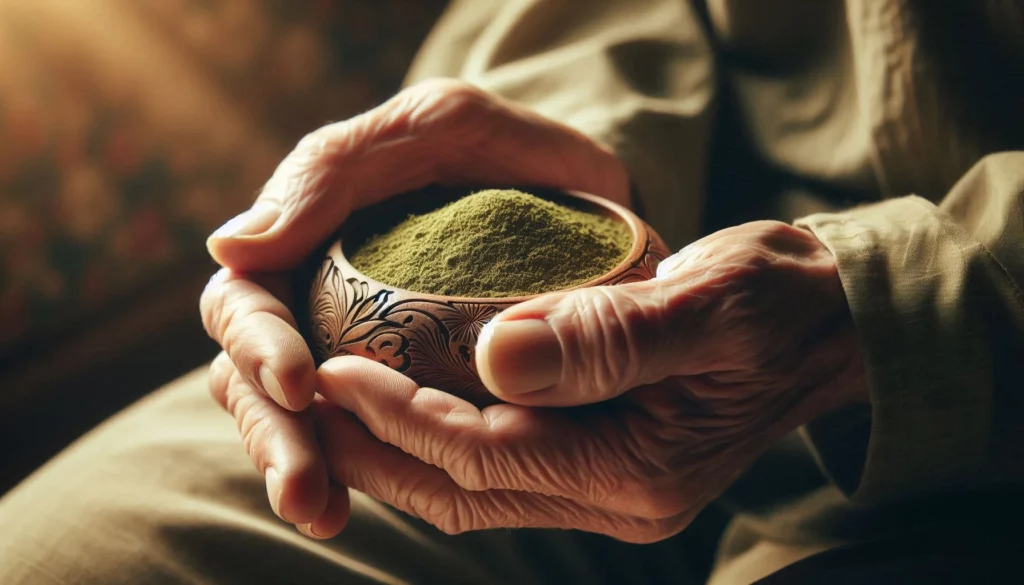
Determining a safe kratom dosage for seniors is challenging due to individual variability and the lack of standardized guidelines. However, general principles can help guide use. For most adults, kratom doses are categorized as low (1-3 grams), moderate (3-5 grams), or high (5-8 grams or more). Seniors, however, are advised to start at the lower end of this spectrum due to their increased sensitivity.
A starting dose of 0.5 to 1 gram of kratom powder is often recommended for older adults. This small amount allows the body to adjust and minimizes the risk of adverse effects, such as nausea, dizziness, or excessive sedation. After assessing tolerance over a few days, the dose can be gradually increased, if needed, by 0.5-gram increments, not exceeding 3 grams per session. Seniors should avoid taking kratom more than once or twice daily to prevent buildup in the system.
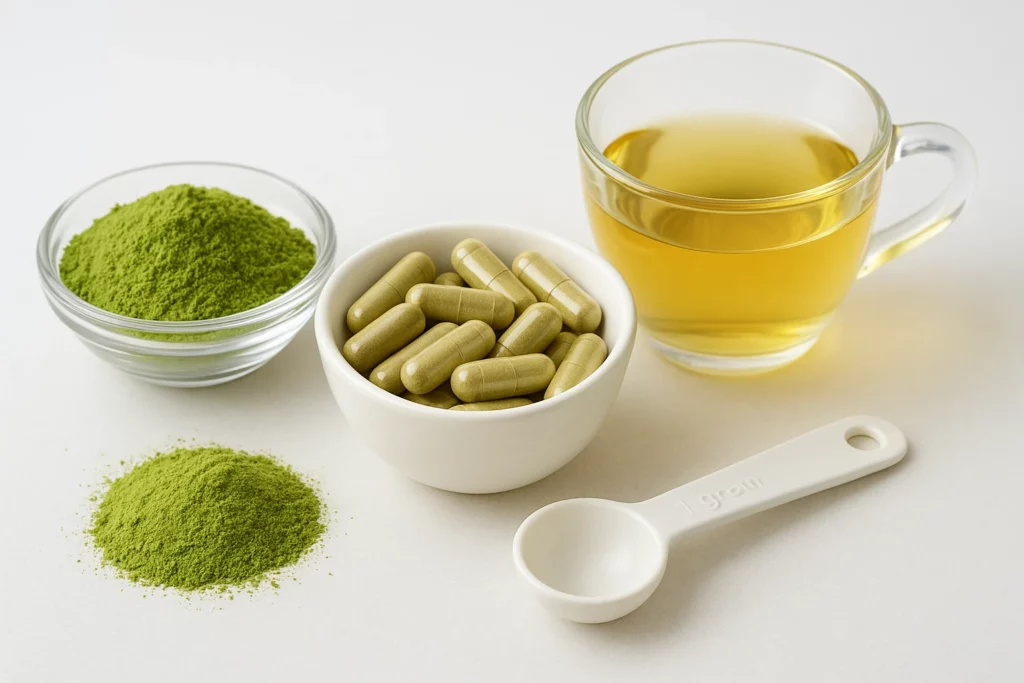
The form of kratom matters as well. Capsules offer precise dosing, which is ideal for seniors who may struggle with measuring powders. Teas, while easier to consume for some, require careful preparation to ensure consistent strength. Regardless of the form, seniors should use high-quality kratom from reputable sources to avoid contaminants, such as heavy metals or pathogens, which can pose serious health risks.
Timing is another consideration. Kratom’s stimulant effects may disrupt sleep if taken late in the day, so morning or early afternoon doses are preferable for those seeking energy or focus. For pain relief or relaxation, a small dose in the evening may be more appropriate, but seniors should avoid combining it with alcohol or sedatives, which can amplify drowsiness and increase fall risk.
Navigating Polypharmacy Risks with Kratom
One of the most critical concerns for seniors using kratom is polypharmacy, the use of multiple medications simultaneously. Older adults often take several prescriptions for conditions like hypertension, diabetes, or depression, along with over-the-counter drugs or supplements. Kratom’s interactions with these substances are not fully understood, but its effects on the liver’s cytochrome P450 enzymes, which metabolize many medications, raise concerns.
How Kratom Interacts with Medications
Kratom may slow the metabolism of drugs like statins, blood thinners, or antidepressants, leading to higher-than-expected levels in the bloodstream. This can increase the risk of side effects, such as muscle pain from statins or bleeding risks from anticoagulants. Conversely, some medications may alter kratom’s effects, making it less effective or more potent. Seniors taking medications for heart conditions, such as beta-blockers, should be particularly cautious, as kratom’s cardiovascular effects could interfere with their treatment.
Consulting Healthcare Providers for Kratom Use
To mitigate these risks, seniors should consult a healthcare provider before using kratom, especially if they take multiple medications. A doctor or pharmacist can assess potential interactions and recommend adjustments to dosages or timing. Keeping a detailed list of all medications, including supplements and kratom, can help healthcare providers make informed decisions.
Monitoring for Adverse Effects
Seniors should also monitor for unusual symptoms, such as confusion, irregular heartbeats, or gastrointestinal distress, and seek medical advice promptly if they occur. This is especially important for those using kratom for seniors’ health needs, as early detection of issues can prevent serious complications.

Additional Safety Considerations for Seniors
Beyond polypharmacy, other safety factors are crucial for seniors using kratom. Hydration is a key concern, as kratom can have diuretic effects, and older adults are more prone to dehydration. Drinking plenty of water when using kratom can help prevent complications like constipation or kidney strain. Seniors with pre-existing digestive issues, such as irritable bowel syndrome, should be aware that kratom may worsen symptoms like constipation, particularly at higher doses.
Dependency is another risk. While kratom is often touted as a safer alternative to opioids, regular use can lead to tolerance, where higher doses are needed for the same effect, and withdrawal symptoms, such as irritability or muscle aches, may occur upon cessation. Seniors, who may use kratom daily for chronic pain, are particularly vulnerable. To minimize this risk, they should use kratom sparingly, taking breaks of a few days each week to prevent tolerance buildup.
Mental health considerations are also important. Kratom’s mood-altering effects may benefit seniors with mild anxiety or low mood, but excessive use or abrupt discontinuation could exacerbate emotional instability. Those with a history of depression or substance use disorders should approach kratom with extra caution and under medical supervision.
Practical Tips for Seniors and Caregivers
For seniors exploring kratom for seniors’ health needs, the following practical steps can ensure safe and informed use:
- Research Kratom Thoroughly: Understand its effects and risks by reviewing reliable information. Source high-quality products from vendors with transparent testing practices to ensure purity and safety.
- Involve Caregivers for Support: Caregivers can help measure doses accurately, track usage patterns, and monitor for any side effects, providing an extra layer of safety.
- Communicate with Healthcare Providers: Discuss kratom use openly with doctors or pharmacists to ensure it aligns with existing health plans and medications.
- Prioritize Complementary Lifestyle Habits: Engage in regular physical activity, maintain a balanced diet, and prioritize sleep to enhance overall well-being and reduce reliance on kratom.
- Explore Holistic Pain Management: Consider complementary approaches like physical therapy or acupuncture alongside kratom for comprehensive pain relief.
- Be Open to Alternatives: If kratom causes side effects or proves ineffective, explore other remedies, such as turmeric for inflammation or mindfulness practices for stress, which may carry fewer risks.
Frequently Asked Questions About Kratom for Seniors
Q: Which seniors should avoid using kratom?
A: Seniors with heart conditions, liver or kidney issues, or a history of substance abuse should avoid kratom due to risks like elevated heart rate, organ strain, or dependency. Those prone to falls or on multiple medications should also steer clear unless cleared by a doctor.
Q: What’s the best starting dose of kratom for older adults?
A: Start with 0.5 to 1 gram of kratom powder to test tolerance. Increase by 0.5 grams after a few days if needed, staying below 3 grams per session to avoid side effects like nausea or dizziness.
Q: Which form of kratom is best for seniors?
A: Capsules are ideal for seniors due to precise dosing, especially for those with shaky hands or memory issues. Powders work if mixed carefully, while teas need consistent preparation. Always choose high-quality products from trusted vendors.
Q: Can kratom interact with my prescription medications?
A: Yes, kratom may interact with medications like statins, blood thinners, or antidepressants by affecting liver enzymes. This can increase side effects or alter drug effectiveness. Discuss with a pharmacist or doctor to avoid risks.
Q: What side effects should seniors watch for when using kratom?
A: Common side effects include nausea, dizziness, constipation, or drowsiness. Seniors should also monitor for confusion, irregular heartbeats, or dehydration and seek medical help if these occur.
Q: Are there safer alternatives to kratom for seniors?
A: If kratom poses risks or doesn’t work, seniors can try alternatives like turmeric for inflammation, mindfulness for stress, or physical therapy for pain. These often have fewer side effects and can complement a wellness plan.
Final Thoughts on Kratom for Seniors
Kratom for seniors holds promise as a natural tool for managing pain, fatigue, or mood challenges, but its use demands careful consideration. Aging bodies respond differently to substances, and the prevalence of polypharmacy in older adults amplifies the need for caution. By starting with low doses, choosing high-quality products, and consulting healthcare providers, seniors can explore kratom’s potential while minimizing risks. Caregivers and loved ones play a crucial role in supporting safe use, ensuring that kratom enhances, rather than compromises, well-being.
Ultimately, kratom is not a one-size-fits-all solution. It requires a thoughtful, individualized approach, grounded in awareness of its benefits and limitations. For seniors seeking to maintain vitality and independence, kratom may be one piece of a broader wellness strategy, used mindfully to support a lively and healthy life.
Disclaimer
The information provided in this blog about kratom for seniors is for educational and informational purposes only and should not be considered medical advice. Kratom is not approved by the U.S. Food and Drug Administration (FDA) or Health Canada for any medical use, and its safety, efficacy, and potential risks, particularly for older adults, are not fully established through rigorous scientific research.
Seniors considering kratom should consult a qualified healthcare provider, such as a doctor or pharmacist, before use, especially if they have pre-existing health conditions, take prescription medications, or are at risk for falls, cardiovascular issues, or liver and kidney dysfunction. Kratom may interact with medications, exacerbate chronic conditions, or cause side effects such as nausea, dizziness, constipation, or dependency.
The use of kratom carries inherent risks, including the potential for contamination in unregulated products, and seniors should source kratom only from reputable vendors with transparent testing practices. Neither the author nor publisher assume liability for any adverse effects, injuries, or health complications resulting from kratom use. Always prioritize safety by discussing kratom with a healthcare professional to ensure it aligns with individual health needs and existing treatment plans.