




In an age where mental fatigue hits harder than physical exhaustion, countless people quietly battle the same quiet enemy: a brain that refuses to lock in. You sit down to tackle a project, answer emails, or simply think clearly, and instead the mind drifts, scrolling, second-guessing, replaying yesterday. Conventional fixes like another espresso or a nootropic stack often deliver diminishing returns, leaving users chasing the next hit of alertness while the crash waits in the wings.
Kratom enters that conversation differently as a focus aid. Users who turn to it specifically for concentration frequently describe a distinct quality: not wired frenzy, but a steady, almost frictionless engagement with the task at hand. Low amounts seem to dial down the inner chatter, sharpen edges on thoughts that usually blur, and create space for sustained work without the frantic edge caffeine can bring.
For some, it is the difference between staring at a screen and actually moving the needle, whether that is writing, coding, analyzing, or simply getting through a long day without feeling mentally frayed. Yet this is not universal praise; plenty report the opposite, or nothing at all, which is exactly why the topic demands a closer, unflinching look.
What Is Kratom and How Does It Work?
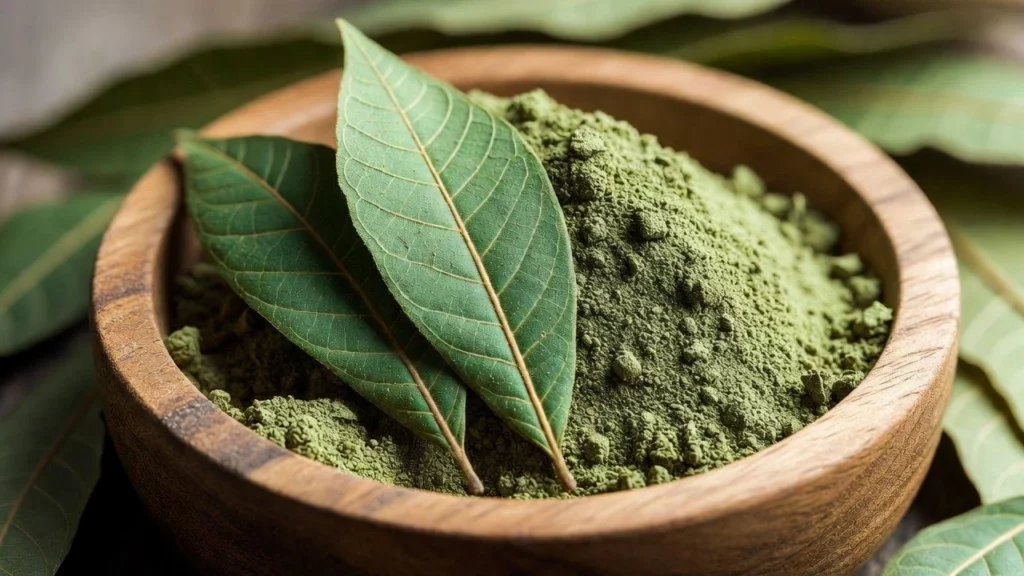
Kratom comes from the leaves of the Mitragyna speciosa tree, native to Southeast Asia. For centuries, people in regions like Thailand, Malaysia, and Indonesia have used it in traditional practices to combat fatigue and sustain effort during long days of labour. Workers often chewed fresh leaves or brewed them into tea for a mild energizing effect that helped them stay alert without the crash sometimes associated with other substances.
The primary active compounds in kratom are alkaloids, mainly mitragynine and its metabolite 7-hydroxymitragynine. These interact with various receptors in the brain, including opioid receptors (though kratom acts differently from classical opioids), as well as adrenergic, serotonergic, and dopaminergic systems. At lower amounts, these interactions can produce stimulating effects, such as increased alertness and a sense of motivation. At higher amounts, the experience often shifts toward relaxation or sedation.
This dose-dependent nature is key to understanding why some describe kratom as helpful for focus in small quantities. The stimulating phase may mimic aspects of mild caffeine-like action, potentially aiding tasks that require sustained mental effort. However, effects vary widely based on individual factors like body weight, tolerance, and even the specific preparation of the plant material.
User Reports on Kratom as a Focus Aid
Anecdotal accounts from users frequently highlight kratom’s potential to enhance concentration, especially at modest servings. Many report a clearer mental state, reduced mental fog, and better ability to stay on task during work, studying, or creative pursuits. For instance, individuals dealing with attention difficulties or demanding schedules sometimes note that low amounts provide a gentle boost in productivity without overwhelming jitteriness.
Certain varieties, often categorized by vein colour and origin, receive particular praise in these discussions. Green strains, such as Green Maeng Da or Green Malay, appear popular among those seeking balance between energy and calm. White vein types, like White Borneo, are sometimes preferred for more pronounced alertness. Users emphasize starting small to identify what works personally, as responses differ greatly.
These reports align with traditional uses in Southeast Asia, where kratom supported endurance and mental sharpness during repetitive or prolonged activities. In modern contexts, people describe it helping them power through deadlines or maintain engagement in monotonous tasks. The mood-lifting aspect reported by some may indirectly support focus by reducing distractions from low motivation or mild discomfort.

Individual Variability in Response to Kratom as a Focus Aid
One of the most consistent observations across user experiences and emerging discussions is how dramatically responses to kratom can differ from person to person when it comes to supporting attention and mental clarity. What feels like sharpened concentration for one individual might produce only subtle changes or even mild distraction for another.
Several factors appear to play a role in this variability. Age and metabolic rate can influence how quickly alkaloids are processed, potentially affecting the onset and duration of any perceived cognitive benefits. Genetics may also contribute, as differences in receptor sensitivity or enzyme activity could alter how the brain responds to mitragynine and related compounds.
Existing health conditions add another layer. People with higher baseline levels of fatigue or stress sometimes report more noticeable improvements in task persistence, while those already operating at peak alertness might experience less pronounced effects. Diet and hydration on the day of use can further modulate outcomes, with some noting that proper nutrition enhances any sense of mental sharpness, while dehydration blunts it.
Contextual elements matter too. In low-distraction environments, such as quiet study sessions or focused desk work, many describe clearer thinking and better engagement. In contrast, high-stimulation settings or tasks requiring rapid switching between activities may diminish the supportive qualities. Even subtle differences in mindset, such as approaching a task with high motivation versus mild reluctance, seem to color the overall experience.
This high degree of personalization underscores why trial and careful self-observation remain essential. What serves as a reliable focus aid for one person may require adjustments or prove less suitable for someone else, highlighting the importance of approaching kratom with realistic expectations and attention to one’s unique physiology.
Kratom in the Context of Attention-Related Challenges
Kratom’s reported effects on concentration often come up in discussions about everyday productivity hurdles as well as more persistent attention-related difficulties. Distinguishing between these contexts helps provide a clearer picture of where users perceive benefits.
Everyday Distractions vs. Clinical Attention Issues
For many, the primary draw is managing common attention challenges in daily life, such as afternoon energy dips, difficulty staying engaged during routine work, or frequent mind-wandering during long reading sessions. In these scenarios, modest amounts are sometimes described as helping sustain task focus by promoting a sense of calm alertness and reducing background mental noise. This aligns with traditional labourer uses in Southeast Asia, where sustained effort without excessive fatigue was valued.
In contrast, some individuals with longstanding attention difficulties, including self-described patterns resembling attention-deficit conditions, report exploring kratom as a potential aid for task initiation, persistence, and reduced impulsivity in low doses. Anecdotal patterns suggest temporary improvements in maintaining engagement or minimizing distractions during demanding activities, though experiences vary widely and are highly subjective.
Reported Experiences from Those with Attention Difficulties
Accounts from these users often emphasize a sense of “quieting” racing thoughts or improving motivation for mundane but necessary tasks. Some describe better ability to follow through on projects that previously felt overwhelming, attributing it to a combination of mild stimulation and mood stabilization. Others note that benefits feel most reliable in structured, low-pressure settings rather than high-demand or novel environments.
Importantly, these reports do not equate to treatment for diagnosed conditions. Professional evaluation remains essential for anyone experiencing persistent attention challenges, as kratom lacks clinical validation for such purposes and is not positioned as a medical intervention. The exploratory nature of these experiences highlights individual differences while reinforcing the need for caution and realistic perspective.
Potential Mechanisms Behind Concentration Support
The brain’s reward and arousal systems play roles in attention. Dopamine, linked to motivation and drive, and norepinephrine, involved in alertness, can influence how well someone concentrates. Kratom’s interactions with pathways affecting these neurotransmitters may contribute to reported improvements in mental clarity for some.
Additionally, by potentially easing background stress or discomfort, kratom might allow better allocation of cognitive resources toward the task at hand. This indirect benefit resembles how managing physical tension can free up mental bandwidth. However, these are largely inferred from pharmacology and user descriptions rather than definitive proof. Strain differences likely stem from variations in alkaloid profiles across harvests and processing methods. Freshness, storage, and preparation also influence outcomes, making consistency challenging without careful sourcing.
Important Limitations and Risks
While some find kratom supportive for focus, the picture is far from straightforward. Effects reverse at higher amounts, leading to drowsiness or reduced motivation rather than enhanced attention. Building tolerance can occur with regular use, potentially diminishing benefits over time and requiring adjustments.
Dose-Dependent Reversal of Effects
Safety concerns deserve serious attention. Organizations like the FDA have raised alarms about kratom, particularly regarding risks of dependence, withdrawal symptoms similar to those from other substances, and rare but serious adverse events like liver issues or seizures in certain cases. Concentrated extracts or isolated compounds carry heightened risks compared to traditional leaf forms.
Tolerance and Dependence Risks
Individual variability adds complexity. Factors such as existing health conditions, medications, or sensitivity to stimulants can alter experiences dramatically. Combining kratom with other substances, including caffeine, may amplify or complicate effects unpredictably.
Safety Concerns and Reported Adverse Events
Long-term use patterns remain understudied. Some report sustained benefits with moderation, while others experience diminishing returns or negative shifts in mood and cognition. Withdrawal, when it occurs, can include irritability, fatigue, and disrupted sleep, which could counteract any prior focus gains.
Regulatory and Sourcing Considerations
Regulatory status varies globally and regionally. Kratom in Canada occupies a gray area, available through some channels but not approved as a health product. Consumers should stay informed about local guidelines and prioritize quality sources with transparent testing.
Comparing Kratom to Established Focus Strategies
Many turn to kratom seeking alternatives to prescription options or high-caffeine routines. Unlike pharmaceuticals designed specifically for attention disorders, kratom lacks standardized dosing or clinical backing for cognitive enhancement. Lifestyle factors often provide more reliable support: consistent sleep, balanced nutrition, regular movement, and techniques like mindfulness or time-blocking frequently yield sustainable improvements in concentration.
Natural stimulants like moderate coffee or tea offer well-documented benefits for alertness with fewer unknowns. Herbal options such as certain adaptogens may aid stress management, indirectly benefiting focus. Kratom’s unique profile appeals to those unresponsive to these, but it requires cautious experimentation.
Practical Considerations for Exploration
Anyone considering kratom for focus should prioritize education and moderation. The following guidelines help ensure a thoughtful approach:
- Start with very small amounts: This allows safe observation of your personal response without overcommitting to a higher dose that might produce unwanted effects.
- Track effects in a journal: Note details like timing, amount used, context, and perceived changes in focus or clarity to reveal reliable personal patterns over time.
- Prioritize quality sourcing: Seek reputable vendors who provide lab-tested products; this helps avoid contaminants, inconsistent potency, or adulterated material that could undermine safety or benefits.
- Be aware of preparation methods: Different forms (tea, capsules, powder) influence onset speed, duration, and overall experience, experiment mindfully to find what suits you best.
- Listen to your body closely: If focus diminishes, side effects appear, or the experience feels off, pause use, reduce the amount, or adjust as needed, your own feedback is the best guide.
- Consult healthcare professionals when appropriate: Especially important if you have pre-existing conditions, take medications, or have any doubts; they can offer personalized insights on potential risks or interactions.

FAQ
Q: Can kratom really improve focus for most people?
A: Responses vary widely due to individual differences in physiology, tolerance, and context. Some users report clearer thinking and better task engagement at low amounts, while others notice little to no benefit or even reduced clarity. It is not a universal solution, and personal experimentation with careful observation is necessary to determine if it works for you.
Q: How does kratom compare to caffeine for maintaining attention?
A: Both can provide stimulating effects at lower doses, but kratom’s profile is often described as smoother by some users, with less jitteriness and a potential mood-lifting component that indirectly aids concentration. Caffeine has far more extensive research supporting its cognitive effects, while kratom relies primarily on anecdotal reports and traditional use.
Q: Is kratom safe to use specifically as a focus aid?
A: Safety depends on responsible use, low doses, infrequent consumption, and sourcing from reputable vendors. Risks include tolerance buildup, dependence potential, dose-dependent sedation, and rare but serious adverse events. It is not risk-free, and combining it with other substances or using it with certain health conditions increases concerns.
Q: Does kratom help with attention difficulties that feel like ADHD symptoms?
A: Some individuals with self-described attention challenges report temporary improvements in task persistence, reduced mind-wandering, or better motivation in low doses. These are subjective experiences only and do not replace professional diagnosis or treatment. Kratom is not approved or studied for attention disorders.
Q: How long do the focus-related effects of kratom typically last?
A: User reports suggest effects from low amounts often begin within 20–60 minutes and last 3–5 hours, depending on preparation method, individual metabolism, and other factors. The stimulating phase for concentration support is generally shorter than the relaxing phase that can follow at higher amounts.
Q: Should I consult a doctor before trying kratom for better focus?
A: Yes, especially if you have pre-existing health conditions, take medications, or experience persistent attention issues. A healthcare professional can provide personalized guidance and help assess potential interactions or risks.
Broader Reflections on Natural Aids for Attention
In an era of constant demands on attention, interest in botanical options reflects a desire for gentler approaches. Kratom’s history and user stories suggest it holds appeal as a potential focus aid for some, particularly in low amounts where stimulating properties predominate. Yet science lags behind anecdotes, and risks cannot be dismissed.
Ultimately, no single substance replaces foundational habits for cognitive health. Sleep, exercise, hydration, and mental breaks form the bedrock of sustained focus. Tools like kratom may complement these for certain individuals, but they demand respect and realism. As research evolves, clearer insights may emerge regarding kratom’s place in supporting concentration. For now, approaching it thoughtfully, with awareness of both reported upsides and documented downsides, allows for balanced perspective.
Disclaimer
Kratom is not approved by the U.S. Food and Drug Administration (FDA) or Health Canada for any medical use, including as a dietary supplement, food additive, or treatment for concentration issues, attention difficulties, pain, opioid withdrawal, or any other condition. There are no FDA-approved kratom products available legally as drugs, and the agency continues to warn consumers against its use due to serious safety risks.
These include potential liver toxicity, seizures, substance use disorder (SUD) with physical dependence and withdrawal symptoms (such as irritability, fatigue, cravings, and disrupted sleep), respiratory depression (which can be fatal in some cases), nausea, constipation, contamination with pathogens like Salmonella or heavy metals, and rare but documented adverse events including deaths (often involving poly-substance use). Concentrated products or those containing elevated levels of 7-hydroxymitragynine (7-OH) carry heightened risks of overdose, abuse potential, and opioid-like effects.
This content is provided for informational and educational purposes only and does not constitute medical advice, diagnosis, or recommendation to use kratom. Kratom should never replace professional medical evaluation or evidence-based treatments for attention-related challenges, mental health concerns, or any health condition. Consult a qualified healthcare professional before considering kratom or any similar substance, especially if you have pre-existing medical conditions, take medications (due to possible interactions), are pregnant, breastfeeding, or have a history of substance use issues.
Prioritize lab-tested products from transparent sources if exploring, but understand that no level of use is risk-free. If you experience adverse effects, seek immediate medical attention and report them to appropriate authorities. The author and publisher are not responsible or liable for any decisions, actions, health outcomes, or damages that may result from reading or using the information in this content.