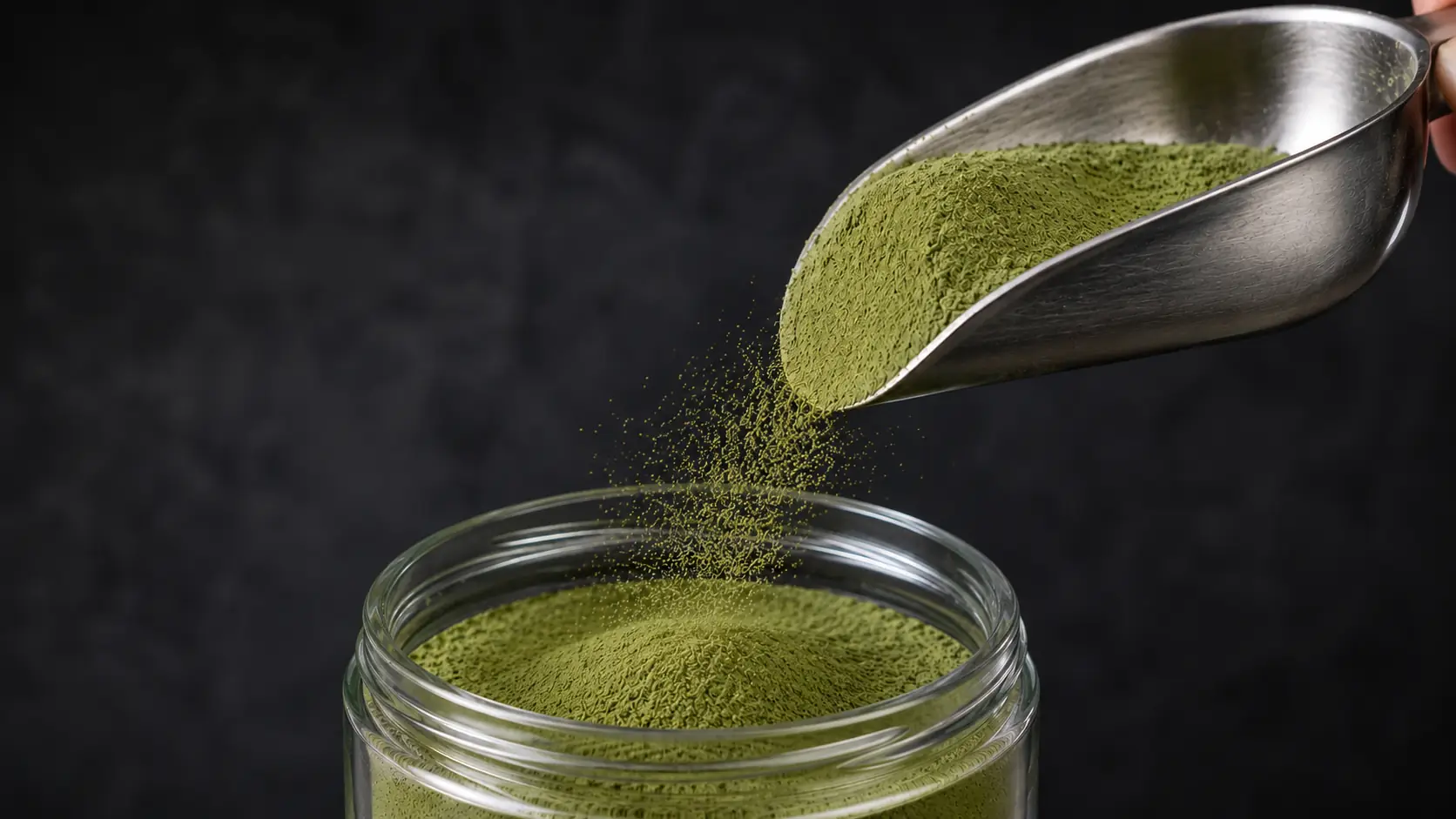
Kratom and its potential relationship with blood sugar levels continues to spark curiosity among individuals interested in plant-based wellness options. Many people exploring natural approaches to metabolic health wonder whether this Southeast Asian botanical might influence glucose regulation in meaningful ways. While some preliminary findings and traditional uses hint at possible connections, the evidence remains limited and far from conclusive. Understanding the current landscape helps foster informed, cautious perspectives.
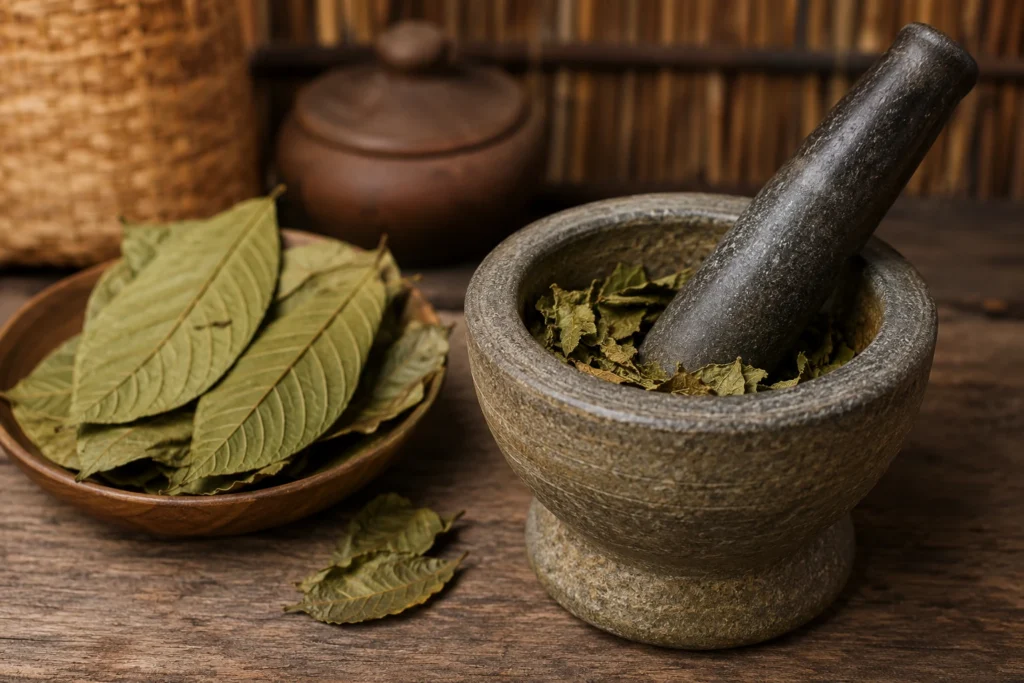
Kratom, scientifically known as Mitragyna speciosa, is a tropical tree native to regions in Southeast Asia. Its leaves have been used for generations in traditional practices for energy support, discomfort relief, and general vitality. In some local traditions, people have also turned to it in contexts related to metabolic balance, though such uses are largely anecdotal and not standardized.
Blood sugar levels represent the amount of glucose present in the bloodstream at any given time. The body maintains this balance through complex interactions involving insulin, glucagon, diet, physical activity, stress, and other factors. Stable levels contribute to steady energy, mood regulation, cognitive function, and long-term wellness. Disruptions can affect daily life and increase risks for various health concerns over time.
Kratom’s Key Compounds and How They Interact with the Body
The primary active alkaloids in kratom include mitragynine and smaller amounts of 7-hydroxymitragynine. These compounds interact with various receptor systems, producing dose-dependent effects that can range from mild stimulation at lower amounts to more relaxing properties at higher ones. This variability makes it challenging to predict outcomes across different individuals.
Researchers have examined these alkaloids in laboratory settings to understand possible metabolic influences. For instance, some in vitro studies have explored whether certain extracts or isolated compounds might affect enzymes involved in carbohydrate digestion.
Preliminary Research on Potential Mechanisms
Alpha-Glucosidase Inhibition
One area of interest involves alpha-glucosidase, an enzyme that breaks down complex carbohydrates into absorbable glucose. Some laboratory tests suggest that kratom extracts and mitragynine may inhibit this enzyme to a degree, which could theoretically slow glucose absorption after meals and moderate postprandial rises in blood sugar levels.
Antioxidant Properties
Antioxidant compounds, such as flavonoids present in the leaves, have also drawn attention. Oxidative stress can impair insulin sensitivity and pancreatic function, so substances that help combat it might offer indirect support for metabolic health in theory. However, these effects have primarily been observed in controlled lab or animal environments.
Limited Human Observations
A small human study involving kratom tea consumed with glucose showed a modest reduction in the area under the curve for post-meal blood glucose compared to glucose alone. While intriguing, this represents very limited data and requires replication in larger trials.
Findings from Animal Models
Animal models have produced mixed results. Some experiments report improvements in glucose parameters in diabetic-induced rodents, while others note dose-dependent effects where lower amounts might differ from higher ones. One recent meta-analysis of available human observational data found no statistically significant overall lowering of blood sugar levels among kratom users.
Potential for Elevated Blood Glucose
Importantly, certain studies indicate that high doses of mitragynine could potentially raise blood glucose in some contexts, highlighting the complex and non-linear nature of its pharmacology.

Traditional Use Versus Modern Scientific Understanding
In regions where kratom grows naturally, traditional practitioners have sometimes incorporated it into routines aimed at supporting overall balance, including occasional references to metabolic concerns. These generational practices provide cultural context but do not constitute clinical evidence. Modern science seeks to test such observations under controlled conditions, yet significant gaps remain.
Contemporary user reports vary widely. Some individuals describe steadier energy throughout the day, while others notice no discernible difference in how their body handles meals or maintains blood sugar levels. Factors such as diet quality, exercise habits, sleep patterns, genetics, and existing health conditions likely play much larger roles than any single botanical.
Variables That May Affect Individual Responses
Several key factors can influence how kratom might interact with blood sugar levels:
- Dosage: Lower amounts tend to produce stimulating effects, while higher amounts are more sedating. These shifts can indirectly affect energy, appetite, and glucose response.
- Strain and Vein Colour: Red, green, and white vein varieties have differing alkaloid profiles due to growing conditions, harvest timing, and processing methods.
- Preparation Method: Tea infusions, powdered leaf, capsules, or extracts can lead to different absorption rates and metabolic impacts.
- Personal Physiology: Age, body composition, gut microbiome, genetics, and baseline metabolic health all contribute to highly individual outcomes.
- Lifestyle Context: Diet, exercise habits, stress levels, sleep quality, and timing relative to meals play significant roles in any potential effects.
- Concurrent Medications: Interactions with other substances, especially those affecting glucose regulation, can amplify or alter responses.
Important Safety Considerations
The possibility of interactions with diabetes medications deserves particular caution. Some sources note that kratom’s potential glucose-lowering properties could increase the risk of hypoglycemia when combined with insulin or other blood sugar medications. Symptoms such as shakiness, sweating, dizziness, or confusion require prompt attention.
Quality control remains essential. Products should come from sources that provide transparent testing for purity, contaminants, and accurate identification. Poorly sourced material introduces risks unrelated to the plant itself. Other potential side effects include digestive discomfort, changes in appetite, or alterations in energy that could indirectly influence eating patterns and glucose stability. Long-term effects on metabolic health are not well established.
Individuals who are pregnant, breastfeeding, have liver concerns, or take multiple medications should consult healthcare professionals before considering kratom. Regular users are encouraged to monitor health markers through routine medical check-ups.
Ongoing Research and Future Possibilities
Interest in kratom’s pharmacological profile continues to grow. Advances in analytical techniques allow better characterization of its many alkaloids and their interactions with human systems. Future well-designed clinical trials could provide clearer insights into any consistent effects on blood sugar levels.
Personalized wellness approaches may eventually incorporate genetic or metabolic profiling to better predict individual responses to various botanicals. Until then, humility about current knowledge limits remains appropriate. Regulatory bodies and researchers emphasize the need for balanced information that acknowledges both potential benefits suggested in preliminary work and documented safety considerations.
FAQ
Q: Can kratom reliably lower or regulate blood sugar levels?
A: No definitive evidence proves that kratom reliably lowers or regulates blood sugar levels in humans. While some laboratory and small preliminary studies suggest possible mechanisms such as alpha-glucosidase inhibition that could slow carbohydrate absorption, larger clinical trials are lacking. A recent meta-analysis found no statistically significant effect overall. Individual responses vary greatly, and kratom should never be used as a treatment for diabetes or metabolic disorders.
Q: Is it safe to use kratom if I have diabetes or take blood sugar medications?
A: Caution is strongly advised. Kratom may interact with diabetes medications and potentially increase the risk of hypoglycemia in some cases. Always consult a qualified healthcare provider before combining kratom with any prescription medications for blood sugar management. Self-experimentation without medical supervision carries risks.
Q: Do different kratom strains affect blood sugar levels differently?
A: Possibly, but this remains speculative. Red, green, and white vein strains have different alkaloid profiles that influence their overall effects. Some users report varying experiences with energy and appetite, which could indirectly relate to blood sugar levels. However, no robust comparative studies confirm consistent differences in glucose impact across strains.
Q: How much kratom would someone need to take to notice effects on blood sugar levels?
A: There is no established dosage for influencing blood sugar levels, as reliable effects have not been proven. Any exploration should begin with very low amounts to assess personal tolerance. Effects depend heavily on individual factors, and higher doses may produce opposite or unpredictable results.
Q: What are the main risks of using kratom in relation to metabolic health?
A: Potential risks include interactions with medications, possible blood glucose fluctuations (either direction depending on dose), changes in appetite, digestive issues, and unknown long-term metabolic impacts. Quality concerns such as contaminants in unregulated products add further risk. Regular monitoring of health markers is recommended for anyone using it consistently.
Q: How can I track whether kratom is affecting my blood sugar levels?
A: Use a glucometer or continuous glucose monitor to measure responses before and after use, ideally under medical guidance. Keep a detailed journal noting dosage, strain, timing relative to meals, food intake, activity levels, and any symptoms. Professional blood work provides the most accurate long-term insights.
Final Thoughts on Kratom and Blood Sugar Levels
The relationship between kratom and blood sugar levels represents an area of emerging interest rather than settled science. Preliminary laboratory findings, small human observations, and traditional uses suggest possible mechanisms worth further investigation, particularly around enzyme inhibition and antioxidant activity. However, a recent meta-analysis indicates no clear statistically significant effect in typical users, and results can vary or even contradict across doses and contexts.
Responsible exploration prioritizes safety, quality, and realism about limitations in the evidence base. By placing any interest in kratom within a broader framework of healthy habits and medical oversight, individuals can navigate this topic thoughtfully. Continued research will hopefully bring greater clarity in the years ahead. In the meantime, focusing on proven foundations of nutrition, movement, rest, and stress management offers the strongest foundation for supporting healthy blood sugar levels and overall vitality.
This balanced perspective honours both cultural traditions and the cautious standards of modern evidence-based inquiry.