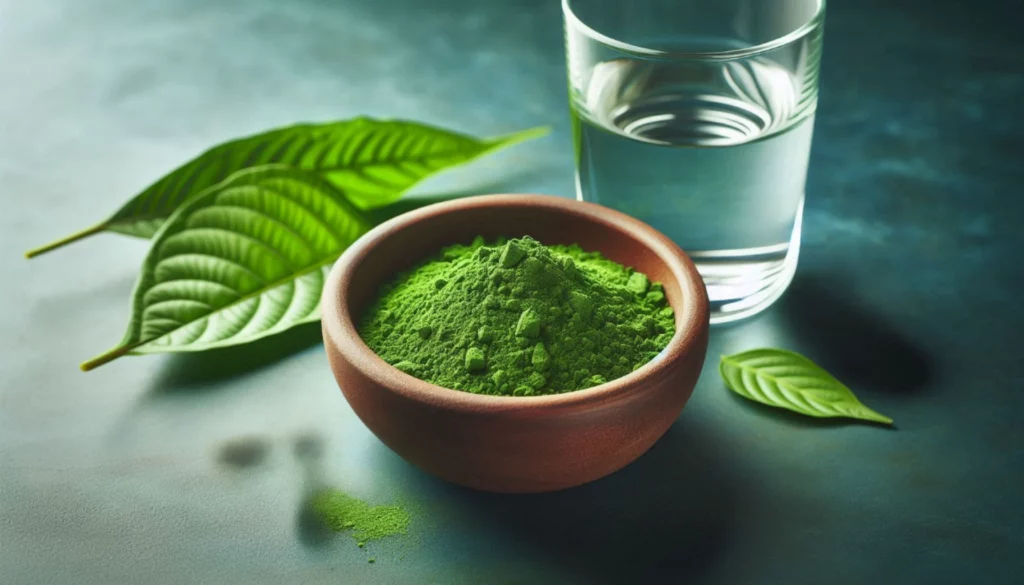
Kratom has gained attention among Canadians for its potential to influence wellness. This tropical botanical, used for centuries in traditional practices, offers a range of effects, from enhancing focus to promoting relaxation. Exploring kratom appetite effects reveals how this natural substance can shape hunger, energy, and metabolic processes. This comprehensive guide will go into the ways kratom interacts with the body, providing practical insights for those seeking to manage their eating habits or boost vitality. Whether you’re aiming to curb cravings or support a balanced lifestyle, understanding kratom’s unique properties empowers you to make informed choices for your wellness journey.
How Kratom Influences Appetite
Kratom appetite effects are among the most intriguing aspects of this plant medicine. Users report that kratom can either reduce or increase their desire to eat, making it a versatile tool for managing hunger. These effects stem from kratom’s interaction with the brain’s opioid receptors and neurotransmitter systems, which regulate hunger and satiety signals.
Curbing Hunger with Kratom
Many users find that certain kratom strains, particularly those with stimulating properties, reduce appetite. This effect is often likened to the hunger-dampening quality of caffeine but with a smoother, more sustained impact. White vein kratom, such as white Maeng Da, is frequently cited for its ability to promote feelings of fullness, helping users avoid unnecessary snacking. This can be particularly valuable for those aiming to manage calorie intake or stick to a structured eating plan.
The mechanism behind appetite suppression likely involves kratom’s influence on the hypothalamus, the brain region that governs hunger cues. By modulating neurotransmitters like serotonin and dopamine, kratom may reduce cravings for high-calorie or comfort foods. For Canadians exploring kratom appetite effects, this property can support mindful eating habits, making it easier to align food choices with wellness goals.
Stimulating Appetite in Some Cases
On the other hand, some users experience an increase in appetite, particularly with sedative strains like red vein kratom. These strains, such as red Bali, promote relaxation and a sense of well-being, which can enhance the appeal of food. This effect is less common but can benefit those who struggle with low appetite due to stress, anxiety, or other factors. For example, someone using kratom to unwind might find meals more enjoyable, as the plant’s calming properties ease barriers to eating.
The variability in kratom appetite effects underscores the importance of selecting the right strain and dose. We recommend starting with a low dose to assess how your body responds, allowing you to tailor kratom use to your specific needs, whether you’re curbing hunger or encouraging a healthier appetite.


Kratom’s Impact on Energy and Metabolism
Beyond appetite, kratom appetite effects extend to energy levels and metabolic processes, which are closely linked to how the body uses food for fuel. Metabolism encompasses the chemical reactions that convert nutrients into energy, supporting functions like digestion, movement, and temperature regulation. Kratom’s influence on these systems can enhance vitality and support an active lifestyle.
Boosting Energy for Activity
Strains like white vein or green vein kratom, such as green Malay, are known for their stimulating effects, often described as a natural energy boost without the jitteriness of caffeine. This increased alertness can motivate users to engage in physical activity, from a brisk walk to a gym session. By encouraging movement, kratom indirectly supports a healthy metabolism, as exercise increases calorie burn and improves insulin sensitivity.
Kratom’s energizing effects likely stem from its interaction with adrenergic and dopamine receptors, which regulate mood and vitality. For Canadians leading busy lives, this natural pick-me-up can make daily tasks feel more manageable, enhancing productivity and physical engagement. Many customers turn to kratom for this purpose, using it to power through demanding days.
Balancing Energy and Relaxation
The energy effects of kratom are dose-dependent. Low to moderate doses (1-5 grams) typically promote stimulation, while higher doses (5-15 grams) may lead to sedation. For those seeking to leverage kratom appetite effects for metabolic benefits, sticking to lower doses can help maintain energy without tipping into lethargy. This balance is crucial for supporting an active lifestyle that complements appetite management goals.
Kratom Appetite Effects and Weight Management
The interplay between kratom appetite effects, energy, and metabolism makes it a topic of interest for weight management. While kratom is not a weight loss or gain solution on its own, its ability to influence hunger and activity levels can support broader health objectives.
Supporting Weight Loss Goals
For those aiming to lose weight, kratom’s appetite-suppressing properties can be a game-changer. Strains like white Thai or green Maeng Da may reduce cravings, making it easier to maintain a calorie deficit. Additionally, the energy boost from these strains can encourage physical activity, further supporting weight loss by increasing calorie expenditure. Users often report that kratom helps them stay focused on their diet, reducing impulsive eating triggered by stress or boredom.
Kratom’s mood-enhancing effects also play a role. By promoting a sense of calm, it can mitigate emotional eating, a common challenge for those managing weight. For Canadians, choosing high-quality kratom ensures consistent effects, as purity and potency are critical for achieving desired outcomes.
Encouraging Healthy Weight Gain
For individuals looking to gain weight, kratom’s relaxing strains can help stimulate appetite. Red vein strains, like red Bali, may create a sense of comfort that makes eating more appealing, especially for those with stress-related appetite loss. Pairing kratom with nutrient-dense foods, such as whole grains, healthy fats, and proteins, can support healthy weight gain without relying on processed foods.
In both scenarios, kratom appetite effects are most effective when combined with a holistic approach. A balanced diet, regular exercise, and adequate rest are essential for optimizing metabolism and achieving weight-related goals. Kratom serves as a supportive tool, not a standalone solution.

Factors Shaping Kratom Appetite Effects
The way kratom affects appetite and metabolism varies based on several factors, allowing users to customize their experience.
Strain Selection
Kratom strains differ in their alkaloid profiles, influencing their effects on appetite. White vein strains often suppress hunger and boost energy, making them ideal for weight management. Green vein strains offer a balanced effect, while red vein strains may stimulate appetite in some users. Experimenting with strains helps you find the best fit for your goals.
Dosage Matters
Dosage is a key determinant of kratom appetite effects. Low doses (1-5 grams) are more likely to curb hunger and increase energy, while higher doses (5-15 grams) may enhance appetite or promote relaxation. Starting with a small dose allows you to gauge your body’s response and adjust accordingly.
Individual Differences
Everyone’s physiology is unique, affecting how kratom appetite effects manifest. Factors like body weight, liver function, and sensitivity to alkaloids play a role. Consulting a healthcare professional, especially if you have health conditions, ensures safe use.
Timing and Context
When you take kratom can influence its effects. Consuming it on an empty stomach may enhance appetite suppression, while taking it after a meal might soften its impact. Morning doses can boost energy, while evening doses may support relaxation and appetite stimulation.
Practical Tips for Using Kratom Responsibly
To maximize kratom appetite effects, consider these guidelines:
- Choose Quality Kratom: Opt for lab-tested kratom to ensure purity and consistency. High-quality products are essential for reliable effects.
- Start Small: Begin with 1-2 grams to assess your response. Gradually increase as needed, staying within safe limits to avoid side effects like nausea.
- Complement with Lifestyle: Pair kratom with a nutritious diet, regular exercise, and hydration to enhance its metabolic benefits.
- Track Your Experience: Keep a journal of doses, strains, and effects to refine your approach and achieve consistent results.
- Stay Informed: Monitor Canada’s kratom regulations and rely on trusted sources for up-to-date information.
FAQ
Q: How quickly do kratom appetite effects begin after taking a dose?
A: Kratom appetite effects typically start within 20 to 40 minutes when taken on an empty stomach, with peak effects occurring around 1 to 2 hours after consumption. Taking kratom with food may delay onset by 30 to 60 minutes. The timing varies based on strain, dose, and individual metabolism.
Q: Can kratom appetite effects help with emotional eating?
A: Yes, kratom’s mood-enhancing properties may reduce stress and anxiety, which often trigger emotional eating. Strains like green Malay or white Thai can promote calm and focus, helping users make mindful food choices.
Q: Which kratom strain is best for suppressing appetite?
A: White vein strains, such as white Maeng Da or white Thai, are most effective for suppressing appetite due to their stimulating properties. These strains can reduce cravings and promote feelings of fullness, supporting weight management goals when used responsibly.
Q: Are kratom appetite effects safe for daily use?
A: While kratom can be used daily in moderation, frequent use may lead to tolerance or side effects like nausea or dependence. To minimize risks, take breaks, use low doses, and consult a healthcare professional if you have concerns. Always source from trusted vendors.
Q: Can kratom appetite effects vary between men and women?
A: Yes, individual physiology, including hormonal differences, can influence kratom appetite effects. Women may experience varying responses due to menstrual cycles or pregnancy, while men may notice more consistent effects. Start with a low dose to assess your unique response.
Q: How does kratom compare to other appetite suppressants like caffeine?
A: Kratom appetite effects are smoother and more sustained than caffeine, which can cause jitters or crashes. Kratom’s influence on mood and energy also provides a holistic effect, unlike caffeine’s focus on stimulation. However, kratom requires careful dosing to avoid side effects.

Conclusion
Kratom appetite effects offer a unique way to manage hunger, energy, and metabolic health. Whether you’re curbing cravings with a white vein strain or encouraging appetite with a red vein variety, kratom’s versatility makes it a valuable tool. With high-quality kratom and reliable guidance, Canadians can integrate this plant medicine into a balanced lifestyle, unlocking its potential for a healthier, more vibrant life.
Disclaimer
The information in this blog is for educational purposes only and is not medical advice. Kratom (Mitragyna speciosa) is a natural substance that may produce varying effects depending on individual physiology, strain, dosage, and other factors. Its use carries potential risks and is not suitable for everyone.
Kratom is not regulated by Health Canada, and its safety profile is not fully established. Potential side effects include nausea, constipation, dizziness, drowsiness, or, in rare cases, more serious complications. Long-term or high-dose use may lead to tolerance, dependence, or withdrawal symptoms. Kratom may interact with medications, particularly those metabolized by the liver, or other substances, potentially causing adverse effects. Combining kratom with alcohol, sedatives, or stimulants is not recommended due to increased risks.
Consult a qualified healthcare professional before using kratom, especially if you have pre-existing medical conditions, are pregnant or breastfeeding, or are taking medications or supplements. Kratom should not be used as a substitute for professional medical treatment or to diagnose, treat, cure, or prevent any health condition. Individuals with liver, kidney, or cardiovascular issues, or those with a history of substance dependence, should exercise caution.
The author and publisher of this blog are not liable for any adverse effects, consequences, or misuse resulting from the application of the information provided. Prioritize safety, start with low doses, and monitor your body’s response when using kratom.