


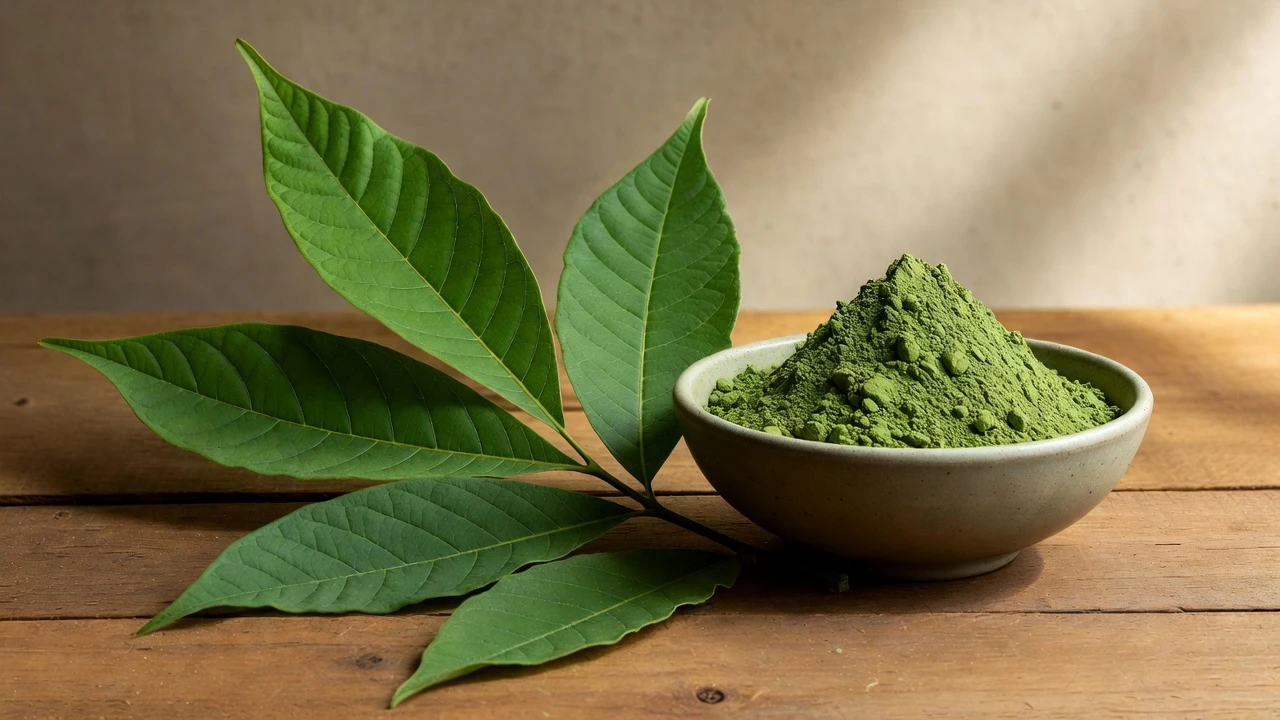

Kratom and the placebo effect often come up in discussions about natural supplements and their impact on well-being. Many people turn to kratom, derived from the leaves of the Mitragyna speciosa tree native to Southeast Asia, seeking boosts in energy, improved mood, or relief from discomfort. Reports of these experiences vary widely, leading to questions about what drives the outcomes. A key factor lies in how our minds influence our bodies through expectations.
The human brain possesses a remarkable ability to shape physical sensations based on what we anticipate. When someone believes a substance will help, the body sometimes responds accordingly, even if the active components play a smaller role than assumed. This phenomenon appears in various contexts, from traditional remedies to modern therapies. With kratom, user anecdotes frequently highlight positive shifts, but separating pharmacological actions from psychological influences proves challenging.
Understanding this interplay begins with grasping the basics of expectation-driven responses. Our thoughts and beliefs trigger real biochemical changes, such as the release of natural pain-modulating compounds or heightened alertness. These reactions explain why identical substances can produce different outcomes depending on mindset or prior information.
What Exactly Is the Placebo Effect?
At its core, the placebo effect occurs when a person experiences improvement after receiving an inactive treatment, simply because they expect it to work. This stems from the brain’s interpretation of cues, leading to tangible shifts in perception and physiology. For instance, anticipating relief can activate pathways that reduce the intensity of unpleasant sensations.
Classical Conditioning and the Role of Ritual
Researchers recognize classical conditioning as one primary driver. This happens when repeated associations link a neutral stimulus, like taking a capsule or brewing a tea, with positive outcomes from past experiences. Over time, the ritual alone sparks similar responses, much like how familiar routines signal the body to prepare for change.
In everyday contexts, these conditioned responses build gradually. The sight, smell, or act of preparation becomes a trigger, releasing natural chemicals that mimic the anticipated benefits. This mechanism explains why consistent habits around any remedy can strengthen perceived outcomes.
Conscious Anticipation and the Influence of Belief
The other key driver involves conscious anticipation. This is where deliberate beliefs about future benefits come into play, shaped by information, testimonials, or personal history. When someone holds a strong conviction that something will help, the mind engages specific neural circuits, altering how signals travel through the body.
In areas like discomfort perception, the brain can dial down amplification of incoming inputs, making experiences feel milder. Similar adjustments apply to energy levels or emotional states, where optimism fuels motivation and reduces fatigue. These reactions highlight the brain’s remarkable ability to shape physical sensations based on what we anticipate.
The Flip Side: Understanding the Nocebo Effect
Not all expectation-driven responses prove beneficial. The nocebo effect arises from negative anticipations, potentially intensifying discomfort or introducing new issues. Hearing about potential drawbacks can heighten vigilance, causing the mind to interpret neutral sensations as problematic. This opposite side underscores balance. While positive outlooks can enhance advantages, concerns might magnify drawbacks or create self-fulfilling challenges. Recognizing both helps create a more nuanced view of how mindset influences bodily experiences.

How Expectations Influence Herbal Supplement Experiences
Herbal products like kratom sit at the intersection of tradition and modern use, where cultural narratives and personal stories shape perceptions. In Southeast Asia, generations have viewed the leaves as a tool for endurance during labour or daily tasks. This longstanding positive context likely primes users for favourable outcomes.
In contemporary settings, online forums and vendor descriptions further mold views. Labels suggesting specific varieties for relaxation or invigoration create preconceived ideas. If someone selects a product marketed for focus, they may notice heightened concentration more readily, regardless of subtle chemical differences alone.
Variability in product composition adds another layer. Leaves from different regions or processing methods contain fluctuating levels of alkaloids, the compounds responsible for interactions with brain receptors. Yet, when users report distinct profiles across batches, part of the variation might stem from what they expect rather than measurable differences alone. This dynamic mirrors broader patterns in natural remedies. Many plant-based options produce mild actions, amplified or diminished by mindset. Positive framing encourages openness to subtle changes, while skepticism might blunt them.
The Role of Expectations in Perceived Energy and Mood Boosts
One common reason people explore kratom involves seeking vitality or emotional balance. Lower amounts often correlate with reports of increased alertness and sociability, akin to a mild stimulant. Higher amounts lean toward calming influences. Expectations play a pivotal part here. If someone approaches use anticipating a surge in productivity, daily tasks might feel easier, and motivation rises. The brain’s reward systems activate, releasing chemicals that enhance drive and pleasure.
Conversely, entering with doubts or fears of overstimulation could lead to anxiety or restlessness, even at moderate levels. This highlights how preconceptions filter experiences, turning ambiguous sensations into confirming evidence. Rituals surrounding preparation, such as brewing tea or measuring powder, reinforce these mental cues. The act itself signals to the body that change is coming, priming neural pathways for the anticipated shift.
Expectations and Discomfort Management
Discomfort relief ranks high among reported uses. Users describe lessened intensity from chronic issues or daily strains. While alkaloids interact with opioid pathways, contributing to analgesia, the mind’s contribution cannot be overlooked. Anticipating easing allows the brain to engage endogenous modulation systems more effectively. These natural mechanisms dampen signal transmission, aligning with observed outcomes in various contexts.
In controlled settings comparing active preparations to matched inactives, differences emerge, suggesting genuine pharmacological input. However, baseline beliefs still influence magnitude. Those with strong faith in the approach often report greater shifts. Negative preconceptions, perhaps from warnings about risks, might counteract benefits, leading to heightened awareness of remaining sensations.
Strain Differences: Chemistry or Mindset?
Marketing often categorizes products by vein colour or region, claiming unique profiles: one for uplift, another for calm. Chemical analyses sometimes reveal minimal alkaloid variations, prompting questions about origins of perceived distinctions. User reports consistently note contrasts, suggesting mindset influences interpretation. Selecting a “energizing” option primes for stimulation, while a “soothing” one prepares for tranquility.
This does not negate potential subtle compositional factors, like minor compounds or terpenes. Rather, it illustrates how beliefs colour subjective interpretation, especially with nuanced actions. Double-blind comparisons could clarify contributions, but current evidence points to a blend of factors.
Broader Implications for Natural Supplement Use
The interplay between mind and substance extends beyond kratom. Many botanicals operate in realms where subtle influences dominate, making psychological context vital. Cultivating balanced views involves several key practices:
- Focus on personal responses rather than generalized claims from others.
- Track individual patterns over time to identify what truly aligns with your needs.
- Minimize overreliance on external narratives or marketing descriptions.
- Approach exploration with open-minded curiosity, free from excessive hype or fear.
- Recognize the brain’s powerful role in shaping outcomes to better harness positive aspects while navigating natural variability.
These principles apply across a wide range of natural supplements, encouraging a more empowered and discerning approach.
Navigating Variability and Personal Responses
Experiences differ due to dosage, tolerance, setting, and biology. Starting low allows observation without overwhelming input. Consistency in sourcing aids predictability, though natural products inherently fluctuate. Mindful attention to bodily feedback distinguishes genuine shifts from transient ones. Combining with healthy habits, like rest and movement, supports overall equilibrium. Viewing any supplement as one tool among many prevents overemphasis.
Frequently Asked Questions About Kratom and the Placebo Effect
Q: Is the placebo effect the only reason people report benefits from kratom?
A: No. While expectations can significantly shape and amplify perceived benefits, kratom contains alkaloids that interact with opioid receptors and other systems in the body, producing measurable pharmacological effects separate from placebo responses.
Q: Can negative expectations completely cancel out kratom’s effects?
A: Strong negative expectations, through the nocebo effect, can reduce or alter perceived benefits and sometimes increase awareness of unpleasant sensations. However, they rarely eliminate genuine pharmacological actions entirely.
Q: Do different kratom strains really have unique effects, or is it mostly expectation?
A: User experiences often align with marketed strain differences, but chemical analyses frequently show only minor variations in primary alkaloids. This suggests expectations play a substantial role, though subtle differences in minor compounds may also contribute.
Q: How can someone tell if their experience is due to placebo or actual effects?
A: It is difficult to separate completely in personal use. Paying close attention to consistent patterns across different mindsets, dosages, and settings, while starting with low expectations, can provide clearer personal insight.
Q: Does believing strongly in kratom make it work better?
A: Positive, realistic expectations can enhance subjective outcomes by engaging the body’s natural modulation systems. However, overly high expectations may lead to disappointment if results do not match the anticipation.
Q: Is the placebo effect considered “fake” or less real?
A: Not at all. Placebo responses trigger real biochemical and neurological changes in the brain and body. They represent a genuine mind-body interaction, not imagination or deception.
Q: Can rituals around taking kratom increase the placebo response?
A: Yes. Consistent preparation methods, such as brewing tea the same way each time, can strengthen conditioned responses, making the ritual itself a trigger for anticipated effects.

The Mind’s Power in Everyday Wellness
Ultimately, the connection between kratom and the placebo effect underscores a universal truth: our minds profoundly shape bodily experiences. Harnessing this through thoughtful anticipation enhances potential upsides across wellness approaches. Whether exploring botanicals or conventional options, understanding how expectations shape outcomes promotes empowerment. It encourages realistic optimism, grounded in self-observation.
This perspective transforms uncertainty into opportunity, allowing deeper engagement with personal health journeys. By acknowledging both chemical and psychological contributions, individuals navigate choices with greater clarity and confidence.
Disclaimer
The information presented in this blog is for educational and informational purposes only and does not constitute medical advice, diagnosis, or treatment recommendations. Kratom is not approved by the U.S. Food and Drug Administration (FDA) or Health Canada for any medical use, and there are no FDA-approved products containing kratom.
The FDA has repeatedly warned consumers against using kratom due to serious safety concerns, including risks of liver toxicity, seizures, respiratory depression, substance use disorder, addiction, withdrawal symptoms, and potential for overdose or death, particularly when combined with other substances or in cases involving contaminated or adulterated products. Kratom products may contain harmful contaminants, such as heavy metals or bacteria, and their composition can vary significantly, leading to unpredictable effects.
While some individuals report benefits from kratom use, scientific evidence supporting its safety or efficacy for conditions such as pain relief, mood enhancement, energy boost, or opioid withdrawal management remains limited and inconclusive. Many reported effects may involve pharmacological actions, psychological factors like the placebo effect, or a combination thereof, but kratom carries a risk of dependence, tolerance, and adverse interactions with medications or other substances.
Always consult a qualified healthcare professional before considering any supplement, including kratom, especially if you have pre-existing health conditions, are pregnant, breastfeeding, or taking medications. Self-treatment with unregulated substances can be dangerous, and professional medical guidance is essential for safe and effective health management. The author and publisher of this guide shall not be liable for any damages, injuries, losses, or claims arising from the use or reliance on the information provided herein.