


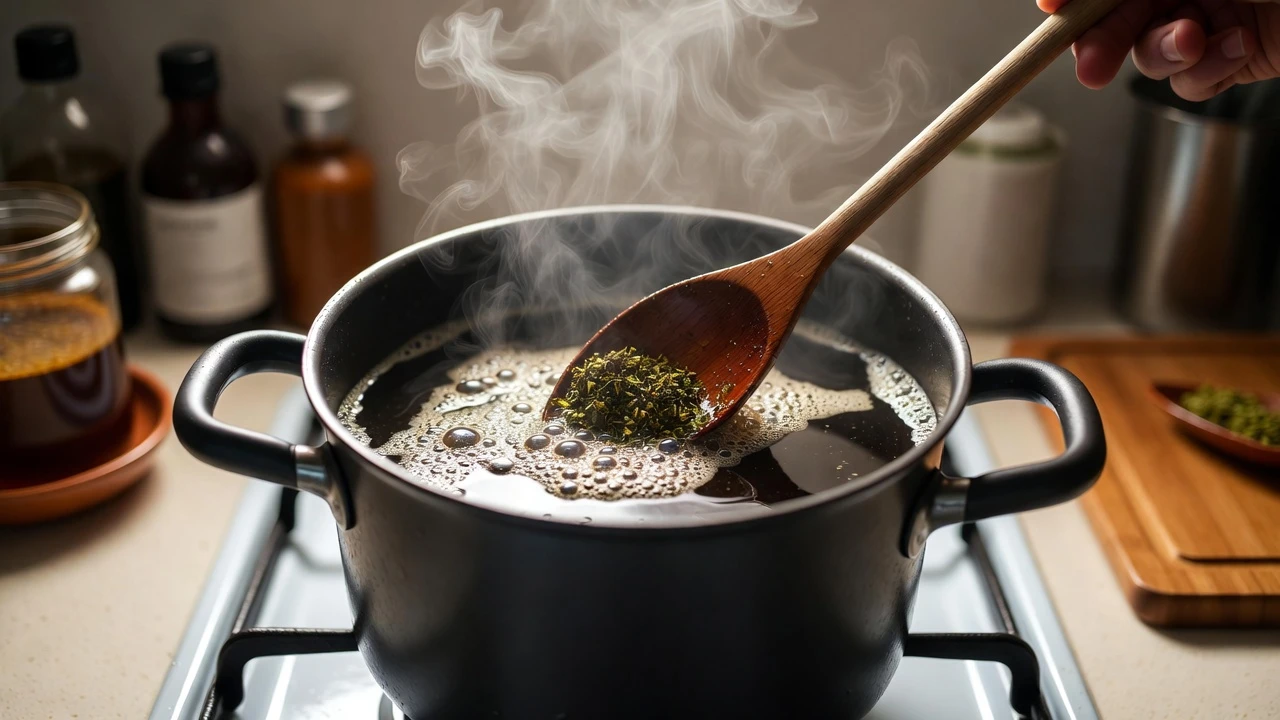

Many people who enjoy preparing kratom tea at home eventually wonder about getting more value from their batch. After finishing the first brew, a natural question arises: is the remaining powder or leaves still useful for another round? The short answer is yes, to reuse kratom is a practical and common practice for many, often allowing a second brew (and sometimes more) that provides a milder but still enjoyable experience.
Regular brewers frequently experiment with re-steeping since it feels efficient and resourceful. The first pull captures the majority of the intensity, while later ones gather what’s left behind. This mirrors traditions with other loose-leaf herbal teas, where multiple infusions are standard. Among kratom enthusiasts who favour tea, reusing the same material for extra cups is a widespread habit that promotes mindful use.
Why Reusing Kratom Works for Tea
The reason reusing kratom becomes possible comes down to extraction dynamics. When you simmer or steep kratom in hot water, the process releases compounds gradually. The initial brew, especially if done for 15 to 30 minutes with occasional stirring, captures a large share. However, complete depletion rarely happens in one go. Factors such as water hardness and temperature, acidity, steeping duration, and agitation all influence how much comes out each time.
Hot water around 190 to 212 degrees Fahrenheit tends to work well for pulling compounds efficiently without degrading them too much. Adding a bit of acidity, such as from lemon juice or citric acid, can enhance solubility and make the first extraction stronger, which sometimes leaves less for later brews. Still, even with optimized first pulls, a second attempt often yields something worthwhile.
Crushed leaf form stands out as particularly suitable for multiple uses. The larger pieces allow water to flow through more evenly, and many find they can steep the same batch two to three times before it feels spent. Powder, being finer, extracts faster initially, so the drop-off in subsequent brews can feel more noticeable. Yet plenty of people still manage a decent second tea from powder by adjusting their approach.
How Many Times Can You Realistically Reuse Kratom?
Most users report getting value from a second brew, with the tea coming out lighter in colour and flavour but still delivering a subtle effect. A third steep is possible for some, especially with crushed leaf, though it tends to be quite weak. Beyond that, the fourth or fifth reuse often produces something barely perceptible, more like flavoured water than a functional tea.
For crushed leaf, experiences vary widely. Some brew the same material up to four or five times, noticing diminishing returns each round. The first brew carries the bulk of the intensity, the second offers a milder continuation, and further ones serve more as a gentle top-up. Powder users usually cap it at two or three attempts, as the fine particles release their contents more readily upfront.
The key lies in observation. After the first brew, strain the material well and set it aside. For the second, use fresh water, perhaps slightly more acidic or hotter, and extend the steep time a little to compensate for what’s left. Many find the second brew smoother and less bitter, which appeals to those sensitive to strong tastes.
Step-by-Step Guide to Reusing Kratom for Tea
Preparing Your Kratom and Water
Start with your preferred amount, typically 5 to 15 grams depending on tolerance and desired strength. Place it in a pot or slow cooker with about 4 to 8 cups of water. Add a splash of lemon juice or a pinch of citric acid to help with extraction.
Brewing the First Extraction
Bring it to a gentle simmer, not a rolling boil, to preserve quality. Let it cook for 20 to 40 minutes, stirring occasionally.
Straining and Setting Up for Reuse
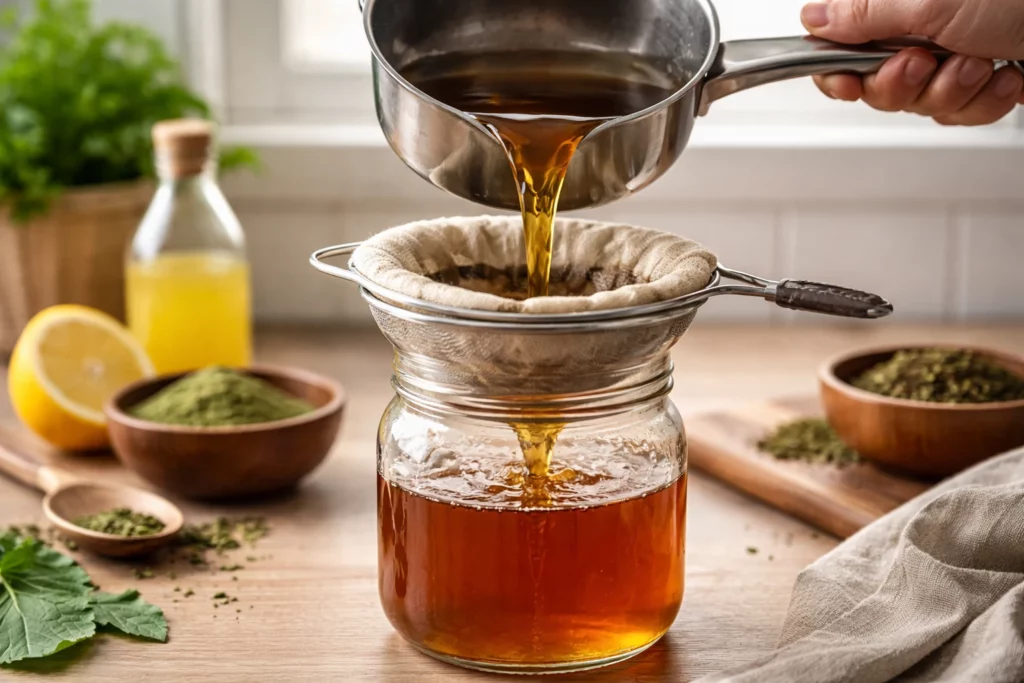
Strain through a fine mesh or cheesecloth into a container. This first tea is usually the strongest. Do not discard the leftover material yet. Rinse it briefly if desired to remove any surface debris, then return it to the pot with fresh water, perhaps 3 to 6 cups depending on how much was used initially.
Making the Second (and Third) Brew
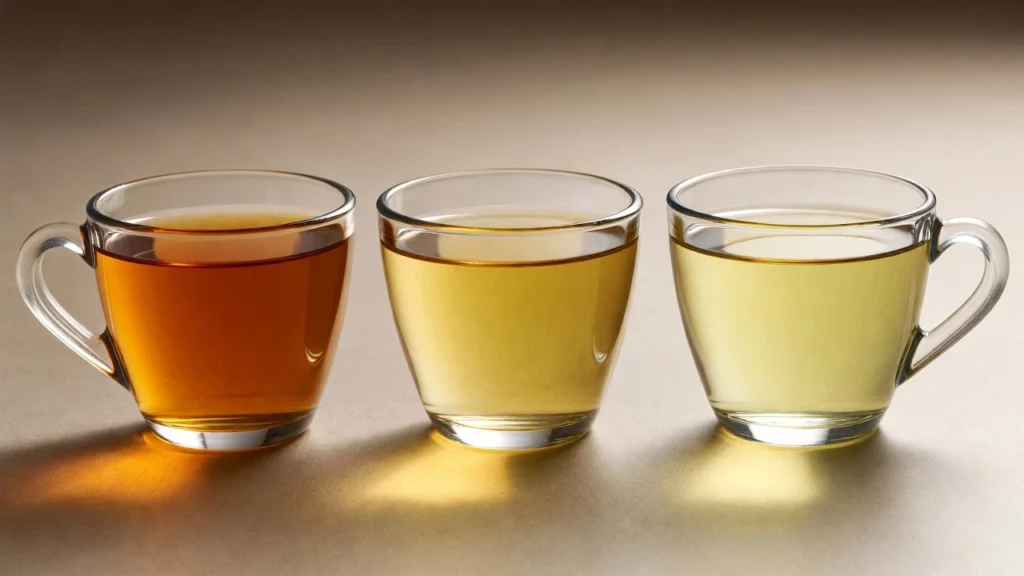
Repeat the simmer for another 15 to 30 minutes. The second brew will appear paler and taste less intense. Combine it with the first if you want a balanced cup, or drink it separately for a lighter session later. For a third attempt, follow the same steps but expect even milder results. At this stage, some add a small fresh amount to boost it, turning it into a hybrid brew.
Recommended Tools for Easier Brewing
Tools make the process easier. A French press works well for small batches, allowing easy separation after each steep. Slow cookers or dedicated tea brewers provide consistent low heat over longer periods, which can improve overall yield across multiple uses. Fine strainers prevent gritty residue in the final drink.
Factors That Influence Reuse Success
Several elements determine how effective subsequent brews turn out. Water quality matters; filtered or spring water often produces cleaner-tasting tea compared to heavily chlorinated tap water. Temperature plays a big role too. Slightly lower heat on the second steep can prevent over-extracting bitter notes while still drawing out remaining compounds.
Acidity helps across brews. A consistent addition of citrus keeps extraction efficient without making the tea too sour. Steep time adjustments also help. If the first was 30 minutes, try 20 to 25 for the second to avoid unnecessary bitterness from prolonged contact. The starting quality of the kratom affects everything. Fresher material with proper storage tends to give better results over multiple uses. Older or poorly kept batches may exhaust quicker. Strain variety influences this as well, though differences are subtle in rebrews.
Personal sensitivity counts. What feels effective for one person in a second brew might seem too weak for another. Start conservatively when trying reused material, especially if combining batches.
User Experiences and Community Insights on Reusing Kratom
Common Results with Crushed Leaf
A recurring theme among those who brew with crushed leaf is that two solid extractions are common and worthwhile. Many describe the second brew as noticeably lighter in both colour and taste, often a pale yellowish or brownish hue compared to the deeper tone of the first, but still smooth and enjoyable. They frequently note that it provides a gentler continuation of the experience, suitable for a relaxed afternoon or evening session when a full-strength serving isn’t needed.
What Powder Users Typically Experience
For those using powder, the consensus leans toward fewer effective reuses. The finer texture allows quicker release during the first extraction, so the drop-off feels sharper. Users commonly report that the second brew comes across as significantly milder, sometimes to the point where they prefer pouring it together with the first batch for balance rather than sipping it on its own. A few mention saving used powder from multiple sessions and combining several “spent” portions into one final pot, which can yield a surprisingly decent combined tea without starting from scratch.
Key Patterns Observed Across Brews
- Visual and taste cues serve as reliable indicators. The material darkens and softens after the first brew, and the liquid lightens progressively with each subsequent steep, signalling when it’s approaching exhaustion.
- Adjusting technique on later brews, such as adding a touch more acidity, using slightly hotter water, or extending the simmer by 5–10 minutes can help draw out remaining compounds, though it rarely restores the intensity of the original.
- The second brew is often praised for being less bitter or astringent, which appeals to people who find the first extraction too strong on the palate.
- By the fourth attempt (more common with crushed leaf than powder), most agree the result tastes primarily like weakly flavoured water with minimal lingering character, leading the majority to discard the material at that point.
Practical Takeaways from the Community
These insights emphasize approaching reuse with flexibility and observation rather than rigid expectations. What one person finds pleasantly mild, another might consider too faint to bother with. Many experienced brewers recommend keeping simple notes on each session, recording the amount used, steep times, water ratios, and subjective strength, to refine personal preferences over time. This trial-and-error process helps most people quickly identify their ideal number of reuses, whether it’s consistently two for convenience or pushing to three when maximizing value matters most.
Tips for Maximizing Value from Each Portion
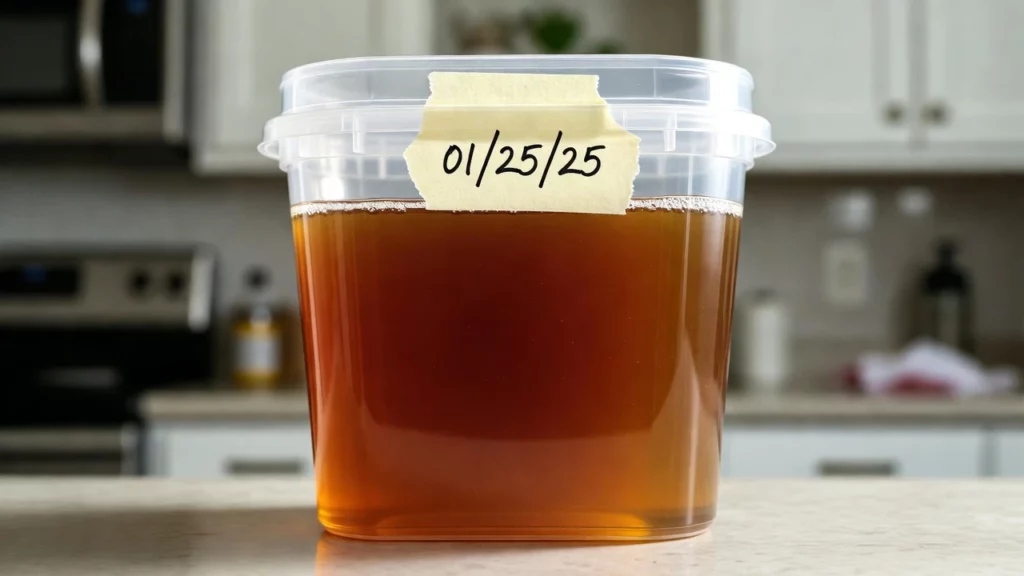
To get the most from reusing kratom, focus on technique. Stir during steeping to ensure even exposure. Use enough water to submerge the material fully, but not so much that it dilutes excessively. After straining, press the solids gently to release trapped liquid without forcing fine particles through. Store leftovers briefly in the fridge if not brewing immediately, though fresh is best. Some freeze the used material in portions for later, but potency can fade over time. Experiment with combining multiple used batches from different sessions into one stronger tea.
Flavour enhancements improve the experience across brews. Honey, ginger, or herbal additions mask any fading notes in later steeps. Keeping a log of amounts, times, and observations helps refine the process over time.
Common Mistakes to Avoid When Reusing
Over-steeping the first brew can deplete it too much, leaving little for later. Boiling too aggressively risks harsh flavours and potential breakdown. Skipping strain steps leads to gritty tea that discourages enjoyment. Assuming every reuse will match the first sets unrealistic expectations. The drop in strength is normal. Ignoring personal limits when combining brews can lead to overconsumption. Not cleaning equipment between uses allows residue buildup, affecting taste. Regular rinsing keeps things fresh.
Exploring Variations in Brewing for Reuse
Some prefer a multi-stage approach from the start. Brew once briefly for a strong initial cup, then longer for a second that captures slower-releasing elements. Others do a single long brew, strain, then re-simmer briefly for a follow-up. Cold brewing offers another angle. Soak in room-temperature water with acid for hours or overnight. The first pull is gentle, and a second cold steep can still yield something. Heat remains more common for efficiency, but cold methods suit those avoiding hot drinks.
Blending strains across brews creates unique profiles. A relaxing variety in the first steep followed by an energizing one in the second adds variety.
Practical Benefits of Reusing Kratom
Beyond extending use, reusing encourages mindful preparation. It reduces waste and promotes appreciation for the material. Many find the ritual calming, turning tea-making into a small daily practice. Cost-wise, it stretches supplies further, especially for regular users. The lighter second brew suits times when a full-strength serving feels unnecessary. Environmentally, it aligns with sustainable habits by making the most of each batch.
FAQ: Common Questions About Reusing Kratom for Tea
Q: Can you reuse kratom powder the same way as crushed leaf?
A: Yes, but with differences in results. Powder extracts faster during the first brew due to its finer texture, so the second brew often feels noticeably milder compared to crushed leaf. Many people still get value from a second steep with powder by extending simmer time slightly or combining it with the first extraction. Crushed leaf generally holds up better for two to three solid reuses because the larger particles release compounds more gradually.
Q: How much weaker is the second brew typically?
A: The second brew usually provides a gentler, smoother experience, often described as 30 to 60 percent of the first brew’s noticeable intensity, depending on your initial extraction method. It tends to be less bitter and lighter in colour, making it ideal for a relaxed follow-up cup rather than a primary serving.
Q: Is it worth trying a third or fourth brew?
A: It can be, especially with crushed leaf and larger starting amounts. Some users comfortably get a third steep that’s still mildly effective, though quite weak. By the fourth attempt, most find the result tastes like faintly flavoured water with little remaining character, so many discard the material at that point. Start with observation: if the colour and taste have lightened dramatically after two or three brews, it’s usually spent.
Q: Does adding more acid or longer steeping help later brews?
A: Yes, small adjustments can help draw out what’s left. A touch more lemon juice or citric acid, slightly hotter water, or an extra 5–10 minutes of simmer on the second or third brew often improves yield without making it too harsh. However, these tweaks rarely bring the intensity back to the first brew’s level and diminishing returns are normal.
Q: Should I combine multiple brews into one cup?
A: Combining the first and second (or even third) extractions is a popular option for balanced strength without waste. Many pour them together for a single, well-rounded serving. Others drink them separately to enjoy the contrast between a stronger initial cup and a milder follow-up. Experiment to see what suits your preferences best.
Q: What if the reused material tastes too bitter or off?
A: Bitterness in later brews can come from over-steeping the first extraction or prolonged contact in subsequent ones. Try shorter steeps on reuses, use gentler heat, or add natural sweeteners like honey to balance it. If the material smells or looks unusual, it’s best to discard it to avoid any off flavours.
Q: How should I store used kratom material between brews?
A: If not brewing immediately, rinse and store the strained material in the refrigerator for a short time (ideally same day). Fresh is always best for taste and quality. Some people freeze portions for later, but note that potency and flavour can fade over extended storage.
Final Thoughts on Reuse Kratom Practices
To reuse kratom opens up options for enjoying kratom tea in a flexible way. While the first brew usually delivers the most pronounced experience, a second or even third can provide gentle continuation or a milder alternative. Success depends on good technique, realistic expectations, and attention to detail.
With practice, you can personalize the process to your preferences, whether aiming for maximum extraction upfront or savouring multiple lighter cups. The beauty lies in the experimentation, finding what works best for your routine. Brewing kratom tea this way becomes more than just preparation; it turns into a thoughtful way to engage with the plant.
Disclaimer
Kratom is a herbal substance that has not been approved by Health Canada for any medical use, nor is it lawfully marketed as a natural health product, drug, food additive, or conventional food in Canada. Health Canada has issued warnings and advisories about kratom, highlighting risks of serious adverse events including liver toxicity, seizures, substance use disorder (addiction), and withdrawal symptoms (such as anxiety, depression, muscle aches, insomnia, and irritability upon discontinuation)
While some individuals report using kratom for effects like pain relief, energy, mood enhancement, or managing opioid withdrawal symptoms, there is limited scientific evidence supporting its safety or efficacy, and research indicates it can produce opioid- and stimulant-like effects with potential for dependence. Reusing kratom material for multiple tea brews does not eliminate these risks and may still result in variable potency, unintended accumulation of compounds if not properly managed, or exposure to contaminants if the plant material is not sourced reliably.
Brewing and consuming kratom tea, whether from fresh or reused material, should never replace professional medical advice, treatment, or prescribed medications. Consult a qualified healthcare provider before using kratom, especially if you have pre-existing medical conditions, are pregnant or breastfeeding, take other medications (including those affecting the liver or central nervous system), or have a history of substance use disorders.
Kratom products can vary widely in quality, purity, and alkaloid content due to lack of regulation, increasing the potential for contamination or inconsistent effects. The author and publisher of this content are not liable for any misuse, adverse effects, or consequences arising from the use of kratom, and this information is provided for educational purposes only. This information is not intended as medical advice, diagnosis, or treatment recommendation.