How Kratom’s Leaf Size Can Shape Its Potent Alkaloid Content
Faust
Kratom’s leaf size has long intrigued enthusiasts and researchers alike, sparking curiosity about whether the dimensions of a kratom leaf can influence its alkaloid content. The leaves found on kratom trees, which contain compounds that contribute to its unique properties are celebrated for their impact on wellness. These compounds, known as alkaloids, are the heart of kratom’s appeal, and understanding what affects their concentration is key to appreciating the plant’s complexity. Many wonder if larger leaves pack more alkaloid punch or if smaller ones hold concentrated power. This question, while seemingly straightforward, opens the door to a fascinating exploration of botany, environmental factors, and plant chemistry.
What Are Alkaloids, and Why Do They Matter?
Before examining kratom’s leaf size, it’s essential to understand alkaloids. These naturally occurring compounds are produced by plants, often serving as a defense mechanism against pests or environmental stress. In kratom, the primary alkaloids are mitragynine and 7-hydroxymitragynine, which are responsible for the plant’s distinctive characteristics. The concentration of these alkaloids determines the leaf’s potency, making them a focal point for anyone studying or using kratom.
Alkaloid content isn’t static; it varies based on several factors, including the plant’s genetics, growing conditions, and the time of harvest. This variability leads to the question of whether leaf size, a visible and measurable trait, plays a significant role in alkaloid production. To answer this, we need to explore how kratom leaves develop and what influences their chemical makeup.
The Growth of Kratom Leaves
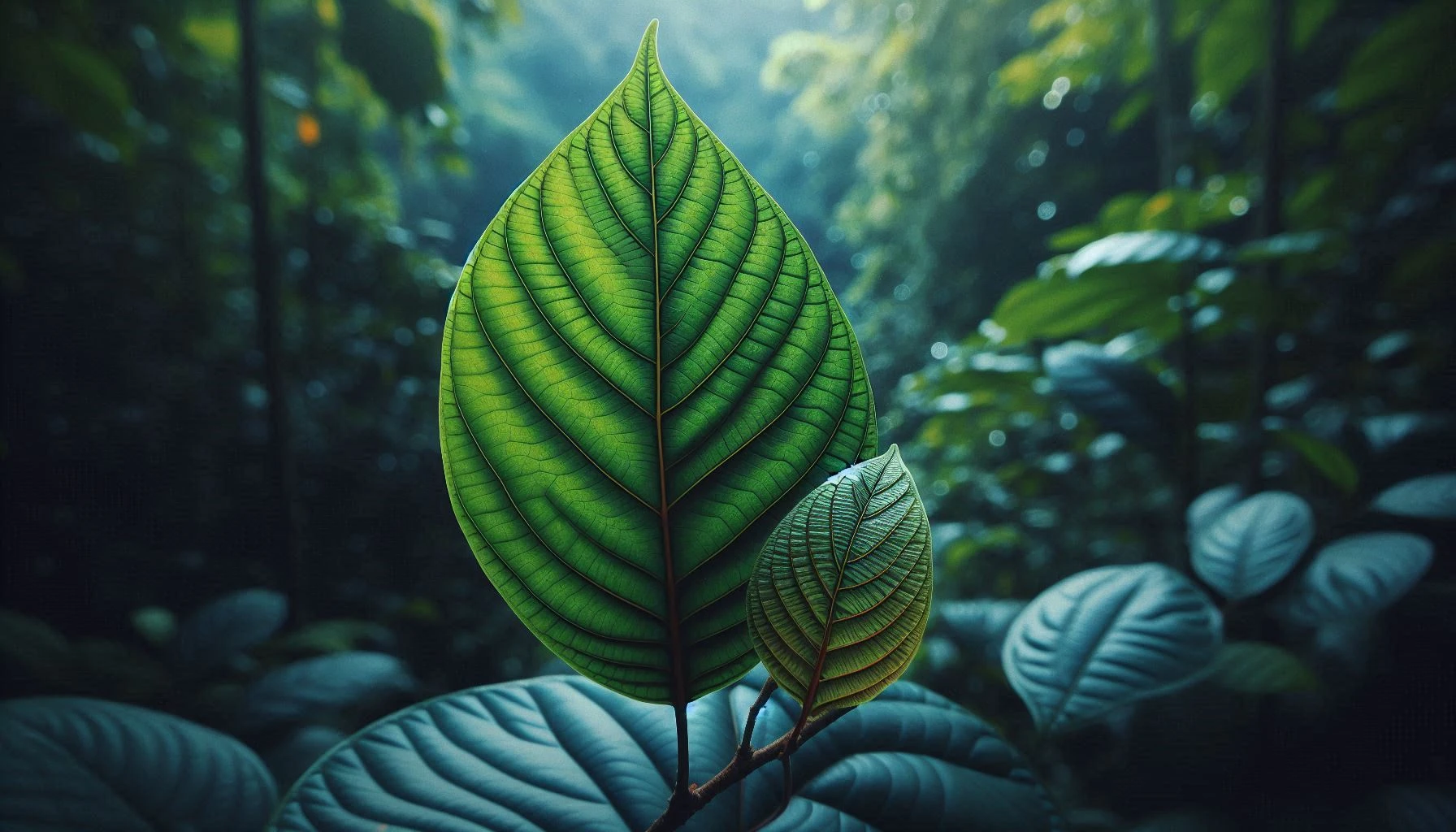
Kratom, scientifically known as Mitragyna speciosa, thrives in the humid, tropical climates of countries like Thailand, Malaysia, and Indonesia. Its leaves grow in pairs along the branches, varying in size from small, budding leaves to broad, mature ones that can span several inches. The size of a kratom leaf is influenced by the tree’s age, the climate, soil quality, and access to sunlight and water.
Young kratom leaves start small, typically measuring a few centimeters in length. As the tree matures and environmental conditions allow, leaves can grow significantly larger, sometimes reaching up to 8 inches long and 5 inches wide. These larger leaves are often associated with older, more established trees, while smaller leaves are typically found on younger plants or new growth.
The assumption that bigger leaves automatically contain more alkaloids stems from the idea that larger surfaces might store more compounds. However, plant biology is rarely that simple. To understand the relationship between kratom’s leaf size and alkaloid content, we must consider how plants allocate resources during growth.
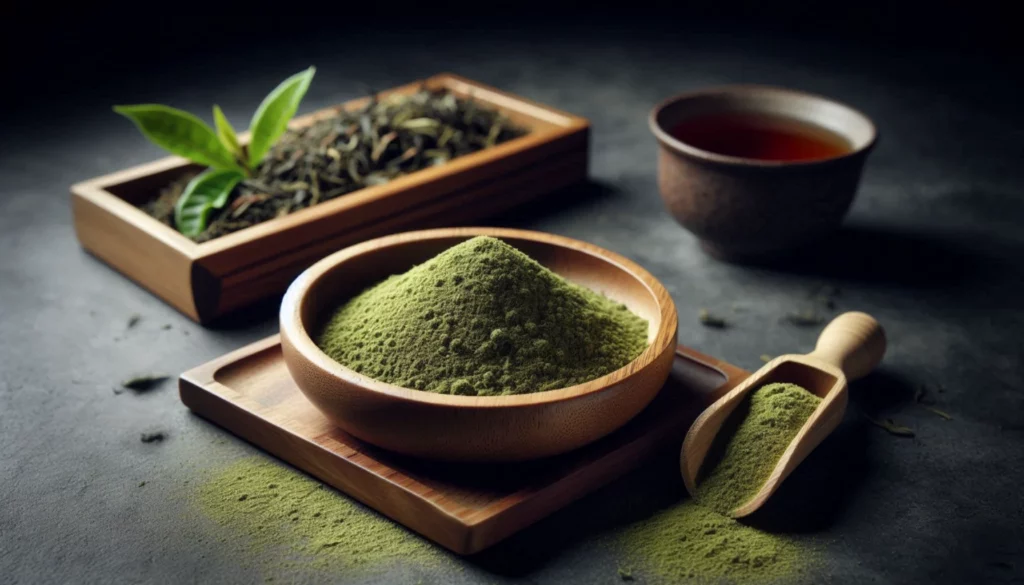
Wooden bowl of kratom powder accompanied by loose-leaf kratom, a fresh plant shoot, and a rustic tea cup
Does Size Equal Strength?
The notion that larger kratom leaves have higher alkaloid content is a common one, but it’s not entirely accurate. Leaf size alone doesn’t dictate alkaloid concentration. Instead, it’s one of several factors that interact in complex ways. Let’s break down why this is the case.
Larger leaves often come from mature kratom trees, which have had more time to develop robust root systems and access nutrients. These trees may produce leaves with a higher total volume of alkaloids simply because they have more leaf mass. However, alkaloid concentration, the amount of alkaloids per unit of leaf tissue, doesn’t necessarily increase with size. Smaller leaves, particularly those from younger plants or new growth, can sometimes have higher alkaloid concentrations due to their stage of development.
During early growth, kratom leaves prioritize producing defensive compounds like alkaloids to protect against herbivores and environmental stress. This means smaller, younger leaves may pack a more potent alkaloid punch relative to their size. As leaves grow larger, the plant may shift its resources toward structural growth, such as developing thicker cell walls or expanding surface area, which can dilute alkaloid concentration.
This doesn’t mean larger leaves are less potent overall. A bigger leaf may contain a greater total amount of alkaloids due to its mass, even if the concentration per gram is lower. For example, a 20-gram large leaf with a 1% alkaloid concentration contains more total alkaloids than a 5-gram small leaf with a 1.5% concentration. The trade-off between concentration and total mass is a key consideration when evaluating kratom’s leaf size.
While kratom’s leaf size plays a role, environmental factors have a significant impact on alkaloid production. These factors often outweigh size alone in determining a leaf’s chemical profile.
Soil Quality
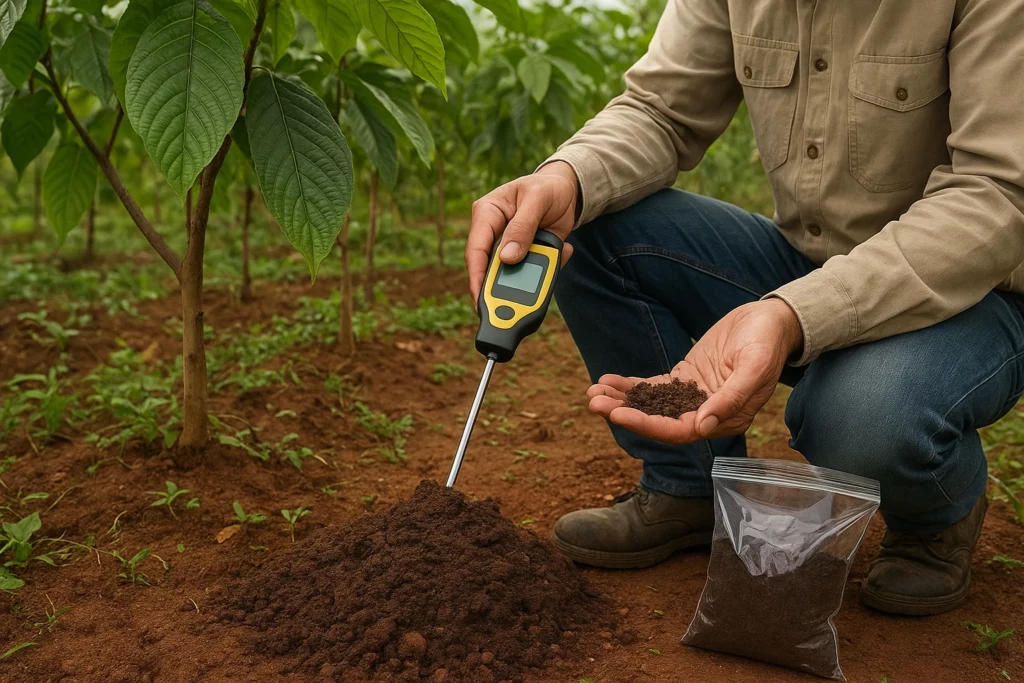
Kratom trees thrive in nutrient-rich, well-drained soils. Fertile soil supports healthy growth, allowing the plant to allocate energy to alkaloid synthesis. Poor soil, on the other hand, can stress the plant, potentially reducing alkaloid production regardless of leaf size.
Sunlight Exposure
Photosynthesis drives the production of energy needed for alkaloid synthesis. Leaves that receive ample sunlight tend to have higher alkaloid content, as the plant can produce more energy to fuel chemical processes. Smaller leaves in shaded areas may have lower alkaloid levels due to limited photosynthesis, while larger leaves in full sun may benefit from increased energy availability.
Water Availability
Kratom trees require consistent moisture to thrive. Drought stress can reduce leaf size and alter alkaloid production, as the plant conserves energy for survival. Conversely, well-watered plants may produce larger leaves with stable alkaloid levels.
Climate and Season
The tropical climate of Southeast Asia supports year-round kratom growth, but seasonal changes, such as rainy or dry periods, can influence leaf development and alkaloid content. For instance, leaves harvested during the rainy season may grow larger due to abundant water but could have slightly lower alkaloid concentrations due to rapid growth.
These environmental factors highlight that kratom’s leaf size is just one piece of a larger puzzle. A large leaf from a stressed tree may have less alkaloid content than a smaller leaf from a healthy, well-nourished plant.
The Role of Leaf Maturity
Beyond size, the maturity of a kratom leaf significantly affects its alkaloid profile. Leaves go through distinct stages of development, each with unique characteristics.
Young Leaves
Small, tender leaves are often rich in alkaloids as the plant invests in protective compounds early on. These leaves may have higher concentrations of mitragynine, contributing to their potency.
Mature Leaves
As leaves grow larger and mature, their alkaloid content stabilizes. Mature leaves often have a balanced alkaloid profile, making them a popular choice for harvesting.
Old Leaves
Larger, older leaves may begin to lose alkaloid potency as the plant redirects resources to new growth. However, their sheer size can still result in a significant total alkaloid yield.
Harvesting practices play a crucial role here. Farmers often select leaves at specific stages of maturity to optimize alkaloid content, regardless of size. This selective harvesting underscores that size alone isn’t the defining factor; timing and plant health are equally critical.
Farmer examining soil with a testing tool amidst lush kratom plants, with a small bag of soil nearby.
Kratom Strains and Leaf Size
Kratom enthusiasts often discuss different “strains,” such as Maeng Da, Bali, or Borneo, which are associated with varying effects. These strains aren’t distinct botanical varieties but rather reflect differences in growing conditions, harvesting practices, and processing methods. Leaf size can vary across strains, and this variation may influence perceptions of potency.
For example, Maeng Da is often described as having smaller, more compact leaves compared to the broader leaves of Borneo strains. Some users believe Maeng Da’s smaller leaves contribute to its reputation for high potency, possibly due to higher alkaloid concentrations in younger leaves. However, this perception may also stem from careful harvesting and processing techniques that prioritize peak alkaloid content, rather than leaf size alone.
Understanding that strains are influenced by environmental and human factors helps clarify why leaf size doesn’t tell the whole story. A well-grown, smaller-leafed Maeng Da plant may outperform a larger-leafed strain from a less optimal environment.
Processing and Its Impact on Alkaloid Retention
Once harvested, kratom leaves undergo processing, such as drying and grinding, which can affect alkaloid content. The way leaves are handled post-harvest can either preserve or diminish their chemical profile, regardless of their original size.
Drying Methods
Traditional sun-drying or indoor drying can influence alkaloid stability. Excessive heat or prolonged exposure to sunlight may degrade sensitive compounds, reducing potency. Smaller leaves, with less surface area, may dry more quickly and retain alkaloids better under certain conditions.
Grinding and Storage
After drying, leaves are often ground into powder. Proper storage is critical to prevent alkaloid degradation due to moisture, heat, or light. Whether the leaves were large or small, improper handling can negate any advantages in alkaloid content. This means that even if larger leaves contain more total alkaloids at harvest, poor processing could result in a less potent final product. Conversely, smaller leaves with high alkaloid concentrations can lose their edge if not handled carefully.
Why Leaf Size Matters to Users
For those who use kratom, understanding the relationship between leaf size and alkaloid content can inform their choices. While size isn’t the sole determinant of potency, it’s a factor worth considering alongside other variables like strain, harvest timing, and processing quality.
Larger leaves may appeal to those seeking a higher total alkaloid yield, especially if sourced from healthy, mature trees. Smaller leaves, on the other hand, might be preferred for their potentially higher alkaloid concentrations, particularly in strains known for potency. Ultimately, the quality of the growing environment and post-harvest practices often outweighs the impact of leaf size alone.
Practical Takeaways for Kratom Enthusiasts
When exploring kratom, focus on the bigger picture rather than fixating on leaf size. Here are some key points to keep in mind:
Look Beyond Size: Larger leaves don’t always mean more alkaloids, and smaller leaves aren’t necessarily less potent. Consider the plant’s growing conditions and harvest practices.
Prioritize Quality: Seek kratom from reputable sources that emphasize sustainable farming and careful processing to preserve alkaloid content.
Understand Variability: Alkaloid levels fluctuate based on numerous factors, so consistency in quality depends on the expertise of growers and processors.
Experiment Thoughtfully: Different strains and leaf types offer unique profiles. Exploring a variety can help you find what suits your preferences.
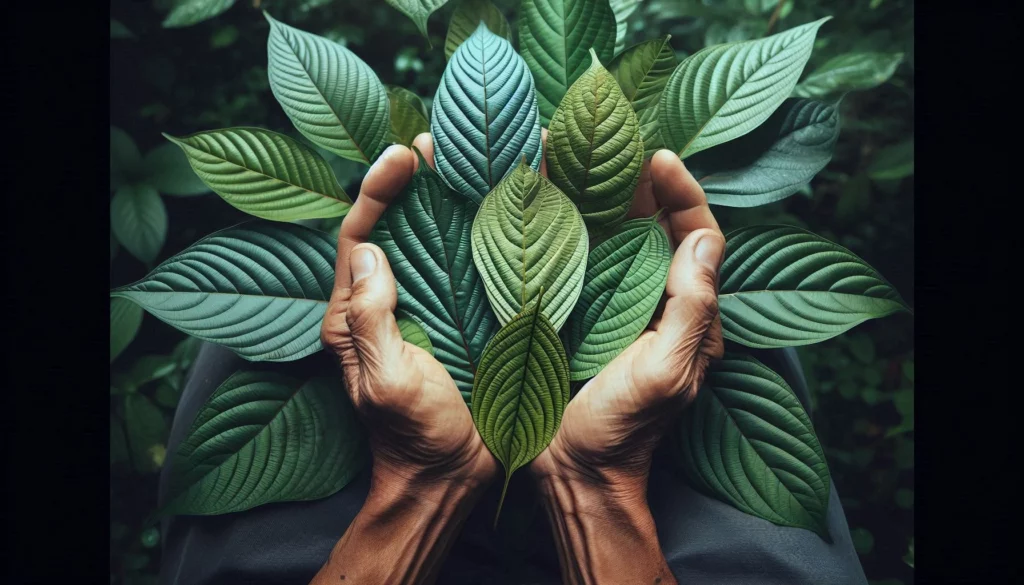
A pair of hands cradling diverse kratom leaves, showcasing their rich green hues and varying dimensions.
Frequently Asked Questions About Kratom’s Leaf Size
Q: Can I tell a kratom leaf’s potency just by looking at its size? A: No, kratom’s leaf size alone doesn’t determine potency. While larger leaves may contain more total alkaloids due to their mass, smaller leaves can have higher alkaloid concentrations. Factors like growing conditions, leaf maturity, and processing methods play a larger role in determining potency.
Q: Are smaller kratom leaves always more potent than larger ones? A: Not necessarily. Smaller leaves, especially younger ones, may have higher alkaloid concentrations due to the plant’s focus on defensive compounds early in growth. However, larger leaves from mature trees can contain more total alkaloids, even if their concentration is lower. It depends on the plant’s health and environment.
Q: Does kratom’s leaf size vary between different strains? A: Yes, leaf size can vary across kratom strains due to differences in growing conditions and harvesting practices. For example, Maeng Da often has smaller, compact leaves, while Borneo strains may have larger, broader leaves. These differences don’t directly dictate alkaloid content but can influence perceptions of potency.
Q: How does the environment affect kratom’s leaf size and alkaloid content? A: Environmental factors like soil quality, sunlight, water availability, and climate significantly impact both leaf size and alkaloid content. Nutrient-rich soil and ample sunlight can support larger leaves and higher alkaloid production, while stress from drought or poor soil may reduce both size and potency.
Q: Does the way kratom is processed change the impact of leaf size? A: Yes, processing methods like drying and storage can affect alkaloid retention, regardless of leaf size. Smaller leaves may dry faster, potentially preserving alkaloids better, while larger leaves require careful handling to avoid degradation from heat or moisture.
Q: Should I choose kratom based on leaf size? A: Leaf size is just one factor to consider. Focus on sourcing kratom from reputable growers who prioritize quality farming and processing practices. Understanding the plant’s growing conditions, harvest timing, and strain characteristics will help you make better choices than relying on size alone.
Final Thoughts
The question of whether kratom’s leaf size dictates its alkaloid content reveals a truth about nature: nothing is as simple as it seems. Larger leaves may hold more total alkaloids, while smaller ones can boast higher concentrations. Yet, factors like soil, sunlight, water, and harvesting practices often have a greater influence on a leaf’s chemical makeup. For kratom enthusiasts, this knowledge offers a deeper connection to the plant, fostering respect for the delicate balance of nature and human care that shapes its potency.
As you explore kratom, let curiosity guide you. Look for quality, ask questions, and embrace the complexity of this remarkable plant. By doing so, you’ll gain a richer understanding of what makes kratom unique, from the size of its leaves to the compounds that define its character.
Disclaimer
The information provided about kratom, its leaf size, and alkaloid content is intended for educational and informational purposes only. It is not intended to serve as medical advice, diagnosis, or treatment. Kratom (Mitragyna speciosa) is a botanical substance that has not been approved by Health Canada for any medical use. The safety, efficacy, and long-term effects of kratom use are not fully understood, and its consumption may carry potential health risks, including but not limited to dependency, adverse reactions, or interactions with medications.
Individuals considering kratom should consult a qualified healthcare professional before use, especially if they have pre-existing medical conditions, are pregnant or nursing, or are taking medications. The effects of kratom can vary widely based on factors such as dosage, strain, and individual physiology, and improper use may lead to serious health consequences. Always source kratom from reputable suppliers to minimize risks associated with contamination or inconsistent potency.
Users are responsible for researching and complying with local, state, and federal regulations regarding kratom, as its legal status varies by jurisdiction. The authors and publishers of this content are not liable for any adverse effects or consequences resulting from the use of kratom or reliance on the information provided.
On February 16, 2026, select provinces will observe regional holidays.
Canada Post will operate as normal and all shipments will be processed as usual.
FedEx will be closed in Prince Edward Island (Islander Day); Alberta, British Columbia, Ontario, Saskatchewan, and New Brunswick (Family Day); Manitoba (Louis Riel Day); and Nova Scotia (Heritage Day). FedEx shipments to these provinces will move the next business day.