Starting your journey with kratom, a plant steeped in Southeast Asian tradition, can feel exciting yet overwhelming for beginners. A well-crafted kratom starter kit serves as your foundation for a safe and enjoyable experience, providing the tools and knowledge to explore this botanical responsibly. Whether you seek energy, relaxation, or mood support, having the right essentials is key. This blog offers five vital tips to build a personalized kratom starter kit, covering strains, preparation methods, dosing tools, and safety practices. A starter kit goes beyond products; it equips you with the resources to use kratom wisely.
Understanding Kratom and Its Place in Your Starter Kit
Before building your kratom starter kit, it’s crucial to understand what kratom is and why it’s unique. Native to Southeast Asia, kratom has a long history as a traditional remedy. Farmers and labourers chewed its leaves or brewed them into tea to boost energy, ease fatigue, or soothe discomfort. Today, it’s available in forms like powders, capsules, and extracts, each offering distinct ways to experience its effects. This diversity makes kratom versatile, but beginners must approach it with care.
Your starter kit should align with your goals for using kratom. Are you looking for a morning boost, a way to relax after a long day, or support for your wellness routine? Different strains and forms cater to specific needs, so clarity about your intentions will guide your choices. A good kit balances variety with simplicity, ensuring you have what you need without feeling overwhelmed. By starting with a few carefully chosen items, you can explore kratom’s potential while keeping things manageable.
Step 1: Selecting the Right Kratom Strains for Your Kit
Exploring Kratom Strains
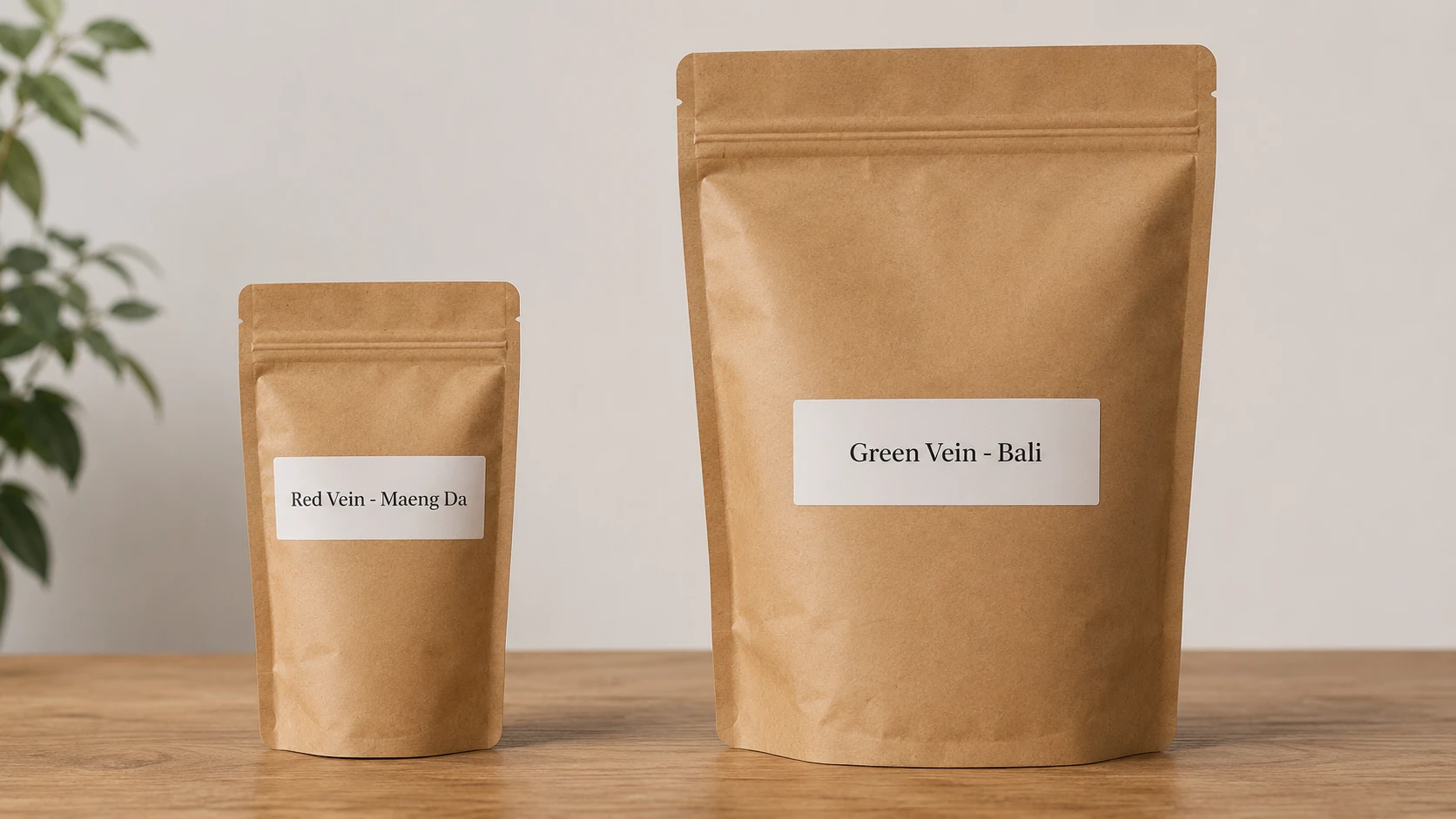
A key step in creating your kratom starter kit is choosing the right strains. Kratom is categorized by vein colour, red, green, and white, each linked to distinct effects. These differences come from variations in alkaloid profiles, influenced by factors like leaf age and growing conditions.
- Red Vein Kratom: Known for calming properties, red vein strains are often chosen for relaxation or evening use. They’re ideal if you want a soothing experience, like unwinding after a stressful day.
- Green Vein Kratom: Green strains offer a balance, providing mild stimulation alongside relaxation. They’re versatile, suitable for daytime use when you need focus without jitteriness.
- White Vein Kratom: These strains are typically energizing, making them popular for morning routines or tasks requiring alertness. They deliver a clean boost without caffeine’s intensity.
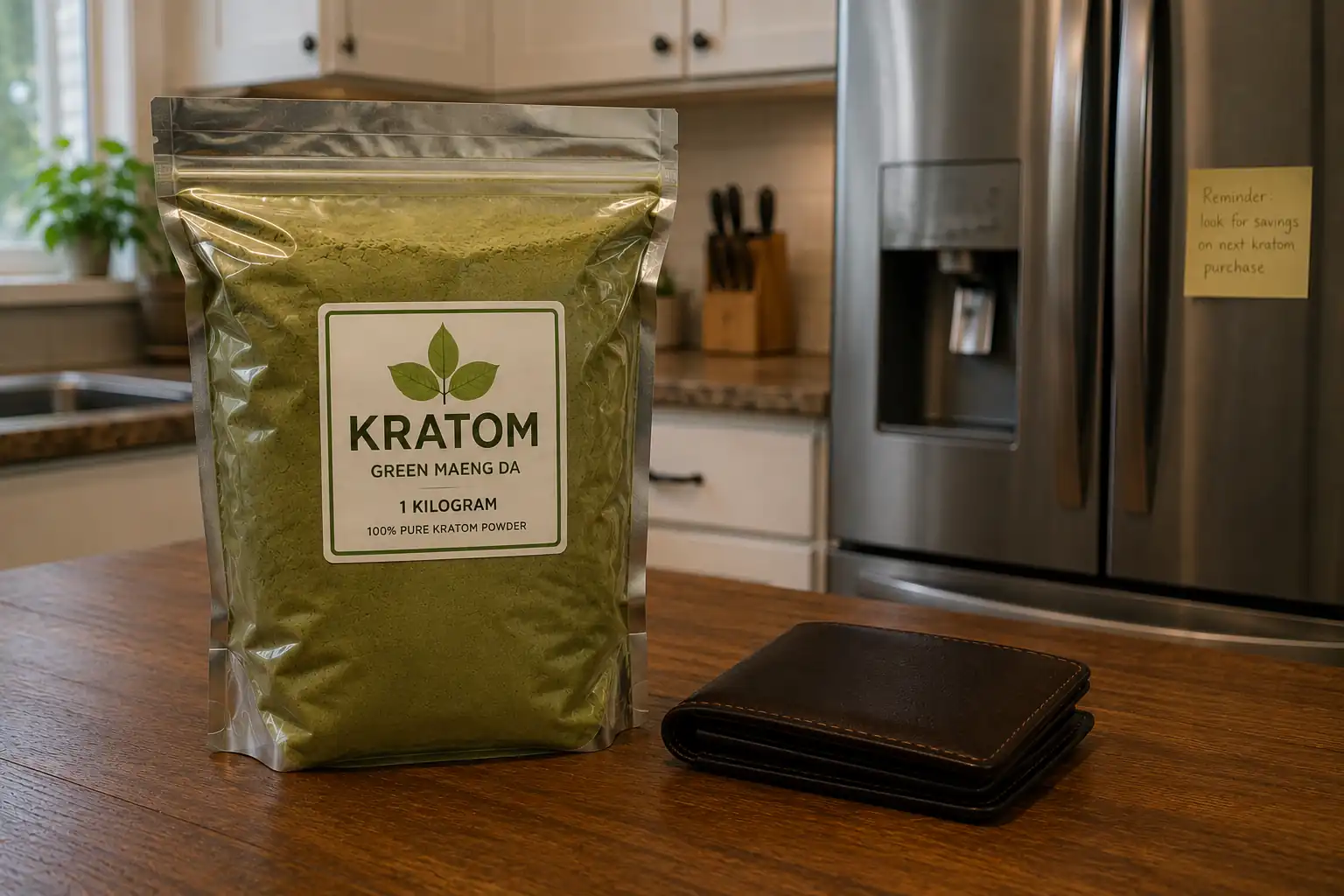
For a beginner’s kit, include one strain from each category to test their effects. A small sample pack, such as 25 grams of each, lets you experiment without committing to large amounts. Avoid blends or enhanced strains initially, as they can be harder to gauge.
Tips for Choosing Strains
When selecting strains, prioritize quality over quantity. Seek vendors who share detailed product information, including the region of origin, like Borneo or Bali, and lab-testing for purity. Reputable sources ensure kratom is free from contaminants, which is vital for safety. Start with popular strains like Red Bali, Green Maeng Da, or White Borneo, as they’re widely available and well-documented. Your kratom starter kit should offer enough variety to explore, but keep it simple to avoid decision overload.
Step 2: Picking the Best Form for Your Needs
Powder, Capsules, or Extracts?
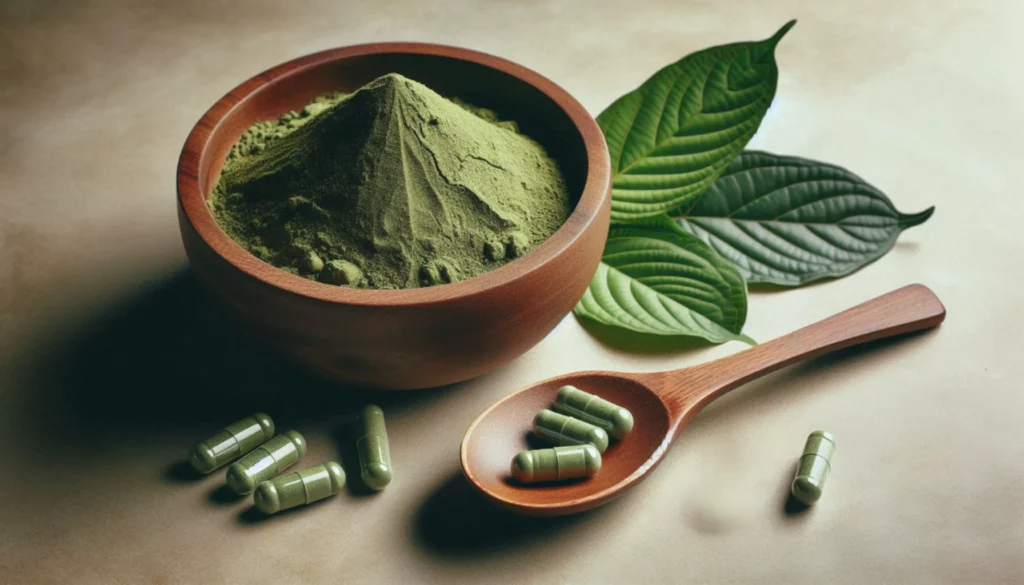
Kratom comes in several forms, each with unique benefits. Your kratom starter kit should include the form that fits your lifestyle and preferences. Here’s a look at the most common options:
- Powder: The most versatile form, kratom powder can be mixed into drinks, brewed as tea, or used in recipes. It allows precise dosing and is often cost-effective, though its earthy taste may deter some.
- Capsules: Convenient and tasteless, capsules are perfect for beginners seeking simplicity. Each capsule typically holds 0.5 grams, making dosing easy. They’re portable but may cost more than powder.
- Extracts: Highly concentrated, extracts are potent and require smaller doses. They’re not ideal for beginners due to their strength and higher price. Focus on powders or capsules for your starter kit.
For a beginner’s kit, powders or capsules are the best starting points. Powders offer flexibility, while capsules provide ease of use. Include one or both in your kit, depending on whether you value convenience or customization.
Practical Considerations
Think about your daily routine when choosing a form. If you’re often on the move, capsules are discreet and portable. If you enjoy experimenting with preparation, powders let you mix kratom into smoothies or teas. A kratom starter kit might include 50 grams of powder and a small pack of capsules, around 20 to 30, to try both. This gives you options to find what works best.
Step 3: Essential Tools for Precise Dosing
Why Dosing Matters
Accurate dosing is critical with kratom, as effects vary greatly based on the amount taken. Too little may have no effect, while too much can cause discomfort, like nausea or dizziness. Your kratom starter kit should include tools to measure doses precisely, ensuring consistency and safety.
Must-Have Dosing Tools
- Digital Scale: A scale with 0.01-gram precision is essential for measuring kratom powder. This ensures you use the exact amount needed, especially when starting with small doses of 1 to 2 grams.
- Measuring Spoons: For convenience, a set of micro spoons helps with quick measurements. A level teaspoon typically holds about 2 grams of powder, though a scale is more accurate.
- Capsule Filler (Optional): If you prefer capsules but want to save money, a manual capsule-filling machine lets you make your own. Pair it with size 00 capsules for standard dosing.
For beginners, start with a digital scale and measuring spoons. These tools ensure consistent dosing, helping you track what amounts work best. Capsules eliminate measuring but limit flexibility, so balance their use with powder for experimentation.
Dosing Guidelines for Beginners
Start with a low dose, around 1 to 2 grams, to gauge your sensitivity. Wait at least 45 minutes to feel the effects before considering more. Most users find 2 to 5 grams effective for mild effects, while higher doses, 5 to 8 grams, are for experienced users. Keep a journal in your kratom starter kit to record doses and effects. This helps you identify patterns and refine your approach over time.
Step 4: Preparation Methods to Elevate Your Experience
Brewing Kratom Tea
Brewing kratom into tea is a traditional method that softens its bitter taste and allows gradual effects. To include tea-making in your kratom starter kit, you’ll need:
- Fine Mesh Strainer or Cheesecloth: To filter out plant material after brewing.
- Small Pot or Kettle: For heating water to a simmer, avoiding boiling to preserve alkaloids.
- Citrus or Honey: Adding lemon juice or honey improves taste and aids alkaloid extraction.
To make kratom tea, mix your dose, such as 2 grams, with water and a splash of lemon juice, simmer for 10 to 15 minutes, then strain. Cool the tea and sip slowly. Include these items in your kit if you enjoy warm drinks or want a gentle introduction to kratom’s effects.
Toss and Wash Method
The toss and wash method involves placing a measured dose of kratom powder in your mouth and washing it down with water or juice. It’s quick but requires tolerance for the taste. Keep a flavoured drink, like orange juice, in your kit to mask the flavour. This method suits experienced users but can be tried sparingly by beginners.
Choosing Your Method
Experiment with preparation methods to find what suits you. Tea is ideal for a soothing ritual, while capsules or toss and wash are faster for busy schedules. Your kit should include tools for at least one method, with tea-making supplies being beginner-friendly due to their versatility.
Step 5: Storage and Safety Practices for Your Kit
Proper Storage for Freshness
Kratom’s potency relies on proper storage to protect its alkaloids from degradation. Your kratom starter kit should include storage solutions to maintain quality:
- Airtight Containers: Glass jars or vacuum-sealed bags prevent moisture and air exposure.
- Cool, Dark Place: Store kratom away from sunlight and heat to preserve its effects.
- Labeling Supplies: Mark containers Tweaking kratom’s effects on you. If you experience side effects like nausea or lethargy, lower your dose or take a break. Your kit’s journal helps identify patterns and adjust accordingly. Always prioritize moderation and self-awareness.
Connecting with the Kratom Community
Engaging with other kratom users can enrich your experience. Online forums, like Reddit’s kratom community, offer insights from experienced users. Share your kratom starter kit journey and learn tips on strains, preparation, and safety. This community connection can make your exploration more rewarding and informed.
FAQ
Q: What strains should I include in my Kratom starter kit?
A: A beginner’s kratom starter kit should include one strain from each vein colour: red, green, and white. Red Bali is great for relaxation, Green Maeng Da offers balanced focus, and White Borneo provides energy. Start with 25 grams of each to experiment safely.
Q: Which form of kratom is best for beginners in a starter kit?
A: Powders and capsules are ideal for a kratom starter kit. Powders are versatile for teas or smoothies, while capsules are convenient and tasteless. Include 50 grams of powder and 20 to 30 capsules to try both.
Q: What tools are essential for accurate dosing in a Kratom starter kit?
A: A digital scale with 0.01-gram precision and micro measuring spoons are must-haves for your kratom starter kit. They ensure precise dosing, starting at 1 to 2 grams, to avoid discomfort and track effects.
Q: How can I make kratom taste better in my starter kit preparations?
A: To improve the taste of kratom, include tea-making supplies like a strainer, lemon juice, and honey in your kratom starter kit. Brewing tea or mixing powder with citrus smoothies or chocolate milk masks the bitterness.
Q: How should I store kratom in my starter kit to keep it fresh?
A: Store kratom in airtight glass jars or vacuum-sealed bags in a cool, dark place. Include labeling supplies in your kratom starter kit to mark strain names and dates, ensuring freshness.
Q: What safety practices should I follow with my Kratom starter kit?
A: Start with low doses, 1 to 2 grams, and avoid frequent use. Stay hydrated with a water bottle in your kit, avoid mixing with other substances, and track doses in a journal to ensure safe use.
Conclusion
Building a kratom starter kit is about more than gathering products; it’s about creating a foundation for a safe, enjoyable, and informed kratom experience. By choosing quality strains, selecting the right form, using precise dosing tools, exploring preparation methods, and prioritizing storage and safety, you set yourself up for success. These five tips, selecting strains, picking forms, dosing accurately, preparing thoughtfully, and storing safely, provide a clear roadmap for beginners. With a well-planned kit, you can explore kratom’s potential confidently, tailoring it to your unique needs.
Approach kratom with curiosity and respect. Start small, stay informed, and listen to your body. Your kratom starter kit is your gateway to understanding this fascinating plant, offering the tools to make your experience meaningful and safe. Whether brewing a soothing tea or taking a convenient capsule, your kit empowers you to navigate kratom with ease, paving the way for a thoughtful and rewarding journey.
Disclaimer
The information in this blog is for educational purposes only. Kratom (Mitragyna speciosa) is a botanical substance, and its use, effects, and safety are not fully regulated or standardized in many regions, including Canada. This guide is not intended to diagnose, treat, cure, or prevent any medical condition or disease, nor should it replace professional medical advice.
Kratom may produce effects like stimulation, relaxation, or mood changes, depending on the strain, dose, and individual response. However, its use carries risks, including side effects such as nausea, dizziness, constipation, or, in rare cases, more serious effects with improper use or high doses. Long-term or frequent use may lead to dependency or tolerance.
Consult a qualified healthcare professional before using kratom, especially if you have medical conditions, are pregnant or breastfeeding, or are taking medications. Kratom is not approved by Health Canada or the U.S. Food and Drug Administration (FDA) for medical use, and its safety and efficacy are not fully studied. The author and publisher are not responsible for any effects, adverse or otherwise, resulting from the use of kratom or the application of information provided in this blog.