


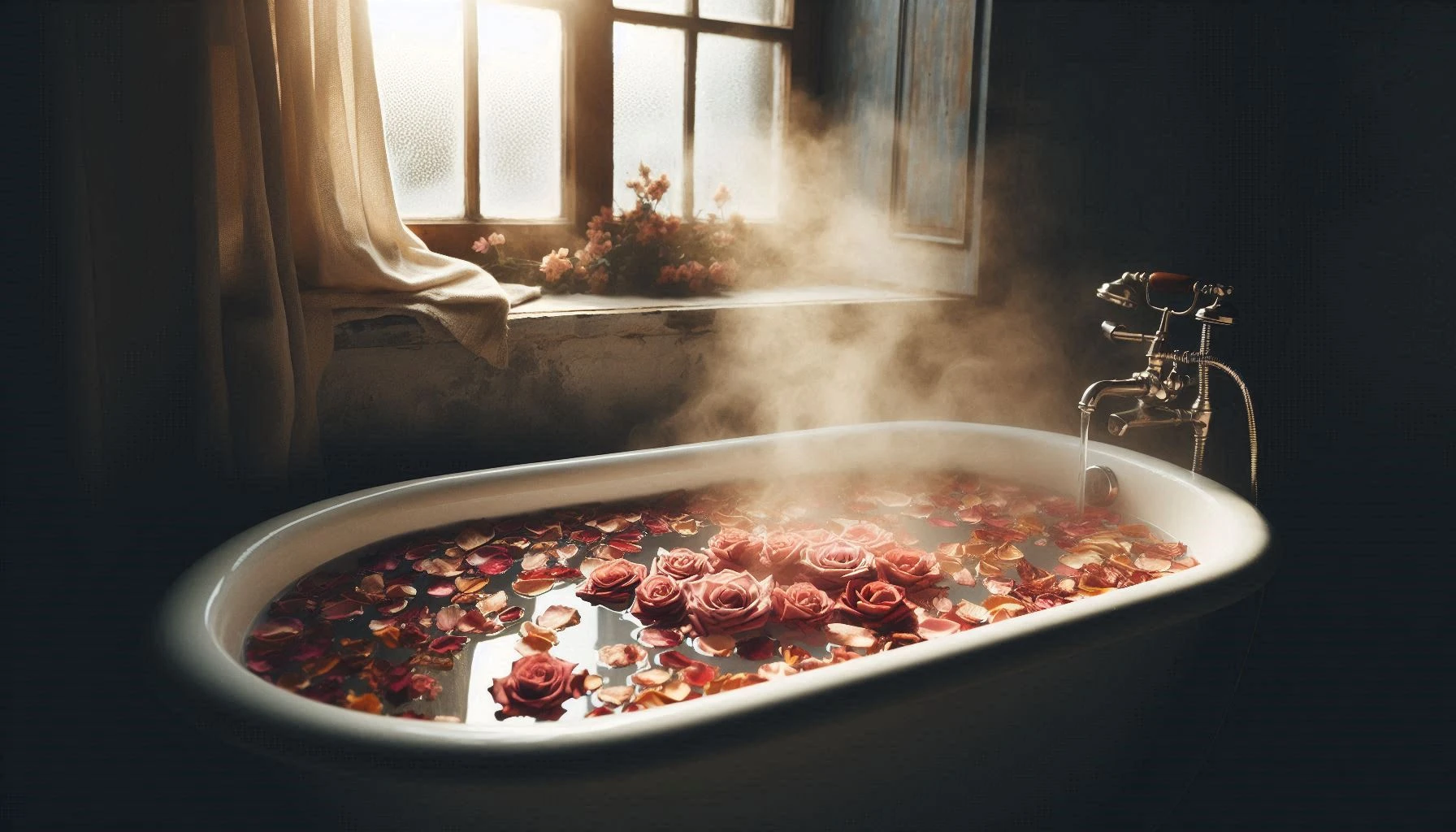

Traditional herbal baths have long served as a cornerstone of wellness in cultures worldwide, offering a blend of physical relaxation and spiritual renewal. In regions as diverse as Scandinavia, Japan, and the Balkans, these practices draw on local plants and time-honoured rituals to create moments of reflection and connection. By infusing water with herbs like birch, yuzu, or rose, these baths transform a simple soak into a meaningful act of self-care rooted in centuries of tradition. Herbal baths are more than a luxury. They are a dialogue with nature. Each culture brings its own approach shaped by the plants available and the needs of its people.
The Significance of Traditional Herbal Baths
Across cultures, bathing has always held a deeper purpose than mere cleanliness. In many societies, it marks transitions, restores energy, or recognize seasonal shifts. Traditional herbal baths elevate this by blending water with plants known for their soothing or invigorating properties. The addition of herbs transforms a bath into a ritual that engages both body and mind through scent, warmth, and intention. These practices endure because they are simple yet profound and require only a few ingredients and a willingness to pause.
The appeal of herbal baths lies in their accessibility. Most ingredients grow wild or in gardens, which makes them affordable and sustainable. Preparation is straightforward. Herbs are steeped, water is warmed, and the bather sets an intention for relaxation, clarity, or renewal. This simplicity allows anyone to adapt these rituals to modern life whether in a spacious tub or a modest basin. As we explore each region’s recipe, the focus will be on practical steps and cultural insights to ensure readers can recreate these baths with confidence and understanding.
Scandinavian Sauna Baths: Birch and Juniper Rituals
In the Nordic countries, where winters are long and summers fleeting, bathing rituals are deeply tied to the sauna. These wooden rooms warmed by hot stones have been central to Scandinavian life for centuries and offer warmth, community, and renewal. Traditional herbal baths in this region often involve steam infused with local plants, particularly birch and juniper, which thrive in the northern forests.
Birch, with its soft leaves and silvery bark, is a staple in Scandinavian herbal baths. Its scent released in steam is believed to purify and relax, a quality valued by communities who endured long winters. Juniper, with its sharp resinous berries and needles, adds an invigorating contrast often associated in folklore with protection and vitality. Together, these herbs create a bath that warms the body, clears the mind, and connects the bather to the rugged beauty of the Nordic landscape.
Birch-Juniper Steam Bath Recipe
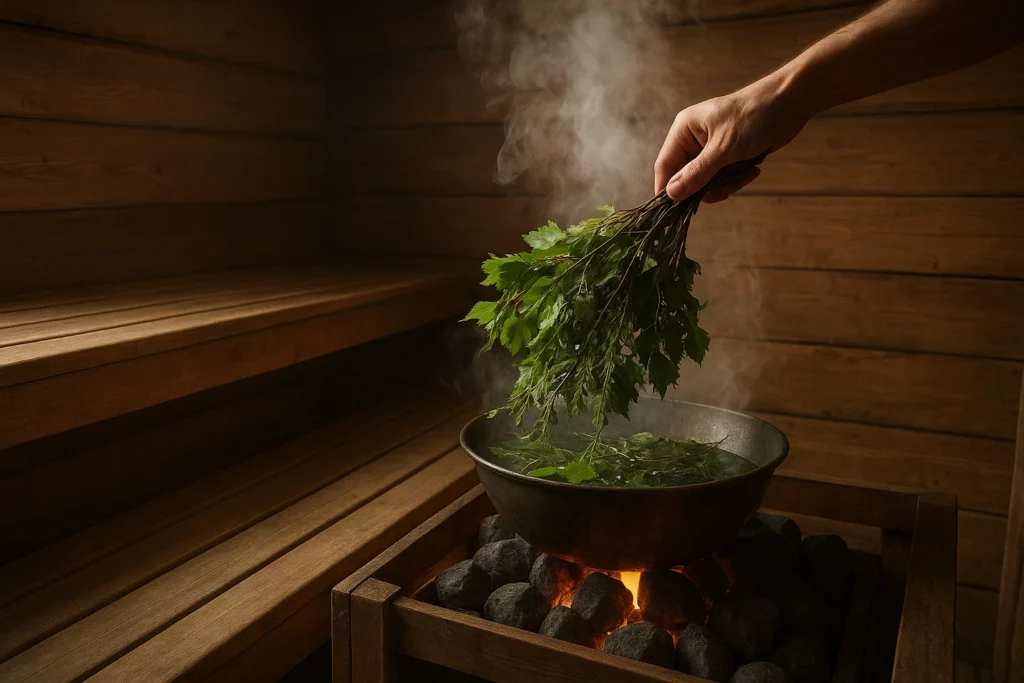
To recreate a Scandinavian sauna bath, gather a handful of fresh birch twigs with leaves or one cup of dried birch leaves. Add one sprig of fresh juniper, including berries lightly crushed to release their oils, or two tablespoons of dried juniper. If using a traditional sauna, place a heat-safe bowl of water near the stove. For home settings, a steamy bathroom with a large bowl over a low heat source such as a candle works well.
Heat four liters of water to a gentle boil and then pour it over the herbs in a cloth bag or muslin sack. Let the mixture steep for ten minutes to allow the earthy aroma of birch and the crisp tang of juniper to fill the air. If using a sauna, pour the infusion over hot stones to create herbal steam. In a bathroom, place the bowl near the tub and let the steam rise as you soak in warm water. Breathe deeply to allow the vapours to relax muscles and sharpen focus.
Always test the steam’s heat to avoid discomfort, and those with sensitive skin should reduce juniper’s intensity by halving the amount. After the bath, wrap in a warm towel and rest, perhaps sipping a tea made from the same herbs to extend the experience. This Scandinavian ritual is a testament to resilience and uses the land’s offerings to combat the challenges of climate and toil. It invites bathers to slow down, breathe deeply, and find warmth in both body and spirit.
Japanese Ofuro Baths: Yuzu and Shiso Serenity
In Japan, bathing is an art form and a daily ritual that balances body, mind, and environment. The ofuro, a deep wooden tub often made of hinoki cypress, is central to this tradition and offers a space for quiet reflection. Traditional herbal baths in Japan incorporate subtle aromatic plants like yuzu, a citrus fruit, and shiso, a mint-like leaf, to create a soothing and purifying experience.
Yuzu, with its bright floral rind, is a winter favourite, and its scent is believed to ward off illness and negativity. During the solstice, families float yuzu in tubs, a practice rooted in Shinto beliefs about renewal. Shiso, with its vivid green or purple leaves, adds an earthy balance often used in Japanese cuisine and medicine for its calming properties. Together, these herbs create a bath that feels like a gentle reset and aligns the bather with nature’s rhythm.
Yuzu-Shiso Renewal Bath Recipe
To prepare this Japanese-inspired bath, gather four fresh yuzu fruits, ideally organic, or a quarter cup of dried yuzu peel. Add ten fresh shiso leaves or two tablespoons of dried shiso. Begin the evening before, as Japanese baths are often an end-of-day ritual. Bring four liters of water to a simmer and then add halved yuzu fruits and torn shiso leaves. Let the mixture steep for twenty minutes covered until the water carries a citrusy herbal scent.
Strain the infusion into a tub filled with water heated to 50 degrees Celsius deep enough to cover the shoulders. Before entering, wash thoroughly outside the tub using a basin and soap to follow Japanese etiquette and keep the bathwater pure. Step in slowly to allow the warmth to relax muscles and the yuzu’s aroma to lift the spirit. Shiso’s grounding notes complement this and create a sense of calm focus.
This bath reflects Japan’s emphasis on harmony. The warmth improves circulation while yuzu’s scent uplifts mood and shiso soothes the senses. Historically, such baths were part of family life and shared in quiet moments after work. Seasonal variations include cherry blossoms in spring for renewal or ginger in winter for extra warmth. For a modern twist, add a pinch of kombu seaweed for a subtle coastal depth.
Etiquette is key. Enter silently if sharing the tub and avoid splashing to maintain serenity. After soaking, dry gently and rest, perhaps on a futon, to carry the calm into sleep. Those with citrus sensitivities can reduce yuzu or substitute with mint for a similar effect. The Japanese ofuro bath teaches presence and invites bathers to savour the moment. Its simplicity and elegance make it a timeless practice adaptable to any home.
Balkan Flower Baths: Rose and Chamomile Traditions
The Balkans, a region of diverse cultures and landscapes, have long embraced herbal baths as part of life’s rhythms. From Bulgaria’s rose valleys to Serbia’s chamomile fields, these baths are steeped in folklore and community and often prepared for celebrations or healing moments. Roses, with their rich fragrance, and chamomile, with its gentle sweetness, are favourites that symbolize love and calm in a region shaped by both joy and hardship.
Rose baths, particularly in Bulgaria, are tied to rituals of romance and renewal, and their petals are scattered in water to soothe the heart. Chamomile used across the Balkans is prized for its ability to ease tension and promote rest and often prepared for children or the weary. These baths are communal in spirit even when enjoyed alone and connect bathers to the land and its stories.
Rose-Chamomile Harmony Bath Recipe
To create this Balkan-inspired bath, collect two cups of fresh damask rose petals or one cup of dried petals. Add one cup of fresh chamomile flowers or a half cup of dried. Harvest in the morning if possible when the plants are at their peak. Boil three liters of water and then add the herbs in a linen sack. Simmer for fifteen minutes and then let the infusion rest for an hour to deepen its golden hue and fragrance.
Pour the strained liquid into a tub or wide basin with lukewarm water ideal for lingering. Begin by soaking feet and then gradually submerge to allow the rose’s velvety scent and chamomile’s apple-like calm to envelop you. This bath is gentle, suitable for all ages, and carries the warmth of Balkan hospitality.
Ensure herbs are clean to avoid residue and test the water’s temperature for comfort. Those with allergies can replace chamomile with mint for a refreshing alternative. After bathing, apply a paste of leftover herbs to temples for headache relief to extend the ritual’s benefits. This Balkan bath is a celebration of connection and ties bathers to the land and each other. Its simplicity makes it accessible while its depth invites reflection.
How to Prepare Your Own Herbal Bath
Recreating traditional herbal baths at home requires minimal tools and a clear process adaptable to any setting. Whether you choose the Scandinavian steam, Japanese ofuro, or Balkan flower bath, the steps share a common foundation and make them easy to integrate into daily life.
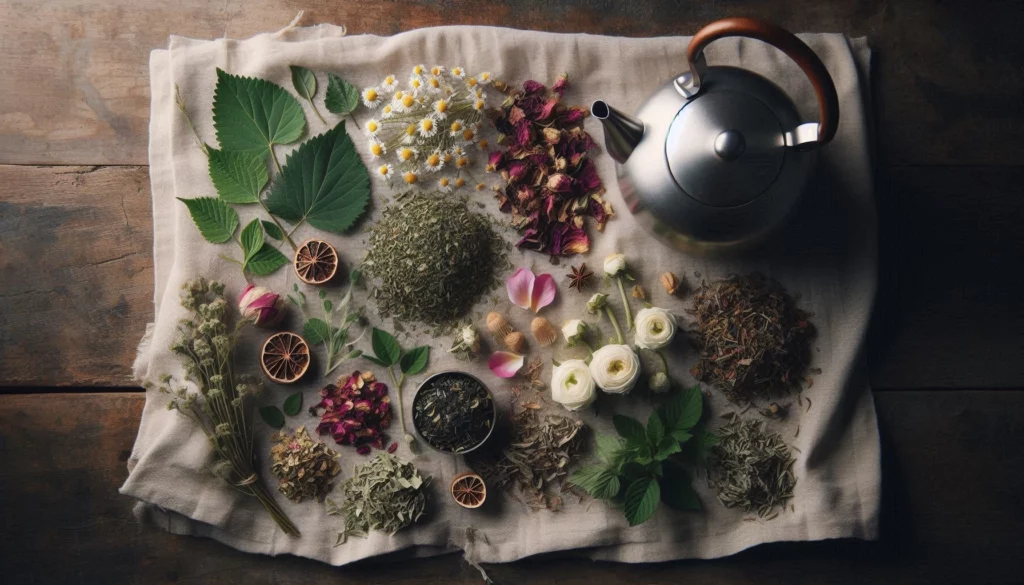
Begin by setting an intention such as relaxation or renewal to guide the experience. Source high-quality herbs ideally fresh from a garden or market or dried from a trusted supplier. Organic options ensure purity free from pesticides that could irritate skin. For equipment, a muslin bag or cheesecloth holds herbs securely to prevent clogs while a large pot and thermometer ensure proper water temperature.
The steeping process is universal. Boil water, add herbs, and let them infuse for ten to twenty minutes depending on the plant. Birch and juniper need less time while delicate roses benefit from longer steeping. Strain the infusion into a tub or basin and adjust the water to a comfortable warmth: hot for Nordic baths, moderate for Japanese, and lukewarm for Balkan.
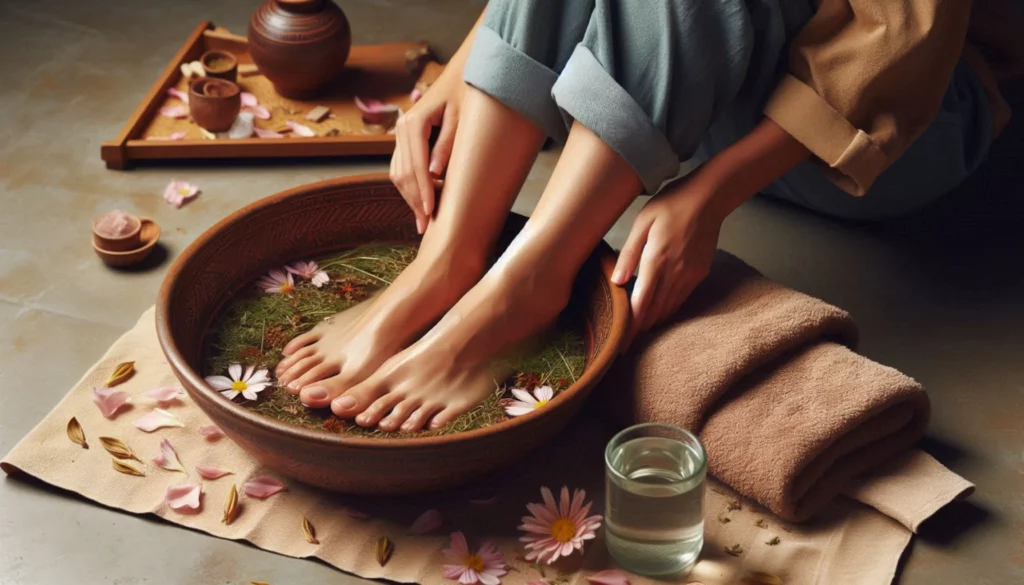
Soaking time varies by preference, but ten to thirty minutes allows the herbs’ properties to work. Breathe deeply to engage with the aromas and move slowly to avoid dizziness. After bathing, dry gently with a soft towel and rest, perhaps with a warm drink made from the same herbs to prolong the effect. Safety is key. Test water temperature on your wrist and check for allergies by applying a small amount of infusion to skin first. If steam is too intense, ventilate the space. For small spaces, a foot bath or portable basin works just as well and brings the ritual to any home.
This framework allows flexibility. Combine herbs across traditions like juniper with rose for a unique blend but always respect the cultural roots of each practice. With these steps, anyone can create a meaningful herbal bath tailored to their needs and environment.
Adapting Herbal Baths for Modern Life
Traditional herbal baths remain relevant because they adapt easily to contemporary settings. Urban dwellers can use dried herbs or essential oils when fresh plants are scarce to ensure accessibility. A drop of yuzu oil captures Japan’s citrusy calm while birch extract evokes Nordic forests. These alternatives maintain the ritual’s essence without requiring a garden.
Modern wellness practices complement herbal baths. Pair a Balkan rose bath with journaling to process emotions or follow a Nordic steam with stretching to release tension. A Japanese ofuro soak before meditation deepens mindfulness and syncs breath with the water’s calm. These integrations make the rituals feel fresh and purposeful.
Families can adapt too. Children enjoy floating yuzu or petals and learn about herbs through play. Elders might share stories during a Balkan-style communal bath to strengthen bonds. For solo bathers, the quiet garners self-reflection and offers a rare pause in busy days. Seasonal adjustments keep the practice dynamic. Winter calls for warming herbs like ginger or juniper while summer favours cooling mint or bamboo. Accessibility matters too, seated tubs accommodate mobility needs and scent-free herbs like lavender stalks aid those with sensitive noses.
The Benefits of Herbal Baths: Body, Mind, and Spirit
Herbal baths offer more than relaxation, they provide holistic benefits that touch physical, emotional, and spiritual dimensions. Physically, warm water improves circulation and eases muscle tension while herbs like chamomile reduce inflammation and birch soothes skin. These effects are gentle yet cumulative and support overall health with regular practice. Emotionally, the sensory experience of herbal baths uplifts and calms you down. The act of bathing creates space for emotional processing and serves as a counterpoint to daily stress.
Spiritually, these baths connect bathers to cultural and natural roots. Water revered in many traditions feels like a return to origins while herbs carry the land’s energy. In Japan, bathing is seen as purification, in the Balkans a communal rite, and in Scandinavia a nod to endurance. These layers add depth and make each soak a small ritual of renewal.
Consistency amplifies these benefits. Weekly baths build a rhythm and signal the body to rest or recharge. Over time, they increase resilience much like the plants used, which thrive in varied climates. Even short soaks when intentional yield lasting calm. Community enhances the experience whether sharing a basin with family or soaking alone with ancestral stories in mind. The act of preparing herbs, heating water, and pausing connects bathers to others who have done the same across centuries.
Challenges like limited time or space are surmountable. Quick infusions or foot baths deliver similar effects and prove the practice’s flexibility. The key is intention. A moment of gratitude for the herbs, water, and self transforms the ordinary into the profound.
Frequently Asked Questions About Traditional Herbal Baths
Q: What makes traditional herbal baths different from regular baths?
A: Traditional herbal baths combine water with specific plants like birch, yuzu, or rose to enhance relaxation and wellness. Unlike regular baths focused on cleanliness, these rituals incorporate cultural traditions and herbal properties to soothe the body, calm the mind, and connect bathers to nature.
Q: Can I use store-bought herbs for these baths, or do they need to be fresh?
A: Both fresh and dried herbs work well for traditional herbal baths. Fresh herbs from gardens or markets offer unmatched aromas, but high-quality dried herbs from trusted suppliers are a practical alternative, especially in urban settings or off-seasons. Ensure dried herbs are organic and stored properly to retain their potency.
Q: Are traditional herbal baths safe for everyone?
A: Most people can enjoy these baths, but precautions are necessary. Test the water temperature to avoid burns, and apply a small amount of herbal infusion to your skin to check for allergies. Those with sensitive skin should reduce potent herbs like juniper or consult a healthcare provider if pregnant or managing medical conditions.
Q: How often should I take an herbal bath to see benefits?
A: Weekly baths are ideal for building a routine that promotes relaxation and resilience. Even one or two sessions a month can provide noticeable benefits, such as reduced tension and improved mood. The key is consistency and setting an intention, which enhances the ritual’s impact over time.
Q: Can I combine herbs from different traditions, like yuzu with chamomile?
A: Combining herbs across traditions is possible and can create unique experiences, such as pairing yuzu’s citrusy brightness with chamomile’s calming sweetness. However, respect the cultural origins of each practice by researching the herbs’ properties and ensuring they complement each other. Start with small amounts to test the blend’s effect.
Q: What if I don’t have a bathtub? Can I still enjoy traditional herbal baths?
A: A bathtub isn’t necessary. Use a wide basin for a foot or hand soak, which delivers similar benefits in smaller spaces. For steam-based baths like the Scandinavian recipe, create a steamy bathroom with a bowl of herbal infusion. These adaptations make the rituals accessible to everyone.
Q: How do I source sustainable herbs for these baths?
A: Grow herbs like shiso, chamomile, or mint in pots for a sustainable supply, harvesting only what you need. Alternatively, purchase organic herbs from local markets or reputable suppliers to ensure quality and minimize environmental impact.
Bringing Tradition Home: Your Invitation to Begin
Traditional herbal baths are a gift from history and offer a simple yet powerful way to reconnect with nature and self. Whether you choose the invigorating steam of a Scandinavian sauna, the serene soak of a Japanese ofuro, or the communal warmth of a Balkan flower bath, the process is accessible and rewarding. Gather herbs, steep them with care, and let the water guide you to calm.
Each recipe carries a story from Nordic forests to Japanese gardens to Balkan meadows. By recreating these baths, you admire those roots while crafting your own moments of peace. Start small with a basin, a few petals, and a quiet evening. The benefits of relaxation, clarity, and connection unfold with every soak. Let these traditions inspire you to pause, breathe, and find wellness in the everyday. Your bath awaits and is ready to carry you to a place of quiet renewal.
Disclaimer
The information provided in this blog about traditional herbal baths is intended for general informational and educational purposes only and should not be considered medical advice. While herbal baths can promote relaxation and wellness, they are not a substitute for professional medical treatment or diagnosis. Individuals with pre-existing medical conditions, allergies, or sensitivities to herbs, as well as pregnant or breastfeeding individuals, should consult a qualified healthcare provider before engaging in these practices to ensure safety.
Always test herbal infusions on a small patch of skin to check for allergic reactions and verify water temperature to prevent burns or discomfort. The use of herbs, especially in combination, may cause unexpected reactions in some individuals. Neither the author nor the publisher assumes responsibility for any adverse effects resulting from the application of these recipes. Proceed with caution, prioritize safety, and seek professional guidance when necessary to ensure a safe and beneficial experience.