


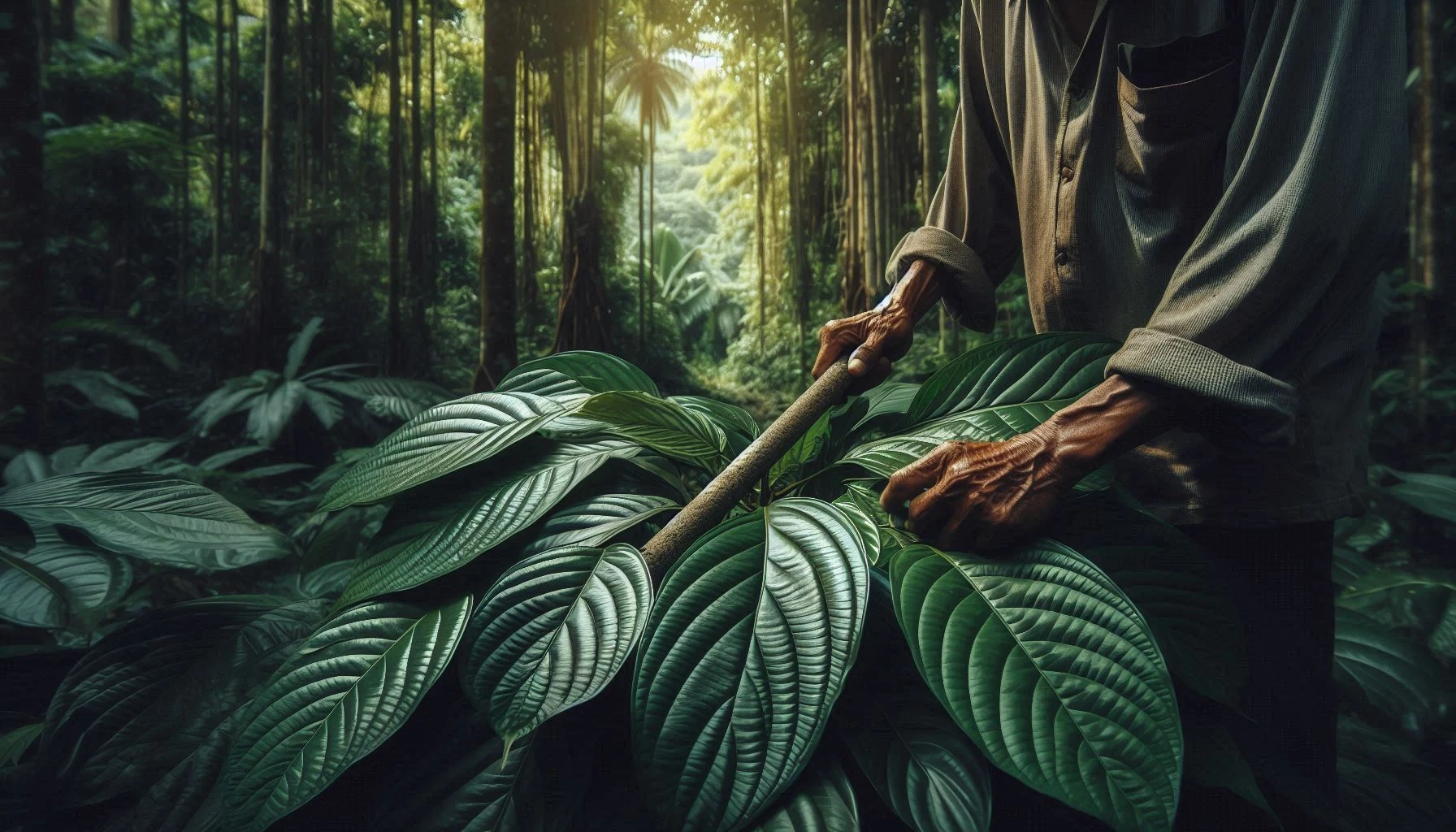

When you first hear about wild harvested vs farm-grown kratom, it might seem like just another way to label a product. But for anyone dipping into the world of plant medicines, these terms reveal a lot about where your kratom comes from and what that means for its character. Kratom, drawn from the leaves of the Mitragyna speciosa tree, has roots deep in Southeast Asian traditions. People there have long turned to it for its natural properties. The debate between wild harvested and farm-grown versions often comes down to nature’s touch versus human care.
Imagine trekking through dense jungles where trees grow untamed, or walking orderly rows of cultivated plants under careful watch. Each path shapes the final leaf you hold. In this guide, we unpack seven core differences. From how the trees thrive to the end results in your cup or capsule, you’ll see why one might call to you over the other. Let’s start at the beginning, with the environments that define these two approaches.
Understanding Wild Harvested Kratom
Wild harvested kratom starts with the untamed side of Southeast Asia. Think of Indonesia’s Borneo region, where Mitragyna speciosa trees rise naturally amid rainforests and riverbanks. These trees aren’t planted by hand. They sprout from seeds dropped by their parents, competing with vines and other plants for sunlight and soil. The result? A rugged, resilient plant shaped by years of natural cycles.
Harvesters, often local villagers, venture into these remote areas. They climb or use long poles to reach mature leaves, picking only what’s ready. This selective approach keeps the tree alive for decades, sometimes reaching heights over 50 feet. The leaves tend to be larger and thicker, with a deeper green hue from the shaded understory. That shade filters light just right, coaxing out compounds that give kratom its unique profile.
One charm of wild harvested kratom lies in its variability. A tree near a mineral-rich stream might pull extra nutrients from the water, leading to leaves with a fuller body. Another, hit by a dry spell, could offer something sharper. This isn’t a flaw. It’s the pulse of the forest at work. For centuries, communities have relied on this method, passing down knowledge of which spots yield the best picks. It’s labour-intensive, with harvesters covering miles on foot, but it respects the land’s rhythm.
Sustainability plays a big role here too. Since trees aren’t replanted en masse, there’s little need to clear new ground. Harvesters take only what they need, leaving the ecosystem intact. This practice supports biodiversity, from birds nesting in the canopy to insects buzzing below. In places like West Kalimantan, wild harvesting blends into daily life, providing income without uprooting the wild.
Yet, this method has its challenges since access isn’t easy. Remote locations mean longer trips, and weather can delay gatherings. Yields fluctuate with seasons, making supply unpredictable. Still, for many, that raw connection to nature makes wild harvested kratom feel alive, like a story told through each leaf.
The Rise of Farm-Grown Kratom
Farm-grown kratom tells a different tale, one of intention and scale. Over the past few decades, as interest in kratom spread beyond Asia, farmers stepped in to meet demand. In regions like Jongkong and Kapuas Hulu, small plots turned into organized groves. Here, trees are planted deliberately, often from cuttings or seeds selected for vigor.
Cultivation begins with preparation. Farmers clear modest areas, enriching soil with natural compost from nearby forests. They space trees evenly, about 10 feet apart, to allow air flow and easy reach. Young plants get shade cloth early on, mimicking the wild canopy until they’re sturdy. Water comes from rain or simple irrigation, and pruning keeps growth bushy for better leaf production.
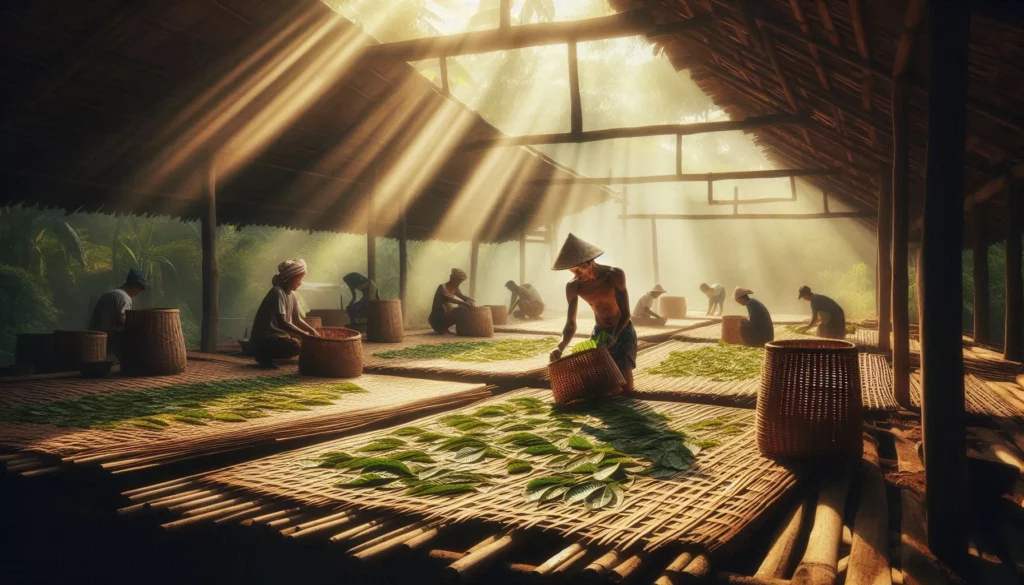
Harvesting on farms follows a schedule. Workers scan rows for leaves at peak maturity, snipping them with blades or shears. This happens two to four times a year, timed to dry and wet seasons for optimal growth. Unlike wild picks, farm methods allow for uniformity. Leaves are gathered in baskets and carried to drying areas right away, cutting down on travel time.
What sets farm-grown apart is control. Farmers can adjust spacing to boost airflow, reducing mold risks in humid air. They rotate sections, letting soil rest and rebuild nutrients. Some even interplant with legumes to fix nitrogen naturally. This setup supports steady output, vital as global needs grow. In Indonesia, family-run operations often span a few acres, blending tradition with practicality.
Economically, it’s a lifeline. Farming provides reliable jobs, drawing communities away from less stable work like palm oil tapping. Wages flow steadily, and excess leaves can feed local markets. Environmentally, well-managed farms avoid monocultures, weaving kratom into mixed groves that shelter wildlife. It’s not without effort, though. Pests demand vigilant monitoring, and initial setup costs time and seed stock.
Farm-grown kratom shines in its predictability. You know what to expect from batch to batch, a comfort in a world of variables. It’s the bridge between ancient uses and modern life, scaling nature’s gifts without overwhelming them.

Environmental Impacts: Nature’s Balance vs Human Stewardship
The environments where kratom grows set the stage for deep contrasts between wild harvested and farm-grown. In the wild, Mitragyna speciosa thrives in complex ecosystems. Rainforests in Borneo hum with life, from towering dipterocarp trees to undergrowth ferns. Kratom trees nestle in this mosaic, their roots tapping diverse soils fed by leaf litter and river silt. A storm might topple neighbours, but kratom endures, its canopy filtering rain to prevent erosion.
Biodiversity in Wild Ecosystems
Harvesting here treads lightly. Locals know the forest’s secrets, selecting leaves without felling trunks. This preserves carbon sinks, as mature trees lock away CO2 for generations. Biodiversity benefits too. Pollinators flit between flowers, and seed dispersers like monkeys ensure regrowth. The wild setup hosts a web of interactions, where fungi in the soil break down matter, feeding back into the cycle. Insects control pests naturally, keeping balances without intervention. Orchids and mosses cling to trunks, adding layers that shelter smaller creatures. This richness means wild kratom areas often overlap with protected zones, indirectly aiding conservation efforts.
Soil and Water Management on Farms
Farm-grown shifts the scene to managed lands. Plots hug forest edges, using cleared but regenerated spaces. Trees grow in neat lines, but smart farmers mix in natives like bananas or bamboo for windbreaks. This agroforestry mimics wild diversity, hosting birds and beneficial insects. Soil stays fertile through cover crops, cutting erosion by half compared to bare fields. Farmers test pH levels, adding lime if needed to mimic natural acidity. Mulch from fallen leaves suppresses weeds, holding moisture during dry spells.
Long-Term Climate Resilience
Water use differs notably since wild areas rely on natural cycles, with rivers nourishing roots. Farms might draw from streams, but sustainable ones harvest rainwater, reducing strain. Pesticides? Rare in ethical setups, where neem sprays or companion planting ward off bugs. Overall, farms can heal land, turning former rubber plots into thriving groves. They offset wild pressure, letting remote forests recover. In changing climates, farms adapt faster, selecting drought-tolerant varieties or shading nets to buffer heat waves.
Broader Ecological Contributions
Both approaches contribute to green goals. Wild harvesting guards untouched wilds, while farms reclaim degraded areas. Together, they form a web of care, ensuring kratom’s home endures. Initiatives like community patrols in wild zones curb illegal logging, while farm cooperatives share seeds to prevent genetic narrowing. This dual strategy builds buffers against deforestation, maintaining habitats that filter air and water for entire regions.
Quality and Potency Variations
Quality in kratom centers on the leaves, where wild harvested vs farm-grown versions display clear differences in profiles, potency, and overall appeal. Below is a structured comparison to highlight these aspects.
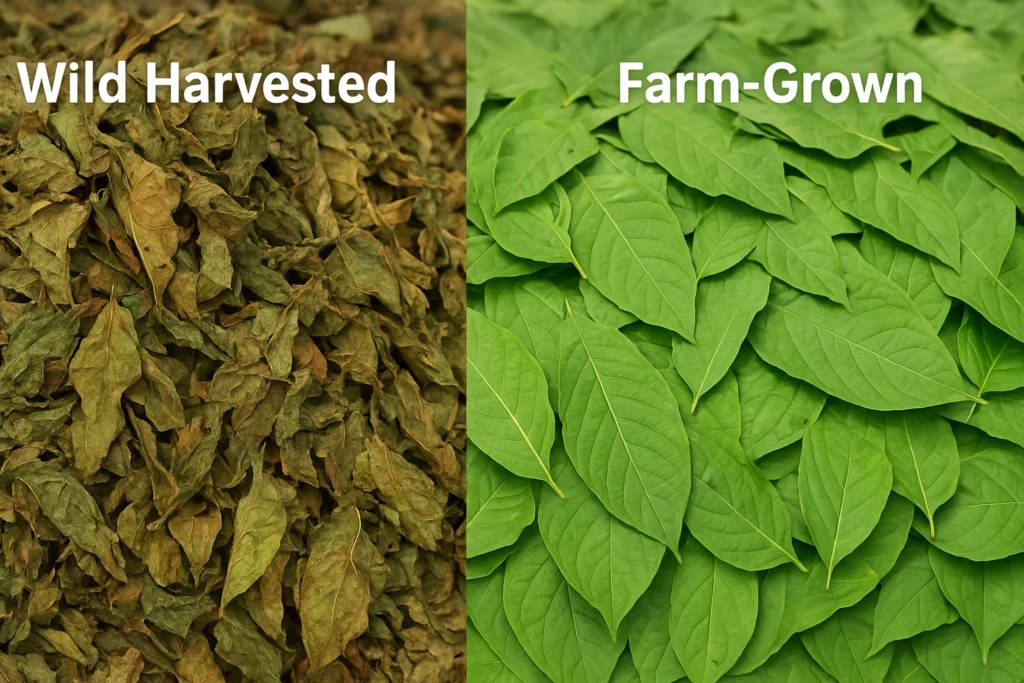
- Rich Profiles in Wild Leaves: These develop from diverse natural soils, incorporating elements like volcanic ash or floodplain minerals for layered complexity. Leaves from shaded areas often provide mellow, full-bodied effects, while those from open spaces deliver stronger, more intense notes. Nutrients absorb unevenly to build depth, and thicker veins maintain stability during outdoor drying.
- Evenness and Reliability in Farm-Grown: Controlled nutrient feeding creates consistent uptake across the entire plot, leading to uniform potency in every harvest. Picks guided by maturity ensure steady strength, with brighter green colours indicating fresh vitality. Indoor drying protects delicate alkaloid balances, making it suitable for dependable daily use.
- Overall Comparisons and Choices: Neither type is superior overall; wild options offer adventurous, earthier undertones with potency that varies by season (wetter years soften effects, droughts intensify them), while farm-grown provides cleaner, predictable finishes. Personal taste tests reveal subtle differences, and ethical handling in both ensures purity without additives or dilutants.
Sustainability and Ethical Considerations
Wild harvesting achieves sustainability by avoiding major changes to landscapes, as trees self-seed in established forests and support local economies through simple trade networks that encourage conservation over exploitation. To address rising demand, practitioners implement harvest quotas and site rotations, backed by emerging certifications that guarantee equitable pay and prevent overcollection.
On farms, ethical management involves converting underused land into productive plots via intercropping, which naturally boosts soil health and minimizes waste through efficient water and nutrient cycles. These operations often contribute to broader community growth by generating funds for local needs. Supply chain traceability, such as blockchain or fair trade labels, confirms adherence to labour rights and environmental rules, helping reduce poverty while maintaining industry standards.
Consumer demand for verified products drives ongoing improvements, ensuring both methods remain viable amid regulatory scrutiny in exporting countries like Indonesia.
Availability, Cost, and Accessibility
The supply of wild harvested kratom remains limited by its dependence on distant forest locations and unpredictable weather, resulting in smaller, irregular batches that increase processing and transport expenses, typically making it 1.5 to 2 times pricier than farm alternatives, appealing mainly to those valuing rarity. In contrast, farm-grown benefits from planned cycles and larger scales, which lower production costs and enable year-round availability with diverse strain options shipped efficiently via international networks.
This consistency expands access, as farm products appear more readily on e-commerce platforms and in stores worldwide, often with lab-tested labels for quality assurance. For global buyers, farms reduce barriers like stockouts, though both types require checking import regulations in regions where kratom faces restrictions.
Choosing Between Wild and Farm-Grown
When deciding on wild harvested vs farm-grown kratom, weigh factors such as desired alkaloid variability against budget constraints. Wild suits enthusiasts open to premium pricing for nature-driven differences, while farm provides cost-effective steadiness for everyday needs. Many users experiment by mixing sources to capture both authenticity and reliability, aligning selections with goals like effect consistency or support for sustainable suppliers.
| Aspect | Wild Harvested | Farm-Grown |
|---|---|---|
| Potency and Quality | Variable, richer and more nuanced | Consistent and predictable |
| Cost and Availability | Higher price, limited supply | More affordable, steady availability |
| Environmental Impact | Low disturbance, preserves wild areas | Reclaims land, adaptable to changes |
| Sustainability | Minimal intervention, biodiversity-focused | Managed stewardship, community support |
| Harvesting Ease | Labor-intensive, weather-dependent | Scheduled and efficient |
Frequently Asked Questions
Q: What makes wild harvested kratom more variable in potency?
A: Wild harvested kratom draws from natural conditions like soil types, weather patterns, and sunlight exposure, leading to shifts in compound concentrations. A rainy season might dilute effects slightly, while dry periods concentrate them, creating unique profiles in each batch that reflect the environment’s influence.
Q: How does farm-grown kratom support local communities better?
A: Farms create steady employment through planting, maintenance, and harvesting cycles, offering year-round jobs in rural areas. This stability funds education and infrastructure, unlike the seasonal nature of wild harvesting, helping families build long-term security in regions like Indonesia.
Q: Is one type more sustainable than the other in the long run?
A: Both can be sustainable when practiced ethically; wild methods preserve existing forests with minimal disturbance, while farms rehabilitate degraded lands and adapt to climate changes. The key lies in rotation and limits to avoid overexploitation in either approach.
Q: Why might wild harvested kratom cost more?
A: Limited access to remote areas, unpredictable yields due to weather, and labour-intensive collection drive up expenses. Smaller batches mean higher shipping and handling costs, making it a premium option compared to the scalable efficiency of farms.
Q: Can the taste differ noticeably between wild and farm-grown?
A: Yes, wild often has earthier, more robust undertones from diverse minerals, while farm-grown tends toward a cleaner, milder flavour due to uniform growing conditions. Personal trials help discern preferences, as processing methods also play a role.
Q: How do harvesting tools impact the final product quality?
A: Simple tools in wild settings minimize damage but rely on skill for selectivity, preserving natural integrity. Farms use modern shears and conveyors for quick, clean cuts that reduce oxidation, ensuring fresher leaves reach drying stages faster.
Conclusion
As we’ve explored the nuances of wild harvested vs farm-grown kratom, one truth stands clear: neither path is superior in isolation, but each offers distinct pathways shaped by nature and nurture. Wild harvesting captures the essence of untamed growth, delivering variability and a direct link to ancient ecosystems that can enrich your experience with its raw authenticity. Farm-grown, on the other hand, provides reliability and scalability, making kratom more accessible while supporting structured sustainability efforts.
Ultimately, your choice hinges on what you value most, the adventure of the wild or the assurance of cultivation. By understanding these differences, you empower yourself to select sources that align with your preferences, ethics, and needs. Whether blending both or sticking to one, remember that responsible enjoyment honours the plant’s origins and the people who tend it. Dive deeper into this world with informed curiosity, and let these insights guide you toward mindful decisions in plant medicine.
Disclaimer
The information presented in this blog is for educational and informational purposes only and is not intended to serve as medical advice, diagnosis, treatment, or endorsement of kratom (Mitragyna speciosa) for any health condition. Kratom is not approved by the U.S. Food and Drug Administration (FDA) or Health Canada for any therapeutic use, and its safety, efficacy, and long-term effects remain under scientific scrutiny with limited clinical evidence.
Consumption of kratom, whether wild harvested or farm-grown, may carry significant health risks, including but not limited to addiction, dependence, withdrawal symptoms, liver toxicity, respiratory depression, and interactions with medications or other substances. Individuals with pre-existing medical conditions, or are pregnant, and those under 18 years of age should avoid kratom entirely due to heightened vulnerabilities.
Always consult a qualified healthcare professional before considering kratom or any herbal supplement, and never substitute it for prescribed treatments. Product quality can vary widely, potentially leading to contamination with heavy metals, bacteria, or adulterants; sourcing from reputable, tested suppliers is essential, though no source guarantees absolute safety. The author and publisher disclaim all liability for any adverse effects, injuries, damages, or losses arising from the use or misuse of the information provided herein or from kratom consumption.