

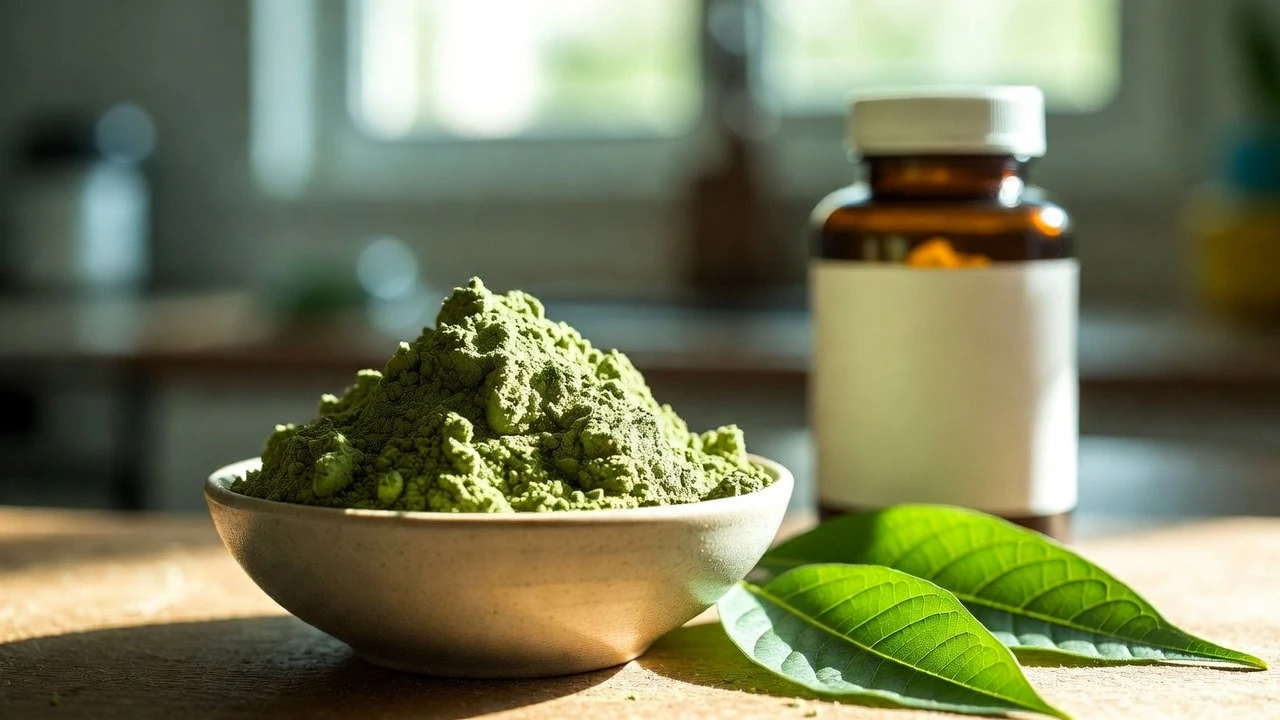

Kratom, a plant-derived material from the leaves of the Mitragyna speciosa tree, is commonly referred to as a botanical. This term emphasizes its origin as a natural plant product rather than a formulated item designed to fill nutritional gaps in the diet. Many people encounter kratom in various forms, such as dried leaves, powders, or capsules, and wonder why it is not grouped with typical dietary supplements like vitamins or herbal blends found on pharmacy shelves. The distinction arises from specific regulatory definitions, historical marketing evidence, and safety considerations applied by authorities in places like the United States and Canada.
What does “Botanical” Mean in This Context?
A botanical generally describes a plant or any part of a plant valued for its natural characteristics, whether for traditional uses, aromatic properties, or other non-nutritional purposes. In regulatory terms, particularly those referenced by the U.S. Food and Drug Administration (FDA), a botanical can include raw or minimally processed plant material. This broad category allows for flexibility in how such items are described and sold, especially when they do not fit neatly into other product classes.
For kratom, the botanical label highlights its identity as whole-plant leaves or derived powders from a tropical tree native to Southeast Asia. Sellers often present it this way to reflect its unaltered, plant-based nature, avoiding implications tied to more strictly defined categories.
How Dietary Supplements Are Defined
Dietary supplements fall under a precise legal framework established by the Dietary Supplement Health and Education Act (DSHEA) of 1994 in the United States. This law defines dietary supplements as products intended to supplement the diet, containing one or more dietary ingredients such as vitamins, minerals, herbs, amino acids, or other substances. These products must be taken by mouth, labelled explicitly as dietary supplements, and meet requirements for manufacturing practices and limited claims about supporting bodily functions.
Many plant-based items qualify as dietary supplements when they align with these criteria, including proper labelling and evidence supporting their role in dietary supplementation. However, not all plant materials automatically fit this mold. The classification depends on factors like historical use in the U.S. market, safety data, and intended marketing.
Why Kratom Does Not Qualify as a Dietary Supplement in the U.S.
Kratom is treated as a new dietary ingredient under U.S. regulations. A new dietary ingredient refers to something not marketed in the U.S. as a dietary ingredient before October 15, 1994, the cutoff date set by DSHEA. For such ingredients, manufacturers must provide evidence demonstrating reasonable assurance of safety before marketing them in supplements.
The FDA has concluded that available information on kratom does not meet this safety threshold for new dietary ingredients. As a result, products containing kratom are considered adulterated if marketed as dietary supplements. This determination stems from the lack of sufficient data establishing that kratom does not present a significant or unreasonable risk of illness or injury when used in this way.
Consequently, kratom cannot be lawfully marketed or sold as a dietary supplement in the United States. Enforcement actions, including import alerts and warnings, reinforce this position, focusing on shipments and products positioned for ingestion under supplement rules.
The Practical Role of the Botanical Classification
Without approval as a dietary supplement, vendors turn to the botanical designation to describe and offer kratom. This approach presents the product as raw plant material, often for uses like incense, aromatherapy, soap-making, or as a non-consumable specimen. Such labelling avoids direct claims of ingestion or dietary supplementation, aligning with regulatory boundaries.
This strategy is common for certain plant materials facing similar hurdles. It allows continued access to the leaves in their natural form while complying with restrictions on supplement or food categories. Consumers typically see disclaimers on packaging stating the material is not intended for consumption, underscoring the botanical framing.
Kratom’s Status in Canada
In Canada, Health Canada regulates natural health products (NHPs) under separate rules. Kratom has not received authorization as an NHP, meaning it lacks the required product license and Natural Product Number needed for legal sale with health-related claims or for consumption.
Kratom is not listed as a controlled substance under Canada’s Controlled Drugs and Substances Act, so possession itself is not prohibited. However, marketing it for ingestion or with implied benefits for health is not permitted. Similar to the U.S., sellers in Canada often label kratom as a botanical, herbal specimen, or non-ingestible item like incense or for research purposes.
This gray-area status encourages the botanical classification, where the focus remains on the plant’s natural origin without positioning it as a consumable health product. Vendors include clear disclaimers to navigate these guidelines, ensuring compliance while providing the dried leaves or powders.
Historical and Traditional Perspective on Kratom as a Botanical
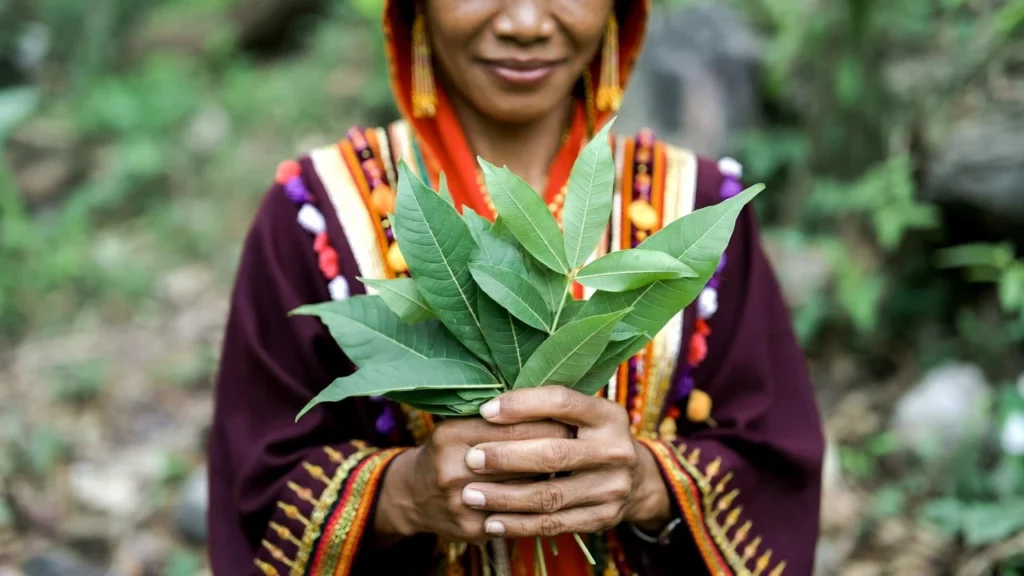
Kratom’s roots trace back centuries in Southeast Asia, where communities have traditionally used the leaves in their natural state. People there chew fresh leaves, brew them into teas, or incorporate them into cultural practices for their inherent properties. This longstanding tradition views kratom as a plant material rather than a processed supplement.
The botanical label aligns closely with this heritage, prioritizing the tree’s leaves in minimally processed forms. Variations like green, red, or white vein types result from natural maturation stages and drying techniques, further emphasizing the plant’s organic variability over standardized supplement formulations.
Key Differences in Regulation and Market Presentation
- Dietary supplements require adherence to specific good manufacturing practices, labelling rules, and post-market oversight, with manufacturers responsible for safety.
- Botanicals sold without consumption intent face fewer ingestion-related mandates, allowing sales through specialty channels like online platforms or dedicated shops.
For kratom, this means products appear as loose powders, whole leaves, or simple encapsulations without added binders or blends common in supplements. The emphasis stays on purity of the plant material itself.
Distinguishing Natural Kratom Leaf from Concentrated or Synthetic Derivatives
A critical aspect of kratom’s botanical classification involves differentiating between the natural leaf material of the Mitragyna speciosa tree and more processed or concentrated forms. Regulatory scrutiny has increasingly targeted the latter, while the traditional leaf form aligns more closely with botanical treatment.
Focus on Natural Leaf Material
The core of kratom as sold in many markets consists of dried leaves or minimally processed powders derived directly from the plant. This form retains the natural composition of the tree’s foliage, including its variable alkaloid profile influenced by growing conditions, harvest timing, and drying methods. Regulators, including the FDA, recognize this raw botanical nature when products avoid positioning as ingestible supplements or foods. Vendors label these as botanical specimens, incense, or non-consumable items to comply with rules prohibiting dietary supplement status.
Heightened Scrutiny on Concentrates and Derivatives
Recent enforcement has zeroed in on concentrated extracts, particularly those enriched with 7-hydroxymitragynine (7-OH), a potent alkaloid byproduct. In 2025, the FDA recommended scheduling certain 7-OH products under the Controlled Substances Act and issued warnings about their risks, emphasizing that these are distinct from natural kratom leaf.
The agency clarified that its actions target these concentrated or semi-synthetic forms, not the unaltered plant leaf because of concerns over potency, safety, and potential for misuse. Import alerts, seizures, and warning letters continue to focus on products marketed with implied consumption benefits or containing elevated alkaloid levels, such as tablets, gummies, shots, or extracts.
Implications for Botanical Classification
This distinction reinforces why natural leaf kratom persists under the botanical umbrella in North America. Whole-leaf or basic powder products do not undergo the same level of concentration or alteration, preserving their identity as plant material rather than formulated extracts. Sellers avoid derivative-heavy items to stay within regulatory boundaries, often including disclaimers that products contain only natural leaf components and are not for ingestion. Natural leaf forms typically contain trace amounts of 7-OH (less than 2% of total alkaloids), maintaining the balance found in the plant itself.
Consumer Awareness of Product Forms
Recognizing these differences helps consumers understand market variations. Natural leaf forms emphasize the plant’s traditional botanical heritage, while avoiding concentrates reduces exposure to heightened enforcement risks. This separation maintains access to minimally processed material in line with current guidelines.

FAQ
Q: Why is kratom classified as a botanical rather than a dietary supplement?
A: Kratom is classified as a botanical because it does not meet the legal criteria for dietary supplements in major regulatory systems like those in the United States and Canada. In the U.S., under the Dietary Supplement Health and Education Act (DSHEA) of 1994, dietary supplements must contain dietary ingredients with reasonable assurance of safety. In Canada, kratom lacks authorization as a natural health product (NHP) from Health Canada, so it cannot be sold for consumption with health claims.
Q: What makes kratom a new dietary ingredient in the U.S.?
A: A new dietary ingredient is any substance not marketed in the U.S. as a dietary ingredient before October 15, 1994. Kratom fits this definition because there is no evidence of pre-1994 marketing as a dietary ingredient. Manufacturers must provide evidence of reasonable safety assurance to the FDA before using it in supplements, but the FDA has determined that such assurance is lacking, leading to adulteration findings for supplement claims.
Q: Can kratom ever be sold as a dietary supplement?
A: No, not under current U.S. regulations. The FDA has stated that kratom is not appropriate for use as a dietary supplement and that products containing it are adulterated under section 402(f)(1)(B) of the Federal Food, Drug, and Cosmetic Act when marketed that way. It is also considered an unsafe food additive if added to conventional foods. Similar restrictions apply in Canada, where no NHP license exists for kratom.
Q: How does the botanical classification help vendors comply with regulations?
A: By labelling kratom as a botanical or non-consumable item (e.g., for aromatherapy, research, or incense), sellers avoid positioning it as an ingestible dietary supplement or health product. This includes clear disclaimers stating it is not for consumption, which aligns with regulatory boundaries in both the U.S. and Canada while allowing the natural plant material to be offered.
Q: Is there a difference between natural kratom leaf and concentrated extracts like 7-OH?
A: Yes, a key distinction exists. Natural kratom leaf or minimally processed powders retain the plant’s original alkaloid profile, with trace amounts of compounds like 7-hydroxymitragynine (7-OH, typically under 2% of total alkaloids). Regulatory actions, including FDA recommendations in 2025 to schedule certain 7-OH products under the Controlled Substances Act, target concentrated, semi-synthetic, or enriched 7-OH forms (e.g., in gummies, shots, or extracts) due to higher potency and risks, not the unaltered natural leaf. This reinforces why natural leaf material continues under the botanical classification.
Q: Does the botanical classification mean kratom is unregulated?
A: No, it is not unregulated, but it operates outside the specific pathways for dietary supplements or natural health products. Vendors must still follow general laws on labelling, imports, and avoiding false claims. Enforcement focuses on preventing supplement-style marketing or adulterated/concentrated forms.
Conclusion
Understanding kratom as a botanical helps explain its presence in certain markets despite regulatory caution. It remains unscheduled federally in the U.S. (with targeted actions on derivatives) and unrestricted for possession in Canada, though concentrated derivatives face increasing scrutiny. Consumers benefit from recognizing these classifications, as they clarify why kratom does not appear alongside mainstream supplements and why labelling often includes non-consumption notes. This perspective encourages informed decisions rooted in the product’s plant-based identity.
The botanical classification ultimately reflects kratom’s position outside established supplement pathways due to safety data requirements and historical marketing absence. It preserves access to the natural leaves while respecting current regulatory frameworks in North America. This approach balances tradition with oversight, offering clarity for anyone curious about where kratom fits in the landscape of plant materials. By focusing on its origins as a botanical, the discussion shifts toward appreciating the tree’s natural form and the practical reasons for its distinct handling.
Disclaimer
This information is provided for educational and informational purposes only and is not intended to diagnose, treat, cure, prevent, or mitigate any medical condition or health issue. In the United States, kratom is not approved by the FDA as a dietary supplement, food, drug, or safe consumable for human use. The FDA considers kratom a new dietary ingredient lacking reasonable assurance of safety, and products marketed for ingestion are deemed adulterated. No kratom products are approved for any medical purpose, and there are no legally marketed drugs containing kratom or its alkaloids in the U.S.
In Canada, kratom is not authorized by Health Canada as a natural health product, drug, or consumable. Products intended for human consumption lack required licensing and may be subject to enforcement action. Health authorities in both countries have warned of serious potential risks associated with kratom use, including nausea, vomiting, constipation, dizziness, agitation, confusion, high blood pressure, seizures, liver toxicity, respiratory depression, dependence, addiction, tolerance, and withdrawal symptoms (such as anxiety, irritability, insomnia, muscle aches, and cravings).
Kratom’s alkaloids interact with opioid receptors, and because products are unregulated, they may contain contaminants (e.g., heavy metals, Salmonella, or adulterants). Effects vary widely depending on dose, frequency, product quality, strain, and individual factors such as age, health status, and concurrent medications. Kratom can interact dangerously with other substances and may worsen pre-existing conditions, especially liver, heart, kidney, respiratory, or mental health disorders. It is particularly risky for pregnant or breastfeeding individuals.
The author and publisher are not liable for any loss, injury, claim, liability, damage, expense, or other consequences, direct or consequential arising from the use, misuse, or reliance on any information provided herein. Always consult a qualified healthcare provider before considering, starting, continuing, reducing, or stopping kratom use. Abrupt discontinuation after regular use can cause uncomfortable or potentially unsafe withdrawal symptoms.