What Are Good Manufacturing Practices? Why Quality Matters
Faust
Good Manufacturing Practices, often referred to as GMP, form the backbone of quality assurance in industries that produce food, dietary supplements, pharmaceuticals, and plant-based products. These practices are not just a set of rules but a commitment to ensuring products are safe, effective, and consistently reliable.
For consumers, GMP represents a promise that what they purchase meets high standards of quality. For manufacturers, it is a framework that guides every step of production, from sourcing raw materials to packaging the final product. Understanding what Good Manufacturing Practices are and why they matter can empower consumers to make informed choices and help businesses build trust.
What Are Good Manufacturing Practices?
Good Manufacturing Practices are a set of guidelines and regulations designed to ensure that products are consistently produced and controlled according to quality standards. These standards are enforced by regulatory bodies like Health Canada, the U.S. Food and Drug Administration (FDA), and international organizations such as the World Health Organization (WHO). GMP covers all aspects of production, including raw material sourcing, equipment maintenance, staff training, facility cleanliness, and record-keeping.
At its core, GMP exists to protect consumers. It ensures that products are free from contamination, correctly labelled, and manufactured in a way that guarantees their safety and efficacy. For industries dealing with consumable goods, such as plant-based supplements or herbal products, adhering to GMP is critical to maintaining public trust and meeting legal requirements.
The principles of GMP are built on a foundation of consistency and accountability. Manufacturers must follow strict protocols to minimize risks, such as cross-contamination or improper handling, that could compromise product quality. These protocols are not optional; they are mandatory in many countries and are subject to regular inspections by regulatory authorities.
The Core Principles of GMP
To understand why Good Manufacturing Practices matter, it is helpful to explore their core principles. These principles provide a roadmap for manufacturers to achieve high-quality outcomes.
Quality Management Systems
A robust quality management system is the heart of GMP. This system involves documented procedures that outline every step of the manufacturing process. From the moment raw materials arrive at a facility to the point where a finished product is shipped, every action is recorded and monitored. This documentation ensures traceability, meaning that if an issue arises, manufacturers can pinpoint where something went wrong and address it quickly.
Personnel Training and Competence
The people involved in manufacturing play a pivotal role in upholding GMP. Employees must be adequately trained to perform their tasks and understand the importance of following protocols. Regular training ensures that staff stay updated on best practices and regulatory changes. A well-trained workforce reduces the likelihood of human error, which can lead to costly mistakes or safety risks.
Facility and Equipment Standards
The environment where products are made must meet stringent cleanliness and maintenance standards. Facilities must be designed to prevent contamination, with controlled air quality, proper lighting, and adequate ventilation. Equipment used in production must be regularly calibrated, cleaned, and maintained to ensure it functions correctly. For example, a machine that measures ingredients must be precise to avoid errors in product formulation.
Raw Material Control
The quality of a product begins with the quality of its raw materials. GMP requires manufacturers to source materials from reputable suppliers and verify their purity and quality before use. This step is especially critical for plant-based products, where the potency and safety of ingredients can vary depending on how they are grown, harvested, or processed.
Production and Process Controls
Every stage of production must follow standardized procedures. This includes precise measurements, consistent mixing techniques, and controlled storage conditions. GMP also mandates testing at various stages to ensure the product meets specifications. For instance, a batch of herbal supplements might be tested for microbial contamination or potency before it is packaged.
Packaging and Labeling
Accurate packaging and labeling are essential for consumer safety. GMP requires that products are packaged in a way that protects them from damage or contamination. Labels must provide clear, truthful information about the product, including ingredients, dosage instructions, and expiration dates. Mislabeling can lead to serious consequences, such as allergic reactions or incorrect usage.
Record-Keeping and Traceability
Detailed records are a cornerstone of GMP. Manufacturers must document every aspect of production, from the source of raw materials to the final quality checks. These records allow for traceability, enabling companies to track a product back through its production process if an issue arises. This transparency is vital for addressing recalls or safety concerns efficiently.
Scientist examining a kratom capsule alongside laboratory tools and green chemical solutions
Why Good Manufacturing Practices Matter
Good Manufacturing Practices are not just bureaucratic hurdles; they have a direct impact on consumer safety, product quality, and industry credibility. Here is why they are so important.
Ensuring Consumer Safety
The primary goal of GMP is to protect consumers. When products are manufactured under strict guidelines, the risk of contamination, adulteration, or mislabeling is significantly reduced. For example, in the context of plant-based products, improper handling could introduce harmful bacteria or reduce the potency of active ingredients. GMP ensures that every product reaching the market is safe for consumption.
Building Consumer Trust
In an era where consumers are increasingly conscious of what they put into their bodies, trust is paramount. GMP compliance signals to consumers that a manufacturer takes quality seriously. When a product is labeled as GMP-certified, it reassures buyers that it has been produced in a controlled, reliable environment. This trust can translate into brand loyalty and long-term customer relationships.
Maintaining Consistency
Consistency is a hallmark of quality. Whether a consumer purchases a product today or six months from now, they expect the same level of safety and efficacy. GMP ensures that every batch meets the same standards, regardless of when or where it was produced. This consistency is especially important for plant-based products, where natural variations in ingredients can affect outcomes if not carefully managed.
Meeting Regulatory Requirements
Compliance with GMP is not optional for manufacturers in regulated industries. In Canada, Health Canada enforces GMP standards for natural health products, pharmaceuticals, and food. Failure to comply can result in penalties, product recalls, or even the suspension of manufacturing operations. By adhering to GMP, companies avoid legal and financial risks while demonstrating their commitment to quality.
Supporting Global Trade
GMP standards are recognized internationally, facilitating trade across borders. For manufacturers exporting products, compliance with GMP ensures that their goods meet the regulatory requirements of other countries. This global alignment helps businesses expand their markets and compete in the international arena.
The Role of GMP in Plant-Based Products
For industries dealing with plant-based products, such as herbal supplements or botanical extracts, Good Manufacturing Practices are particularly significant. The natural variability of plant materials makes GMP compliance both challenging and essential. Plants can differ in potency based on factors like soil quality, climate, or harvesting methods. GMP ensures that these variables are controlled to produce a consistent, safe product.
For example, consider a manufacturer producing a botanical supplement. Without GMP, there is a risk that the active compounds in the plant could degrade during processing or that contaminants could be introduced. GMP requires rigorous testing and standardized processes to ensure that the final product delivers the intended benefits without compromising safety.
Additionally, plant-based products often face scrutiny from consumers and regulators alike. GMP certification provides an added layer of credibility, showing that the manufacturer has taken steps to verify the purity, potency, and safety of their offerings. This is especially important in an industry where misinformation or low-quality products can erode consumer confidence.
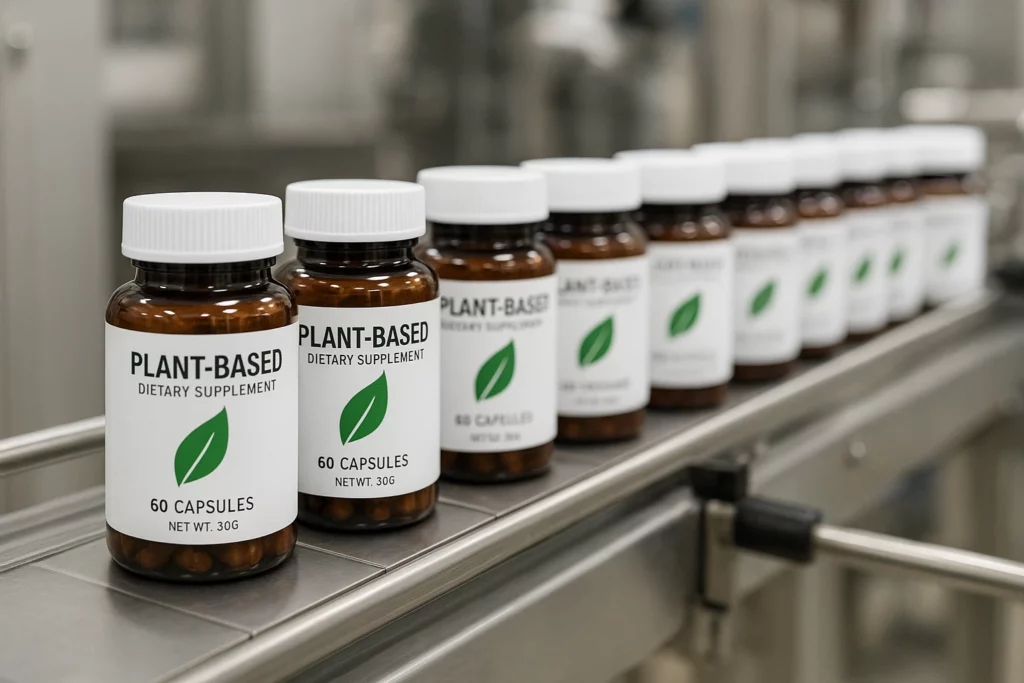
Plant-based supplement bottles aligned on a manufacturing conveyor system with green leaf branding.
Challenges in Implementing GMP
While the benefits of Good Manufacturing Practices are clear, implementing them is not without challenges. For small businesses or startups, the costs of GMP compliance can be significant. Upgrading facilities, training staff, and maintaining detailed records require time and financial investment. However, these costs are outweighed by the long-term benefits of producing safe, high-quality products.
Another challenge is staying up to date with evolving regulations. GMP standards are not static; they change as new technologies emerge and scientific understanding improves. Manufacturers must stay informed and adapt their processes to remain compliant. This requires ongoing education and flexibility, particularly in industries like plant-based products, where innovation is constant.
How GMP Benefits Manufacturers
While GMP is designed to protect consumers, it also offers significant advantages for manufacturers. By following these practices, companies can reduce waste, improve efficiency, and minimize the risk of costly errors. For instance, a well-maintained facility is less likely to experience equipment failures, and thorough record-keeping can streamline audits or inspections.
Moreover, GMP compliance enhances a company’s reputation. In a competitive market, being able to advertise GMP certification sets a manufacturer apart from those cutting corners. It signals to retailers, distributors, and consumers that the company prioritizes quality and safety.
The Consumer’s Role in GMP
Consumers also play a role in supporting Good Manufacturing Practices. By choosing products from GMP-compliant manufacturers, they reward companies that invest in quality. Consumers can look for certifications or statements on packaging that indicate GMP compliance, such as labels from Health Canada or third-party auditors. Asking questions about a product’s manufacturing process or researching a company’s practices can further empower consumers to make informed decisions.
Educating oneself about GMP can also help consumers navigate the marketplace. For example, understanding that GMP requires rigorous testing can give buyers confidence in the safety of plant-based supplements. Conversely, products from non-compliant manufacturers may carry higher risks, even if they appear similar on the surface.
Worker maintaining hygiene in a GMP-certified lab using cleaning tools on advanced machinery
Frequently Asked Questions About Good Manufacturing Practices
Q: What does GMP stand for, and what is its purpose? A: GMP stands for Good Manufacturing Practices. Its purpose is to ensure that products, especially consumables like food, supplements, and pharmaceuticals, are consistently produced with high quality, safety, and efficacy. GMP guidelines minimize risks like contamination or mislabeling, protecting consumers and ensuring regulatory compliance.
Q: How can consumers identify GMP-compliant products? A: Consumers can look for GMP certification labels on packaging, often issued by regulatory authorities or third-party auditors. Checking a manufacturer’s website for compliance statements or researching their adherence to regulations can also confirm GMP standards.
Q: Why are Good Manufacturing Practices especially important for plant-based products? A: Plant-based products, like herbal supplements, have natural variations in potency and quality due to factors like growing conditions. GMP ensures consistent quality through rigorous testing, standardized processes, and proper handling, reducing risks of contamination or ineffective products.
Q: Do Good Manufacturing Practices apply only to large companies? A: No, GMP applies to manufacturers of all sizes in regulated industries. While small businesses may face challenges in meeting compliance costs, adhering to GMP is essential for ensuring product safety and building consumer trust, regardless of company size.
Q: How do Good Manufacturing Practices affect product pricing? A: Implementing GMP can increase production costs due to investments in training, equipment, and facility upgrades. However, these costs contribute to higher-quality, safer products, which can justify pricing and enhance consumer confidence in the brand.
Q: Can GMP compliance guarantee a product is 100% safe? A: While GMP significantly reduces risks by enforcing strict quality controls, no system can guarantee absolute safety. GMP minimizes issues like contamination or errors but relies on proper implementation and ongoing compliance to be effective.
The Bigger Picture
Good Manufacturing Practices are more than a checklist; they are a philosophy of excellence. They reflect a commitment to doing things right, not just for the sake of compliance but for the sake of people who rely on safe, high-quality products. Whether you are a consumer seeking trustworthy plant-based supplements or a manufacturer aiming to build a reputable brand, GMP is a critical piece of the puzzle.
By ensuring safety, consistency, and transparency, GMP fosters trust between producers and consumers. It protects public health, supports ethical business practices, and drives innovation in manufacturing. For industries handling complex materials like plant-based products, GMP is not just important; it is indispensable.
Understanding Good Manufacturing Practices empowers everyone involved in the supply chain, from the farmer growing raw materials to the consumer opening a bottle of supplements. It is a reminder that quality is not an accident; it is the result of careful planning, rigorous standards, and a dedication to excellence.
Disclaimer
The information provided about Good Manufacturing Practices (GMP) is intended for general informational purposes only and should not be considered a substitute for professional medical, health, or safety advice. While GMP guidelines aim to ensure the safety, quality, and consistency of products such as food, dietary supplements, pharmaceuticals, and plant-based products, adherence to these standards does not guarantee absolute safety or efficacy of any specific product.
Consumers should always consult with qualified healthcare professionals before using any health-related products, especially those intended for medical or therapeutic purposes, to ensure they are appropriate for their individual health needs. Manufacturers and businesses must comply with all relevant regulatory requirements and seek expert guidance to ensure proper implementation of GMP standards.
The information presented does not constitute an endorsement of any specific product, manufacturer, or practice, and neither the author nor the publisher assumes liability for any adverse effects, injuries, or damages resulting from the use of products manufactured under GMP guidelines. Always verify product safety, consult with professionals, and follow applicable regulations to make informed decisions regarding health and safety.
On February 16, 2026, select provinces will observe regional holidays.
Canada Post will operate as normal and all shipments will be processed as usual.
FedEx will be closed in Prince Edward Island (Islander Day); Alberta, British Columbia, Ontario, Saskatchewan, and New Brunswick (Family Day); Manitoba (Louis Riel Day); and Nova Scotia (Heritage Day). FedEx shipments to these provinces will move the next business day.