


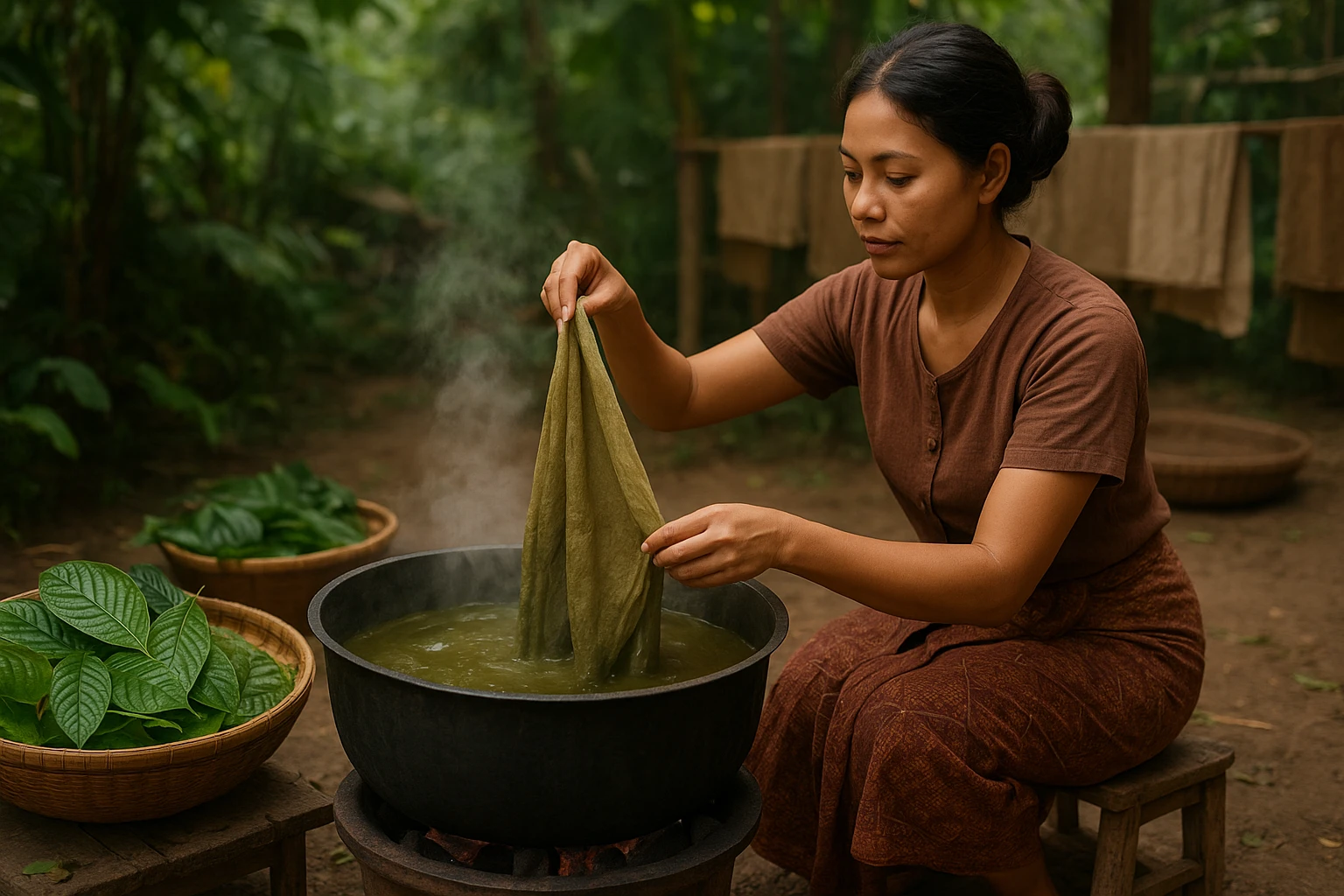

The art of dyeing textiles with natural materials is a practice as old as civilization itself, weaving together creativity, culture, and sustainability. Among the many plants used to create vivid hues, kratom has potentially emerged as a fascinating and eco-friendly option. Kratom dyeing, though less known than indigo or madder, offers a unique palette of earthy tones and aligns with the growing demand for sustainable practices in textile arts. This blog goes into the historical, cultural, and practical dimensions of using kratom in traditional textile dyeing, revealing how this Southeast Asian plant contributes to environmentally conscious creations.
The Roots of Natural Dyeing
Textile dyeing is a craft that predates written history, with evidence of dyed fabrics found in ancient Egyptian tombs and early Chinese silk weavings. Natural dyes, sourced from plants, insects, and minerals, were the sole means of colouring textiles until synthetic dyes emerged in the 19th century. These natural sources not only provided colour but also carried cultural significance, often symbolizing status, spirituality, or regional identity. In Southeast Asia, where kratom originates, communities have long harnessed local flora for dyeing, embedding their textiles with the essence of their environment.
Kratom, native to countries like Thailand, Indonesia, and Malaysia, is traditionally known for its medicinal and cultural uses. Its leaves, rich in alkaloids, have been chewed or brewed into teas for centuries. However, the plant’s pigments, which yield earthy browns, and greens, have also found a place in the textile arts. Kratom dyeing represents a convergence of tradition and innovation, offering a sustainable alternative to synthetic dyes while preserving the heritage of natural craftsmanship.
Understanding Kratom as a Dye Source
The Mitragyna speciosa tree, a member of the coffee family, thrives in the tropical climates of Southeast Asia. Its dark green, glossy leaves contain pigments that can be extracted to produce a range of hues, from soft pinks to deep russets. The dyeing potential of kratom lies in its natural compounds, which release colourants suitable for textiles and paper when processed. Unlike synthetic dyes, which often rely on petrochemicals and produce toxic wastewater, kratom dyeing is biodegradable and minimizes environmental harm.
The process of extracting dye from kratom is straightforward yet requires precision. Artisans typically simmer kratom leaves or powder in water to release the pigments, creating a dye bath. The resulting colours depend on factors such as the leaf’s maturity, the concentration of the dye, and the type of fabric used. Natural fibers like cotton, silk, wool, and linen are particularly receptive to kratom dye, absorbing its hues to create lasting, vibrant results.
The Cultural Context of Kratom Dyeing
In Southeast Asia, textile dyeing is more than a craft; it’s a storytelling medium. Traditional textiles, such as Indonesian batik or Thai ikat, often incorporate natural dyes to reflect local landscapes and cultural narratives. While kratom dyeing is not as widely documented as indigo or turmeric, its use in rural communities highlights its role in sustainable practices. For example, in regions where kratom grows abundantly, artisans have experimented with its leaves to create unique shades that distinguish their work from mass-produced textiles.
The cultural significance of kratom-dyed textiles extends beyond aesthetics. In some communities, the act of dyeing is a communal ritual, bringing together families and neighbors to share knowledge and resources. The earthy tones of kratom-dyed fabrics often symbolize connection to the land, embodying a respect for nature that resonates with modern sustainability movements. As global interest in eco-friendly practices grows, kratom dyeing is gaining attention for its ability to bridge traditional craftsmanship with contemporary environmental values.
The Dyeing Process: From Leaf to Fabric
Creating a kratom dye begins with sourcing high-quality leaves or powder. Fresh leaves, often preferred for their vivd pigments, are simmered in water for hours to extract the colour. Powdered kratom, more commonly available in urban markets, can also be used, though it may produce slightly muted tones. The dye bath is prepared by boiling the leaves or powder, sometimes with a mordant, a substance like alum or iron that helps the dye bind to the fabric.
Preparing the Fabric
Before dyeing, fabrics must be carefully prepared to ensure even colour absorption. Natural fibers are scoured to remove impurities, such as oils or dirt, that could interfere with the dye’s adherence. Mordanting is a critical step, as it enhances the dye’s fastness, ensuring the colour remains lively through washing and wear. For kratom dyeing, alum is a common mordant, producing brighter hues, while iron can deepen the tones, creating richer, darker shades.
Dyeing Techniques
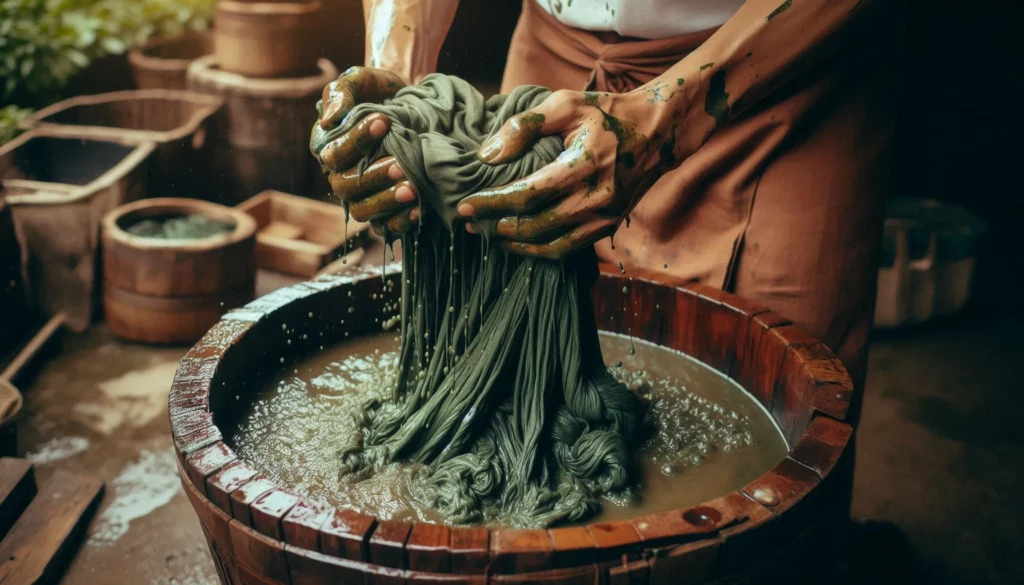
Once the dye bath is ready, the fabric is submerged and stirred gently to promote uniform colouring. The duration of immersion affects the intensity of the hue, with longer soaking times yielding deeper shades and shorter dips creating softer tones. Artisans may also experiment with tie-dye or resist-dyeing techniques, such as shibori, to create intricate patterns. These methods, rooted in traditional practices, allow for creative expression while showcasing the unique properties of kratom dye.
Post-Dyeing Care
After dyeing, the fabric is rinsed thoroughly to remove excess dye and then air-dried away from direct sunlight to prevent fading. Proper care, such as hand-washing with mild detergents, helps preserve the colour’s longevity. Unlike synthetic dyes, which can fade unevenly, kratom-dyed textiles often develop a patina over time, adding to their aesthetic charm.
The Sustainability of Kratom Dyeing
One of the most compelling aspects of kratom dyeing is its alignment with sustainable practices. Synthetic dyes, widely used in the textile industry, contribute to significant environmental pollution. The wastewater from these dyes often contains toxic chemicals that harm aquatic ecosystems and contaminate water supplies. In contrast, kratom dyeing produces biodegradable waste, reducing the ecological footprint of textile production.
Moreover, kratom is a renewable resource. The Mitragyna speciosa tree grows quickly in its native regions, and its leaves can be harvested without harming the plant, ensuring a steady supply for artisans. By using locally sourced kratom, communities can reduce reliance on imported synthetic dyes, supporting both local economies and environmental conservation.
The sustainability of kratom dyeing extends to its cultural and economic benefits. In rural Southeast Asia, dyeing with kratom provides an income source for artisans, many of whom are women. This craft empowers communities by preserving traditional knowledge and creating economic independence. As global demand for sustainable textiles grows, kratom dyeing offers a model for balancing heritage with modern environmental priorities.
Challenges and Considerations in Kratom Dyeing
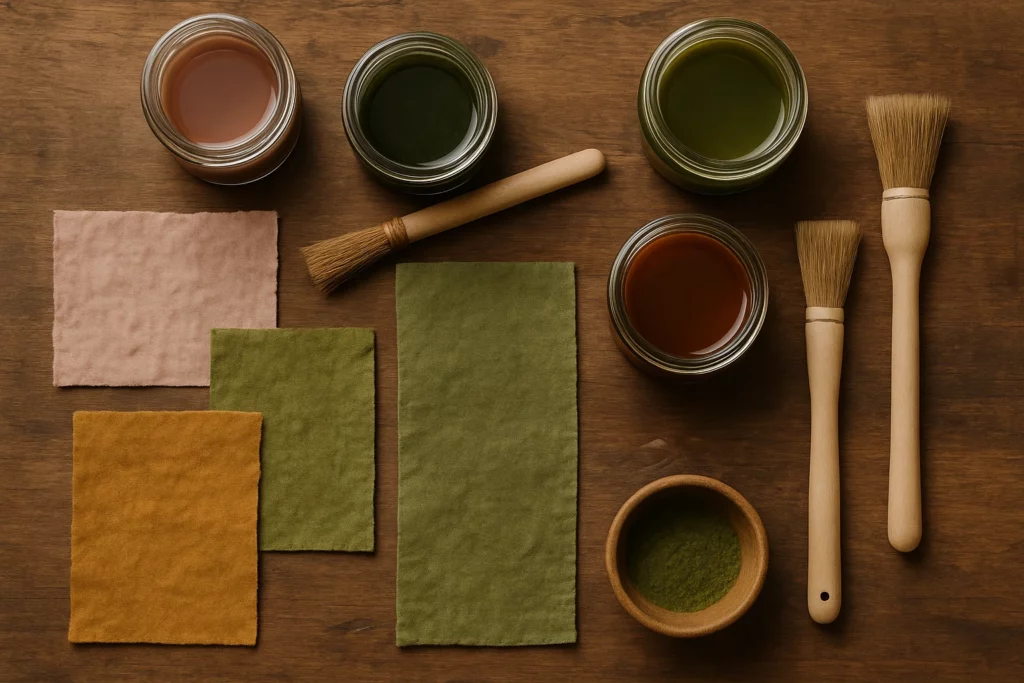
While kratom dyeing holds immense potential, it is not without challenges. The colour range of kratom is more limited than that of other natural dyes, such as indigo or cochineal, which can produce a broader spectrum of hues. Artisans must experiment with mordants and dyeing times to achieve desired results, which can be time-consuming and require specialized knowledge.
Another consideration is the sourcing of kratom. While the plant is abundant in Southeast Asia, its use in dyeing must be balanced with its other applications, such as in traditional medicine. Ethical sourcing is crucial to ensure that kratom harvesting does not deplete local ecosystems or exploit workers. Artisans and consumers alike must prioritize suppliers who adhere to sustainable and fair-trade practices.
The variability of kratom dye is both a strength and a challenge. Factors such as soil conditions, leaf age, and water pH can influence the final colour, making it difficult to achieve consistent results. For commercial applications, this variability may pose a hurdle, but for artisanal work, it adds to the uniqueness of each piece, celebrating the imperfections inherent in natural dyeing.
The Artistic Potential of Kratom-Dyed Textiles
Kratom-dyed textiles are not just functional; they are works of art. The subtle variations in colour, influenced by the dyeing process and the fabric’s texture, create pieces that are inherently unique. Artisans can layer kratom dye with other natural dyes, such as turmeric or logwood, to produce complex, multi-dimensional hues. Overdyeing, where a fabric is dyed multiple times, can yield intricate patterns that tell a story of craftsmanship and experimentation.
In traditional weaving communities, kratom-dyed yarns are often used to create intricate textiles, such as scarves, shawls, and ceremonial garments. These pieces carry cultural significance, often incorporating motifs inspired by nature or mythology. For contemporary artists, kratom dyeing offers a medium for exploring themes of sustainability and cultural heritage, creating textiles that resonate with modern audiences.
The tactile quality of kratom-dyed fabrics adds to their appeal. Natural fibers, when dyed with kratom, retain a softness and warmth that synthetic dyes cannot replicate. This sensory experience, combined with the visual beauty of earthy hues, makes kratom-dyed textiles a favourite among those who value craftsmanship and authenticity.

Frequently Asked Questions About Kratom Dyeing
Q: What types of fabrics work best with kratom dyeing?
A: Natural fibers like cotton, silk, wool, and linen are ideal for kratom dyeing. These materials absorb the dye’s earthy hues effectively, resulting in vibrant, long-lasting colours. Synthetic fabrics, such as polyester, are less compatible because they do not bond well with natural dyes, often producing uneven or faded results.
Q: How does kratom dyeing compare to other natural dyes like indigo?
A: Kratom dyeing produces earthy tones, such as browns, and greens, while indigo is known for its rich blues. Kratom’s colour range is narrower, but its biodegradable nature and renewable source make it equally sustainable. Unlike indigo, which requires a fermentation process, kratom dye extraction is simpler, involving boiling leaves or powder.
Q: Can beginners try kratom dyeing at home?
A: Yes, beginners can experiment with kratom dyeing using basic equipment like a pot, water, and kratom powder or leaves. However, achieving consistent results requires practice, especially with mordanting and controlling dye bath variables. Starting with small fabric swatches and following detailed guides can help novices succeed.
Q: Is kratom dyeing safe for the environment?
A: Kratom dyeing is highly eco-friendly, as it uses biodegradable materials and produces minimal waste. Unlike synthetic dyes, which release toxic chemicals into waterways, kratom’s natural pigments break down harmlessly. Ethical sourcing of kratom further ensures minimal environmental impact.
Q: How can artisans ensure vibrant colours with kratom dyeing?
A: To achieve radiant colours, artisans should use fresh kratom leaves or the best kratom in Canada, apply a mordant like alum for brighter hues, and adjust soaking times to control intensity. Testing small samples and monitoring water pH can also help achieve desired shades.
Q: Are kratom-dyed textiles durable for everyday use?
A: Yes, when properly mordanted and cared for, kratom-dyed textiles are durable for everyday use. Hand-washing with mild detergents and avoiding prolonged sun exposure can maintain their colour and quality, making them suitable for clothing, home decor, and more.
Conclusion
Kratom dyeing is a testament to the enduring power of natural materials in the textile arts. From its roots in Southeast Asian traditions to its growing presence in global markets, this practice embodies sustainability, creativity, and cultural heritage. By harnessing the pigments of the Mitragyna speciosa tree, artisans create textiles that are not only beautiful but also environmentally responsible.
As the world seeks alternatives to synthetic dyes, kratom dyeing offers a path forward, blending ancient wisdom with modern innovation. Whether in the hands of a rural weaver or a contemporary designer, kratom-dyed textiles tell a story of connection to the land, to tradition, and to a more sustainable future.
Disclaimer
The information provided in this blog is intended for educational and informational purposes only, focusing on its use as a natural dye in textile arts. While kratom (Mitragyna speciosa) is a plant with cultural and historical significance in Southeast Asia, its use in dyeing should be approached with caution due to potential health, safety, and medical considerations. Kratom contains alkaloids that may pose health risks if ingested, inhaled, or improperly handled, including skin irritation or allergic reactions in some individuals.
Artisans should wear protective gloves, masks, and work in well-ventilated areas to minimize exposure to kratom dust or fumes during the dyeing process. Kratom is not approved for medical or therapeutic use in many regions, including Canada, and its consumption may have health risks, such as potential toxicity or interactions with medications. Always consult a qualified healthcare professional before handling kratom for any purpose beyond dyeing, and ensure compliance with local regulations.
The use of kratom in dyeing should prioritize ethical sourcing to avoid environmental harm or exploitation. Neither the author nor publisher are responsible for any adverse effects, injuries, or legal consequences resulting from the misuse or mishandling of kratom or kratom-dyed materials. Always conduct thorough research and exercise caution to ensure safe and responsible practices.