Unlocking the Weekend Kratom Routine: 6 Benefits and Key Drawbacks
Faust
Kratom, derived from the leaves of the Mitragyna speciosa tree native to Southeast Asia, has sparked curiosity among those exploring plant-based wellness options. For some, a weekend kratom routine offers a structured way to experience its effects while avoiding daily use. This approach involves limiting kratom consumption to weekends, while abstaining during the week. While this method appeals to those seeking balance, it comes with both advantages and challenges.
What Is a Weekend Kratom Routine?
A weekend kratom routine refers to the practice of consuming kratom exclusively on weekends, typically Friday through Sunday, while abstaining during the week. This approach contrasts with daily use, which is common among those using kratom for chronic pain or opioid withdrawal. Users may choose this schedule to enjoy kratom’s stimulating or relaxing effects recreationally, to enhance social activities, or to address specific needs like post-work stress or physical discomfort from weekend activities. By limiting use to a few days, individuals aim to maximize benefits while minimizing risks like dependency or tolerance.
The appeal of this routine lies in its structure. It offers a way to enjoy kratom’s effects without making it a daily habit, which can be particularly attractive for those wary of its potential for addiction. However, the lack of regulation and limited research on kratom means users must approach this practice with caution, weighing both its upsides and downsides.
The Allure of a Weekend Kratom Routine
Why do people gravitate toward a weekend-only approach? For many, it’s about control and intentionality. Kratom’s effects vary by dose and strain, offering stimulation at lower doses and sedation at higher ones. This versatility makes it appealing for weekend use, whether someone wants to boost energy for outdoor activities or unwind after a busy week. The structured schedule also aligns with the natural rhythm of a workweek, allowing users to reserve kratom for leisure or recovery time.
This routine is also a response to concerns about kratom’s risks. By limiting consumption to a few days, users hope to avoid the pitfalls of daily use, such as tolerance or withdrawal symptoms. But does this approach deliver on its promise? Let’s explore the benefits and drawbacks to understand its full impact.
Silhouette enjoying a peaceful riverside meditation at dawn, accompanied by a teapot and cup.
Benefits of a Weekend Kratom Routine
1. Enhanced Energy for Weekend Activities
One of the primary draws of a weekend kratom routine is its potential to boost energy. At lower doses, typically 1-5 grams, kratom acts as a stimulant, increasing alertness and sociability. This can be ideal for weekend plans like hiking, socializing, or tackling household projects. Users often report feeling more focused and motivated, which can make leisure time more productive or enjoyable. For those who feel drained after a long workweek, this energy boost can transform a sluggish weekend into one filled with activity and engagement.
This benefit is particularly appealing for people who want to maximize their downtime. Instead of spending Saturday recovering from work-related fatigue, a small dose of kratom might provide the spark needed to pursue hobbies or connect with friends. The key is moderation, as higher doses can lead to sedation, which may counteract the desired effect.
2. Mood Elevation for Social or Personal Time
Kratom’s mood-enhancing properties are another reason it fits well into a weekend routine. Many users describe feelings of euphoria or relaxation, which can enhance social gatherings or personal relaxation time. For example, a low dose might make conversations more engaging at a weekend barbecue, while a moderate dose could create a sense of calm during a quiet Sunday at home. This mood lift can be a welcome break from the stresses of daily life, offering a mental reset before the workweek begins.
The psychological boost can also support those dealing with occasional low moods. While kratom is not a substitute for professional mental health care, its ability to temporarily elevate mood can make weekends feel more fulfilling. Users should be mindful, however, that this effect depends on strain, dose, and individual response.
3. Support for Physical Discomfort
For those who engage in physical activities like sports, gardening, or exercise on weekends, kratom’s potential to alleviate discomfort is a significant benefit. At higher doses, typically 5-15 grams, kratom interacts with opioid receptors, providing pain-relieving effects similar to mild opioids but with fewer side effects. This can be helpful for managing muscle soreness or joint pain after a strenuous hike or a long day of manual labour.
By using kratom only on weekends, individuals may reduce the risk of relying on it daily for pain management, preserving its effectiveness and avoiding tolerance buildup. This selective use can make weekends more enjoyable, allowing users to stay active without discomfort holding them back.
4. Structured Use to Limit Dependency Risk
A weekend kratom routine inherently promotes moderation, which can reduce the risk of dependency. Regular, daily use of kratom, especially at high doses, can lead to tolerance and withdrawal symptoms similar to those of opioids. By confining use to weekends, individuals create a natural barrier against overuse, giving their bodies a break during the week. This structure can help maintain kratom’s effectiveness over time, as the body is less likely to adapt to its presence.
This benefit appeals to those who value self-discipline and want to enjoy kratom’s effects without integrating it into their daily routine. It also aligns with harm reduction principles, offering a way to explore kratom’s benefits while minimizing potential downsides.
5. Flexibility to Experiment with Strains
Kratom comes in various strains, each with distinct effects. For example, white vein strains are often stimulating, red vein strains are more sedative, and green vein strains offer a balance of both. A weekend-only routine provides an opportunity to experiment with different strains to find what works best for specific activities or moods. Someone might choose a white vein strain for a lively Saturday outing and a red vein strain for a relaxing Sunday evening.
This flexibility allows users to tailor their kratom use to their weekend plans, enhancing the overall experience. It also encourages mindful consumption, as users can adjust doses and strains based on how their body responds, creating a more intentional relationship with the plant.
6. Potential for Stress Relief
Weekends are often a time to unwind, and kratom’s calming effects can support this goal. At moderate to high doses, kratom can induce relaxation, helping users let go of work-related stress or personal worries. This can be particularly valuable for those who struggle to switch off after a demanding week. A weekend kratom routine might include a dose on Saturday evening to promote a sense of peace, making it easier to enjoy leisure activities or simply rest.
This stress-relieving potential can enhance overall well-being, allowing users to approach the new week feeling refreshed. However, it’s important to use kratom as part of a broader self-care strategy, not as a sole solution for stress management.
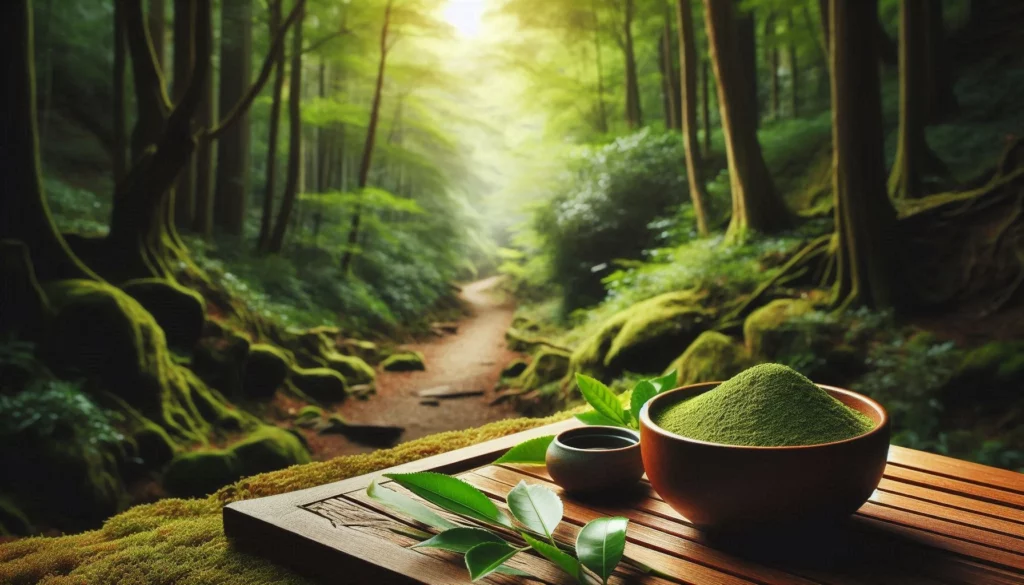
Wooden tray showcasing kratom powder and leaves with a cup, framed by a serene forest path
Drawbacks of a Weekend Kratom Routine
While a weekend kratom routine offers several benefits, it also comes with challenges that users must consider. The lack of regulation, limited research, and individual variability in kratom’s effects mean that even a restricted schedule carries risks.
1. Risk of Overuse on Weekends
Limiting kratom to weekends doesn’t eliminate the risk of overuse. Some users may be tempted to take higher doses or consume kratom multiple times over the weekend, especially if they’re seeking stronger effects. This can lead to unpleasant side effects like nausea, dizziness, or irritability, which can disrupt weekend plans. In extreme cases, overuse could contribute to tolerance, reducing kratom’s effectiveness over time.
To mitigate this risk, users should set clear boundaries, such as sticking to a predetermined dose and avoiding redosing within a short period. Mindfulness and self-awareness are crucial to maintaining a balanced approach.
2. Potential for Withdrawal Symptoms
Even with weekend-only use, some individuals may experience mild withdrawal symptoms during the week, particularly if they use higher doses. Symptoms like irritability, fatigue, or cravings can emerge within 12-48 hours of the last dose and may last a few days. While these symptoms are typically less severe than those associated with daily use, they can still affect mood and productivity early in the week.
Users with a history of substance use or sensitivity to kratom’s opioid-like effects may be more prone to withdrawal, even with limited use. Starting with low doses and monitoring the body’s response can help minimize this risk.
3. Lack of Regulation and Quality Control
Kratom’s legal status in many countries, including Canada, means it’s often sold without oversight, leading to variability in product quality. Contaminants like heavy metals or bacteria, such as salmonella, have been found in some kratom products, posing health risks. For weekend users, this lack of regulation can be particularly concerning, as even occasional use of a contaminated product could cause adverse effects.
To reduce this risk, users should source kratom from reputable vendors who provide lab-tested products. Researching suppliers and checking for transparency in sourcing and testing is essential for safe use.
4. Variable Effects and Individual Responses
Kratom’s effects are highly individualized, influenced by factors like body chemistry, dose, strain, and method of consumption. What works for one person may not work for another, and even weekend users may experience inconsistent effects. For example, a dose that feels stimulating one weekend might feel sedating the next, leading to unpredictable outcomes.
This variability can make it challenging to plan kratom use around specific activities. Users may need to experiment over several weekends to find the right dose and strain, which requires patience and careful observation.
5. Potential for Negative Side Effects
Even with limited use, kratom can cause side effects like nausea, constipation, or irritability, especially at higher doses. Some users report feeling “edgy” or restless, which can interfere with relaxation or social plans. These side effects can be particularly frustrating for weekend users who want to maximize their leisure time.
Additionally, combining kratom with other substances, such as alcohol or medications, can amplify risks. Weekend users should avoid mixing kratom with other drugs and consult a healthcare professional if they’re taking medications that might interact with kratom’s active compounds.
6. Social and Legal Considerations
While kratom is legal in Canada, its status as a “drug of concern” in some regions can create social stigma. Friends or family may question its use, especially if they’re unfamiliar with kratom’s effects or associate it with opioids. This can lead to uncomfortable conversations or judgment, particularly in social settings where kratom is consumed.
Additionally, the legal landscape for kratom is evolving. Some countries have banned it, and future restrictions in Canada could limit access. Weekend users should stay informed about local regulations to avoid legal complications.
Man enjoying a relaxed moment on a stylish sofa with a mug, illuminated by soft lamps and string lights.
FAQ
Q: Is a weekend kratom routine safer than daily use? A: A weekend kratom routine is generally considered lower risk than daily use because it reduces the frequency of consumption, which can help minimize the chances of developing tolerance or dependency. However, even occasional use carries risks, such as side effects or mild withdrawal symptoms, especially if doses are high. To enhance safety, use low to moderate doses, source high-quality products, and monitor your body’s response.
Q: How do I choose the right kratom strain for my weekend kratom routine? A: The choice of strain depends on your goals. White vein strains are typically stimulating, ideal for energy and focus during active weekend plans. Red vein strains are more sedative, suitable for relaxation or pain relief. Green vein strains offer a balance of both. Experiment with small doses of different strains to find what aligns with your weekend activities, and always purchase from reputable vendors.
Q: Can I combine a weekend kratom routine with other supplements or medications? A: Combining kratom with other substances, including supplements or medications, can be risky due to potential interactions. Kratom may affect the liver’s ability to metabolize certain drugs, and combining it with sedatives or alcohol can amplify side effects. Consult a healthcare professional before using kratom if you take medications or supplements to avoid adverse reactions.
Q: How can I avoid side effects during a weekend kratom routine? A: To minimize side effects like nausea or irritability, start with a low dose (1-2 grams) and stay hydrated, as dehydration can worsen discomfort. Avoid taking kratom on an empty stomach, as this may increase nausea. Stick to a single dose per day, and wait at least 4-6 hours before considering another dose to prevent overstimulation or sedation.
Q: What should I do if I experience withdrawal symptoms during the week? A: Mild withdrawal symptoms, such as irritability or fatigue, may occur if you use higher doses during your weekend kratom routine. To manage this, reduce your weekend dose, stay hydrated, and maintain a healthy diet and sleep schedule during the week. If symptoms persist or worsen, consult a healthcare professional and consider pausing kratom use to allow your body to reset.
Q: How do I know if a weekend kratom routine is right for me? A: A weekend kratom routine may be suitable if you seek occasional support for energy, mood, or physical discomfort and are comfortable with mindful use. It may not be appropriate if you have a history of substance use disorders, liver issues, or mental health conditions, as kratom could pose risks. Consult a doctor if you’re unsure, and always prioritize high-quality products and moderation.
Conclusion
A weekend kratom routine offers a structured way to experience kratom’s potential benefits, such as increased energy, mood enhancement, and discomfort relief, while minimizing some risks associated with daily use. However, the lack of regulation, variable effects, and potential for side effects or withdrawal mean users must approach it with caution. By prioritizing moderation, quality, and self-awareness, individuals can make informed decisions about whether this routine aligns with their wellness goals.
Ultimately, the decision to incorporate kratom into your weekends depends on your needs, health, and willingness to navigate its complexities. Stay curious, stay cautious, and always prioritize your well-being when exploring this intriguing plant.
Disclaimer
The information provided in this blog is intended for informational purposes only and should not be considered as medical, health, or safety advice. Kratom (Mitragyna speciosa) is a botanical product that has not been approved by Health Canada or the U.S. Food and Drug Administration (FDA) for any medical use. The safety, efficacy, and long-term effects of kratom consumption are not fully studied, and its use may carry risks.
Kratom may interact with medications, supplements, or pre-existing health conditions, potentially causing adverse effects. Possible side effects of kratom use include nausea, dizziness, constipation, or dependency with prolonged use. Contaminated or improperly stored kratom may pose additional health risks, such as microbial contamination, which could lead to illness. Always consult a qualified healthcare professional before using kratom, especially if you are pregnant, breastfeeding, or have underlying medical conditions.
This blog does not substitute for professional medical advice, diagnosis, or treatment. Do not use kratom to treat, cure, or prevent any medical condition without guidance from a healthcare provider. If you experience any adverse effects from kratom use, discontinue use immediately and seek medical attention. The authors and publishers of this blog are not liable for any consequences resulting from the use or misuse of kratom.
On February 16, 2026, select provinces will observe regional holidays.
Canada Post will operate as normal and all shipments will be processed as usual.
FedEx will be closed in Prince Edward Island (Islander Day); Alberta, British Columbia, Ontario, Saskatchewan, and New Brunswick (Family Day); Manitoba (Louis Riel Day); and Nova Scotia (Heritage Day). FedEx shipments to these provinces will move the next business day.