Transparency in Kratom: Ensuring Safe, Trusted Choices
Faust
In the world of natural botanicals, few plants carry as much intrigue and debate as kratom. Derived from the leaves of the Mitragyna speciosa tree, native to Southeast Asia, kratom has woven itself into modern conversations about wellness and self-care. Yet, amid its rising popularity, one principle stands out as essential for anyone navigating this space: transparency in kratom. Without clear visibility into how products are sourced, tested, and handled, consumers face unnecessary risks in an industry still finding its footing.
The Roots of Kratom: A Plant with a Rich History
To appreciate the need for transparency, it’s helpful to start at the source. Kratom trees thrive in the humid, tropical climates of countries like Indonesia, Thailand, and Malaysia. For generations, local communities have harvested the leaves by hand, drying them in the sun to preserve their natural compounds. These leaves, with their distinctive vein colours of red, green, or white, offer varying profiles that users have long associated with different daily needs.
In its traditional context, kratom was a staple for labourers seeking a gentle lift during long hours or a calming close to the day. This cultural legacy carries forward today, but global demand has transformed it from a regional herb into an international commodity. Farmers in Borneo, for instance, now cultivate vast groves, but not all operations prioritize sustainable methods. Some clear forests indiscriminately, while others rotate crops to maintain soil health. Without details on these practices, it’s impossible to know if your purchase contributes to preservation or depletion.
This historical depth underscores a key point: kratom’s value lies in its authenticity. When vendors share stories of their suppliers, perhaps photos of lush plantations or notes on harvest seasons, they bridge the gap between ancient traditions and contemporary use. Such sharing isn’t mere storytelling; it reveals commitments to quality that begin long before processing.
Why Clarity Counts: Building Safety Through Visibility
Rigorous Testing for Consumer Safety
Imagine reaching for a product with confidence, knowing exactly what’s inside. That’s the promise of transparency in kratom, and it starts with rigorous testing. Independent labs play a pivotal role here, analyzing batches for purity and potency. They check for alkaloids like mitragynine, the plant’s primary active element, while screening out unwanted elements such as heavy metals or microbes.
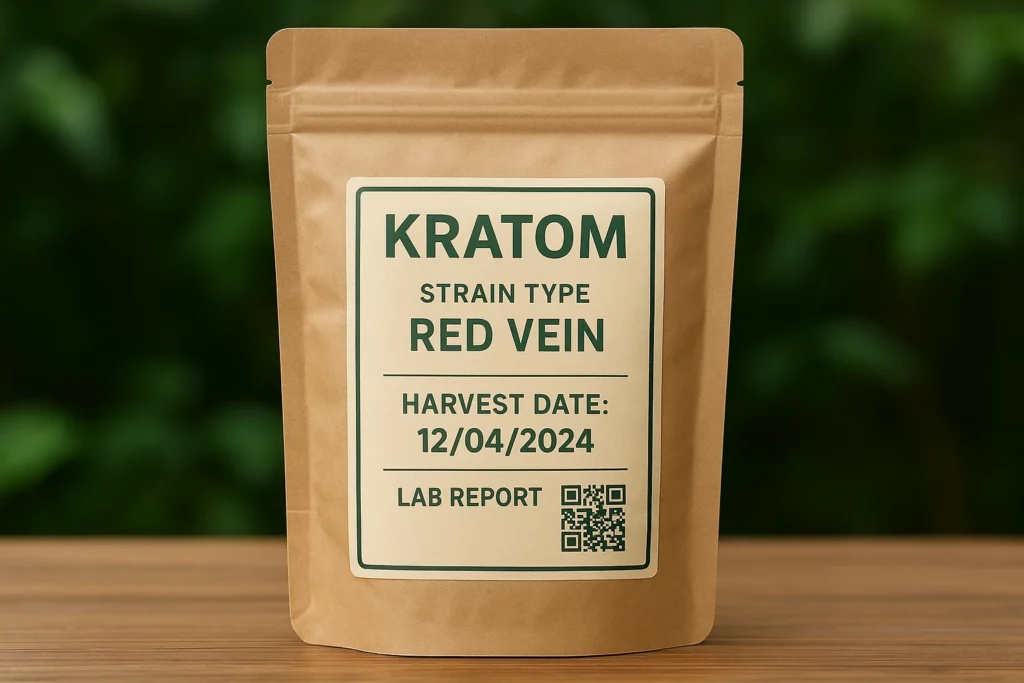
Recent findings highlight how vital this step is. In the United States, regulatory bodies have flagged instances where imported leaves carried traces of lead or nickel, levels that could accumulate over time with regular use. These aren’t isolated slips; they stem from uneven soil conditions in growing regions or lax handling during transport. Brands that publish lab reports, often via scannable codes on packaging, allow you to verify results yourself. This direct access fosters accountability, as no company wants discrepancies exposed.
Clear Labeling for Informed Choices
Beyond testing, transparency extends to labeling. Clear indications of strain type, harvest date, and processing methods help users match products to their preferences. A red vein batch from mature leaves might suit evening routines, while a fresh green one energizes mornings. Vague descriptions, on the other hand, leave room for guesswork, potentially leading to mismatched expectations or overuse.
Navigating Canada’s Regulatory Landscape
In Canada, where kratom falls under natural health product guidelines, this visibility takes on added weight. Health Canada requires that items not be marketed for ingestion without approval, pushing sellers toward “research-only” labels. Yet, transparent providers go further, detailing compliance steps to reassure buyers. This approach not only meets legal standards but also builds a bridge of trust in a market where personal possession remains straightforward, but commercial sales demand precision.
Kraft pouch displaying red vein kratom strain details and harvest date on a wooden surface.
Navigating the Shadows: Risks When Transparency Lapses
Contamination Risks in Unregulated Supply Chains
No discussion of openness would be complete without addressing the pitfalls of its absence. The kratom market’s rapid growth has invited inconsistencies, from adulterated blends to outright mislabeling. Without oversight, some products arrive tainted by salmonella, a bacterial hitchhiker that has triggered recalls in recent years. These outbreaks, traced back to contaminated shipments, remind us that poor handling at any stage, whether drying, milling, or packaging, can ripple outward.
Heavy Metals and Hidden Dangers
Heavy metal presence adds another layer of concern. Soils in parts of Southeast Asia naturally hold minerals like lead, but unchecked farming amplifies exposure. When levels exceed safe thresholds, chronic users might face subtle health strains, from fatigue to more persistent issues. Opacity here isn’t accidental; it often shields subpar suppliers who cut corners for cost.
The Threat of Synthetic Additives
Synthetic additives represent an emerging threat. As demand surges, rogue producers introduce lab-made compounds mimicking kratom’s effects, such as concentrated versions of certain alkaloids. These aren’t the natural leaf but engineered shortcuts, sometimes exceeding 2% potency caps set in new rules. In 2025, U.S. officials cracked down on such synthetics, emphasizing that true kratom stays plant-based. Without vendor disclosure, distinguishing these becomes a gamble, eroding the herb’s gentle reputation.
Consumers bear the brunt, navigating a sea of unverified claims. Online forums buzz with tales of inconsistent batches, one delivering calm, the next jittery unease. This variability discourages newcomers and fuels skepticism, slowing broader acceptance. Yet, it also spotlights the antidote: demands for verifiable details that weed out unreliable players.
Ethical Harvests: Transparency’s Role in Sustainability
Sustainability weaves deeply into this narrative, as transparent practices often align with environmental stewardship. Ethical growers limit harvests to mature leaves, allowing trees to regenerate and preventing overexploitation. In Indonesia, where much of the world’s supply originates, forward-thinking farms employ shade-grown techniques, mimicking the forest canopy to boost biodiversity.
Community impacts matter too. Fair wages and safe working conditions for pickers ensure that prosperity flows locally, funding schools or clinics. Brands that trace their supply chains can highlight these efforts, perhaps partnering with cooperatives that reinvest profits. This isn’t altruism alone; it’s smart business, as eco-conscious buyers seek alignments with their values.
Contrast this with opaque operations, where rapid expansion leads to deforestation or chemical overuse. Without insight, purchases inadvertently support cycles that harm the very ecosystems sustaining kratom. Transparency flips the script, turning consumers into allies for positive change. Certifications from groups like the American Kratom Association, which enforce good manufacturing practices, further validate these commitments.
In Canada, where import rules emphasize safety, sustainable sourcing gains traction. Importers favoring verified partners help stabilize supply while respecting global standards. This forward momentum encourages a ripple effect, pressuring the wider industry toward greener norms.
Glass container of kratom powder basking in warm window light.
Consumer Power: How to Spot and Support Open Practices
Empowerment comes from knowledge, and achieving transparency in kratom is simpler than it seems. By prioritizing clear practices, you can make informed choices that drive industry standards forward. Here are practical ways to identify and support vendors committed to openness:
Seek Batch-Specific Lab Reports: Look for websites offering downloadable PDFs or QR-linked results from accredited labs. These should detail testing dates, methods, and findings, ensuring purity and safety.
Ask About Sourcing and Processing: Inquire where leaves originate and how they’re handled. Transparent vendors share details, such as farm practices or processing methods, often with maps or supplier profiles.
Check Packaging for Clarity: Opt for products listing specific origins, strain types, and harvest dates, avoiding vague labels like “imported” that obscure traceability.
Explore Community Insights: Engage with platforms like X to uncover real user experiences. Look for patterns in reviews, where consistent praise for openness signals reliability.
Support Transparent Practices: Choose vendors with loyalty programs or updates on new kratom harvests. Your preference for detailed providers encourages others to raise standards, fostering a quality-driven market.
Regulatory Horizons: Shaping a Clearer Future
The landscape evolves quickly, with 2025 marking key shifts. In the U.S., states like Colorado introduced the Daniel Bregger Act, mandating age restrictions, behind-counter sales, and bans on child-appealing formats. These measures, born from tragic incidents, prioritize protection while allowing access.
Federally, the FDA maintains import alerts for adulterated goods, urging third-party verification. Meanwhile, advocacy groups lobby for uniform guidelines, balancing innovation with safeguards. Synthetics face scrutiny, with caps on potent isolates to preserve natural integrity.
Canada’s framework remains nuanced. Kratom isn’t criminalized for personal use, but sales require non-consumable labelling under Natural Health Product Regulations. No licensed ingestion products exist yet, yet gray-market availability persists through compliant channels. Provincial variations are minimal, but consumer agencies watch for misleading claims.
Internationally, Indonesia’s 2024 export reforms signal promise, building downstream industries for quality control. Thailand’s decriminalization experiments offer lessons in regulated cultivation. These threads suggest a global tilt toward frameworks that reward transparency, potentially easing cross-border flows.
Challenges linger; enforcement gaps allow bad actors to persist. Yet, progress like blockchain tracking for provenance hints at tech-driven solutions, ensuring tamper-proof histories from farm to shelf.
Person with a joyful expression unpacking a kraft pouch of kratom powder.
Frequently Asked Questions About Transparency in Kratom
Q: Why is transparency in kratom so important for consumers? A: Transparency ensures you know what’s in your kratom, from sourcing to testing. It reduces risks like contamination or mislabeling, helping you make safe, informed choices.
Q: How can I verify a vendor’s transparency practices? A: Check for lab reports, ask about sourcing details, and review packaging for specifics like strain and origin. Community feedback on platforms like X can also reveal reliable vendors.
Q: What risks come with non-transparent kratom products? A: Some products may contain contaminants like salmonella, heavy metals, or synthetic additives, posing health risks and inconsistent effects.
Q: How does transparency support ethical kratom production? A: Transparent vendors share details about sustainable farming and fair labour practices, ensuring your purchase supports eco-friendly and community-focused operations.
Q: Are there regulations ensuring transparency in kratom in Canada? A: Canada’s Natural Health Product Regulations require non-consumable labelling, but transparency depends on vendors voluntarily sharing testing and sourcing details.
Looking Ahead: A Transparent Tomorrow for Kratom
As kratom integrates further into wellness routines, its trajectory hinges on openness. Emerging tools like digital ledgers promise unassailable traces, while consumer education campaigns demystify labels. Brands embracing these will lead, as trust becomes the ultimate currency.
For newcomers, start small: research origins, demand reports, engage communities. Experienced users, share your benchmarks; your voice shapes norms. In Canada, stay attuned to Health Canada updates, as dialogues on balanced access unfold.
Ultimately, transparency in kratom respects the plant’s heritage while safeguarding its future. It invites us to engage mindfully, celebrating a botanical that, when handled right, enriches lives without compromise. By prioritizing clarity, we not only protect ourselves but cultivate an industry worthy of its roots, one leaf at a time.
Disclaimer
The information provided in this blog about transparency in kratom is intended for educational and informational purposes only and should not be construed as medical advice, diagnosis, or treatment. Kratom (Mitragyna speciosa) is a botanical product that has not been approved by Health Canada or the U.S. Food and Drug Administration (FDA) for human consumption or therapeutic use. Consumers should exercise caution, as kratom may carry risks, including potential contamination with heavy metals, microbes, or synthetic additives, which could lead to adverse health effects.
Long-term use may result in side effects such as nausea, fatigue, dependency, or other health concerns, and interactions with medications or pre-existing conditions are possible. Always consult a qualified healthcare professional before using kratom or any botanical product, especially if you are pregnant, nursing, taking medications, or have underlying medical conditions. The safety and quality of kratom products can vary, and consumers are responsible for researching vendors, verifying lab testing, and ensuring compliance with local regulations.
Neither the author nor the publisher assumes liability for any adverse effects or consequences resulting from the use of kratom or reliance on this information. Always prioritize safety and informed decision-making when considering kratom use.
On February 16, 2026, select provinces will observe regional holidays.
Canada Post will operate as normal and all shipments will be processed as usual.
FedEx will be closed in Prince Edward Island (Islander Day); Alberta, British Columbia, Ontario, Saskatchewan, and New Brunswick (Family Day); Manitoba (Louis Riel Day); and Nova Scotia (Heritage Day). FedEx shipments to these provinces will move the next business day.