



Kratom has been cherished for centuries for its versatile properties. At the heart of its cultural and practical use lies the meticulous process of traditional kratom grinding, a craft that transforms the leaves of Mitragyna speciosa into a fine, potent powder. This cherished practice, rooted in the traditions of countries like Thailand, Malaysia, and Indonesia, is more than a mechanical task; it’s an art form that reflects respect for the plant and its heritage. By understanding the techniques and tools involved in traditional kratom grinding, one can appreciate the skill and care that go into creating this botanical treasure.
The Cultural Roots of Kratom Grinding
In the lush rainforests of Southeast Asia, kratom has been a cornerstone of traditional practices for centuries. Farmers and communities in regions like Borneo, Sumatra, and Thailand have relied on the Mitragyna speciosa tree for its leaves, which are harvested with precision to ensure quality. The process of grinding these leaves into powder is not merely functional; it’s a ritual steeped in cultural reverence. In many villages, the act of preparing kratom is a communal effort, often accompanied by storytelling, music, or shared meals, encouraging a sense of unity and respect for the plant’s role in daily life.
The grinding process begins with an understanding of the plant’s life cycle. Kratom leaves are typically harvested at specific stages of maturity, as the alkaloid content, which determines the powder’s potency, varies with age. Younger leaves, often with white or green veins, are prized for their energizing qualities, while mature red-vein leaves are valued for their calming effects. This knowledge, passed down through generations, informs every step of traditional kratom grinding, ensuring the final product retains its desired characteristics.
Harvesting: The First Step in Traditional Kratom Grinding
The journey to crafting kratom powder begins in the forest, where skilled harvesters select leaves based on their colour, size, and vein structure. This selection is critical, as it directly influences the quality of the powder. Harvesters often climb kratom trees or use long poles to carefully pluck leaves, ensuring minimal damage to the plant. The leaves are then gathered in woven baskets, a practice that reflects the sustainable relationship between communities and their environment.
Once collected, the leaves undergo a thorough cleaning process. They are washed in fresh water to remove dirt, insects, or other debris, a step that underscores the importance of purity in traditional methods. This cleaning is often done by hand, with small groups of people working together to prepare the leaves for drying. The attention to detail at this stage sets the foundation for the best kratom powder in Canada, as any impurities can affect the final product’s texture and flavour.
Drying: Preserving the Essence of Kratom
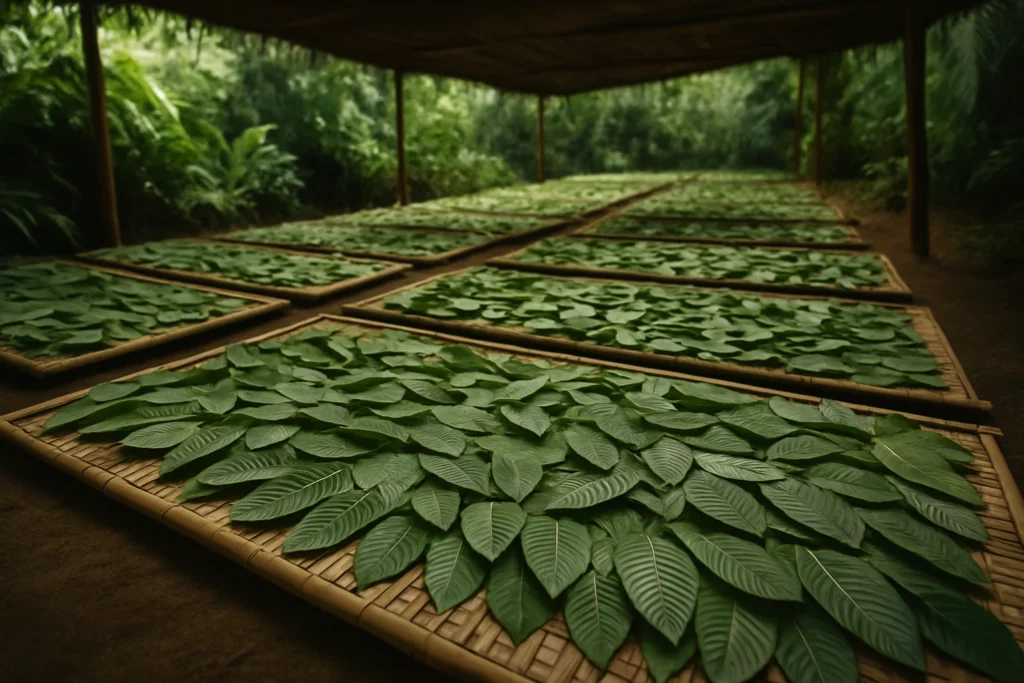
After harvesting, the leaves are dried to preserve their alkaloids and prepare them for grinding. Traditional kratom grinding relies heavily on the drying process, as it determines the powder’s consistency and potency. In Southeast Asian villages, leaves are often spread out on bamboo mats or hung in bundles under shaded areas to dry naturally. This slow, sun-free drying method helps retain the leaves’ chemical composition, avoiding the degradation that can occur with excessive heat or direct sunlight.
In some regions, leaves are dried indoors in well-ventilated spaces to protect them from humidity or rain. This method, while time-consuming, allows for greater control over the drying conditions. For example, in parts of Indonesia, farmers may use elevated racks to ensure airflow around the leaves, preventing mold and ensuring an even drying process. The result is a crisp, brittle leaf that’s ready for the next stage: grinding.
The Art of Hand-Grinding Kratom
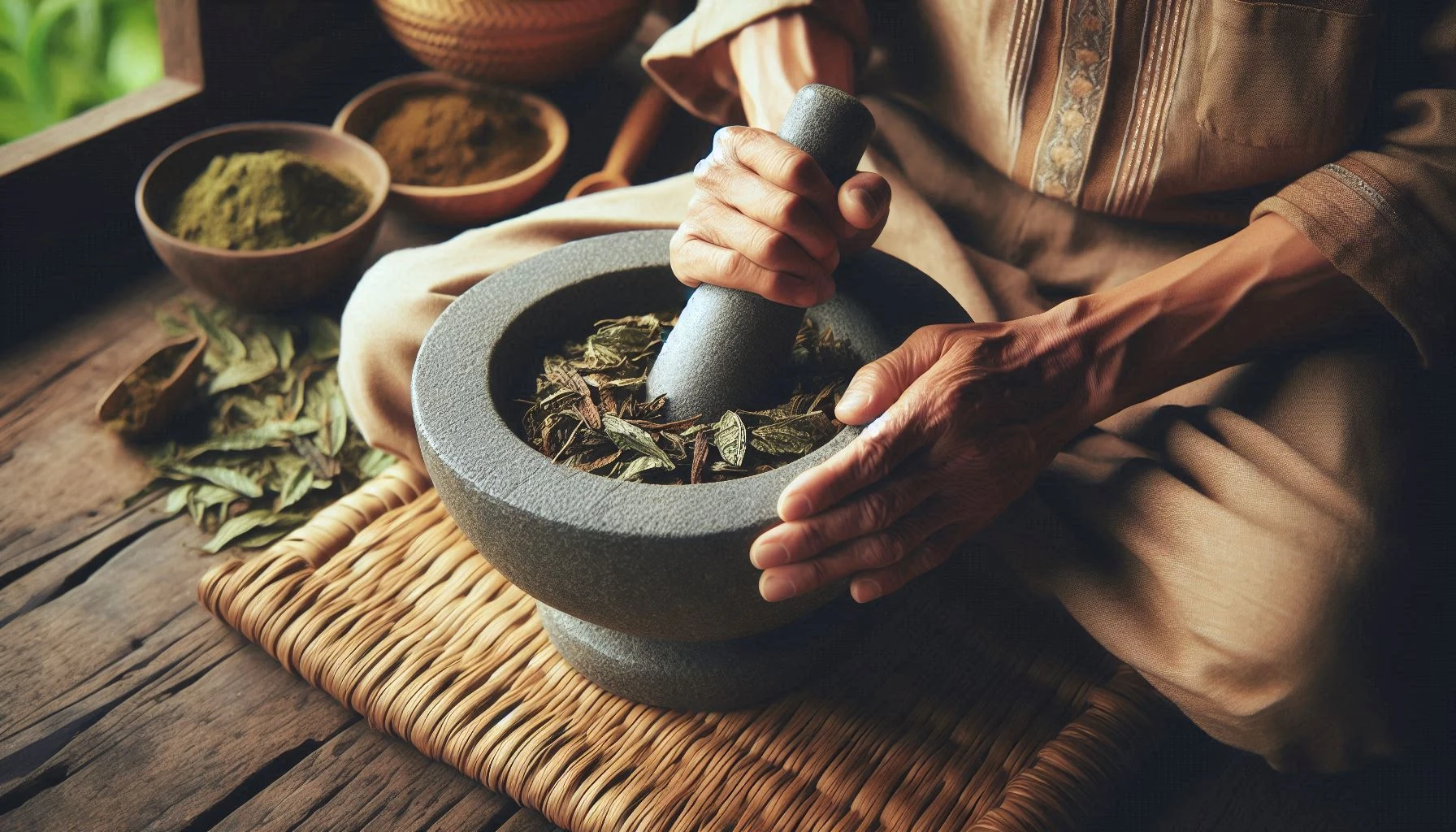
The heart of traditional kratom grinding lies in the use of manual tools, which offer a level of precision and connection to the plant that modern machinery can’t replicate. One of the most iconic tools is the stone mortar and pestle, a staple in Southeast Asian households. These heavy, durable tools are often carved from granite or volcanic rock, designed to withstand the repetitive pounding required to break down kratom leaves.
The process begins by placing small batches of dried leaves into the mortar. The grinder, often a skilled artisan or family elder, uses a rhythmic motion to crush the leaves, applying just the right amount of pressure to achieve a fine, consistent powder. This technique requires patience and experience, as over-grinding can heat the leaves, potentially altering their alkaloid profile, while under-grinding may result in a coarse texture that’s less desirable.
In some communities, wooden mortars are used instead, particularly for larger batches. These mortars, crafted from hardwoods like teak or mahogany, are lighter than stone but still effective. The pestle is wielded with a steady hand, often accompanied by a gentle rocking motion to ensure even grinding. This hands-on approach allows the grinder to feel the texture of the leaves, adjusting their technique as needed to achieve the perfect consistency.
Sifting: Refining the Powder
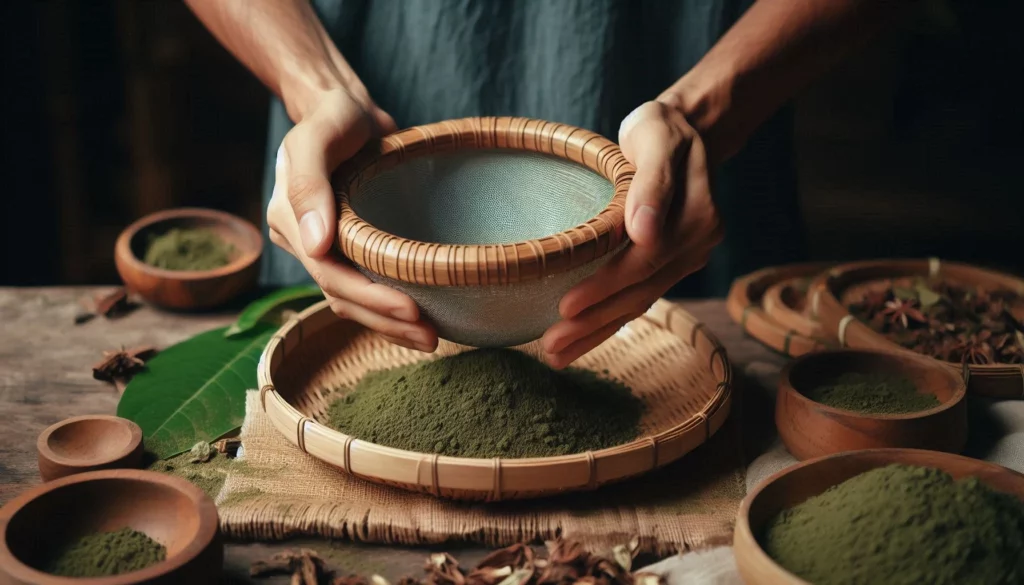
Once the leaves are ground, the powder undergoes a sifting process to ensure uniformity. Traditional kratom grinding often employs woven bamboo or rattan sieves, which are used to separate finer particles from coarser ones. The sifter gently shakes or taps the sieve, allowing the fine powder to fall through while retaining larger fragments for further grinding. This step is crucial for creating a smooth, high-quality powder that’s easy to use in teas, capsules, or other preparations.
In some regions, multiple sieves with varying mesh sizes are used to achieve different grades of powder. Finer powders are often reserved for specific uses, such as brewing teas, while slightly coarser powders may be used for other purposes. This attention to detail reflects the craftsmanship involved in traditional kratom grinding, ensuring that each batch meets the community’s standards.
Fermentation: Enhancing Potency in Certain Strains
In certain kratom-producing regions, particularly in Indonesia, a unique fermentation process is sometimes employed before grinding. This technique, used primarily for red-vein kratom strains like Red Bali or Red Borneo, involves placing fresh or partially dried leaves in sealed bags or containers for a controlled period. The leaves are left to ferment in a warm, humid environment, which can enhance the alkaloid profile and create a richer, more robust powder.
Fermentation is a delicate process that requires careful monitoring to prevent spoilage. Experienced farmers check the leaves regularly, ensuring the right balance of moisture and heat. Once fermentation is complete, the leaves are dried and ground using the same traditional methods, resulting in a powder with a distinct flavour and potency. This technique, while not universal, highlights the diversity of traditional kratom grinding practices across Southeast Asia.
Tools of the Trade: Beyond the Mortar and Pestle
While the mortar and pestle are the most iconic tools in traditional kratom grinding, other implements play a role in specific regions or communities. In parts of Malaysia, for instance, large wooden troughs are used for grinding larger quantities of leaves. These troughs, often carved from a single piece of wood, are paired with heavy pestles that require two or more people to operate. The collaborative nature of this method reinforces the communal aspect of kratom preparation.
In Thailand, some communities use hand-cranked grinders made from wood or metal. These devices, while slightly more modern, still rely on manual effort and allow for greater efficiency when processing large batches. The grinders are designed to produce a consistent powder without generating excessive heat, preserving the leaves’ natural properties. These variations in tools reflect the adaptability of traditional kratom grinding, tailored to the needs and resources of each community.
The Role of Community in Kratom Preparation
Traditional kratom grinding is often a collective endeavour, bringing together families, neighbors, or entire villages. In many Southeast Asian cultures, the preparation of kratom is a shared responsibility, with each person contributing to different stages of the process. Elders may oversee the grinding, drawing on their experience to guide younger members, while children might assist with cleaning or sifting the leaves.
This communal approach fosters a deep connection to the plant and its cultural significance. It’s not uncommon for grinding sessions to be accompanied by storytelling or traditional songs, which pass down knowledge about kratom’s uses and history. These gatherings also serve as a time for community bonding, reinforcing social ties and shared values. The collaborative nature of traditional kratom grinding underscores its role as more than a practical task, it’s a cultural practice that strengthens community identity.
Regional Variations in Grinding Techniques
The techniques used in traditional kratom grinding vary across Southeast Asia, reflecting the unique climates, cultures, and traditions of each region. In Indonesia, for example, the focus is often on producing fine powders for export, with an emphasis on sifting and quality control. Farmers in Borneo may use multiple drying stages, alternating between shaded and indoor drying to achieve the desired texture.
In Thailand, where kratom has a long history of use in traditional medicine, grinding techniques are often customized to specific preparations, such as teas. The leaves may be ground to a slightly coarser consistency to suit these methods, with less emphasis on ultra-fine powders. In Malaysia, the use of large wooden troughs allows for larger-scale production, catering to both local use and trade.
These regional differences highlight the diversity of traditional kratom grinding, with each area adapting its methods to suit local needs and preferences. Despite these variations, the core principles of care, precision, and respect for the plant remain consistent across all practices.
The Importance of Texture in Kratom Powder
The texture of kratom powder is a critical factor in its quality and usability. Traditional kratom grinding aims to produce a powder that is fine enough to dissolve easily in liquids or mix into foods, yet not so fine that it becomes dusty or difficult to handle. Achieving this balance requires skill and experience, as the grinder must adjust their technique based on the leaves’ dryness and the intended use of the powder.
A finely ground powder is ideal for brewing teas, as it allows for better extraction of the alkaloids during steeping. Coarser powders, on the other hand, may be preferred for certain traditional preparations, such as mixing with other herbs or spices. The sifting process plays a key role in achieving the desired texture, ensuring that the powder meets the specific needs of the community or consumer.
Challenges of Traditional Kratom Grinding
While traditional kratom grinding is a revered practice, it’s not without its challenges. The process is labour-intensive, requiring significant time and effort to harvest, clean, dry, grind, and sift the leaves. In humid climates, drying can be particularly difficult, as excessive moisture can lead to mold or spoilage. Farmers must carefully monitor weather conditions and adjust their methods accordingly.
Another challenge is maintaining consistency across batches. Because traditional methods rely on manual labour and natural drying, variations in leaf quality, weather, or grinding technique can affect the final product. Skilled artisans mitigate these challenges through experience and attention to detail, but the process remains a delicate balance of art and science.
Modern Influences on Traditional Methods
In recent years, the global demand for kratom has introduced modern influences to traditional grinding practices. Some farmers have adopted small-scale mechanical grinders to increase efficiency, particularly for export markets. These machines, while faster, must be carefully calibrated to avoid overheating the leaves, which can degrade their quality.
Despite these modern adaptations, many communities may remain committed to traditional kratom grinding techniques, valuing the connection to their heritage and the superior quality of hand-crafted powder. In some cases, hybrid approaches have emerged, combining manual grinding with modern sifting or packaging methods to meet the needs of a global market while preserving the essence of the craft.
The Future of Traditional Kratom Grinding
As kratom continues to gain popularity worldwide, the future of traditional kratom grinding remains a topic of discussion. While modern machinery offers efficiency, many artisans and consumers value the authenticity and quality of hand-ground powder. Efforts to preserve traditional methods are underway, with some communities teaching younger generations the skills needed to continue the craft.
At the same time, global demand has sparked innovation, with farmers experimenting with new drying or grinding techniques to meet market needs. The challenge lies in balancing tradition with progress, ensuring that the essence of traditional kratom grinding endures while adapting to a changing world. Education and advocacy play a key role in this process, helping to share the cultural and practical significance of these time-honored techniques.
FAQ
Q: What makes traditional kratom grinding different from modern methods?
A: Traditional kratom grinding relies on manual tools like stone mortars and pestles, emphasizing artisanal skill and cultural practices passed down through generations. Modern methods often use mechanical grinders for efficiency, which can process larger quantities but may generate heat that affects alkaloid quality.
Q: Why is the mortar and pestle preferred in traditional kratom grinding?
A: The mortar and pestle allow for precise control over the grinding process, enabling artisans to achieve a consistent texture without overheating the leaves, which preserves alkaloid potency. The tactile feedback of manual grinding helps maintain quality, and these tools, often made from stone or hardwood, are durable and culturally significant in Southeast Asian communities.
Q: How do regional differences affect traditional kratom grinding techniques?
A: Regional variations reflect local resources and traditions. In Indonesia, fine powders are prioritized for export, with meticulous sifting. Thai communities may grind leaves coarser for tea preparations, while Malaysian farmers often use large wooden troughs for communal grinding. These differences adapt to local climates, cultural practices, and intended uses of the powder.
Q: Can traditional grinding methods influence the quality of kratom powder?
A: Yes, traditional grinding methods enhance quality by ensuring careful handling at every stage, from selective harvesting to gentle drying and manual grinding. These practices minimize alkaloid degradation and produce a consistent texture, resulting in a high-quality powder that reflects the plant’s natural properties and cultural care.
Q: How does sifting work in traditional kratom grinding, and why is it important?
A: Sifting involves passing ground kratom through woven bamboo or rattan sieves to separate fine powder from coarser particles. This ensures a uniform texture, which is crucial for usability in teas or other preparations. Multiple sieves may be used to create different grades, enhancing the powder’s versatility and quality.
Q: How does sustainability play a role in traditional kratom grinding?
A: Traditional kratom grinding promotes sustainability through selective harvesting that preserves kratom trees and the use of biodegradable tools like bamboo mats and wooden mortars. Farmers often compost leftover plant material, and natural drying methods reduce environmental impact, reflecting a harmonious relationship with the ecosystem.
Conclusion
Traditional kratom grinding is a testament to the skill, care, and cultural heritage of Southeast Asian communities. From the careful selection of leaves to the rhythmic pounding of the mortar, each step reflects a deep respect for the Mitragyna speciosa tree and its role in daily life. By understanding and appreciating these techniques, we can connect more deeply with the plant and the people who have cultivated it for centuries.
Whether you’re brewing a cup of kratom tea or exploring its other uses, the powder’s quality begins with the craft of traditional grinding. This process, rooted in tradition yet adaptable to modern needs, offers a glimpse into the artistry and dedication that make kratom a unique botanical. As you explore the world of kratom, take a moment to honour the hands that have carefully crafted it, preserving a legacy that continues to thrive.
Disclaimer
The information provided in this blog post is intended for educational and informational purposes only, focusing on the cultural and historical practices surrounding kratom preparation. It is not intended to promote, endorse, or encourage the use of kratom for any purpose, including medicinal, recreational, or otherwise. Kratom (Mitragyna speciosa) is a botanical substance that has not been approved by Health Canada or other regulatory bodies for medical use.
The safety, efficacy, and potential health risks of kratom consumption are not fully understood and remain under investigation. Individuals considering kratom use should consult a qualified healthcare professional to discuss potential risks, side effects, and interactions with medications or pre-existing conditions. Kratom may pose health risks, including but not limited to addiction, liver toxicity, respiratory issues, or adverse reactions, particularly when used in high doses or in combination with other substances.
The preparation methods described, while rooted in tradition, do not guarantee the safety or purity of the final product, as environmental factors, handling practices, or contamination may affect quality. Always exercise caution and adhere to local laws and regulations regarding kratom, as its legal status varies by region. The author and publisher are not responsible for any adverse effects or consequences resulting from the use of kratom or the application of the techniques described herein.