


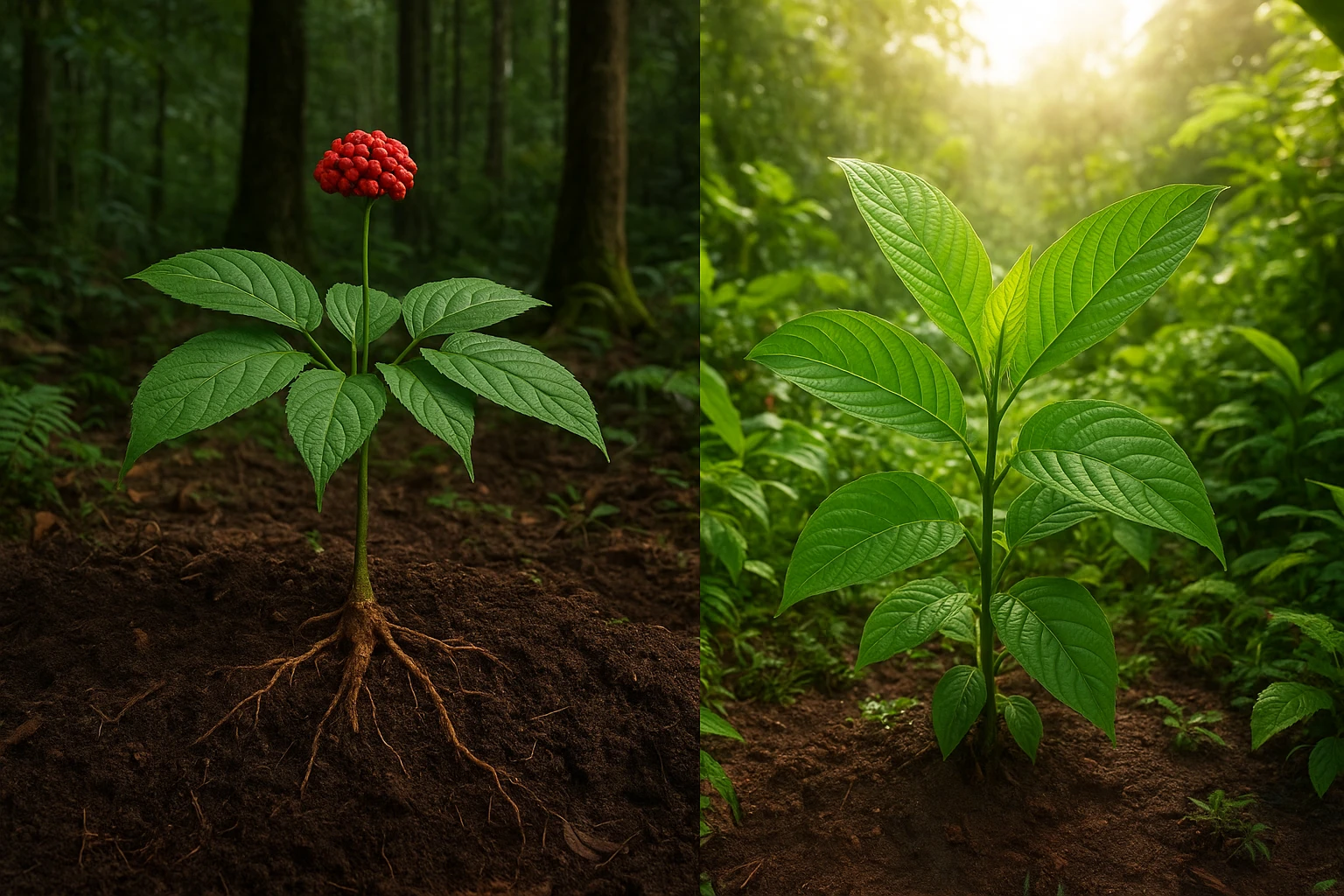

Have you ever wondered why a medicinal herb from one region feels more potent than the same plant grown elsewhere? The answer lies in terroir in medicinal plants, a concept that captures the unique interplay between a plant’s environment and its chemical makeup. Terroir in medicinal plants refers to the total set of natural factors, including climate, soil composition, topography, and even local biodiversity, that influence how a plant develops its active compounds. These compounds are the key to the plant’s potency, determining its therapeutic potential for health and wellness.
In the world of agriculture, terroir is often associated with fine wines or specialty coffees, where the land’s signature creates distinct flavours. But for medicinal plants, it’s even more profound. The potency of these herbs, roots, and leaves, which people have used for centuries to support vitality and ease discomfort, is directly tied to where and how they grow. A gentle shift in sunlight, a variation in soil minerals, or a change in seasonal rainfall can alter the levels of alkaloids, flavonoids, or other bioactive elements that give the plant its healing properties.
The Origins and Essence of Terroir
The word “terroir” comes from the French term for “land” or “earth,” evoking the soil underfoot and the air above. Historically, it described the unique characteristics of vineyards in regions like Bordeaux, where the chalky soils and misty mornings produce grapes unlike any other. But this idea extends far beyond grapes. In botany, terroir encompasses the full environmental fingerprint that a plant absorbs from its surroundings.
For medicinal plants, terroir is not just about taste or aroma; it’s about efficacy. These plants produce secondary metabolites, natural chemicals that serve as defenses against pests, attract pollinators, or help them thrive in harsh conditions. Examples include the ginsenosides in ginseng roots or the echinacosides in echinacea flowers. These metabolites are what make the plants valuable for supporting immune health, reducing inflammation, or promoting relaxation.
What makes terroir so powerful is its holistic nature. It’s not one isolated factor but a symphony of influences. A plant in a high-altitude meadow might develop thicker leaves and higher concentrations of protective compounds due to intense UV exposure and cooler nights. In contrast, a lowland tropical herb could prioritize rapid growth in humid warmth, leading to different chemical profiles. This variability ensures that no two batches of the same plant are identical, which is why traditional healers have long emphasized “wild-crafted” or regionally specific sources.
Consider the broader implications. As global trade brings medicinal plants to distant markets, ignoring terroir can dilute their benefits. A herb grown in controlled greenhouses might lack the resilience-building stresses that enhance its compounds. True terroir in medicinal plants celebrates the wild, untamed aspects of nature, reminding us that healing starts with the soil.
Climate’s Role: Temperature, Light, and Water as Potency Sculptors
Climate forms the backdrop of terroir in medicinal plants, dictating the rhythm of growth and the intensity of chemical production. Temperature, in particular, acts like a thermostat for a plant’s metabolism. Warmer conditions speed up enzymatic reactions, encouraging faster leaf expansion and higher yields. But too much heat can stress the plant, prompting it to ramp up production of heat-shock proteins or antioxidants, which often overlap with medicinal compounds.
In temperate zones, where days warm gradually and nights cool, plants like echinacea thrive. The diurnal temperature swings trigger a surge in phenolic compounds, which bolster the plant’s defenses and contribute to its immune-supporting qualities. Echinacea, native to the prairies of North America, evolved in such climates, where moderate summers and cold winters hone its resilience. Plants from these areas often show elevated levels of alkylamides, the tingling compounds that signal potency when you chew a fresh root.
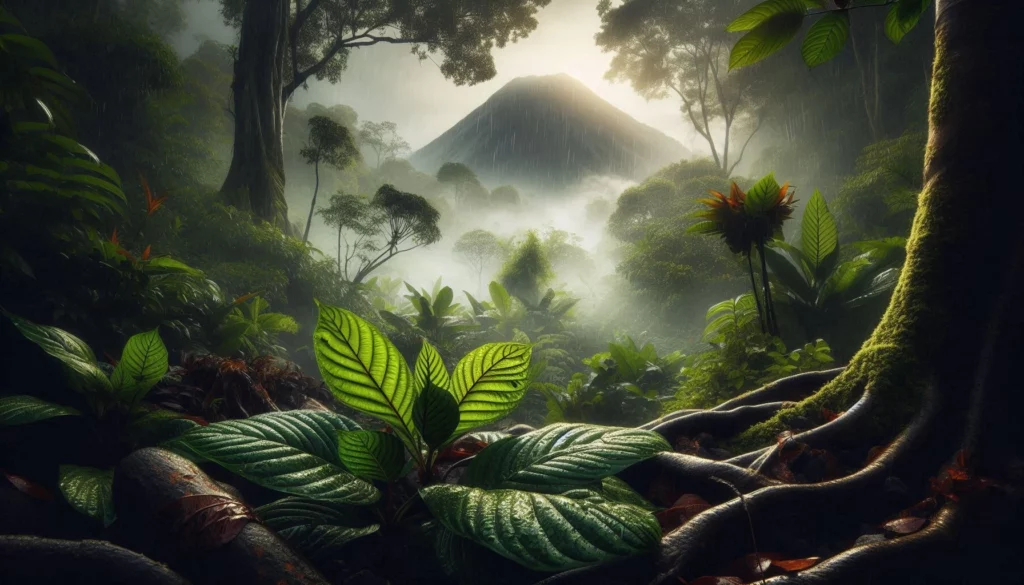
Contrast this with tropical climates, where steady warmth and high humidity help with growth but demand different adaptations. Kratom, a leafy tree from Southeast Asia’s rainforests, exemplifies this. In the humid lowlands of Thailand or Indonesia, consistent temperatures around 25 to 30 degrees Celsius promote the synthesis of indole alkaloids like mitragynine. These compounds, responsible for the plant’s energizing and soothing effects, increase under prolonged daylight and ample moisture. Yet, if temperatures spike during dry spells, the plant conserves energy by concentrating alkaloids in its veins, making mature leaves from such conditions particularly robust.
Light intensity adds another layer to climate’s influence on terroir in medicinal plants. Sunlight drives photosynthesis, the process that fuels all growth, but its quality and duration matter. Full-spectrum sunlight in open fields enhances terpene production, volatile oils that give herbs their aromas and therapeutic edges. Ginseng, revered in East Asian forests, prefers dappled shade under a canopy. This filtered light mimics its natural understory habitat, leading to higher ginsenoside levels compared to sun-exposed cultivated versions. In shaded conditions, the plant invests energy in root development rather than foliage, concentrating bioactive saponins deep underground where they accumulate over years.
Water availability, tied closely to climate, is perhaps the most dramatic shaper of potency. Adequate rainfall or irrigation ensures steady nutrient uptake, but periodic drought simulates survival mode. Under water stress, plants close stomata to conserve moisture, redirecting resources to osmoprotectants like flavonoids. These compounds not only help the plant endure but also amplify its medicinal value. For instance, in arid-adapted regions, herbs like astragalus develop thicker roots packed with polysaccharides that support vitality. Too much water, however, can lead to diluted compounds, as the plant focuses on rapid, watery growth rather than dense, potent tissues.
Soil: The Nutrient Bed That Builds Medicinal Strength
If climate sets the stage, soil is the scriptwriter in the story of terroir in medicinal plants. Soil isn’t just dirt; it’s a living mosaic of minerals, organic matter, microbes, and water-holding particles that feeds the plant’s every need. The pH level, for starters, determines which nutrients are accessible. Acidic soils, common in forested areas, release iron and aluminum readily, which can boost chlorophyll production and, in turn, secondary metabolites.
Ginseng provides a classic illustration. Thriving in the slightly acidic, humus-rich soils of Korean mountains or American woodlands, it absorbs trace elements like manganese that catalyze the formation of ginsenosides. These steroid-like compounds, which promote endurance and balance, are far more abundant in wild ginseng from loamy forest floors than in sandy, nutrient-poor plots. The organic decay from leaf litter enriches the soil with nitrogen, promoting deep root systems that store these valuables. In alkaline soils, however, ginseng struggles, as locked-up phosphorus limits energy for compound synthesis.
Texture plays a starring role too. Clay-heavy soils retain water and minerals, ideal for drought-prone areas, but they can compact and starve roots of oxygen. Sandy soils drain quickly, forcing plants to develop efficient uptake mechanisms that concentrate nutrients in tissues. Echinacea, with its prairie roots, favours well-drained loams where calcium and magnesium abound. These minerals stabilize cell walls, allowing the plant to channel energy into alkylamide and polysaccharide production. In compacted clays, growth slows, and potency dips as the plant expends effort just surviving.
Microbial life in the soil adds a symbiotic twist to terroir in medicinal plants. Beneficial fungi and bacteria form partnerships with roots, exchanging sugars for nutrients. Mycorrhizal networks, for example, extend a plant’s reach into infertile soils, pulling in phosphorus that sparks alkaloid pathways. In kratom’s volcanic soils of Indonesia, rich in potassium from ash deposits, these microbes thrive, enhancing mitragynine uptake. Potassium regulates osmosis, helping the plant maintain alkaloid balance during humid fluctuations. Without this microbial boost, even fertile soil yields weaker plants.
Organic matter, the humus from decayed plants, buffers extremes and slowly releases nitrogen, a building block for proteins and, indirectly, for defensive chemicals. In peat-rich bogs, where decomposition slows, herbs like valerian accumulate volatile oils that soothe the nervous system. But overuse or erosion strips this layer, leading to nutrient leaching and diminished potency. Soil’s influence underscores a key truth: medicinal plants mirror their earth’s health. Contaminated or depleted soils produce subpar herbs, while vibrant, balanced ones yield treasures.

Interplay of Climate and Soil: Creating Unique Potency Profiles
Terroir in medicinal plants truly shines when climate and soil converge, crafting profiles as individual as fingerprints. In high-elevation plateaus, cool air and rocky, mineral-laced soils team up to stress plants in ways that amplify compounds. Take rhodiola, a alpine herb from the Himalayas. Chilly winds and shallow, gravelly soils limit water, triggering a cascade of rosavins and salidrosides, adaptogens that build resilience. This duo of austerity forges a potency unmatched in lowland mimics.
Tropical interfaces offer another blend. In kratom’s habitat, monsoon rains saturate clay-loams, but the equatorial heat evaporates it fast. This cycle flushes toxins while concentrating alkaloids in leaves. The soil’s silica content strengthens cell walls, protecting these valuables from leaching. Result? Veins bulging with mitragynine, crafted for endurance in steamy climes.
Even subtle interactions matter. In Mediterranean scrublands, hot days and mild, wet winters pair with calcareous soils to elevate oleuropein in olive leaves, an herb for heart health. The lime-rich earth neutralizes acidity from rains, stabilizing phenolics that combat oxidative stress from sun. These synergies explain regional specialties. American ginseng from shaded, moist Ozark soils differs from Asian kin in drier, sunnier terrains, with varying ginsenoside ratios. Terroir in medicinal plants isn’t static; seasonal shifts, like a wet spring followed by dry summer, fine-tune annual potency.
Frequently Asked Questions
Q: What exactly is terroir in medicinal plants?
A: Terroir in medicinal plants describes the complete environmental context shaping a plant’s growth and chemical makeup. It includes climate, soil, elevation, and nearby vegetation, determining bioactive compound levels and potency. This dynamic system imprints the land’s character on the plant, similar to regional foods.
Q: How does temperature specifically influence the potency of medicinal plants?
A: Temperature regulates metabolism and stress responses in plants. Moderate warmth supports balanced compound production, while extremes boost protective substances like adaptogens in cool areas or alkaloids in heat. This creates adjusted profiles from different thermal environments.
Q: Can soil pH alone make a medicinal plant more or less effective?
A: Soil pH controls nutrient access, affecting compound synthesis. Slightly acidic pH optimizes key elements for robust metabolites, while extremes like high acidity build tannins for anti-inflammatory effects or alkalinity limits vigor. It influences but doesn’t act alone in potency.
Q: Why do plants from different regions of the same species vary in their effects?
A: Variations stem from unique local terroir factors, leading to adapted chemical strategies for challenges like rainfall or sunlight. Coastal plants might develop salt resistance absent inland, creating nuanced potency. Traditions specify origins to capture these differences.
Q: Is it possible to replicate natural terroir in cultivated medicinal plants?
A: Replication is tough but possible by matching soils, irrigation, and light, plus adding native microbes. Controlled settings miss wild stresses that enhance compounds, but permaculture blends intervention and ecology to closely preserve potency.
Q: How might climate change affect terroir in medicinal plants?
A: Climate change alters temperature, rain, and weather extremes, shifting chemistry. Warmer conditions may reduce cold-induced compounds, droughts deplete soils, and CO2 dilutes metabolites. This risks homogenizing profiles, but resilient farming can adapt.
Q: What role do microbes in the soil play in a plant’s medicinal potency?
A: Microbes partner with roots to boost nutrient uptake and compound creation. Mycorrhizae access minerals for alkaloids, bacteria provide nitrogen for defenses. This exchange amplifies potency; disruptions like tillage weaken it, making microbes key to terroir.
Q: Are wild-harvested medicinal plants always more potent than cultivated ones?
A: Wild plants often show higher potency from natural stresses like weather and competition that elevate compounds. Cultivated ones may be milder for yield focus, but organic farms emulating terroir can match them. Wild offers raw environmental authenticity.

Broader Impacts: Sustainability and Future Challenges
Terroir in medicinal plants isn’t just academic; it ties to stewardship. Overharvesting wild sources erodes unique habitats, homogenizing potency. Climate shifts exacerbate this, with rising temperatures altering rainfall patterns and soil erosion stripping minerals. A ginseng forest warmed unnaturally might produce fewer ginsenosides, diminishing its legacy.
Yet, hope lies in mindful cultivation. Agroforestry mimics natural terroir, interplanting with natives to build microbes. Organic amendments restore soil vitality without chemicals that disrupt compounds. For kratom, shade-grown farms under rubber trees replicate rainforest dapple, boosting alkaloids sustainably. Consumers play a part too. Seeking ethically sourced, regionally noted plants supports preservation. As awareness grows, terroir in medicinal plants becomes a call to protect the lands that heal us.
Disclaimer
This eblog explores the concept of terroir in medicinal plants from a scientific and cultural perspective, drawing on general knowledge about environmental influences on plant chemistry. It is provided for informational and educational purposes only and does not constitute medical advice, diagnosis, treatment, or endorsement of any specific herbal remedies. The potency and effects of medicinal plants can vary widely due to factors beyond terroir, including individual plant variability, processing methods, dosage, and interactions with other substances.
Always consult a qualified healthcare professional before using any medicinal plant or supplement, especially if you are pregnant, nursing, taking medications, or have pre-existing health conditions, as certain bioactive compounds may pose risks such as allergic reactions, toxicity, or adverse interactions. Health and safety considerations are paramount; improper sourcing, harvesting, or use of wild-crafted or cultivated herbs could lead to contamination with heavy metals, pesticides, or pathogens, potentially causing harm.
Furthermore, while terroir may enhance a plant’s natural compounds, it does not guarantee efficacy or safety, and self-medication with medicinal plants can be dangerous. The author and publisher are not responsible for any adverse effects, misuse, or consequences resulting from the application of information presented herein. Readers are encouraged to prioritize evidence-based practices and seek guidance from licensed practitioners to ensure responsible and informed use.