


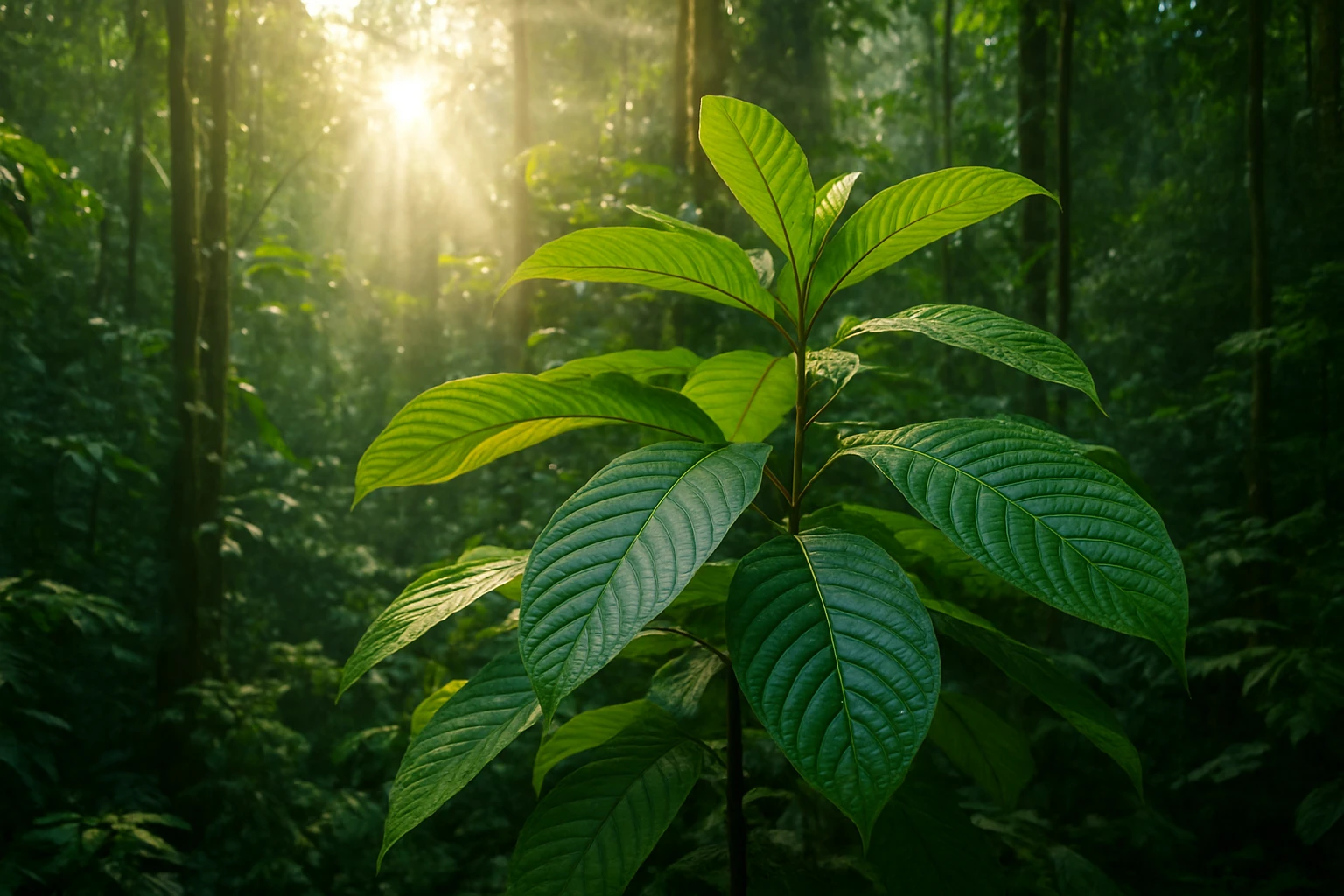

Sunlight is more than just a source of energy for plants; it’s a catalyst that influences their growth, defense mechanisms, and chemical composition. For kratom, sunlight exposure plays a pivotal role in determining the concentration and balance of alkaloids like mitragynine and 7-hydroxymitragynine, which are responsible for the plant’s distinct characteristics.
By examining how light interacts with kratom’s biology, we can uncover why some kratom varieties feel more potent or balanced than others. This journey will take us through the science of photosynthesis, the environmental nuances of kratom’s native habitat, and the practical implications for growers aiming to optimize alkaloid content.
What Are Kratom Alkaloids?
To grasp the role of sunlight in kratom alkaloid production, we first need to understand what alkaloids are and why they matter. Alkaloids are naturally occurring compounds found in many plants, characterized by nitrogen-containing structures. In kratom, these compounds are produced as secondary metabolites, meaning they’re not essential for basic growth but play a significant role in the plant’s survival and interaction with its environment. Scientists believe alkaloids serve as a defense mechanism, deterring herbivores and pathogens while helping the plant cope with environmental stresses.
Kratom contains over 40 identified alkaloids, with mitragynine and 7-hydroxymitragynine being the most prominent. Mitragynine, the primary alkaloid, can account for up to 66% of the total alkaloid content in some strains. It’s known for its role in providing energy and focus at lower doses. 7-Hydroxymitragynine, though present in much smaller amounts (typically under 2%), is far more potent and contributes to the plant’s calming and pain-relieving effects at higher doses. Other alkaloids, like paynantheine, speciogynine, and corynantheidine, add to the plant’s complex profile, influencing its overall effects.
The production of these alkaloids is not static; it’s a dynamic process influenced by the plant’s genetics, age, and environment. Sunlight exposure, as a key environmental factor, directly affects how much and which types of alkaloids a kratom plant produces. By harnessing light effectively, the plant can optimize its chemical defenses and, in turn, its potency.
The Science of Sunlight and Plant Metabolism
Sunlight is the engine of plant life, driving photosynthesis, the process by which plants convert light energy into chemical energy to fuel growth. For kratom, this process is the foundation for alkaloid production. During photosynthesis, sunlight is absorbed by chlorophyll in the plant’s leaves, triggering a series of reactions that produce glucose and oxygen. This energy fuels the plant’s primary metabolism, which supports growth, reproduction, and basic functions. However, sunlight also influences secondary metabolism, the pathway responsible for alkaloid synthesis.
Secondary metabolites like alkaloids are produced in response to environmental cues, including light intensity, duration, and quality. In kratom’s case, sunlight exposure triggers the activation of genetic pathways that regulate alkaloid biosynthesis. These pathways are sensitive to changes in light conditions, meaning the amount and type of light a kratom plant receives can alter its alkaloid profile. For example, intense sunlight may stimulate the production of certain alkaloids as a protective response to stress, while shaded conditions might favour a different balance of compounds.
Kratom’s native environment in Southeast Asia offers clues about its relationship with sunlight. The plant thrives in tropical rainforests, where it grows under a canopy that filters sunlight, creating a balance of direct and diffused light. This natural setting suggests that kratom is adapted to moderate light levels, but it can also tolerate full sun in open areas like riverbanks. The interplay between light intensity and alkaloid production is complex, and growers must carefully manage exposure to achieve desired outcomes.
How Sunlight Exposure Influences Kratom Alkaloid Production
The role of sunlight exposure in kratom alkaloid production is multifaceted, affecting both the quantity and quality of alkaloids. Light intensity, duration, and seasonal variations all play a part in shaping the plant’s chemical profile. Let’s explore how these factors come together to influence kratom’s alkaloid content.
Light Intensity and Alkaloid Synthesis
Light intensity refers to the strength of sunlight reaching the plant, measured in units like lux or photosynthetically active radiation (PAR). In kratom’s natural habitat, light intensity varies depending on whether the plant grows under a dense forest canopy or in open, sunlit areas. Higher light intensity can boost photosynthetic activity, providing the energy needed for alkaloid synthesis. However, excessive light can stress the plant, leading to changes in alkaloid production as a defense mechanism.
For instance, kratom plants exposed to intense, direct sunlight may produce higher levels of certain alkaloids, such as mitragynine, to protect against oxidative damage caused by ultraviolet (UV) rays. This stress response can enhance the plant’s potency but may also reduce overall growth if the plant becomes overwhelmed. Conversely, plants grown in shaded conditions often exhibit a different alkaloid profile, with potentially lower concentrations of mitragynine but higher levels of other compounds like paynantheine. Growers must balance light intensity to optimize alkaloid production without compromising plant health.
Photoperiod and Alkaloid Balance
The duration of sunlight exposure, or photoperiod, also influences kratom alkaloid production. In tropical regions, kratom experiences relatively stable day lengths, typically around 12 hours of light and 12 hours of darkness. This balance appears to support optimal alkaloid synthesis, as it aligns with the plant’s natural growth cycle. In controlled environments, such as greenhouses, mimicking this photoperiod can help maintain consistent alkaloid levels.
Changes in photoperiod, such as those experienced in non-tropical regions or during seasonal shifts, can alter alkaloid production. For example, longer days with extended sunlight exposure may increase the production of energy-related alkaloids, while shorter days could benefit compounds associated with relaxation. This sensitivity to photoperiod underscores the importance of adjusting light exposure to the desired alkaloid profile, whether for stimulating or calming effects.
Seasonal Variations and Sunlight Exposure
Kratom’s alkaloid content also fluctuates with seasonal changes in sunlight. In Southeast Asia, the wet and dry seasons create distinct growing conditions. During the wet season, cloud cover reduces light intensity, leading to more diffused light that may support certain alkaloids. In contrast, the dry season brings intense sunlight, which can enhance the production of protective alkaloids. These seasonal shifts explain why kratom harvested at different times of the year can vary in potency and effect.
For example, kratom harvested during the dry season, when sunlight is more intense, may have higher mitragynine levels due to increased photosynthetic activity. Conversely, leaves harvested during the wet season may contain a more balanced alkaloid profile, reflecting the plant’s adaptation to lower light levels. Understanding these seasonal patterns helps growers time their harvests to achieve specific alkaloid concentrations.
Environmental Interactions: Beyond Sunlight
While sunlight exposure is a key driver of kratom alkaloid production, it doesn’t act alone. Other environmental factors, such as soil composition, moisture, and temperature, interact with light to shape the plant’s chemical makeup. These interactions create a complex web of influences that growers must navigate to optimize alkaloid content.
Soil Composition and Nutrient Availability
The soil in which kratom grows provides essential nutrients, like nitrogen, that are critical for alkaloid synthesis. Nitrogen is a key component of alkaloids, and its availability can enhance or limit their production. Sunlight exposure amplifies this process by fueling photosynthesis, which increases the plant’s ability to absorb and utilize nitrogen. In nitrogen-rich soils, kratom plants exposed to optimal sunlight tend to produce higher alkaloid concentrations, particularly mitragynine.
Soil microbiome also plays a role. Beneficial bacteria in the soil can enhance root growth and nutrient uptake, indirectly supporting alkaloid production. When combined with adequate sunlight, these microbial interactions can lead to healthier plants with more robust alkaloid profiles.
Moisture and Water Stress
Kratom thrives in humid, rainy environments, but water availability can influence how sunlight affects alkaloid production. In wet conditions, sunlight supports vigorous growth and alkaloid synthesis by providing energy for metabolic processes. However, during dry periods, water stress can trigger the plant to produce more alkaloids as a coping mechanism. This stress response, combined with intense sunlight, may result in more potent kratom, though it can also reduce overall leaf yield.
Growers must carefully manage irrigation to balance moisture and sunlight exposure. Too much water can dilute alkaloid concentrations, while too little can stunt growth. The interplay between sunlight and moisture highlights the need for a holistic approach to kratom cultivation.
Temperature and Light Synergy
Temperature works hand in hand with sunlight to influence alkaloid production. Kratom prefers warm, tropical climates, with temperatures between 25 and 27°C (77 to 80°F). Higher temperatures can enhance photosynthetic efficiency, allowing the plant to produce more energy for alkaloid synthesis. However, extreme heat combined with intense sunlight can stress the plant, leading to a shift in alkaloid balance. For example, heat stress may increase the production of 7-hydroxymitragynine, which is associated with calming effects.
In cooler climates, reduced sunlight and lower temperatures can slow alkaloid production, resulting in less potent leaves. Growers in non-tropical regions often use greenhouses to replicate kratom’s ideal conditions, controlling both light and temperature to maximize alkaloid content.
Practical Implications for Kratom Cultivation
For growers, understanding the role of sunlight exposure in kratom alkaloid production offers practical insights for optimizing crop quality. By manipulating light conditions, farmers can curate alkaloid profiles to meet specific needs, whether for energy, relaxation, or a balanced effect. Here are some strategies growers use to harness sunlight effectively:
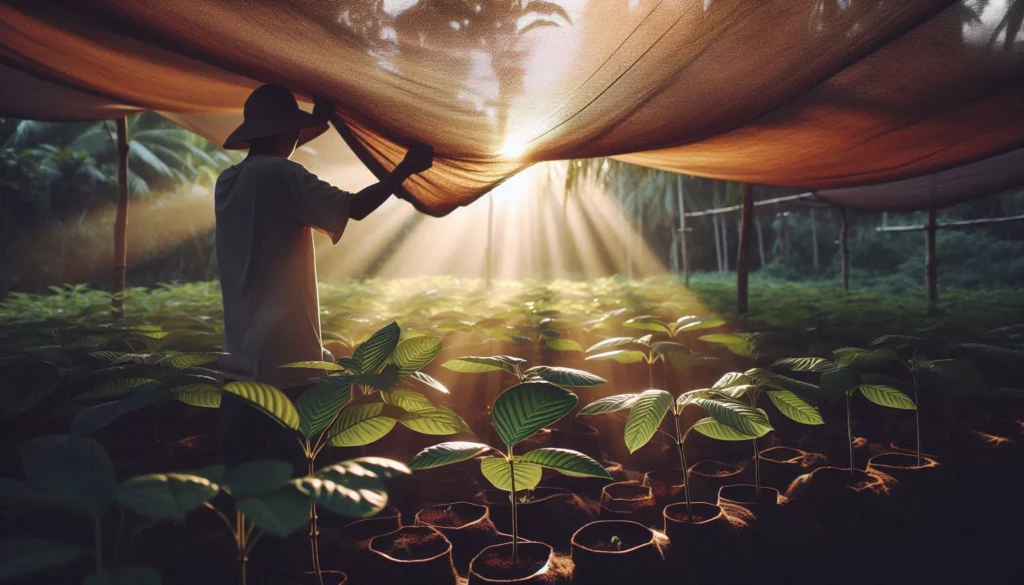
- Canopy Management: In natural settings, kratom grows under a forest canopy that filters sunlight. Farmers can replicate this by using shade cloths or planting companion trees to create diffused light conditions. This approach can promote a balanced alkaloid profile while protecting the plant from excessive stress.
- Controlled Environments: Greenhouses allow growers to regulate light intensity and photoperiod, mimicking the tropical conditions kratom thrives in. By adjusting light levels, growers can fine-tune alkaloid production to enhance specific compounds.
- Harvest Timing: Timing harvests based on seasonal light patterns can maximize alkaloid content. For example, harvesting during the dry season, when sunlight is intense, may yield more potent leaves, while wet-season harvests may produce a milder, more balanced profile.
- Monitoring Plant Health: Excessive sunlight can cause leaf burn or stress, reducing alkaloid quality. Regular monitoring ensures plants receive optimal light without compromising growth.
These strategies highlight the importance of sunlight as a tool for growers to shape kratom’s alkaloid content. By aligning cultivation practices with the plant’s natural responses to light, farmers can produce high-quality kratom that meets diverse consumer preferences.
Sunlight and Post-Harvest Processing
Sunlight’s influence on kratom alkaloid production doesn’t end at harvest. The way leaves are processed after picking can further affect their alkaloid content, and sunlight plays a role here too. Two common drying methods, sun-drying and indoor drying, have distinct effects on alkaloid preservation.
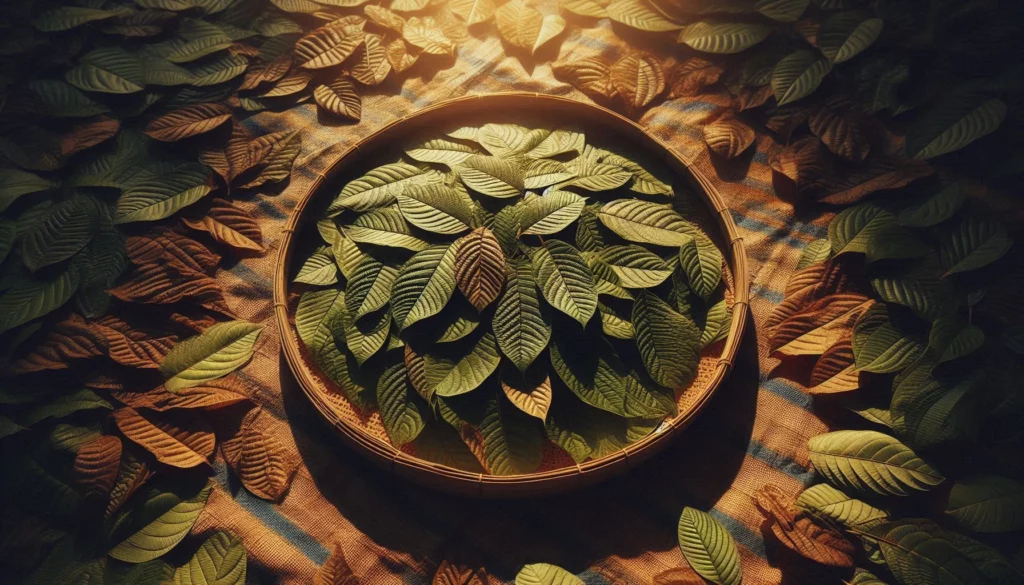
Sun-drying involves laying kratom leaves in direct sunlight, a traditional method that retains much of the plant’s natural alkaloid composition. The exposure to UV light during drying can stabilize certain alkaloids, particularly mitragynine, by preventing rapid degradation. However, prolonged sun exposure can break down more sensitive compounds, like 7-hydroxymitragynine, if not carefully managed.
Indoor drying, often done in controlled environments with low light and stable humidity, preserves a broader range of alkaloids by minimizing exposure to UV rays and oxygen. This method is preferred for strains where maintaining a complex alkaloid profile is key. However, it requires precise control of temperature and humidity to avoid mold or degradation.
The choice of drying method depends on the desired alkaloid profile. For example, sun-dried kratom may be preferred for strains high in mitragynine, while indoor drying may better preserve secondary alkaloids. Growers and processors must weigh these factors to ensure the final product retains its potency and character.
The Bigger Picture: Sunlight and Plant Medicine
The role of sunlight exposure in kratom alkaloid production extends beyond cultivation and processing; it reflects a broader truth about plant medicine. Plants like kratom are deeply connected to their environment, and their chemical profiles are a testament to nature’s complexity. Sunlight, as a primary driver of plant metabolism, shapes not only kratom’s alkaloids but also the potency of many medicinal plants. From the caffeine in coffee to the quinine in cinchona bark, light influences the compounds that define a plant’s therapeutic potential.
For kratom enthusiasts, understanding sunlight’s impact offers a deeper appreciation for the plant’s variability. Each batch of kratom tells a story of its environment, its soil, its climate, and the light that nurtured it. This knowledge empowers consumers to make informed choices, selecting strains that align with their preferences based on how they were grown and processed.
FAQ
Q: How does sunlight exposure affect the potency of kratom leaves?
A: Sunlight exposure influences kratom potency by driving photosynthesis, which provides energy for alkaloid synthesis. Intense sunlight can increase levels of alkaloids like mitragynine, enhancing potency, while shaded conditions may produce a more balanced alkaloid profile with lower concentrations of certain compounds.
Q: Can too much sunlight harm kratom plants and their alkaloid production?
A: Yes, excessive sunlight can stress kratom plants, causing leaf burn or reduced growth. This stress may trigger higher alkaloid production as a defense mechanism, but it can also lower overall leaf yield and affect the balance of alkaloids, potentially reducing quality.
Q: Why does kratom from different regions have varying alkaloid profiles?
A: Regional differences in sunlight exposure, soil, and climate shape kratom’s alkaloid profiles. For example, kratom from sunny, open areas may have higher mitragynine levels, while plants from shaded forest regions may produce more diverse alkaloids, reflecting local environmental conditions.
Q: Does the time of day for harvesting kratom affect its alkaloid content?
A: The time of day has minimal direct impact on alkaloid content, as alkaloids accumulate over time. However, harvesting during peak sunlight hours may capture leaves at their highest metabolic activity, potentially preserving higher alkaloid levels if processed quickly.
Q: How can home growers optimize sunlight exposure for better kratom quality?
A: Home growers can use shade cloths to mimic kratom’s natural rainforest canopy, ensuring diffused light. Monitoring light intensity and maintaining a 12-hour photoperiod can help balance alkaloid production, while regular checks prevent overexposure and stress.
Q: Does sunlight exposure during drying change kratom’s effects?
A: Sun-drying can stabilize alkaloids like mitragynine but may degrade sensitive compounds like 7-hydroxymitragynine if prolonged. Indoor drying preserves a broader alkaloid range, potentially altering the final effects depending on the drying method chosen.
Conclusion
Sunlight exposure is a powerful force in shaping kratom alkaloid production, influencing the plant’s potency, balance, and overall character. From the intensity and duration of light to its interaction with soil, moisture, and temperature, sunlight weaves a complex tapestry of environmental cues that define kratom’s chemical makeup. For growers, understanding these dynamics offers a roadmap to cultivating high-quality kratom shaped to specific needs. For consumers, it provides insight into why kratom varies from batch to batch, empowering informed choices.
By appreciating the role of sunlight in kratom’s alkaloid production, we gain a deeper connection to this remarkable plant and its place in the world of botanical medicine. Whether you’re a grower, a researcher, or an enthusiast, the story of sunlight and kratom is a reminder of nature’s ability to create complexity and beauty through the simplest of elements: light.
Disclaimer
The information provided in this blog of sunlight exposure and kratom alkaloid production is intended for educational and informational purposes only and should not be construed as medical advice, diagnosis, or treatment. Kratom (Mitragyna speciosa) is a botanical substance that has not been approved by Health Canada or other regulatory bodies for medical use.
The effects of kratom, including those influenced by its alkaloid content, can vary widely based on dosage, individual physiology, and environmental factors, and its use carries potential risks, including side effects such as nausea, dizziness, dependency, or interactions with other substances. Always consult a qualified healthcare professional before using kratom or any other herbal supplement, especially if you have pre-existing medical conditions, are pregnant or breastfeeding, or are taking medications.
The cultivation, processing, and consumption of kratom should be approached with caution, and users are responsible for ensuring compliance with local laws and regulations regarding its use. Neither the author nor publisher assume liability for any adverse effects or consequences resulting from the use of kratom or reliance on the information presented.